The Immediate Threat to Australian Aviation
China’s abrupt decision to halt all refined fuel exports has thrown Australia’s aviation sector into uncertainty, with authorities warning that jet fuel shortages could emerge within weeks. The ban, which took effect on March 11, 2026, targets gasoline, diesel, and aviation fuel as Beijing moves to secure domestic supplies amid escalating conflict in the Middle East. For Australia, which imported approximately 32% of its jet fuel from China in 2025, the restriction poses an immediate challenge to an already fragile supply chain.
Energy Minister Chris Bowen confirmed the gravity of the situation, stating that shortages could appear within a month if replacement cargoes do not arrive promptly. The warning comes as at least two fuel shipments destined for Australian ports have been cast into doubt following direct orders from China’s National Development and Reform Commission to refiners. With Brent crude oil prices surging past $100 per barrel and Asian refineries struggling to secure alternative crude supplies, the cost and availability of aviation fuel have become critical concerns for carriers and passengers alike. The situation represents one of the most serious fuel security challenges faced by the nation in decades, testing the resilience of supply chains that have been optimized for cost efficiency rather than robustness against geopolitical shocks.
Australia’s vulnerability stems from a fundamental structural weakness: the nation possesses virtually no domestic refining capacity for jet fuel. Sydney Airport chief executive Scott Charlton has stressed that the country’s largest aviation hub relies entirely on imports, with no refinery operations at the airport to fall back upon. This dependence on continuous tanker deliveries leaves the nation exposed when major suppliers like China abruptly close their taps.
Structural Weaknesses in Australia’s Fuel Security
The current crisis highlights decades of strategic decisions that have left Australia with minimal fuel reserves and no domestic refining capability. As of the middle of March 2026, the Department of Industry, Science and Resources confirmed that Australia holds only 29 to 32 days of jet fuel in reserve, amounting to approximately 802 million litres. These stocks are maintained either at onshore storage facilities or on vessels within Australia’s exclusive economic zone, which extends from 22 to 370 kilometres from the coastline.
While this stockpile meets Australia’s minimum domestic obligations, it falls dramatically short of the 90-day requirement for members of the International Energy Agency. Australia has not complied with this international standard for years, leaving the nation unable to provide assistance to other countries during global supply shocks and severely limiting its own buffer against disruptions. This failure to maintain adequate reserves now leaves the country dependent on emergency measures and diplomatic appeals rather than robust domestic stockpiles.
The supply chain architecture exacerbates these risks. Australian airports operate on a continuous delivery model, with large tank farms connected to pipeline and hydrant systems designed to hold only a few weeks of fuel at any given moment. Unlike nations with strategic petroleum reserves buried in salt caverns or extensive underground storage, Australia’s aviation sector depends on the uninterrupted flow of tankers from Northeast Asian refineries. When those flows stop, the countdown to empty tanks begins immediately. Sydney Airport exemplifies this risk, with storage facilities capable of holding merely a few weeks of inventory before requiring replenishment from the next cargo shipment.
Regional Contagion Spreads Across Asia
Australia is not alone in facing this fuel squeeze. The export restrictions have triggered a cascading crisis throughout the Asia Pacific region, with neighboring countries implementing similar protective measures. Thailand banned exports of refined oil products, including jet fuel, on March 6, restricting deliveries to only Myanmar and Laos. South Korea has limited exports to last year’s levels and is considering further curbs, while refiners in India and Japan have grown reluctant to issue new export tenders as they assess their own strategic requirements.
Vietnam has emerged as particularly vulnerable, with the Civil Aviation Authority of Vietnam warning airlines to prepare for flight reductions beginning in April. The country imports more than two-thirds of its jet fuel, with 60% of those supplies coming from China and Thailand. Major importers Petrolimex and Skypec informed regulators they could guarantee fuel only through March, with Skypec urging authorities to restrict air transport to essential domestic routes if the conflict persists. The aviation authority has instructed airport operators to prepare additional parking space for aircraft in case carriers need to reduce operations.
Vietnamese Foreign Minister Le Hoai Trung raised the issue directly with Chinese counterpart Wang Yi during a meeting in Hanoi, requesting close coordination to ensure energy security. Prime Minister Pham Minh Chinh also appealed to Thailand’s ambassador for assistance. However, Vietnamese authorities acknowledged in official documents that finding alternative suppliers remains extremely difficult in the current market conditions, citing potential sources in South Korea, Japan, Brunei, and India while noting that domestic refineries face pressure to prioritize other petroleum products over jet fuel production. Even if new suppliers can be found, the documents warned that soaring prices may render many flight routes unprofitable.
The Iran Conflict and Global Supply Chains
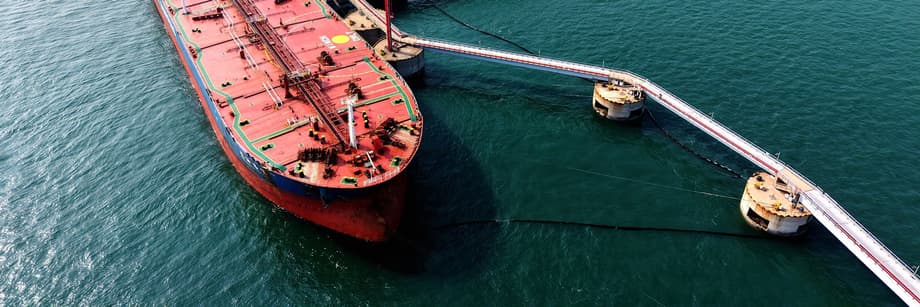
The fuel crisis cannot be separated from the broader geopolitical turmoil unfolding in the Middle East. The conflict involving Iran, the United States, Israel, and other regional actors has disrupted shipping through the Strait of Hormuz, the world’s most critical oil transport route. Recent attacks have targeted transport vessels in these waters, making future journeys through the strait increasingly risky and causing many shipping companies to avoid the route entirely.
This disruption affects Asian refineries profoundly, as countries like China receive up to 90% of their crude oil from Middle Eastern sources. With fewer tankers braving the strait and several Gulf refineries shutting down operations due to supply shortages or security concerns, Asian refining capacity has contracted sharply. Wood Mackenzie analysts estimate that the war could force up to 6 million barrels per day of crude run cuts across Asia, tightening fuel availability even before export bans took effect. Several refineries in the Gulf region that typically ship fuel to Asia have ceased operations entirely since the war halted shipping via the critical route.
The market has responded violently to these pressures. Jet fuel paper swaps in Singapore traded at approximately $157 to $163 per barrel in mid March, representing more than a 70% increase from pre-conflict levels around $92. Diesel derivatives surged to $150 per barrel, while gasoline reached $139.80, up from $79.30 in late February. These price spikes translate directly into higher operating costs for airlines, which typically face fuel as their largest variable expense. The increase means that even if physical shortages are avoided, the cost of flying will rise substantially for carriers and passengers.
Airlines Face Hard Choices
As fuel costs climb and supplies tighten, airlines across the region are implementing contingency plans that will directly affect travelers. Qantas, Australia’s largest carrier and the biggest consumer of jet fuel in the country, has indicated that passengers should expect fare increases to offset rising operational costs. While the airline has not yet cancelled flights, industry analysts warn that schedule reductions become likely if supplies fail to arrive beyond March.
Air New Zealand has already taken more drastic action, cutting 1,100 flights from its schedule due to fuel pricing and supply concerns. In Vietnam, Sun PhuQuoc Airways notified regulators that it would adjust flight schedules over the next one to three months due to fuel price volatility. The Vietnam aviation authority has instructed airport operators to prepare additional parking space for aircraft in case carriers need to reduce operations.
Sydney Airport chief executive Scott Charlton has stressed the precarious nature of the country’s fuel supply, noting that reliance on international shipping lanes creates vulnerabilities that extend beyond immediate shortages.
“This means the reliability of that 25-day supply depends on international shipping lanes, global refining capacity and geopolitical stability. And when you look at the world today with conflict in the Middle East and growing tension across global energy markets you start to see why fuel security matters just as much as emissions.”
The financial strain extends beyond ticket prices. Fuel importers Petrolimex and Skypec warned Vietnamese regulators that the spike in jet fuel costs has pushed them rapidly toward the limits of their credit lines, urging banks to provide more flexible financing arrangements until market conditions normalize. Similar pressures are building throughout the region as the cost of holding inventory rises while supply uncertainty grows.
Government Responses and Emergency Measures
Faced with an impending supply crunch, Australian authorities have deployed several emergency measures to extend existing fuel stocks and secure alternative supplies. Climate and Energy Minister Chris Bowen announced plans to release fuel from Australia’s strategic reserve while relaxing quality standards for the next 60 days, allowing the use of fuel with higher sulfur levels to boost domestic supply by approximately 100 million litres of petrol per month. The government also reduced mandatory stockpile requirements, cutting diesel reserves from 2.7 billion litres to 2.2 billion litres and petrol from 1 billion litres to 700 million litres.
Chris Bowen addressed parliament regarding panic buying behaviors that emerged following news of the fuel restrictions.
“I ask Australians, buy as much fuel as you need: no more, no less. I’ve seen people on Facebook marketplace filling up jerry cans, Bunnings running out of jerry cans, going on Facebook marketplace, selling fuel at inflated prices. That is un-Australian. It’s dangerous. It shouldn’t be done.”
Resources Minister Madeleine King traveled to Japan for urgent discussions with international counterparts regarding fuel security and supply diversification. The talks aim to establish alternative supply routes from Japanese, South Korean, and Singaporean sources, though these countries face their own export pressures and reduced availability. King indicated that boosting supplies of critical minerals and rare earths would also feature in discussions, reflecting the broader energy security concerns facing the region.
On the global stage, the International Energy Agency ordered its member states to release 400 million barrels of emergency oil reserves, representing one-third of total global stockpiles and dwarfing the 182 million barrel release following Russia’s 2022 invasion of Ukraine. However, Australia cannot participate fully in this coordinated response due to its failure to maintain the required 90-day reserves, leaving the nation dependent on bilateral arrangements rather than multilateral sharing mechanisms.
Uncertain Skies Ahead
The coming weeks will determine whether Australia and its regional neighbors can navigate this fuel crisis without major disruptions to air travel. Industry experts suggest several scenarios ranging from manageable tightness to severe shortages requiring rationing. In the most optimistic scenario, replacement cargoes from Singapore, South Korea, and India arrive steadily, allowing prices to stabilize at higher but sustainable levels while maintaining flight schedules.
However, if shipping delays persist or additional Asian exporters impose restrictions, Australia faces the prospect of localized fuel constraints at major airports. Authorities would likely prioritize emergency and military flights while forcing commercial carriers to reduce operations and implement fuel rationing. The thin buffer of 29 to 32 days of reserves means that any interruption lasting more than a few weeks could trigger these emergency protocols.
For travelers, the immediate impacts include higher airfares, potential fuel surcharges, and the risk of cancelled or consolidated flights on less profitable routes. Regional services using smaller aircraft face particular vulnerability, as these operations typically have thinner margins and less flexibility to absorb cost spikes. The crisis serves as a stark reminder of the interconnected nature of global energy markets and the speed with which geopolitical events can translate into concrete disruptions at local airports.
The Essentials
- China banned all refined fuel exports effective March 11, 2026, including jet fuel that supplied 32% of Australia’s aviation needs
- Australia maintains only 29 to 32 days of jet fuel reserves and possesses no domestic refining capacity, making it entirely dependent on imports
- Energy Minister Chris Bowen warned that fuel shortages could emerge within a month without replacement cargoes from alternative suppliers
- Vietnam, Thailand, South Korea, and other Asian nations have also restricted fuel exports, triggering a regional supply crisis affecting multiple countries
- Jet fuel prices have surged to approximately $157 per barrel, up more than 70% from pre-conflict levels, forcing airlines to consider fare increases and flight reductions
- The Australian government has relaxed fuel quality standards and reduced mandatory stockpile requirements to extend available supplies while seeking alternative sources through diplomatic channels