A Royal Visit With Fuel Supplies at Stake
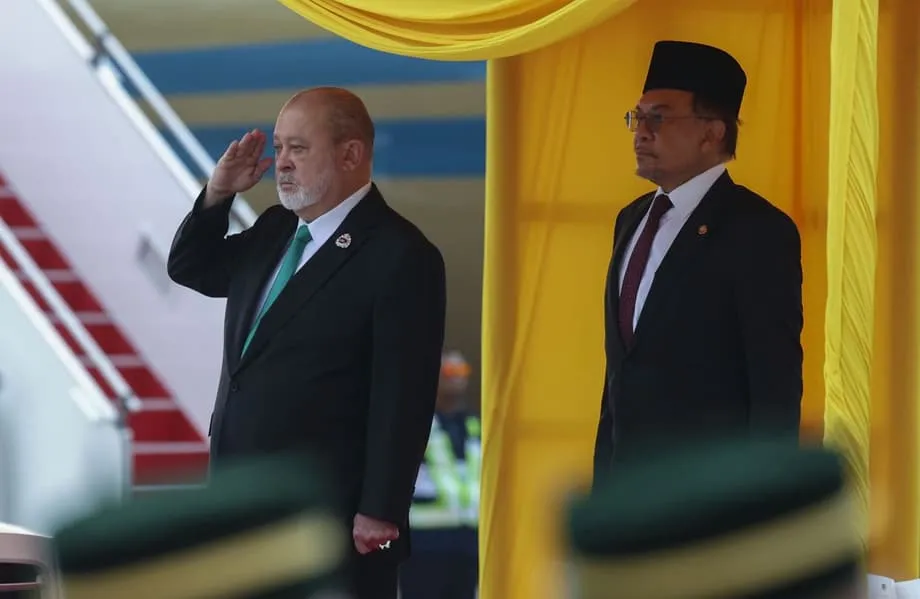
Malaysian King Sultan Ibrahim Iskandar arrived at Moscow's Vnukovo-2 International Airport at 4:20pm local time on Thursday, as Malaysia seeks Russian crude oil to help replace shipments disrupted by the conflict involving Iran. His visit combines an invitation to Russia's May 9 Victory Day celebrations with an urgent economic concern: keeping fuel flowing to Malaysian refineries and consumers.
Contents
- A Royal Visit With Fuel Supplies at Stake
- Why Putin's Invitation Matters
- How Hormuz Disruption Reaches Malaysia
- Petronas Looks to Russian Crude
- The Dates Behind the Current Talks
- Trade and Energy Cooperation Beyond Oil
- What Russia Is Proposing on Nuclear Power
- Sanctions Complicate Commercial Choices
- Australia's Refinery Fire Adds Pressure
- Concern Spreads Across the Region
- Key Points
Russian Deputy Foreign Minister Andrey Rudenko, senior protocol officials and Malaysia's ambassador to Russia, Datuk Cheong Loon Lai, welcomed the monarch. President Vladimir Putin invited Sultan Ibrahim to attend the celebrations as guest of honour, giving the visit a prominent place in Russia's diplomatic calendar.
Prime Minister Anwar Ibrahim has already directed the national oil company, Petronas, to negotiate with Russian suppliers. The discussions come after almost two months of disruption at the Strait of Hormuz, the narrow passage between Iran and Oman through which approximately one fifth of global petroleum shipments pass.
Malaysia produces petroleum, but it also needs imported crude of particular grades for its refineries. Delayed Middle Eastern cargoes have put domestic fuel supplies under pressure and created a risk of higher prices. The royal visit could help advance an oil agreement, although no completed deal, purchase volume, price or delivery schedule has been announced.
Australia, the Philippines and Thailand are also concerned about access to fuel. Malaysia's search for alternative supplies therefore matters beyond its borders, particularly to countries that buy petrol and diesel from Malaysian producers. Kuala Lumpur's immediate priority, Anwar has said, is meeting domestic needs before considering additional supplies for friendly nations.
Why Putin's Invitation Matters
Russia's Victory Day celebrations on May 9 commemorate the Soviet victory over Nazi Germany in 1945. Sultan Ibrahim's attendance as guest of honour places Malaysia prominently among Moscow's diplomatic partners at one of Russia's most important national commemorations.
Putin's invitation comes as Western governments continue efforts to isolate Russia over its actions in Ukraine. Malaysia has maintained diplomatic and commercial relations with Moscow, and the king's acceptance reflects Kuala Lumpur's willingness to continue those ties despite that pressure.
Sultan Ibrahim's trip also builds on his visit last August, when he became the first Malaysian head of state to make a state visit to Russia since the two countries established diplomatic relations in 1967. That visit included a personal welcome from Putin at the Hermitage Museum in St Petersburg. The museum, established in 1755, houses more than three million works of art.
The king also visited the Smolny Complex, an administrative centre built in 1937. There, he met St Petersburg Governor Alexander Beglov and viewed presentations about Russia's second largest city. Those engagements gave the earlier visit a broader focus on bilateral cooperation.
Russian Ambassador to Malaysia Naiyl Latypov described 2025 as a watershed year for relations. Discussing the two high level visits that year, he said their main result was a foundation for future cooperation rather than signed agreements. MoUs, or memorandums of understanding, set out intended areas of cooperation.
Both of these visits were very fruitful for our relations. No agreements or MoUs were signed, but they laid a very solid base for further development. Now we have very good opportunities to develop our relations and to sign MoUs in different spheres.
How Hormuz Disruption Reaches Malaysia
The Strait of Hormuz is a narrow channel connecting major Gulf energy exporters with customers elsewhere. With approximately one fifth of global petroleum shipments passing through it, disruption there can affect supplies far from the conflict itself. Its partial closure has sent governments across Asia looking for alternative cargoes.
The blockade has lasted almost two months, preventing tankers from moving through the waterway and creating supply shortages that threaten economies from Tokyo to Melbourne. For buyers, the problem is both obtaining oil and getting it delivered to the facilities that turn it into usable fuel.
Malaysia's own petroleum production does not cover every requirement of its refining system. Refineries need particular crude grades, meaning types of oil with properties suited to their equipment and production processes. Much of the imported crude used to supplement Malaysian production has historically come from Middle Eastern suppliers.
Petronas faces possible production slowdowns when those cargoes fail to arrive. The Pengerang Integrated Complex is among the facilities that need a steady supply of feedstock, the raw material processed into fuels and other products. An interruption at the supply stage can therefore affect the amount of petrol or diesel available later.
Anwar has said diplomatic efforts secured passage for some Malaysian vessels early in the crisis. Several tankers still face delays and damage issues, leaving the government and Petronas trying to secure replacement supplies while dealing with disrupted shipments.
Consumers could feel the pressure through fuel availability and inflation. When energy becomes more expensive, transport and production costs can rise as well. Malaysia's negotiations with Russia are intended to reduce that immediate supply pressure and lessen its dependence on shipments using the Hormuz route.
Petronas Looks to Russian Crude
Anwar announced last month that Petronas would negotiate with Russian suppliers to purchase crude oil. He discussed the move on April 18 at the opening of the Sultan Ismail Petra Airport terminal in Pengkalan Chepa, linking Malaysia's ability to pursue talks to its continuing relationship with Moscow.
The prime minister noted the irony of countries that had imposed sanctions now competing aggressively for available oil. Western sanctions on Russian energy exports following the invasion of Ukraine restrict the commercial options of European and American companies. Malaysia's maintained ties give Petronas an opening to discuss supplies with Russian counterparts.
Anwar, explaining why the talks could proceed, pointed directly to the diplomatic relationship:
Fortunately, our relations with Russia remain good. Therefore, the PETRONAS team can negotiate with them.
Russian crude would represent a change in Malaysia's procurement strategy, which has relied heavily on Middle Eastern oil to supplement domestic production. Buying from another supplier could reduce dependence on cargoes travelling through Hormuz. It could also offer favourable pricing from a seller seeking to maintain its Asian markets.
Anwar has placed domestic requirements first. Malaysia may help friendly countries if surplus supplies become available, but the government's immediate task is ensuring that Malaysian users have enough fuel. That order of priorities is central to the country's discussions with both suppliers and overseas customers.
Latypov has described discussions between Russian energy firms and Malaysian counterparts on petroleum and liquefied natural gas as productive and promising. Liquefied natural gas, usually called LNG, is natural gas cooled into liquid form so it can be transported by ship. Those talks give the energy relationship a scope beyond crude oil alone.
The Dates Behind the Current Talks
Malaysia's latest approach to Russia follows diplomatic visits and commercial discussions that began before the present fuel emergency. The sequence shows how an existing relationship has become useful during a supply crisis.
- 1967: Malaysia and Russia established diplomatic relations.
- August 2025: Sultan Ibrahim became the first Malaysian head of state to make a state visit to Russia.
- 2025: Latypov described two high level visits as laying a foundation for further cooperation, although no agreements or MoUs were signed.
- April 18, 2026: Anwar discussed Petronas negotiations with Russian suppliers at the opening of the Sultan Ismail Petra Airport terminal in Pengkalan Chepa.
- Thursday, ahead of May 8, 2026: Sultan Ibrahim arrived at Vnukovo-2 International Airport at 4:20pm local time.
- May 9, 2026: Russia is due to hold Victory Day celebrations, with Sultan Ibrahim invited as guest of honour.
The May 9 commemoration is the next scheduled event in the visit. The commercial discussions are proceeding against a more urgent timetable set by Malaysia's need for dependable refinery supplies.
Trade and Energy Cooperation Beyond Oil
Malaysia and Russia have reported a 30 percent increase in bilateral trade to approximately $3.2 billion over the past year. Latypov nevertheless expressed dissatisfaction with that level, arguing that Russian businesses see much greater potential in the Malaysian market.
Russia is presenting itself as a broader energy partner, with proposals covering electrical infrastructure, renewable energy technology and nuclear power. The approach reflects Moscow's interest in making Malaysia a lasting market for Russian exports in Southeast Asia, alongside the immediate petroleum discussions.
Several Russian companies have emerged as industry leaders in solar panel manufacturing and hydroelectric equipment. Those technologies connect with Malaysia's renewable energy goals, opening areas of possible cooperation separate from the effort to replace disrupted oil cargoes.
The growth in trade provides a commercial setting for those proposals, while the earlier diplomatic visits created opportunities for further agreements. Latypov's assessment connects the two: stronger political relations have opened discussions, and businesses now want those discussions to produce a larger volume of trade.
Oil, LNG and electricity projects serve different needs. Crude purchases address supplies for refineries, LNG is another traded fuel, and renewable energy equipment concerns how electricity is generated. Malaysia's engagement with Russia spans each of those areas while the Hormuz crisis keeps the immediate focus on fuel security.
What Russia Is Proposing on Nuclear Power
Malaysia is studying nuclear power as part of its longer term energy development, including efforts to reduce carbon emissions and meet baseload electricity requirements. Baseload refers to the steady level of power needed to keep an electricity system operating through the day and night.
Russia has offered cooperation ranging from large reactors to small modular reactors and floating nuclear platforms. Small modular reactors are smaller reactor units; floating platforms place nuclear power facilities on vessels. These options form part of a proposal for a much wider energy partnership.
The proposed cooperation could involve Malaysian shipyards in Sabah and Sarawak, with opportunities for local employment and the transfer of technical expertise. That would connect any future programme to Malaysian industrial activity as well as electricity generation.
Latypov has said Russia has extensive experience in civilian nuclear programmes and is ready to help Malaysia with legislation, regulatory arrangements and public communication about safety concerns. Nuclear projects require rules and oversight as well as equipment, making those parts of the proposal relevant to Malaysia's study.
The nuclear discussions concern future energy development, while Petronas faces an immediate need for crude supplies. Both sit within the same expanding relationship, but they operate on different timescales: one addresses delayed fuel shipments, and the other concerns how Malaysia might generate electricity in years to come.
Sanctions Complicate Commercial Choices
Western sanctions remain a practical complication for Malaysia's dealings with Russia. Approximately eleven Malaysian companies operate under Western sanctions restrictions, creating difficulties for financial transactions and technology transfers.
Both governments are seeking arrangements that allow cooperation while avoiding exposure of Malaysian businesses to secondary sanctions. These are restrictions that can affect businesses because of their dealings with sanctioned parties. For a proposed energy transaction, payment arrangements and the companies involved can therefore matter alongside the availability of the fuel.
Malaysia's diplomatic access to Russia gives Petronas room to negotiate, while sanctions create limits that businesses must navigate. The same problem can arise in other areas of cooperation, especially where projects require international payments or the transfer of technology.
Regional fuel trade adds another layer. The prospect of Malaysia importing Russian oil, with some of the resulting supply potentially reaching Australian markets, creates a three country relationship that tests the limits of Western sanctions regimes. That possibility matters because Australia depends on Malaysian fuel even as Malaysia searches for new sources of crude.
Australia's Refinery Fire Adds Pressure
Australia relies on Malaysia for 14 percent of its diesel and 10 percent of its petrol. Prime Minister Anthony Albanese travelled to Kuala Lumpur on an emergency fuel security mission as the Hormuz disruption put pressure on regional supplies.
Albanese cut short his Malaysian visit after a fire damaged the Viva Energy refinery in Geelong, which produces a substantial share of Australia's petrol. The incident added a domestic production problem to an international supply crisis and prompted him to return home.
During the Kuala Lumpur visit, Albanese secured commitments for additional diesel supplies and stressed a policy of no surprises in energy trade. Malaysia said domestic requirements would take precedence, with excess production going to traditional customers.
Australia, in return, pledged to continue LNG shipments to Malaysia, which relies almost entirely on Australian imports for its LNG needs. The exchange shows how the countries depend on each other for different forms of energy: Australia buys Malaysian liquid fuels, while Malaysia buys Australian LNG.
Australia has also sought fuel from Brunei despite concerns about that country's human rights record. The search for supplies illustrates the uncomfortable foreign policy choices created by the crisis, as governments place immediate energy security ahead of other considerations.
Concern Spreads Across the Region
The Philippines and Thailand are also increasingly anxious about continued access to fuel. Disruption at Hormuz has left countries across the Asia Pacific region pursuing available cargoes at the same time, increasing the risk of competition between buyers with different financial resources.
Anthony Patten, head of energy at Herbert Smith Freehills, warned about that pressure. He described concerns in the Philippines and Thailand and expressed hope that the scramble would avoid becoming a contest in which wealthier countries outbid poorer ones:
There's definitely concern in the Philippines around continued access to fuel, and similarly, I think in Thailand as well. I'm hoping it doesn't turn into that sort of regional survival of the fittest.
Malaysia occupies several positions in that regional market. It produces petroleum, imports crude for its refineries, sells fuel to Australia and relies on Australian LNG imports. A delay in one part of that chain can therefore affect more than one country.
The Iran conflict continues without a diplomatic resolution in sight. Governments are making supply decisions under that pressure, and the compromises already visible in Russian oil talks and Australia's fuel purchases may become more frequent. Access to energy is becoming a stronger driver of regional relationships alongside traditional political alignments.
Key Points
- Sultan Ibrahim arrived in Moscow on Thursday at 4:20pm local time ahead of Russia's May 9 Victory Day celebrations, following an invitation from Putin.
- Petronas is negotiating with Russian suppliers for crude oil as disruption at the Strait of Hormuz approaches two months.
- Malaysia needs particular imported crude grades for its refineries, including steady feedstock for the Pengerang Integrated Complex.
- Anwar has said Malaysian fuel requirements take priority, with help for friendly countries dependent on surplus supplies.
- Malaysia and Russia's bilateral trade rose 30 percent to approximately $3.2 billion over the past year.
- Russian proposals extend to LNG, renewable energy equipment and nuclear power, while sanctions complicate payments and technology transfers.
- Australia obtains 14 percent of its diesel and 10 percent of its petrol from Malaysia and has secured commitments for additional diesel.
- Concerns in the Philippines and Thailand underline the wider regional competition for fuel.