Emergency Measures as Supply Chains Fracture
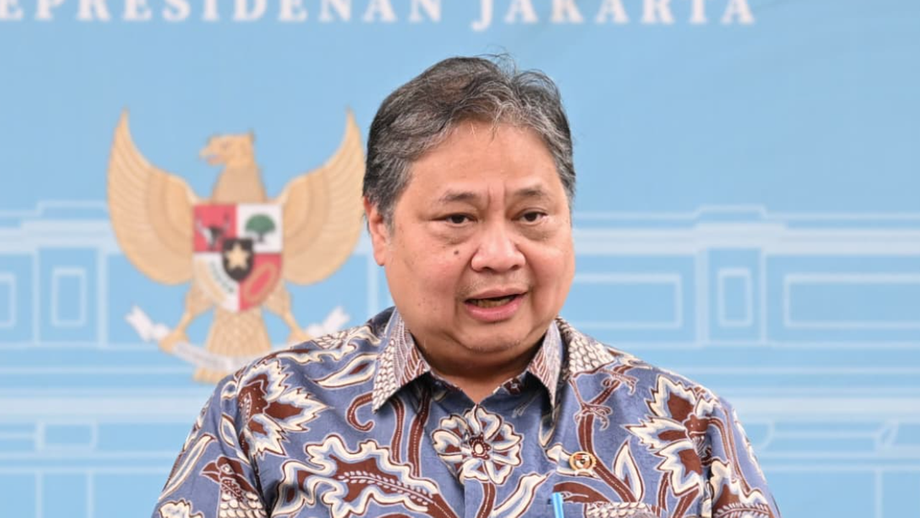
Indonesia has enacted emergency tariff cuts eliminating all import duties on critical plastic raw materials and liquefied petroleum gas (LPG) as the petrochemical sector faces severe supply disruptions linked to escalating conflict in the Middle East. The six month intervention, announced by Coordinating Minister for Economic Affairs Airlangga Hartarto on April 28 during the Investor Daily Roundtable at Hotel Mulia in Jakarta, responds to force majeure declarations from the countrys largest petrochemical producers who can no longer secure adequate naphtha supplies. The policy takes effect in May 2026 and will remain active for six months, after which authorities will reassess market conditions.
Chandra Asri Petrochemical and Lotte Chemical Indonesia, which dominate domestic plastic production, have suspended contractual obligations after struggling to obtain naphtha, the primary feedstock for manufacturing polyethylene and polypropylene. This shortage has triggered price spikes of 50 to 100 percent for plastic resins, threatening to cascade through the economy via packaging costs for food, beverages, and consumer goods. The disruption has affected downstream materials essential for everyday commercial activity, creating urgency for government intervention before the crisis impacts supermarket shelves and retail prices across the archipelago. Airlangga explained the urgency of the situation during his announcement.
This is an intervention to lower import duties, primarily for the petrochemical industry which is struggling to obtain naphtha due to the conflict in the Strait of Hormuz. We will give everything zero percent import duty but only for six months.
The Strait of Hormuz Supply Bottleneck
The root cause of Indonesias industrial stress lies thousands of kilometers away in the Strait of Hormuz, the narrow maritime chokepoint separating the Persian Gulf from the Gulf of Oman through which approximately 90 percent of global naphtha shipments pass. Ongoing military conflict involving Iran has disrupted traffic through this critical passage, creating bottlenecks that have rippled across Asian manufacturing hubs from Tokyo to Jakarta. Naphtha, a volatile liquid hydrocarbon mixture produced during crude oil refining, serves as the foundational building block for plastics. When refineries cannot secure naphtha, entire production lines risk grinding to a halt, affecting everything from food packaging films to automotive components and construction materials.
The crisis has forced Japanese manufacturers including Maruzen Petrochemical and Mitsui Chemicals to cancel import tenders, while Indonesian facilities have taken the more drastic step of invoking force majeure, a legal clause releasing parties from contractual obligations during unforeseeable circumstances. The geographic concentration of naphtha production in the Middle East, combined with the limited alternative shipping routes available without circumnavigating the entire Arabian Peninsula, leaves Asian petrochemical producers particularly exposed to regional instability. Vasudev Baligopal, global director of petrochemical trading at Marex, observed that security concerns are fundamentally reshaping trade flows and delivery schedules across the region.
Rerouting and tighter security protocols are complicating delivery schedules and tightening supply chains.
These logistical challenges have constrained feedstock availability precisely when manufacturing demand remains steady, creating the price volatility that now concerns Indonesian policymakers tasked with maintaining economic stability during turbulent global conditions.
Zero Percent Tariff Implementation
To arrest this economic pressure, Indonesia will impose zero percent import duties on polypropylene, polyethylene, high density polyethylene (HDPE), and linear low density polyethylene (LLDPE) for six months beginning in May. These materials, previously subject to tariffs ranging from 5 to 15 percent depending on specific product classifications and country of origin, constitute the essential inputs for plastic packaging manufacturing that touches nearly every consumer product sector in the sprawling archipelago nation. The duty elimination applies specifically to materials used for plastic packaging, ensuring that food and beverage containers, agricultural wraps, and industrial packaging films remain available despite the naphtha shortage. Simultaneously, the government has eliminated the 5 percent duty previously applied to LPG imports for industrial use, creating a dual track approach that addresses both immediate material shortages and feedstock substitution needs for the petrochemical crackers that break down hydrocarbons into usable chemical components.
This strategy allows manufacturers to pivot production processes while maintaining output levels, ensuring that packaging plants can continue supplying the food and beverage industry even while facing naphtha shortages that would otherwise force production halts. Airlangga stated that the policy represents a calculated intervention designed specifically to prevent inflationary spirals from taking hold in the consumer economy during this vulnerable period. Higher packaging costs directly influence food and beverage prices on store shelves, creating broader consumer price pressures that the government seeks to avoid while managing other economic transitions. The temporary nature of the measures, explicitly set for review after six months rather than permanent implementation, reflects their emergency character rather than any long term shift toward comprehensive trade liberalization in the chemical sector or abandonment of protective tariffs for domestic industry.
Force Majeure and Production Disruptions
The force majeure declarations by Chandra Asri and Lotte Chemical represent rare admissions of industrial vulnerability in Southeast Asias largest economy, where these conglomerates typically operate with substantial market dominance and supply security. Chandra Asri, in particular, has faced acute difficulties securing feedstock shipments, prompting the company to formally declare its inability to meet existing contractual obligations to downstream customers. This declaration sends ripples through the manufacturing sector because the company supplies essential resins to hundreds of smaller packaging producers across Java and Sumatra. These facilities normally process naphtha to produce downstream plastics that supply Indonesias extensive packaging industry, which in turn supports the nations vast food and beverage sector and agricultural export markets.
Domestic manufacturers have reported significant difficulty fulfilling standard orders for plastic films, containers, bottles, and wrapping materials essential for modern product distribution and retail display. The shortage arrives at a particularly sensitive moment in Indonesias economic trajectory, as the nation attempts to maintain growth momentum while managing complex transitions in energy policy and industrial regulation. Without immediate government intervention, the supply constraints threatened to idle production lines across multiple manufacturing sectors, potentially causing temporary shortages of packaged goods on store shelves. President Prabowo Subianto has personally directed Energy and Mineral Resources Minister Bahlil Lahadalia to identify and secure alternative naphtha sources outside traditional Middle Eastern suppliers, preferably from regions not dependent on the troubled Strait of Hormuz shipping lane. This directive acknowledges that while temporary tariff cuts provide immediate relief, genuine long term supply security requires diversifying import relationships and potentially expanding domestic refining capacity to reduce reliance on volatile international shipping routes.
LPG as Alternative Feedstock
The decision to waive LPG import duties introduces a technical alternative to naphtha based production that provides manufacturers with crucial operational flexibility during the current shortage. While naphtha remains the preferred feedstock for most petrochemical processes due to its superior chemical properties and yield rates, LPG can substitute for approximately 50 percent of naphtha requirements in certain flexible production configurations. This substitution capability, while not perfect, provides manufacturers with the ability to maintain basic production continuity rather than shutting down entirely during the crisis. Wiwik Pudjiastuti, Director of Upstream Chemical Industry at the Ministry of Industry, confirmed that LPG mixing remains limited but viable for maintaining production continuity during the emergency period.
Unlike naphtha, which travels primarily through the endangered Hormuz route and originates predominantly from Middle Eastern refineries, LPG supplies remain readily available from the United States, Australia, and other producers outside the immediate conflict zone. The United States has emerged as a particularly important alternative supplier during this crisis, with American LPG exporters able to ship product through Pacific routes that avoid the troubled Middle East entirely. This geographic diversification offers Indonesia a hedge against the Hormuz bottleneck that has crippled naphtha deliveries. By removing the 5 percent import duty, Indonesia effectively lowers the cost differential between naphtha and LPG, incentivizing manufacturers to modify their production mixes and chemical inputs without facing prohibitive raw material costs that would make substitution economically unviable.
Febri Hendri Antoni Arief, spokesman for the Ministry of Industry, stressed that maintaining balance between upstream petrochemical suppliers and downstream packaging manufacturers remains crucial during this transition period.
In principle, it is good news for the upstream petrochemical industry. What is important for us is to maintain the balance between the upstream and downstream industries. We continue to maintain this balance.
Regulatory Streamlining and Trade Facilitation
Beyond tariff reductions, Indonesia is implementing comprehensive procedural reforms to accelerate industrial licensing and import processes that have historically created bottlenecks at ports and customs facilities. The government is actively revising import licensing procedures through the National Industrial Information System (SINAS) and strengthening the Indonesian National Standard (SNI) framework to reduce bureaucratic delays that can strand needed materials in warehouses for weeks. A new service level agreement mechanism will establish clearer timelines and accountability measures for licensing approvals, addressing long standing complaints from business leaders about regulatory uncertainty that compounds supply chain challenges during emergencies.
The Ministry of Industry will prepare detailed commodity specific lists requiring technical consideration, while the Ministry of Trade updates existing import regulations to reflect the temporary duty exemptions and prevent confusion among customs officials and importers. These administrative adjustments recognize that tariff cuts alone cannot resolve supply bottlenecks if customs procedures, technical standards assessments, and permit validations create port delays that strand needed materials on docks while factories sit idle. By synchronizing regulatory frameworks with the emergency tariff policy, officials hope to ensure that imported materials reach manufacturing floors without procedural obstruction or unnecessary documentation requirements that would defeat the purpose of the duty elimination.
Regional Economic Context and Global Implications
Indonesias emergency measures reflect broader patterns across Asian manufacturing economies responding to similar energy price shocks and supply chain instability triggered by the Middle East conflict. India has implemented comparable strategies to stabilize chemical production costs, while other ASEAN members monitor the situation closely for potential spillover effects into regional trade flows and competitive balances. The policy highlights the acute vulnerability of import dependent industrial economies to geopolitical disruptions in energy producing regions, particularly those with limited domestic feedstock production.
With Indonesia relying on imports for 55 to 60 percent of its raw material needs across the industrial sector, the current crisis exposes structural risks that extend beyond temporary price fluctuations into fundamental questions of economic security and supply resilience. Analysts note that the six month tariff window provides necessary breathing room but cannot resolve fundamental dependencies on distant supply chains that traverse geopolitical flashpoints. For regional trade partners including Singapore and Malaysia, Indonesias tariff reductions may alter competitive dynamics in plastic product markets. Manufacturers in neighboring countries could face adjusted competitive pressures as Indonesian producers gain temporary cost advantages through duty free inputs, potentially reshaping cross border supply arrangements and export patterns in the short term while the emergency measures remain in effect.
Key Points
- Indonesia has eliminated import duties on key plastic raw materials including polypropylene, polyethylene, HDPE, and LLDPE for six months starting May 2026, reducing previous tariffs of 5 to 15 percent to zero.
- The 5 percent duty on LPG for petrochemical use has been scrapped to enable manufacturers to substitute naphtha with alternative feedstock during the supply crisis.
- Major producers Chandra Asri Petrochemical and Lotte Chemical Indonesia declared force majeure due to inability to source naphtha, causing domestic plastic prices to surge 50 to 100 percent.
- The supply disruption stems from conflict in the Strait of Hormuz, through which approximately 90 percent of naphtha shipments pass, creating bottlenecks for Asian manufacturers.
- The government is implementing regulatory reforms including streamlined import licensing and service level agreements to prevent procedural delays from compounding material shortages.
- President Prabowo has ordered exploration of alternative naphtha sources outside the Middle East to address long term supply security beyond the six month emergency period.