A New Electric Chapter for Opel
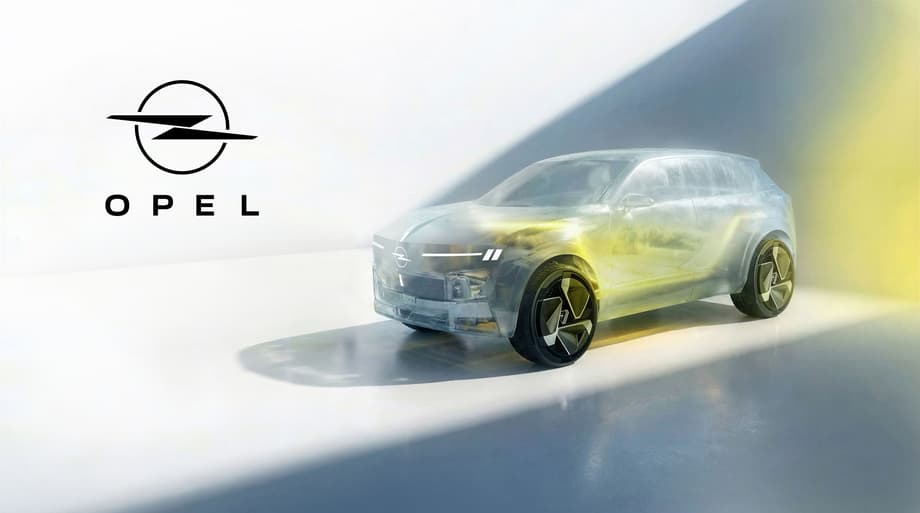
Opel has confirmed plans to introduce a new fully electric compact SUV targeting the C segment by 2028, marking one of the largest shifts in the German brand’s recent history. The compact crossover will be built using core components from Leapmotor, the Chinese electric vehicle specialist in which parent company Stellantis holds a major stake. This move validates earlier reports and positions Opel at the center of a broader effort to blend Chinese technological speed with European engineering standards.
The yet unnamed model will sit between the Frontera and Grandland in Opel’s SUV lineup, measuring approximately 4.5 meters in length. Development is targeting a rapid timeline of under two years from start to showroom, a pace that would have been difficult using traditional European development cycles alone.
Design and Technical Foundations
Opel’s design team in Russelsheim will lead the styling work, ensuring the vehicle retains the brand’s visual identity. Early teaser images reveal a sporty silhouette with large wheels, tight overhangs, and the familiar Opel Vizor front fascia with integrated LED lighting. This design approach aims to reassure existing customers that the new model will feel distinctly German despite its Chinese mechanical roots.
According to Opel CEO Florian Huettl, the SUV will be developed by international teams based in Germany and China. The vehicle will use the latest Leapmotor electric architecture and battery technology, while Opel retains responsibility for design, chassis engineering, lighting systems, and seating technology. This division of labor allows Opel to focus on areas that define its brand character while benefiting from Leapmotor’s established EV platform.
The base vehicle is expected to closely follow the Leapmotor B10, which serves as the technical donor. That model features a single electric motor producing 215 horsepower, or 160 kW, with battery options of 56.2 kWh and 67.1 kWh delivering up to 434 kilometers of range. An extended range variant capable of covering up to 900 kilometers will also be available, addressing one of the most widespread concerns among potential EV buyers.
Manufacturing Plans in Spain
Production will take place at the Stellantis Figueruelas plant in Zaragoza, Spain, beginning in 2028. This facility has manufactured over 10 million Opel Corsa units since 1982 and currently produces the Peugeot 208, Lancia Ypsilon, and the Leapmotor B10 for European markets. Adding the new Opel compact SUV to this lineup represents a major show of confidence in Spanish manufacturing capabilities and existing infrastructure.
The decision to produce alongside the Leapmotor B10 creates operational efficiencies and shared supply chains. It also ensures that much of the vehicle’s assembly occurs within Europe, potentially helping the model qualify for local incentives and navigate evolving trade regulations. Leapmotor’s energy division is reportedly planning a battery factory in Zaragoza with capacity for approximately 100,000 packs annually, which would further localize production.
Beyond Zaragoza, Stellantis and Leapmotor are considering additional manufacturing expansion. The Villaverde plant near Madrid, where Citroen C4 production is scheduled to end, could begin producing Leapmotor models from 2028. Ownership of that facility may transfer to LPMI’s Spanish subsidiary, representing a deeper structural integration between the partners.
The Stellantis Leapmotor Partnership
Stellantis acquired a 21% stake in Leapmotor in October 2023, becoming the Chinese company’s largest shareholder. The two firms established Leapmotor International, or LPMI, as a joint venture controlled 51% by Stellantis with exclusive rights to sell and manufacture Leapmotor products outside China. This arrangement has already proven commercially viable, with 40,000 European deliveries in 2025 and 24,751 registrations in the first quarter of 2026 alone.
Antonio Filosa, CEO of Stellantis, described the expanded partnership as mutually beneficial. He noted that the collaboration supports European production of affordable electric vehicles while meeting practical customer needs. Zhu Jiangming, founder and CEO of Leapmotor, stressed the complementary nature of the alliance. He pointed out that Leapmotor’s technologies combined with the global reach and strong brand portfolio of Stellantis create a powerful partnership that has rapidly expanded across five continents.
Workforce Changes at Russelsheim
The new development model arrives alongside painful restructuring at Opel’s historic headquarters. Stellantis recently announced plans to cut 650 engineering positions in Russelsheim, reducing technical staff to approximately 1,000 people. This represents a sharp contraction from 2017, when the facility employed over 7,700 engineers working on key PSA Group projects.
The remaining Russelsheim engineers will concentrate on artificial intelligence, software, advanced driver assistance systems, battery technology, and digital lighting systems. While the company has not explicitly linked the layoffs to the Leapmotor partnership, the timing suggests a strategic pivot. By relying on Leapmotor for core EV architecture, Stellantis can sharply reduce research and development expenses while accelerating time to market.
Critics worry this approach could erode European engineering independence over the long term. Supporters argue it represents necessary pragmatism in an industry where development speed and cost control increasingly determine survival.
Market Position and Pricing Strategy
Opel’s new compact SUV will enter one of Europe’s busiest and most competitive segments. Rivals include the Volkswagen Tiguan, Skoda Elroq, and numerous other compact crossovers. The Leapmotor B10 currently undercuts the Elroq by approximately 4,000 euros in key markets, starting at 29,900 euros in Germany, France, and Spain.
While official pricing for the Opel version remains unconfirmed, Huettl has promised the vehicle will be accessible. The use of Leapmotor sourced components should boost affordability for European customers, addressing a persistent barrier to EV adoption.
Huettl also confirmed the new SUV will revive a name from Opel and Vauxhall history, following the successful pattern established by the Frontera. He declined to reveal the specific badge but ruled out the Manta nameplate.
We like the success of the Frontera, including the name. We have made a decision on the name we use, and we will use the recipe of finding something very suitable in our own history.
Importantly, Huettl insisted the new model will not be a simple rebadged product. He stressed that Opel and Vauxhall engineers will lead development of everything related to drivetrain calibration, steering systems, noise isolation, packaging, and seating. The vehicle will also feature physical buttons rather than relying entirely on touchscreens, reflecting European preferences.
A Template for Future Collaboration
Stellantis has directly stated that this project serves as a blueprint for efficient global collaboration. This suggests other brands within the sprawling automotive group could follow Opel’s lead in using Leapmotor technology for their own electric models.
Xavier Chereau, Chairman of the Opel supervisory board and Stellantis Chief Human Resources and Sustainability Officer, framed the project as combining German engineering excellence with global technological innovation speed.
With this project, Opel would bring together German engineering excellence with global technological innovation speed. This innovative spirit defines the next chapter of our global collaboration with Leapmotor and Opel is taking on a pioneering role with this project.
The partnership also extends beyond Europe. LPMI has already expanded into South America, Mexico, Asia Pacific, the Middle East, and Africa. Joint purchasing initiatives are expected to increase the affordability of battery electric vehicles for Stellantis in Europe while accelerating time to market for new models.
Key Points
- Opel will launch a new electric compact SUV by 2028 built on Leapmotor architecture
- At 4.5 meters long, the new crossover will sit between the Frontera and Grandland in Opel’s lineup
- Production is planned for the Stellantis Zaragoza plant in Spain alongside the Leapmotor B10
- Development will take under two years, combining German design with Chinese EV technology
- Stellantis recently cut 650 engineering jobs at Opel’s Russelsheim headquarters
- The vehicle will use a classic Opel name and feature physical buttons inside
- Leapmotor B10 pricing starts at 29,900 euros, suggesting an affordable positioning for the Opel variant
- The project serves as a blueprint for expanded Stellantis Leapmotor collaboration across multiple markets