A Firm Warning to Visitors
The Interior Ministry of Thailand has ordered provincial authorities across the entire nation to take strict action against unruly foreign tourists, warning that offenders could face immediate visa cancellation and deportation. The directive came from the highest levels of government as concerns mount over visitor conduct that has damaged the national tourism image and alarmed local residents in multiple provinces.
Interior Ministry permanent secretary Arsit Sampantharat issued the warning on May 8 while supporting the 48th ASEAN Summit in the Philippines. He explained that inappropriate behavior by tourists in various regions had harmed the reputation of Thailand and generated anxiety among citizens in several communities. Prime Minister and Interior Minister Anutin Charnvirakul has tracked the issue closely and instructed agencies to promote cultural understanding among business operators and visitors.
Mr Arsit delivered an unambiguous message about accountability. He stated that legal violations would trigger decisive action without exception, regardless of nationality. Arsit Sampantharat, speaking in his official capacity, said the government would show no favoritism toward lawbreakers.
Everything is already governed by law. No one can break the law, whether Thai or foreign. Foreigners who enter Thailand cannot act like influential figures, do illegal things, bully the people of the host country, or behave in ways that go against Thai morals, culture or traditions. No one has powerful connections to clear things up because the Interior Ministry and state officials at every level do not accept such arrangements.
The statement reflects a broader effort to eliminate any perception that wealth or foreign status might provide immunity from local laws. Officials at every level have received instructions to enforce existing statutes rather than create new legislation, signaling that the change lies in execution rather than legal reform.
Public Incidents That Forced Action
The crackdown follows a string of highly publicized incidents involving foreigners engaging in sexual acts in public spaces, behavior that authorities warn contradicts the cultural values of Thailand. On May 5, police in Phuket discovered a Spanish man and a Peruvian woman performing a sexual act inside a three wheeled taxi in a busy tourist district. The pair admitted to the act and faced charges under public indecency laws, which carry fines of up to 5,000 baht. Officials moved to cancel their visas, blacklist them, and deport both individuals.
This case was not isolated. During the previous month, a French couple faced arrest and deportation after footage of them having sex on a Phuket beach circulated widely online. Another French couple had already been blacklisted earlier in the year after a video of similar behavior inside a three wheeled taxi triggered outrage across social media platforms.
These episodes have created tension within a society that remains socially conservative despite its reputation as a destination for nightlife and beach parties. Public displays of affection are generally frowned upon, and acts of public indecency clash directly with local norms. The office of the Prime Minister released a statement explaining that the clampdown aims to safeguard the cultural values of the nation, while authorities promised stricter inspections of entertainment venues.
The timing has raised concerns within the tourism sector. Data from the Tourism Ministry showed that total foreign arrivals dropped by seven percent in April compared with the same month in the prior year, while visitors from Europe declined by nearly sixteen percent that month. Thailand expects roughly 33.5 million foreign tourists this year, a modest increase from the nearly 33 million recorded in the previous year, but the decline in European visitors has alarmed industry observers.
Zero Tolerance Takes Shape in Popular Destinations
Several provincial governments have already begun implementing the strict directives from Bangkok, tailoring enforcement to local conditions. In Phuket, Governor Nirat Pongsitthaworn has coordinated with administrative officials, security agencies, and business operators to build better awareness among tourists while adopting an uncompromising stance toward violations.
The island province will impose the maximum penalty on offenders, and authorities will immediately revoke the right to remain in Thailand for serious violations. Police will send anyone caught driving without a valid license directly to court without exception. Governor Nirat stressed that Phuket remains an open city for tourism, but visitors must respect local culture and the rights of residents.
Meanwhile, in Surat Thani province, Governor Chumphote Wannachatsiri has taken action involving Israeli nationals who have stayed for extended periods on Koh Phangan, Koh Samui, and Koh Tao. Some allegedly used tourist visas to perform work, while others faced accusations of inappropriate behavior. Local agencies are also investigating businesses operating through nominee arrangements, which involve Thai nationals fronting companies on paper while foreigners maintain actual control. Immigration police, security agencies, and the provincial employment office are cooperating to enforce labor and business laws strictly.
The focus on front businesses signals a widening scope beyond mere public conduct. Authorities appear determined to address widespread abuse of visa categories and illegal commercial activity that undermines local entrepreneurs. By targeting both behavioral infractions and labor violations, the government hopes to restore confidence among citizens who feel squeezed by visitors operating outside legal boundaries.
What Visitors Need to Know About the New Climate
The message from Thai officials is straightforward: international visitors remain welcome, but they must observe local laws and cultural expectations. The government has outlined several areas where enforcement will intensify, creating a new environment that tourists should understand before arrival.
Public decency now sits at the forefront of concerns. Acts of public nudity, sexual behavior in open areas, and drunken disturbances near sacred sites or cultural attractions will trigger immediate legal consequences. Beyond potential fines, violators risk deportation and blacklisting, preventing return visits for specified periods.
Driving regulations have also tightened considerably. Tourists must carry valid licenses, and police will no longer issue warnings. Those who cannot produce proper documentation will face court proceedings. This measure targets a common source of friction in tourist areas where foreigners frequently rent motorbikes without adequate training or legal paperwork.
Beyond penalties, the government is expanding education efforts. Tourism authorities plan to increase visible signage at popular sites, distribute multilingual guidelines, and work with airlines and travel agencies to inform visitors about etiquette before they land. Local businesses have received instructions to help promote cultural sensitivity, ensuring that tourists understand proper conduct both on and off the standard tourist paths.
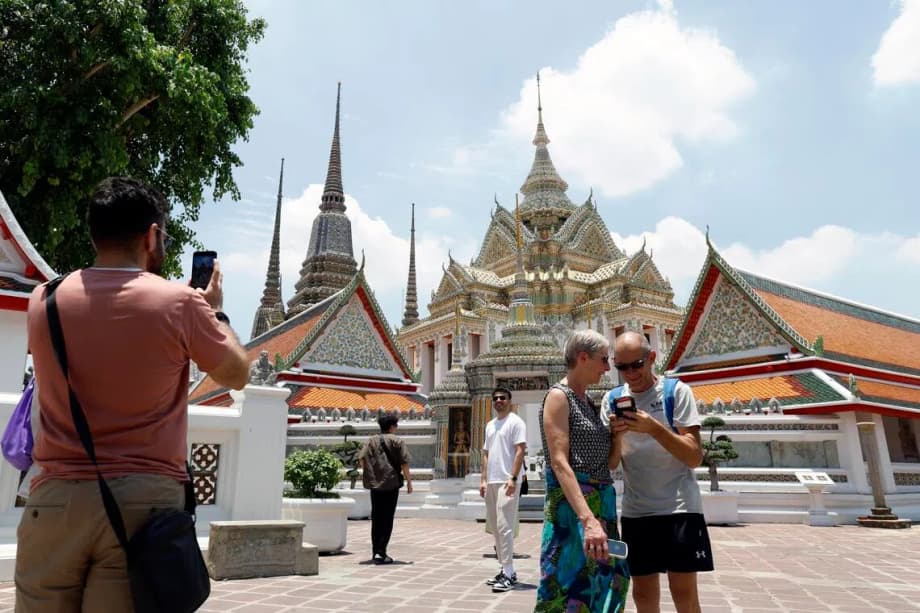
The campaign extends to religious and cultural sites, where dress codes and behavioral norms hold particular weight. Visitors entering temples or attending festivals must cover shoulders and knees, remove shoes where required, and avoid disruptive conduct during ceremonies. These rules reflect centuries of Buddhist tradition that form the backbone of cultural identity in Thailand.
A Regional Pattern of Stricter Oversight
Thailand is not alone in reassessing how it manages foreign visitors. Across Southeast Asia, popular destinations are implementing tougher measures against tourists who overstay visas, break local laws, or ignore cultural norms. The parallel developments suggest a regional shift toward more assertive tourism governance.
In Indonesia, the Immigration and Correctional Services Ministry recently created a special task force of one hundred officials to patrol Bali and monitor unruly tourists. The unit conducts regular and random patrols using motorcycles and cars across ten hotspots, including Canggu, Seminyak, Kuta, and Nusa Dua. Officers wear body cameras and safety vests while checking for immigration violations and criminal activity.
Immigration Minister Agus Andrianto stated that the initiative responds to a presidential mandate to uphold stability and security in Bali, which has experienced a sharp rise in visa overstays and unlicensed foreign businesses. Local communities in Bali have complained about foreigners operating villa rentals, motorbike shops, and unofficial tour guiding services without proper permits.
Despite the stricter environment, demand for Indonesian holidays remains robust among European travelers. Data from travel platform Agoda showed that Bali ranked as the most searched Asian destination for European tourists this summer, helping Indonesia place second overall in regional search volume behind Thailand. Bangkok and Koh Samui also ranked highly, suggesting that enforcement actions have not yet dampened travel interest from key markets.
The regional trend reflects a delicate balancing act. Nations rely heavily on tourism revenue, yet local citizens have grown vocal about the negative impacts of unchecked visitor numbers and disrespectful behavior. By enforcing existing laws more consistently, governments hope to preserve both their economic lifelines and their social fabric.
Preserving an Economic Lifeline
Tourism remains a cornerstone of the economy in Thailand, generating employment and foreign exchange across sectors from hospitality to transportation. The country expects roughly 33.5 million foreign tourists this year, building on the nearly 33 million who arrived in the prior year. Any perception that the kingdom is hostile to foreigners could threaten those numbers, particularly as competition from Vietnam, Japan, and Malaysia intensifies.
However, officials insist that respectful visitors have nothing to fear. The crackdown specifically targets unlawful conduct rather than restricting legitimate tourism. Industry groups have largely supported the measures, noting that disorderly behavior by a minority can tarnish the experience for the majority and drive away wealthy travelers seeking safe, family oriented environments.
Hotels and tour operators are being asked to participate in the education campaign by briefing guests on local norms. Some businesses have already begun displaying codes of conduct in lobbies and booking confirmations. The goal is to prevent violations before they occur, reducing the need for arrests or deportations.
By reinforcing standards without closing borders, Thailand aims to protect its cultural heritage while keeping the tourism sector vibrant. The strategy hinges on consistent application of rules that have long existed but were previously enforced unevenly. Success will depend on whether provincial authorities across the country can maintain this balance without alienating the millions of well behaved visitors who sustain the industry through spending and positive word of mouth.
The Bottom Line
- The Interior Ministry of Thailand has ordered nationwide strict enforcement against foreign tourists who break laws, intimidate locals, or behave inappropriately, with penalties including visa cancellation and deportation.
- High-profile public indecency cases in Phuket, including incidents involving Spanish, Peruvian, and French nationals, prompted the accelerated crackdown.
- Phuket has adopted a zero tolerance policy with maximum penalties for offenders, while Surat Thani is targeting extended visa overstays and nominee businesses on the islands of Koh Phangan, Koh Samui, and Koh Tao.
- Tourists must carry valid driving licenses, avoid public nudity or sexual acts in open areas, and respect Buddhist cultural traditions and local customs.
- A similar crackdown is underway in Bali, Indonesia, where a special task force patrols tourist areas to catch immigration violators and unlicensed foreign business activity.