331 Children Diagnosed in Taunsa as Hospital Safety Comes Under Scrutiny
In Taunsa, a city in Pakistan's Punjab province, 331 children tested positive for HIV between November 2024 and October 2025. Families linked their infections to routine treatment at Tehsil Headquarters Hospital, known locally as THQ Taunsa. An undercover investigation later recorded unsafe injection practices there, months after authorities had promised a crackdown and replaced the hospital's leadership.
Contents
- 331 Children Diagnosed in Taunsa as Hospital Safety Comes Under Scrutiny
- What the Undercover Cameras Recorded
- How a Used Syringe Can Contaminate Medicine
- A Change of Leadership Followed by Disputed Evidence
- What the April Inspection Found
- How the Outbreak and Response Unfolded
- Similar Outbreaks in Sindh and Karachi
- The Scale of Unsafe Injections Across Pakistan
- Why Injections Are Used So Often
- Closures, Regulation and Proposed Safeguards
- Families Face Treatment Costs and Isolation
- What to Know
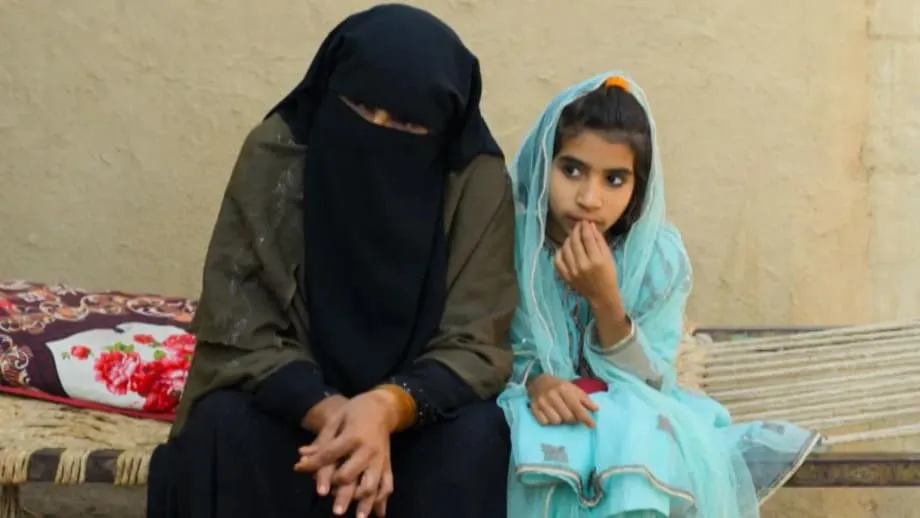
Mohammed Amin was eight when he died shortly after testing positive for HIV. His mother, Sughra, recalled fevers so intense that he insisted on sleeping outside in the rain to cool his skin. She described him writhing in pain as though he had been thrown into hot oil.
His sister Asma, ten, was also diagnosed with HIV. At her brother's grave, she remembered their arguments and his affection for her. Their family believes both children contracted the virus during treatment at THQ Taunsa, a hospital they had trusted to make them better.
The investigation identified the 331 children over a period of 12 months. Contaminated needles were identified as the transmission source in more than half of the cases. The Punjab government, however, said no validated epidemiological evidence had conclusively established THQ Taunsa as the source of the outbreak. Epidemiological evidence examines patterns of illness and exposure to trace how an outbreak spread.
The dispute over responsibility sits alongside detailed observations of unsafe care. During 32 hours of undercover filming across several weeks in late 2025, investigators recorded syringe reuse involving medicine vials, injections without sterile gloves and the handling of used equipment. A joint inspection in April 2025 had already documented serious problems in the hospital's pediatric emergency room.
For families such as Sughra's, the consequences are immediate: a child lost, another needing lifelong treatment, and growing uncertainty about where they can safely seek care.
What the Undercover Cameras Recorded
Investigators returned to THQ Taunsa eight months after officials promised reforms. Their recordings documented staff reusing syringes on multi-dose vials on ten occasions. These containers hold enough medicine for several doses, making safe handling essential whenever someone draws medicine from them.
On four of those occasions, medicine from the same potentially contaminated vial was administered to different children. Reusing a syringe to enter a shared medicine container creates a route through which contamination can reach patients who never receive the original syringe.
The footage also showed patients receiving injections without sterile gloves on 66 occasions. One involved a doctor. A nurse was recorded rummaging through medical waste disposal boxes without sterile gloves, another breach of basic safety procedures described in the investigation.
In one particularly troubling scene, a nurse retrieved a used syringe from beneath a counter. Liquid from the previous patient remained inside it. She handed the syringe to a colleague, apparently preparing it for use on another child.
The recordings showed these practices continuing after a change in hospital management and assurances that staff had received training in infection prevention and control. The repeated incidents put the daily handling of syringes, shared medicines and medical waste at the center of the hospital safety concerns.
How a Used Syringe Can Contaminate Medicine
Dr Altaf Ahmed, a consultant microbiologist and one of Pakistan's leading infectious disease experts, reviewed the footage and explained why changing a needle does not make a used syringe safe. The syringe includes both the needle and a barrel, or body, that holds the liquid being injected.
Ahmed warned that the virus can remain in the syringe body after it has been used on a patient with HIV:
Even if they have attached a new needle, the back part, which we call the syringe body, has the virus in it, so it will transfer even with a new needle.
A contaminated syringe can also carry the virus into a multi-dose vial when a worker uses it to draw more medicine. Once the contents are contaminated, each later patient receiving medicine from that vial faces exposure. A single unsafe action can therefore affect several children.
Most children treated at THQ Taunsa received injections through cannulas, small tubes inserted directly into veins. This gives medicine a direct route into the bloodstream, bypassing the skin's natural defenses. Contaminated medicine delivered through a cannula follows that same route.
Dr Fatima Mir, professor of pediatric medicine at Aga Khan University Hospital in Karachi, also analyzed the footage. She identified wider weaknesses in infection control training across Pakistan and warned healthcare workers about their role in transmitting disease:
We must warn our injectors: You have become an active instrument for passing disease.
Ahmed's explanation and Mir's warning connect the individual actions seen on camera to the danger facing patients: equipment intended to deliver treatment can carry infection when it is reused or handled unsafely.
A Change of Leadership Followed by Disputed Evidence
A doctor at a private clinic linked the Taunsa outbreak to THQ Taunsa in late 2024. Local authorities subsequently promised a major crackdown. In March 2025, they suspended the hospital's medical superintendent, Dr Tayyab Farooq Chandio, when the official case count stood at 106.
Dr Qasim Buzdar replaced Chandio and pledged zero tolerance for unsafe practices. Buzdar said HIV prevention was his main focus and that staff had received proper training in infection prevention and control.
When confronted with the undercover footage, Buzdar questioned its authenticity. He suggested the recordings might predate his appointment or might have been staged. The footage showed the hospital's wards and staff, but he continued to insist that the facility was safe for children.
Asked what he would tell local parents, Buzdar offered this assurance:
I can say to them with certainty, with confidence, that you should get your treatment done at THQ Taunsa.
Chandio was working with children again within three months of his suspension, serving as a senior medical officer at a rural health center on Taunsa's outskirts. He said he had acted immediately after being notified of positive HIV cases and maintained that the hospital had not caused the outbreak.
The leadership change therefore became only one part of the story. The later recordings showed unsafe practices continuing, while both the former and current superintendents rejected responsibility for the infections or challenged the evidence presented to them.
What the April Inspection Found
The Punjab government said in an official statement that no validated epidemiological evidence had conclusively established THQ Taunsa as a source of the outbreak. It pointed instead to unregulated private practices and unscreened blood transfusions as contributing factors.
Authorities cited a joint mission involving UNICEF, the World Health Organization and the regional healthcare department. A leaked copy of that mission's April 2025 inspection report described conditions at THQ Taunsa that closely matched the later undercover findings.
The inspection called conditions in the pediatric emergency room especially concerning. Essential medicines for children were missing, unsafe injection practices were common, and intravenous fluids were being reused. Intravenous, often shortened to IV, means delivery directly into a vein.
Inspectors also found cannulas without labels and used IV sets left hanging on stands. Hand hygiene was neglected. Basins were blocked, and sanitizers were unavailable. Together, these observations described failures involving equipment, medicines and the facilities staff needed to clean their hands.
The government response focused on whether the hospital had been conclusively identified as the outbreak's source. The inspection findings addressed another urgent issue: dangerous conditions in a ward treating children, documented months before the undercover filming.
How the Outbreak and Response Unfolded
The Taunsa events stretched from the first concerns in late 2024 through official intervention and further filming in 2025. The timing matters because the later safety failures occurred after authorities had promised action.
- Late 2024: A doctor at a private clinic linked the outbreak to THQ Taunsa.
- November 2024 to October 2025: The investigation identified 331 children in Taunsa who tested positive for HIV.
- March 2025: Authorities suspended Dr Tayyab Farooq Chandio when the official case count was 106 and appointed Dr Qasim Buzdar as superintendent.
- April 2025: A joint mission involving UNICEF, WHO and the regional healthcare department inspected the hospital and documented unsafe conditions.
- Within three months of his suspension: Chandio was treating children again at a rural health center outside Taunsa.
- Late 2025: Investigators filmed for 32 hours across several weeks, eight months after the promises of reform.
The March official tally and the 331 children identified across the longer investigation period cover different stages of the outbreak. The central concern running through the timeline is that unsafe practices were observed both during the April inspection and during the later filming.
Similar Outbreaks in Sindh and Karachi
Taunsa followed another major outbreak in Ratodero, a town in Sindh province. That outbreak began in 2019 and had infected more than 1,500 children by 2021. Dr Imran Arbani, the doctor who first exposed the scandal, found repeated clinic visits and multiple injections in the medical histories of infected children.
New infections were still occurring in Ratodero six years later. Authorities had initially sealed unauthorized clinics after the 2019 outbreak, but those facilities reopened within months after obtaining clearances. The experience showed how an initial enforcement campaign could be followed by a return to business.
While investigators were filming in Taunsa, another cluster emerged in Karachi. Children treated at the government run Kulsoom Bai Valika Hospital in the SITE Town area later tested positive for HIV.
Two-year-old Mikasha was among them. Her family said staff had used the same syringe on multiple children, repeatedly filling it for different patients. The federal health minister confirmed that the outbreak of 84 cases in Karachi was triggered by the reuse of contaminated syringes at the hospital.
Dr Mumtaz Shaikh, the hospital's medical superintendent, initially denied that such practices could occur. He said:
qualified doctors will never reuse syringes, so we have no concept of such things happening in government hospitals.
The Karachi findings brought the danger into another government facility while the Taunsa investigation was under way. Ratodero, meanwhile, showed the prolonged burden on a community when new infections continue years after an outbreak is first exposed.
The Scale of Unsafe Injections Across Pakistan
Pakistan has one of the world's highest rates of therapeutic injections, with estimates of eight to 13 injections per person each year. Therapeutic injections are given to treat illness. The estimates described in the investigation far exceed levels recommended by the World Health Organization.
Peer reviewed research published in the International Journal of Epidemiology and Public Health Research found that more than 70% of therapeutic injections in Pakistan involved unsafe practices. The country also carries the world's second highest burden of hepatitis C infections.
The research cited a WHO study covering 60 representative countries that attributed 44% of all new hepatitis C infections to unsafe medical injections. The figures place the concern beyond HIV: unsafe equipment can transmit infection during treatment that patients expect to protect their health.
Pakistan was experiencing its fastest annual escalation in HIV cases during 2025. More than 10,000 new infections were confirmed in the first nine months of that year. Projections at the time suggested the confirmed total could exceed 14,000 by the end of December.
Modeling by UNAIDS, WHO and UNICEF estimated that as many as 40,000 people could contract HIV in Pakistan by the end of 2025. Most might never be diagnosed because structured screening systems were absent.
The confirmed count records infections found through testing. The modeling estimate attempts to account for infections across the population, including people who have not been tested. The figures of more than 14,000 and as many as 40,000 were projections for the end of 2025, rather than final totals.
Why Injections Are Used So Often
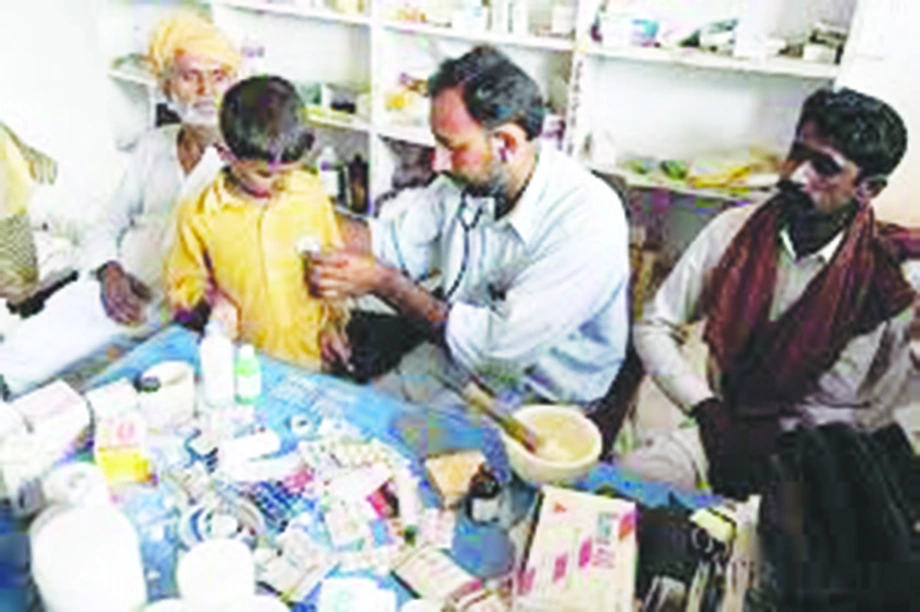
Patients and healthcare providers in Pakistan frequently view injections as stronger and more effective than medicines taken by mouth. People request injections for themselves and their children because they expect quicker relief. Private practitioners can also earn additional income by prescribing injections, creating a financial reason to administer shots that may be unnecessary.
Government hospitals face another pressure: shortages. Medicines and supplies are distributed through quota systems overseen by superintendents, with fixed quantities expected to last an entire month. When supplies run short, pressure to cut costs can encourage dangerous reuse.
At THQ Taunsa, investigators found basic supplies missing from wards. Patients who could afford liquid paracetamol were told to bring their own. The situation placed some of the cost of treatment directly on families seeking care at a public hospital.
A nurse described the close accounting of medicine supplies:
they make us account for every little bit of medicine.
The demand for injections, income from administering them and limits on hospital supplies all help explain why unsafe practices can persist. Each involves a different pressure, but their effects meet at the moment a worker prepares medicine for a patient.
Closures, Regulation and Proposed Safeguards
The Punjab government said it had sealed 175 centers run by unlicensed practitioners in Taunsa. Unlicensed medical practice, often called quackery, remained widespread in both urban and rural areas.
The reopening of unauthorized clinics after the Ratodero outbreak showed the difficulty of keeping such facilities closed. Enforcement needs to last beyond the first response to a crisis if patients are to encounter different conditions when they return for treatment.
Dr Rafiq Khanani, president of the Infectious Diseases Society of Pakistan, described the weakness of regulatory oversight:
regulatory departments exist only on documents and in offices. Practically, they are ineffective.
Recommendations described in the investigation included mandatory use of auto-disable syringes, which cannot be reused. Other proposals included extending outpatient hours at government clinics to reduce reliance on unlicensed private practitioners and helping communities question unsafe practices.
Those measures address different parts of the problem. Syringes designed to prevent reuse target equipment safety. Longer clinic hours address access to regulated care. Giving patients and parents the confidence to question unsafe handling addresses what happens during treatment itself.
Families Face Treatment Costs and Isolation
Asma is losing weight and faces a lifetime of antiretroviral treatment, the medicines used to control HIV. Her illness has also brought social isolation. Neighbors often stop their children from playing with her because of the stigma surrounding the virus.
Asma struggles to understand why her life has changed. She asks her mother:
what is wrong with me
At Mohammed Amin's grave, she said she missed her brother and believed he was with God. Despite her illness, she works hard at school and wants to become a doctor.
Families in Taunsa also face journeys to distant cities for specialized HIV medicines for children that are unavailable locally. Each trip can cost thousands of rupees, adding transport expenses to an already demanding course of care.
One father said he had spent all his savings trying to save his son. Describing the financial pressure, he explained:
My debt has piled manifold, cattle sold to bear expenditures of X-Ray, ultra-sound, blood transfusion
His family had never imagined facing such a tragedy. For households already living in poverty, selling livestock and taking on debt means the cost of illness reaches far beyond a hospital visit.
Taunsa's children are living with the consequences while administrators dispute responsibility and authorities point to several possible routes of infection. The immediate needs are concrete: safe medical care, access to treatment, relief from crushing expenses and answers about how children became infected in a system intended to protect them.
What to Know
- 331 children in Taunsa tested positive for HIV between November 2024 and October 2025; contaminated needles were identified as the transmission source in more than half of the cases.
- Undercover filming at THQ Taunsa documented ten instances of syringe reuse involving multi-dose vials and 66 injections without sterile gloves.
- An April 2025 joint inspection found unsafe injections, reused IV fluids, missing pediatric medicines and neglected hand hygiene.
- Hospital leaders disputed responsibility or challenged the footage, while Punjab authorities said the hospital had not been conclusively established as the outbreak's source.
- A Karachi outbreak involved 84 cases, and the federal health minister attributed it to contaminated syringe reuse.
- Pakistan recorded more than 10,000 confirmed new HIV infections in the first nine months of 2025; higher figures for the year's end were projections.
- Proposed safeguards included syringes that cannot be reused, longer outpatient hours and support for communities to question unsafe care.
- Affected families face lifelong treatment needs, travel expenses, debt and social isolation.