Royal Arrival Amidst Energy Uncertainty
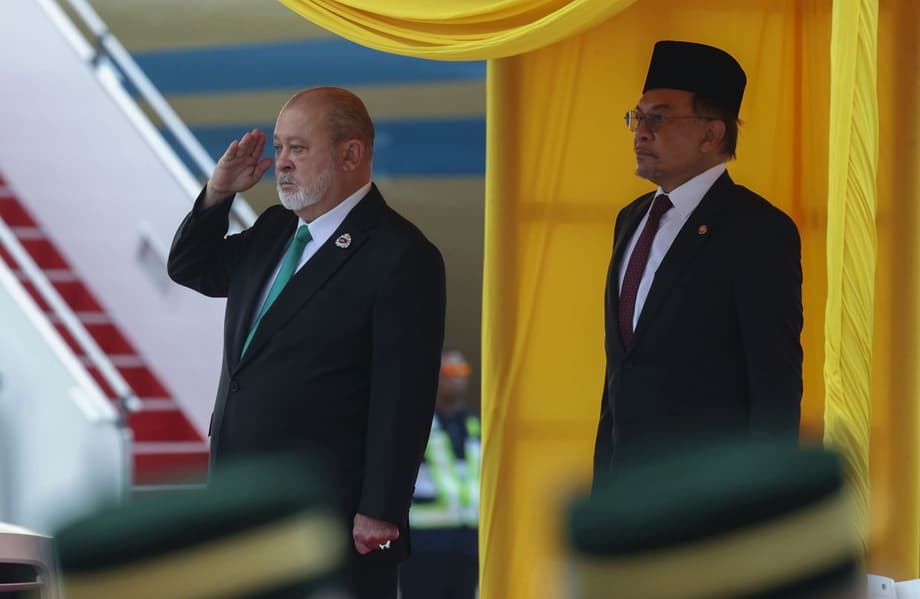
Malaysian King Sultan Ibrahim Iskandar touched down at Moscow’s Vnukovo-2 International Airport on Thursday afternoon, marking the start of a high-profile visit that blends ceremonial pomp with urgent economic necessity. The monarch landed at 4:20pm local time to a reception that included Russian Deputy Foreign Minister Andrey Rudenko, senior protocol officials, and Malaysia’s ambassador to Russia, Datuk Cheong Loon Lai. While the king’s presence in the Russian capital serves as a powerful symbol of diplomatic friendship, the timing of this royal mission could hardly be more consequential for Kuala Lumpur’s energy security.
The visit comes as Malaysia confronts a fuel crisis triggered by the ongoing conflict involving Iran, which has severely disrupted shipments through the Strait of Hormuz. This narrow waterway serves as the primary artery for global oil and gas trade, and its partial closure has sent governments across Asia scrambling to secure alternative energy supplies. With domestic fuel supplies under pressure and inflation threatening to spike, Prime Minister Anwar Ibrahim has dispatched his national oil company to negotiate with Russian suppliers, transforming this royal visit into a potential catalyst for a major energy deal.
Sultan Ibrahim’s journey represents more than a routine diplomatic courtesy. As guest of honour for Russia’s May 9 Victory Day celebrations, he occupies a position of considerable prestige at an event commemorating Russia’s World War II victory over Nazi Germany. President Vladimir Putin’s personal invitation signals Moscow’s high regard for Malaysian relations, while the king’s acceptance demonstrates Kuala Lumpur’s willingness to maintain robust ties despite Western pressure to isolate Russia over its actions in Ukraine.
Putin’s Invitation and Royal Diplomacy
The Victory Day celebrations on May 9 mark one of Russia’s most significant national commemorations, remembering the Soviet victory over Nazi Germany in 1945. By inviting Sultan Ibrahim as guest of honour, Putin extends diplomatic recognition that places Malaysia among Russia’s privileged partners. This royal visit follows a historic precedent set last August when the king became the first Malaysian head of state to conduct a state visit to Russia since diplomatic relations were established in 1967.
That earlier visit included a warm reception at St Petersburg’s Hermitage Museum, where Putin personally welcomed the monarch. The museum, established in 1755 and housing over three million works of art, provided a cultured backdrop for discussions about bilateral cooperation. The king also toured the Smolny Complex, an administrative centre built in 1937, where he met with Governor Alexander Beglov and viewed presentations about Russia’s second-largest city.
Russian Ambassador to Malaysia, Naiyl Latypov, described 2025 as a watershed year for bilateral relations. Reflecting on the previous high-level visits, he offered an assessment of the diplomatic progress.
“Both of these visits were very fruitful for our relations. No agreements or MoUs were signed, but they laid a very solid base for further development. Now we have very good opportunities to develop our relations and to sign MoUs in different spheres.”
Why the Strait of Hormuz Matters
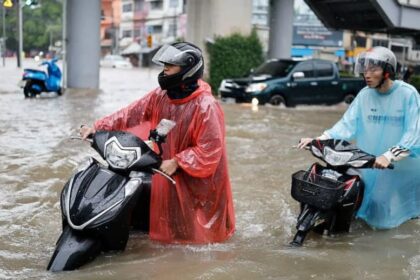
To understand the urgency behind Sultan Ibrahim’s visit, one must look at the Strait of Hormuz, a narrow channel between Iran and Oman through which approximately one-fifth of global petroleum shipments pass. When conflict erupted involving Iran, this chokepoint became a flashpoint, with disruptions preventing tankers from moving through the waterway. The blockade has now lasted almost two months, creating supply shortages that threaten economies from Tokyo to Melbourne.
Malaysia found itself particularly exposed despite being a petroleum producer. The country’s refining capabilities require specific crude grades that often come from Middle Eastern suppliers. When those shipments stalled, Petronas faced the prospect of production slowdowns at facilities like the Pengerang Integrated Complex, which requires consistent feedstock to operate. Prime Minister Anwar revealed that while diplomatic efforts secured passage for some Malaysian vessels early in the crisis, several tankers still face delays and damage issues.
The crisis has created a domino effect across the Asia-Pacific region. Australia, which relies on Malaysia for 14 percent of its diesel and 10 percent of its petrol, sent Prime Minister Anthony Albanese to Kuala Lumpur on an emergency fuel security mission. Similarly, countries like the Philippines and Thailand express growing anxiety about continued fuel access. Anthony Patten, head of energy at Herbert Smith Freehills, observed the growing anxiety among regional powers. He warned that the situation risks degenerating into a regional competition for limited supplies where wealthier nations outbid poorer ones for available cargoes.
“There’s definitely concern in the Philippines around continued access to fuel, and similarly, I think in Thailand as well. I’m hoping it doesn’t turn into that sort of regional survival of the fittest.”
Petronas Turns East for Supply Security
Faced with the prospect of domestic fuel shortages, Anwar Ibrahim announced last month that Petronas would enter negotiations with Russian suppliers to purchase crude oil. The decision reflects both necessity and opportunity. While Western nations maintain sanctions against Russian energy exports following the invasion of Ukraine, Malaysia has preserved diplomatic and commercial ties with Moscow, giving Kuala Lumpur access to supply sources that European and American companies cannot touch.
Speaking at the opening of the Sultan Ismail Petra Airport terminal in Pengkalan Chepa on April 18, Anwar noted the irony that Western countries previously imposing sanctions now compete aggressively for available oil supplies. He stressed that Malaysia’s ongoing good relations with Russia allow Petronas teams to negotiate without the political constraints facing other buyers.
“Fortunately, our relations with Russia remain good. Therefore, the PETRONAS team can negotiate with them.”
The prime minister has made clear that securing domestic requirements takes absolute priority, though he suggested Malaysia might assist friendly nations if surplus supplies become available.
The proposed deal represents a significant shift in procurement strategy. Historically, Malaysia has relied heavily on Middle Eastern crude to supplement domestic production. By diversifying toward Russian supplies, Petronas reduces dependence on Hormuz-route shipments while potentially securing favourable pricing from a supplier eager to maintain Asian markets. Russian energy firms have already conducted what Ambassador Latypov describes as productive and promising discussions with Malaysian counterparts regarding liquefied natural gas and petroleum supply arrangements.
Nuclear Energy and Broader Commercial Ties
The relationship between Kuala Lumpur and Moscow extends far beyond immediate oil needs. Russia has positioned itself as a comprehensive energy partner, offering cooperation in electrical infrastructure, renewable energy technologies, and ambitious proposals for nuclear power development. This diversification reflects a strategic bet that Malaysia represents a long-term anchor for Russian exports in Southeast Asia.
Trade volumes have already responded to this diplomatic warming, with bilateral commerce increasing by 30 percent to approximately $3.2 billion over the past year. Ambassador Latypov openly admits dissatisfaction with these figures, suggesting that Russian businesses see far greater potential in Malaysian markets. Several Russian companies have emerged as industry leaders in solar panel manufacturing and hydroelectric equipment, technologies that align with Malaysia’s renewable energy goals.
Perhaps the most consequential proposal involves nuclear power. As Malaysia studies long-term atomic energy development to meet carbon reduction targets and baseload power requirements, Russia has offered comprehensive cooperation ranging from large-scale reactors to small modular reactors and floating nuclear platforms. Such collaboration would involve Malaysian shipyards in Sabah and Sarawak, creating local employment while transferring technical expertise. Latypov emphasizes that Russia possesses extensive experience in civilian nuclear programmes and stands ready to assist with legislation, regulatory frameworks, and public communication to address safety concerns.
However, Western sanctions create structural complications. Approximately eleven Malaysian companies currently operate under Western sanctions restrictions, complicating financial transactions and technology transfers. Both governments navigate these obstacles carefully, seeking mutually beneficial arrangements that avoid exposing Malaysian businesses to secondary sanctions while allowing commercial cooperation to proceed.
Regional Allies Face Common Pressures
The fuel crisis has forced uncomfortable choices across the Asia-Pacific region. In Australia, Prime Minister Anthony Albanese cut short his Malaysian visit to rush home after a fire damaged the Viva Energy refinery in Geelong, which produces a significant portion of the nation’s petrol. The incident highlighted vulnerabilities in fuel security that diplomatic missions attempt to address through emergency purchases.
During his Kuala Lumpur stop, Albanese secured commitments for additional diesel supplies while emphasizing a no surprises policy regarding energy trade. Malaysia assured its Australian counterpart that domestic requirements would take precedence, but that excess production would flow to traditional customers. In return, Australia pledged continued liquefied natural gas shipments to Malaysia, which relies almost entirely on Australian imports for its LNG needs.
The diplomatic choreography reveals complex interdependencies. Malaysia imports Russian oil, some of which potentially reaches Australian markets, creating a three-way relationship that tests the limits of Western sanctions regimes. Similarly, Australia sources fuel from Brunei despite concerns about that nation’s human rights record, illustrating how energy security temporarily overrides other foreign policy considerations. As the Iran conflict continues with no diplomatic resolution in sight, these compromises may become more frequent, reshaping regional alliances based on resource access rather than traditional political alignment.
Key Points
- Sultan Ibrahim arrived in Moscow on Thursday as guest of honour for Russia’s May 9 Victory Day celebrations, invited by President Putin.
- The visit coincides with negotiations between Petronas and Russian suppliers to secure crude oil supplies disrupted by the Iran war and Strait of Hormuz blockade.
- Malaysia faces fuel shortages after Middle East shipments stalled, threatening operations at refining facilities including the Pengerang Integrated Complex.
- Prime Minister Anwar Ibrahim confirmed Malaysia maintains good relations with Russia, allowing energy negotiations impossible for Western sanctioning nations.
- Bilateral trade between Malaysia and Russia has increased 30 percent to $3.2 billion, with discussions expanding to include nuclear energy cooperation.
- Australia and other regional allies are also scrambling for fuel supplies, with Prime Minister Albanese securing emergency diesel shipments from Malaysia and Brunei.
- The crisis highlights growing energy interdependence in Asia-Pacific, with countries prioritizing supply security over traditional diplomatic alignments.