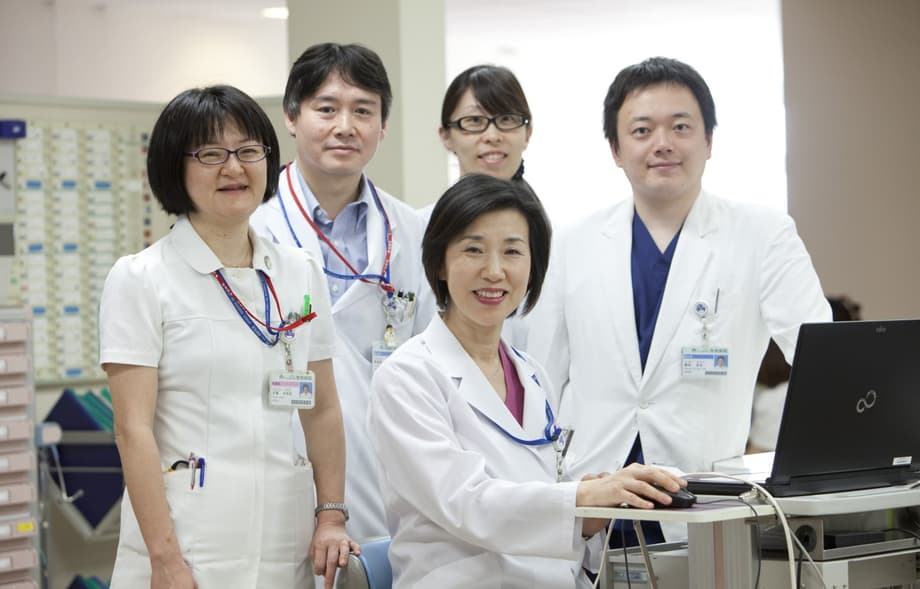
A Radical Reversal in Health Workforce Planning
The Japanese Finance Ministry has proposed a drastic reduction in medical school enrollment quotas, marking a significant shift in the nation’s health workforce strategy. At a meeting of the Fiscal System Council, an advisory panel to the finance minister, officials warned that Japan faces an impending surplus of physicians as the country’s population continues its downward trajectory. The ministry projects that the supply-demand balance for doctors will reach equilibrium between 2029 and 2032, after which the nation will almost certainly face an oversupply of medical professionals.
Currently, Japan’s medical schools maintain an overall enrollment capacity of approximately 9,000 students annually. According to ministry calculations, if this capacity remains unchanged, the number of doctors per 100,000 people will surge from 274 in 2022 to 340 by 2040. This increase comes despite expectations that demand for medical services will actually decline due to the shrinking population and improving efficiency in healthcare delivery.
“Reducing medical school enrollment quotas is an urgent issue from the viewpoint of the optimal allocation of scarce human resources in society,” stated a member of the Fiscal System Council during the meeting. The official emphasized that such reductions would be key to optimizing medical costs in an era of fiscal constraint.
From Shortage Fears to Surplus Warnings
The proposal represents a dramatic reversal from policy directions just two decades ago. In 2007, responding to severe physician shortages that plagued rural areas and strained hospital systems, the Japanese government increased the maximum medical school enrollment quota from 7,625 to 8,828. At that time, Japan ranked near the bottom among OECD nations in physicians per capita, with approximately 2.4 doctors per 1,000 people compared to the OECD average.
Yet even with previous expansion efforts, Japan has struggled with what health economists call “physician maldistribution” – a concentration of doctors in urban centers while rural regions face chronic shortages. The specialties most affected have historically included obstetrics, pediatrics, emergency medicine, and surgery, where long hours and high stress have deterred new graduates.
The new projections suggest that while overall numbers will soon exceed requirements, structural imbalances may persist. The ministry noted that an oversupply appears inevitable because the supply of doctors cannot decrease significantly before fiscal 2032, when those who enrolled this April will complete their training and enter the workforce.
The Regional Quota Dilemma
Complicating the enrollment debate is Japan’s regional quota system, a specialized admission pathway designed to address persistent rural doctor shortages. Introduced by the Ministry of Health, Labour and Welfare, this system allows medical schools to reserve seats for applicants who commit to practicing in designated regional areas after graduation.
Research conducted at Asahikawa Medical University reveals the complexity of these admission pathways. A decade-long study analyzing students enrolled between 2010 and 2019 found that regional quota students, admitted through Admission Office examinations (AO-EXAM) and recommendation-based processes (REC-EXAM), actually achieved higher cumulative grade point averages than students admitted through traditional general examinations, despite scoring lower on standardized entrance tests.
The proportion of medical students entering through regional quota admissions has increased substantially, rising from 5.2 percent in 2008 to 18.2 percent in 2020. These students are specifically intended to address the maldistribution problem that national enrollment totals cannot resolve. Even with an overall surplus of doctors projected, rural communities may continue facing shortages if new physicians cluster in urban centers.
Regional quota students proved to perform academically better than general admission students, although their academic skills were lower on the National Center Test, without being assessed by university-specific subject tests.
The study concluded that enhanced utilization of regional quota admissions could serve as an effective strategy to maintain the rural physician workforce, even as overall enrollment caps tighten.
Gender, Working Conditions, and Historical Context
The enrollment reduction proposal emerges against a backdrop of persistent gender discrimination within Japanese medical education. In 2018, Tokyo Medical University admitted to systematically tampering with entrance examination scores for at least a decade to suppress female admissions to approximately 30 percent of the student body. University officials justified the practice by claiming that women were more likely to leave the profession for marriage or childbirth, causing staffing shortages at affiliated hospitals.
The scandal, which resulted in government subsidy cuts to multiple institutions, exposed deeper issues regarding working conditions in Japanese healthcare. Physicians in Japan routinely work 54 to 63 hours weekly, with significant portions working more than 60 hours. Studies have linked these punishing schedules to high rates of depression among residents, with those working 100 hours weekly showing nearly seven times higher risk of developing clinically significant depressive symptoms compared to those working fewer hours.
Research published in the Asia-Pacific Journal suggests that gender diversity in medicine correlates with improved patient outcomes. One study of hospitalized Medicare beneficiaries found that elderly patients treated by female internists had lower mortality and readmission rates compared to those cared for by male physicians, estimating that approximately 32,000 fewer patients would die annually if male physicians achieved the same outcomes as their female colleagues.
These findings present a tension with the Finance Ministry’s cost-cutting goals. While reducing enrollment may optimize fiscal expenditures, it could further strain a workforce already suffering from burnout and karoshi (death from overwork), particularly if distribution patterns fail to address regional needs.
International Contrasts: South Korea’s Crisis
Japan’s proposed enrollment cuts stand in stark contrast to the medical education crisis unfolding in neighboring South Korea, where the government has faced fierce resistance over plans to increase medical school admission quotas. While Japan anticipates surplus, South Korea has grappled with severe physician shortages that prompted the Yoon Suk Yeol administration to propose adding over 5,000 medical school seats, later scaled back to approximately 3,058.
The South Korean proposal triggered a yearlong standoff between the government and medical professionals, resulting in mass resignations and class boycotts by medical students. In May 2025, the South Korean Ministry of Education announced that 8,305 students – about 43 percent of all medical students at the nation’s 40 medical schools – would receive failing grades for refusing to return to classes, with 46 facing expulsion.
This divergence highlights how demographic and healthcare system differences shape workforce planning. While Japan’s rapidly aging and declining population reduces overall demand, South Korea faces acute shortages in essential specialties and rural areas similar to those Japan experienced two decades ago.
Broader Higher Education Trends
The proposed medical school contraction contrasts with broader trends in Japanese higher education, where general universities are aggressively seeking to expand enrollment to counteract the effects of population decline. The government has proposed making university tuition-free for students from families with three or more children, regardless of income, starting in fiscal 2025. This policy aims to mitigate demographic drops that threaten the survival of smaller regional universities.
Simultaneously, prestigious Japanese institutions have launched initiatives to attract international researchers and students facing uncertainty in the United States, with at least 87 universities earmarking new budgets to host foreign scholars. Tohoku University alone has committed to investing 30 billion yen over five years to hire 500 researchers seeking to leave the US amid funding cuts.
These contrasting approaches – expanding general and international enrollment while constraining domestic medical training – reflect the complex calculus of preparing for a future with fewer young people but increasing healthcare demands from an aging population.
Key Points
- Japan’s Finance Ministry proposes cutting medical school enrollment from approximately 9,000 students annually to prevent projected doctor oversupply by 2029-2032
- Projections indicate doctors per 100,000 population will rise from 274 (2022) to 340 (2040) if current enrollment continues
- The proposal reverses 2007 policy that increased quotas to address physician shortages, particularly in rural areas
- Regional quota admissions, which reserve seats for students committed to rural practice, may be retained despite overall cuts
- Historical gender discrimination scandals and severe overwork conditions complicate workforce planning efforts
- While Japan plans cuts, South Korea faces crisis over attempts to increase medical school admissions, with thousands of students flunked for protesting expansion
- General Japanese universities are expanding international recruitment and offering free tuition for large families to counter population decline