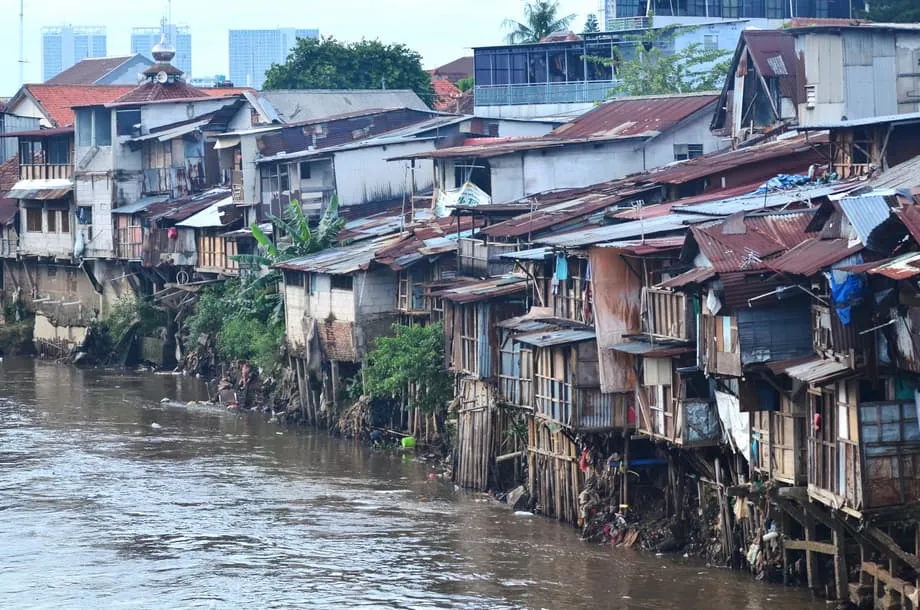
Five Administrative Cities Join the Removal Campaign
Jakarta Governor Pramono Anung has ordered a coordinated campaign against invasive armored catfish that threaten native aquatic life and damage the embankments protecting Indonesia's capital from floods. The operation began on Friday, bringing firefighters, disaster mitigation officers, local officials and volunteers into waterways across all five of Jakarta's administrative cities.
Contents
- Five Administrative Cities Join the Removal Campaign
- How Aquarium Cleaners Spread Into Rivers
- Why Native Fish Are Losing Food and Habitat
- East Jakarta Collects Adults and Eggs
- West Jakarta Pays Rp 25,000 Per Kilogram
- Burrowing Puts Flood Embankments Under Pressure
- Why Captured Fish Are Buried
- Research Examines Collagen From Catfish Skin
- Repeated Removal and Prevention Are Both Needed
- Key Points
In East Jakarta, roughly 150 personnel working along the Ciliwung River in Kramat Jati collected about 200 kilograms of the fish within hours. West Jakarta introduced payments of Rp 25,000, approximately $1.50, for every kilogram caught, with extra rewards for the most productive teams. Together, the operations combine municipal manpower with financial incentives for residents to help remove the invasive population.
The fish are known locally as sapu-sapu, or janitor fish, because aquarium owners use them to consume algae and detritus, the loose organic material that collects in tanks. Scientifically identified as Hypostomus plecostomus, these suckermouth catfish belong to the Loricariidae family. Their usefulness in an aquarium has become a serious problem in Jakarta's rivers and canals.
Officials describe Friday's deployment as the start of a sustained campaign, with regular collection and monitoring intended to reduce breeding populations and prevent them from becoming established again. Earlier removals from the Ciliwung River were insufficient against fish that reproduce rapidly, can grow to 50 centimeters and may live for 10 to 15 years.
The campaign is an unusually aggressive municipal response to an invasive species in Southeast Asia. Its urgency comes from two connected concerns: the loss of native freshwater life and physical damage to flood control infrastructure in a low lying coastal city.
How Aquarium Cleaners Spread Into Rivers
Janitor fish are native to South American river systems across Brazil, Venezuela and the Rio de la Plata basin. They reached Indonesian waters through the global aquarium trade, where their ability to remove algae and organic debris made them attractive to hobbyists seeking to reduce tank maintenance.
Pet owners can introduce the fish into natural waterways deliberately when the animals outgrow their aquariums. Flooding can also release them accidentally. Once outside a tank, the same feeding habits that made them useful to an owner allow them to exploit food in rivers and canals.
A fish capable of reaching 50 centimeters and surviving for 10 to 15 years can become difficult to keep in a standard home aquarium. That combination of size and longevity helps explain why owners release them, while their resilience helps them survive after release.
Jakarta's waterways now contain rapidly expanding populations. The fish are opportunistic omnivores, meaning they eat a range of plant and animal material according to what is available. Their diet includes algae, aquatic plants, invertebrates and the eggs of native fish.
Their armored bodies make them difficult prey for native animals that might otherwise limit their numbers. Their nighttime activity also complicates collection: fish can remain hidden during the daylight hours when removal teams are working. Capturing visible adults is therefore only part of the task, with breeding sites and eggs also requiring attention.
Why Native Fish Are Losing Food and Habitat
Environmental experts have warned that janitor fish destabilize freshwater ecosystems through both their feeding and their physical behavior. Eating native fish eggs directly reduces opportunities for local species to reproduce, while consuming shared food supplies puts surviving fish under further pressure.
Algae and detritus normally support native invertebrates, the small animals without backbones that form an important part of the river food web. When invasive catfish consume these resources, less food remains for those animals. Larger native fish then have fewer small creatures to eat.
This disruption starts near the foundation of the food web and spreads upward. It can reduce the food available to native fish that local people also rely on as dietary staples. The damage therefore reaches beyond the invading fish and the species they eat directly.
Jakarta also faces the loss of biodiversity, or the variety of living things in its waterways. A river with fewer native species has less ecological resilience, meaning less ability to cope with disturbance. The resulting changes leave waterways more susceptible to pollution and less capable of natural self purification.
The fish add physical damage to this pressure on native life. Their burrowing disturbs riverbanks and embankments, connecting the ecological problem to the city's need to contain high water. Authorities are treating the invasion as an environmental and public safety concern rather than simply an unwanted aquarium species living in the wild.
East Jakarta Collects Adults and Eggs
East Jakarta Mayor Munjirin personally led approximately 150 personnel in the Ciliwung River operation at Kramat Jati. Teams worked through the waterway with nets, collecting mature fish as well as recently laid eggs. Their catch reached approximately 200 kilograms within hours.
East Jakarta's deployment covered 10 locations, with one site in each district. Collections from the nine locations beyond the Kramat Jati operation were still being tallied, so the 200 kilogram figure represented the catch from that single location.
Munjirin explained how the governor's instruction was being carried out across East Jakarta:
Following the governor's instruction, we are conducting operations across 10 locations in East Jakarta, one in each district.
Collecting eggs alongside mature fish gives the campaign two immediate targets: animals already feeding and burrowing in the river, and the next generation developing there. Officials intend to repeat the operations regularly, gradually reducing the breeding population while addressing fish that remain or arrive through new releases.
The broader citywide mobilization involved hundreds of personnel working simultaneously across North, South, East, West and Central Jakarta. Firefighters and disaster mitigation officers joined local government teams and volunteers, reflecting the overlap between restoring river health and protecting flood defenses.
West Jakarta Pays Rp 25,000 Per Kilogram
West Jakarta Mayor Iin Mutmainnah introduced a payment of Rp 25,000, approximately $1.50, for each kilogram of janitor fish collected. The incentive applies to participating teams and individual collectors, with additional rewards for the teams producing the largest catches.
The payment makes removal an economic opportunity for residents while supporting the city's environmental work. Officials hope that municipal resources combined with community participation will produce enough sustained collection to reduce the population despite its reproductive capacity.
In Cengkareng, joint teams swept river channels using specialized nets and collected approximately 20 kilograms in less than two hours. The fish measured between 20 and 30 centimeters. At the stated rate, a catch of 20 kilograms corresponds to Rp 500,000 before any additional team reward.
Operations also took place in Central Jakarta waterways near Plaza Indonesia, in Kelapa Gading and at Setu Babakan. Pramono described coordination across all five administrative cities as a demonstration of the administration's commitment to restoring the environment.
Working simultaneously across districts prevented fish from simply moving from areas being cleared into sections left untouched during the operation. The locations also show the breadth of the challenge: the campaign reaches the Ciliwung River, river channels in Cengkareng and other waterways spread across the capital.
Burrowing Puts Flood Embankments Under Pressure
Janitor fish create protected places for their eggs by burrowing into mud and sediment along riverbanks. Those holes weaken earthen embankments, which Jakarta relies on to help keep rising water within rivers and channels.
The capital already faces seasonal flooding and increasingly severe water events associated with climate conditions. Damage to its embankments adds another pressure by worsening erosion and reducing the ability of those barriers to contain high water volumes during monsoon seasons.
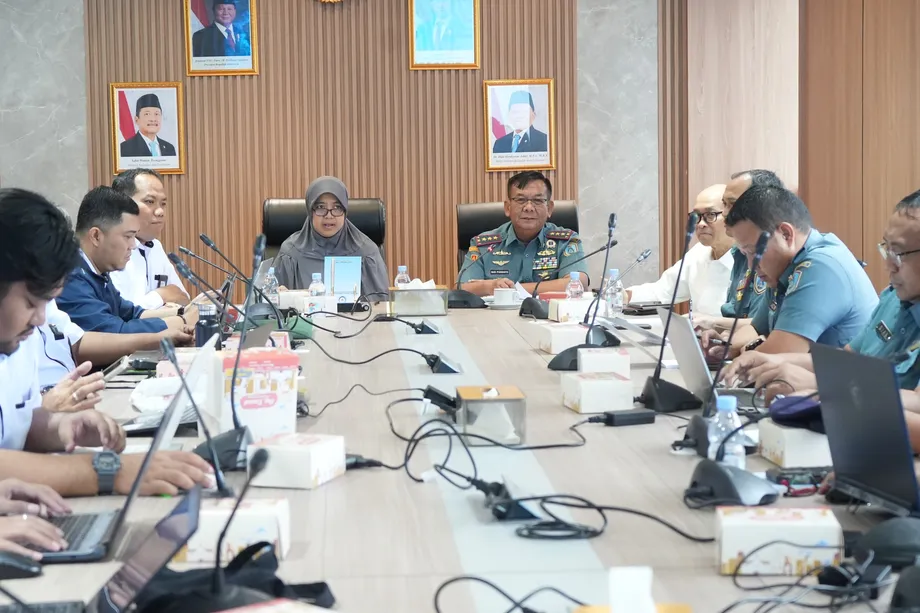
Governor Pramono discussed these dangers at a special coordination meeting earlier in the week. He brought together Jakarta's mayors, except those from the Thousand Islands district, to organize the crackdown. Explaining why the fish had become a concern, he said:
This fish comes from South America, is very resilient, and has become a predator for local fish. It consumes their food supply and damages embankments by burrowing.
Weakened riverbanks and declining aquatic life create a combined risk for Jakarta. The environmental damage reduces the health of the waterways, while the structural damage threatens flood barriers serving residential neighborhoods, commercial districts and transportation networks.
Texas in the United States faces similar problems with invasive populations of the same species and has undertaken comparable control efforts. In both places, the aquarium trade has helped a South American fish establish itself far from its native rivers. Its armor limits the ability of native predators to keep its population in check.
Why Captured Fish Are Buried
East Jakarta officials transported captured fish to designated burial sites near the riverbanks and ensured that they were completely buried. The disposal method reflects the species' ability to survive for extended periods outside water, which makes collection alone insufficient to secure its removal.
Authorities bury dead fish as part of the disposal process and use complete interment to prevent resilient specimens from surviving and returning to waterways. Removing fish from a river without reliable disposal would leave the operation unfinished.
Hasudungan A. Sidabalok, head of Jakarta's Food Security, Maritime and Agriculture Agency, said earlier control efforts had focused on the Ciliwung River. Fish collected during those operations were transported to a fisheries inspection and processing facility in Ciganjur for proper disposal.
Those earlier efforts were unable to keep pace with the species' rapid reproduction and longevity, prompting the larger coordinated campaign. The current operation expands the geographical reach of collection and brings more agencies and residents into the work.
The sequence of the response shows how Jakarta moved from earlier river removals to a broader operation:
- Previous efforts targeted the Ciliwung River, with catches taken to the Ciganjur fisheries inspection and processing facility.
- Earlier in the week, Pramono convened Jakarta's mayors, except those from the Thousand Islands district, to coordinate action.
- On Friday, teams began simultaneous removals across the five administrative cities, including 10 locations in East Jakarta.
- Officials have committed to regular removal and monitoring as the campaign continues.
The repeated collections are intended to reduce the breeding stock over time. They also provide opportunities to remove fish missed during an earlier sweep and animals introduced through later aquarium releases.
Research Examines Collagen From Catfish Skin
A 2023 study published on ResearchGate examined whether suckermouth catfish skin could provide collagen, a structural protein with uses in pharmaceutical and cosmetic products. The research suggests a possible way to obtain value from fish that are currently being removed and buried.
Researchers used an acid soluble extraction method and obtained collagen equal to approximately 10% of the skin's wet weight. The extracted material was off white, had a strong acetic acid odor and showed functional properties comparable to established commercial sources.
The study recorded hydroxyproline content of 1.6%. Hydroxyproline is used as an indicator when assessing collagen quality for industrial use. Other measurements included viscosity of 0.6 millipascal seconds and a pH of 5.51, values described as falling within acceptable parameters for pharmaceutical applications. Viscosity describes how readily a substance flows, while pH measures how acidic or alkaline it is.
Heavy metal testing found concentrations within safe limits for cosmetic and medical use. The measurements were comparable to those recorded in previous studies involving other fish species, addressing a central safety concern for using the extracted material in such products.
The authors concluded that industrial demand could indirectly support population control by creating stronger economic incentives for extensive removal. For Jakarta, that presents a possible alternative to treating every catch solely as a disposal burden.
Processing facilities similar to the Ciganjur center, equipped to extract collagen for beauty and medical industries, could turn otherwise buried biomass into a useful material. Such processing could potentially raise the value of captured fish beyond West Jakarta's current Rp 25,000 per kilogram payment while giving the campaign a productive disposal route. This remains a research based possibility; officials have not announced a collagen processing program.
Repeated Removal and Prevention Are Both Needed
Jakarta's authorities have framed the operation as the opening phase of a lasting management effort. With invasive fish already established across multiple waterways, a single collection event cannot eliminate the population. Regular monitoring and removal are intended to reduce breeding stocks while addressing new releases.
The campaign brings environmental authorities, disaster mitigation personnel and local government structures into the same effort. Officials hope the coordinated approach can become a model for other Indonesian regions facing similar invasive species problems.
Public education about aquarium ownership is another part of preventing the problem from growing again. Removing fish already in rivers addresses the current invasion, while changing the behavior of owners who release pets addresses how new fish enter those rivers.
The species' potential size of 50 centimeters and lifespan of 10 to 15 years make that message especially relevant. Owners who obtain a small tank cleaner may eventually face an animal that is unsuitable for a standard home aquarium. Understanding the ecological consequences of release is central to preventing another introduction.
Pramono's administration has also indicated that environmental cleanup will expand beyond the janitor fish campaign. Improving river health is a cornerstone of the capital's broader sustainability agenda, and the simultaneous work at Kelapa Gading, Setu Babakan, Cengkareng and the Ciliwung River shows the geographical reach of the current response.
The immediate task is practical: collect adults and eggs, dispose of the catch securely and return regularly. Jakarta's longer effort combines that repeated removal with prevention, while research into collagen offers a possible future use for the material being taken out of its waterways.
Key Points
- Governor Pramono Anung ordered simultaneous janitor fish removals across Jakarta's five administrative cities.
- Approximately 150 personnel at Kramat Jati collected about 200 kilograms from the Ciliwung River; East Jakarta operated at 10 locations.
- West Jakarta offers Rp 25,000, approximately $1.50, per kilogram, plus additional rewards for the most productive teams.
- Cengkareng teams collected about 20 kilograms of fish measuring 20 to 30 centimeters in less than two hours.
- Hypostomus plecostomus can grow to 50 centimeters and live for 10 to 15 years, consuming native fish eggs and competing for food.
- Burrowing damages riverbanks and flood embankments, while captured fish are buried because of their ability to survive outside water.
- A 2023 study obtained collagen equal to about 10% of catfish skin's wet weight, suggesting a possible industrial use for removed fish.
- Officials plan repeated removal and monitoring, alongside efforts to prevent further aquarium releases.