Flames approach caves holding early human art
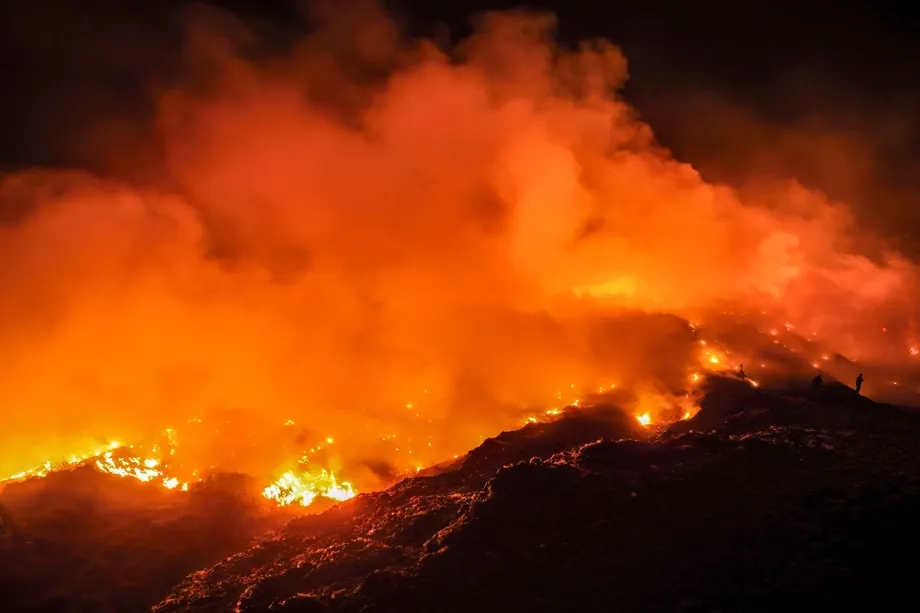
Wildfires came within 800 metres of a cave containing prehistoric paintings in Indonesia's Maros-Pangkep region, while more than 270 hectares of the surrounding national park burned between September 30 and October 18, firefighter Muhammad Ikfar said. Researchers warn that heat and smoke could accelerate damage to artwork that has survived for tens of thousands of years.
Contents
The fires threaten a landscape in South Sulawesi where researchers from Australia's Griffith University dated a painting of figures resembling humans interacting with a pig to at least 51,200 years ago. Elsewhere in the wider Sulawesi region, a reddish hand stencil on Muna Island has been dated to at least 67,800 years ago and described as the oldest reliably dated cave painting discovered so far.
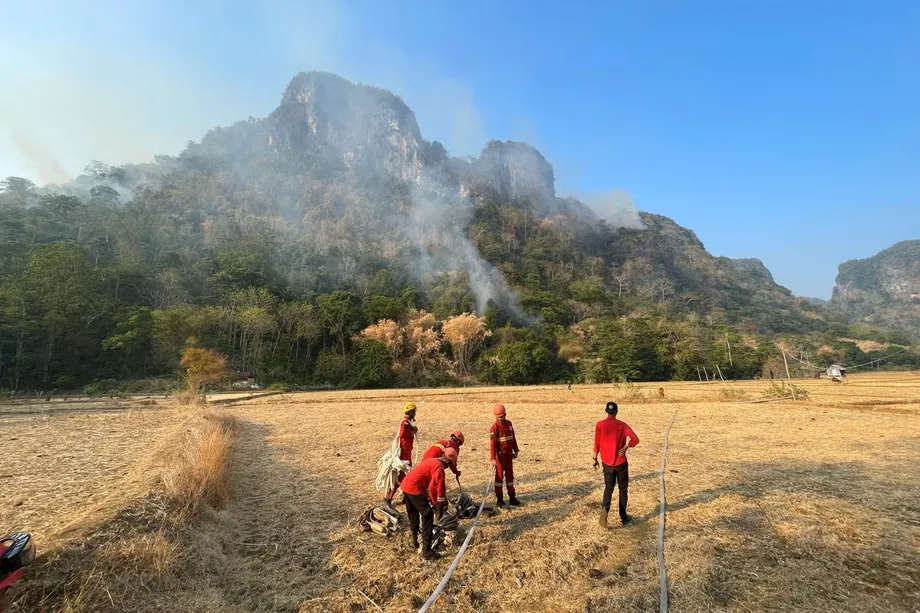
Ikfar said fires burned near the Maros-Pangkep site for more than a week earlier in October. Smoke drifted across the limestone formations around the cave as firefighters worked to contain the flames. His account, described on October 23, 2026, placed an immediate threat to archaeological heritage within Indonesia's wider fire emergency.
Indonesia is experiencing its most intense forest and land fires since 2015, with severe El Niño conditions bringing higher temperatures and less rain. Sumatra and Borneo have been hit hardest, but fires have also spread into South Sulawesi's protected landscapes.
Heat can reach beyond the flames
Basran Burhan, an archaeologist at Griffith University, identified heat as the most destructive immediate danger to the paintings. He explained that changes in the temperature around the artwork could speed up its deterioration even while flames remained outside the caves.
"The first and most destructive effect is the heat. Even without direct fire touching the paintings, it could ruin them because it changes the temperature around the paintings and accelerates the process of corrosion," said Burhan.
Limestone provides the surface on which these ancient images survive. When rock heats up, it expands; when it cools, it contracts. Strong or repeated temperature changes can create stress, contributing to small fractures and the peeling of surface layers. If a painted layer flakes away, part of the image can disappear with it.
Researchers are also concerned about changes in the caves' microclimates, meaning the temperature and moisture conditions immediately around the paintings. Those local conditions matter because the artwork is part of an exposed rock surface rather than an object that can simply be moved away from danger.
Temperature and humidity changes can affect salts within the limestone. When salts crystallise, they can push against the surrounding rock and help break its surface apart. This process, called haloclasty, offers another way that changing conditions can threaten painted layers.
Smoke threatens the visibility of the images
Smoke carries a different danger: particles can settle on the paintings and conceal their shapes. Burhan warned that soot could leave the images increasingly difficult to recognise.
"They create soot on the paintings and cover them, so that the paintings will become blurred and difficult to identify," he said.
Fine particles and chemical residues carried by smoke may enter cave spaces and settle on painted walls. In humid conditions, those deposits can cling to the surface and darken or discolour the images. Removing contamination from fragile ancient artwork can itself be difficult because the original pigment and the rock beneath it need protection.
Heat and smoke therefore present two connected conservation problems. Heat can affect the physical surface carrying the art, while soot can obscure the marks that researchers need to examine. Keeping flames away from a cave entrance addresses only part of that danger.
Different paintings, different places
Maros-Pangkep and Muna Island contain distinct discoveries. The nearby fire activity described by Ikfar concerns Maros-Pangkep in South Sulawesi. The hand stencil dated to at least 67,800 years ago is on Muna Island, off Sulawesi, rather than in the cave approached by those flames.
The Maros-Pangkep painting dated to at least 51,200 years ago depicts figures resembling humans interacting with a pig. A description of the scene includes a figure combining human and animal characteristics, known as a therianthrope. Such images give researchers material evidence of how people represented living beings in the distant past.
Another discovery, at Leang Tedongnge in South Sulawesi, is a painting of a Sulawesi warty pig dated to approximately 45,500 years ago. Together, these sites show that the region's archaeological importance extends across several caves and different forms of imagery.
The minimum age given for the Muna hand stencil is 16,600 years greater than the minimum age of the Maros-Pangkep scene, using the figures of 67,800 and 51,200 years. Both dates are expressed as minimum ages, so the paintings could be older. Protecting these places preserves separate pieces of a much longer record of human creativity.
A fire emergency across the protected landscape
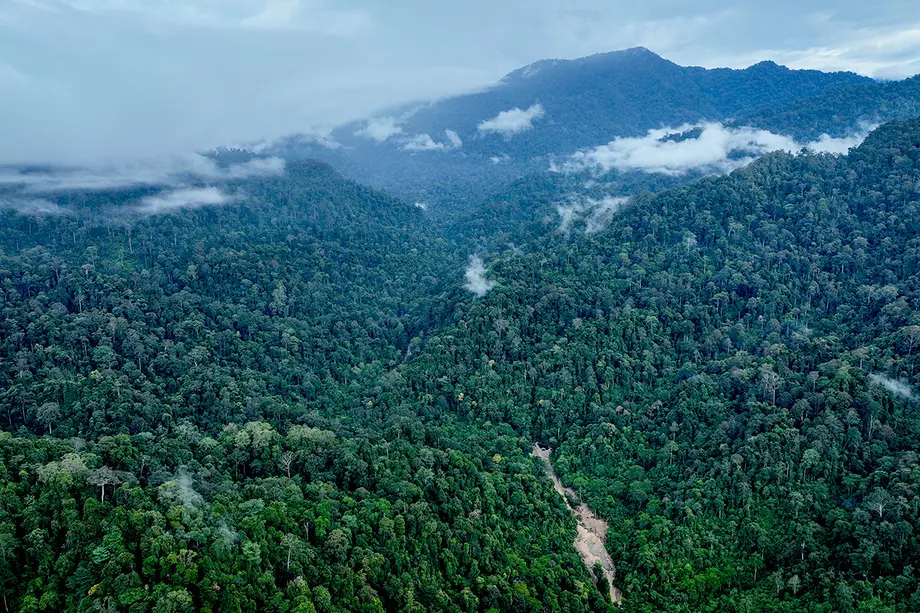
Maros-Pangkep's caves sit within a landscape of limestone formations associated with a national park and UNESCO Global Geopark. This terrain, known as karst, contains the caves that shelter the paintings. Fire spreading through the surrounding vegetation can bring heat and smoke close to those rock shelters.
Ikfar's account sets out how the local emergency developed:
- September 30 to October 18: More than 270 hectares of the national park burned.
- Earlier in October: Fires burned near the Maros-Pangkep cave for more than a week and approached within 800 metres.
- Thursday and Friday around the October 23 account: Firefighters continued tackling fires elsewhere in the park, with dry conditions and no rain.
The burned area exceeds 2.7 square kilometres, converting the figure of more than 270 hectares. For crews protecting the caves, the task extends beyond a single nearby blaze: fire elsewhere in the park can continue producing smoke and threatening surrounding vegetation.
El Niño is a recurring climate pattern associated with unusually warm water in part of the tropical Pacific Ocean. It can shift rainfall patterns far beyond the ocean itself. In Indonesia, the severe conditions described during this emergency have reduced rainfall and increased heat, leaving forests and peatlands more vulnerable to burning.
Protecting the rock as well as the forest
Businesses clearing land for palm plantations have been implicated in many Indonesian fires. The cause of the fires near the Maros-Pangkep cave has not been identified, and no detailed assessment of damage to the paintings has been announced.
Burhan said his team was mapping the fire's impact on prehistoric sites in Bantimurung Bulusaraung National Park. He called for efforts to extinguish fires both within and outside the park to be accelerated.
Archaeologists working with Griffith University and Indonesia's National Research and Innovation Agency, known as BRIN, have called for firebreaks and increased monitoring around vulnerable sites. Firebreaks are gaps in vegetation intended to interrupt a fire's advance. Monitoring can help teams track approaching flames and changes around the caves.
Containment efforts have included creating lines to slow the spread of fire and using water drops. Firefighters, park rangers and emergency responders face the immediate job of controlling the blazes while the dry weather continues.
On October 19, 2026, Bantimurung Bulusaraung National Park head Abdul Rajab said the fire inside the park had been extinguished the previous afternoon, but hotspots remained outside its boundaries and could allow fire to spread back into the park. Steep karst terrain and water sources depleted by the prolonged drought had hampered firefighting efforts.
Burhan urged rapid action to protect the archaeological record. His warning focused on the possible loss of evidence that has survived across an immense stretch of human history.
If we don't do something about this quick, if there isn't any tactical mitigation efforts for this incident we will lose one of the most amazing evidence of human history in Maros-Pangkep," Burhan said. "And that is a great shame.
Key Points
- Fires approached within 800 metres of a cave containing prehistoric art in Maros-Pangkep, according to firefighter Muhammad Ikfar.
- More than 270 hectares of the national park burned between September 30 and October 18.
- Researchers warn that heat can damage painted rock surfaces while soot can obscure ancient images.
- Maros-Pangkep contains a scene dated to at least 51,200 years ago; the hand stencil dated to at least 67,800 years ago is on Muna Island.
- Archaeologists have called for firebreaks and increased monitoring as crews work to contain fires in the protected landscape.