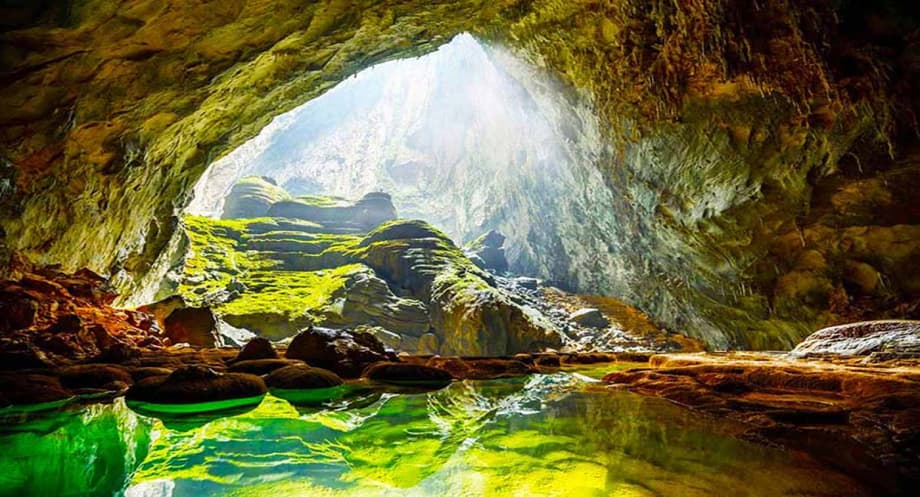
Underground Wonders Emerge in UNESCO Heritage Site
A comprehensive survey of Phong Nha-Ke Bang National Park has revealed 26 previously unknown caves, cementing the region’s reputation as one of the planet’s most significant karst landscapes. The discoveries include Thien Cung Cave, stretching 4,206 meters and representing the longest find of the recent expedition, alongside Cha Ngheo Cave, which houses an exceptionally rare internal waterfall cascading approximately 350 meters into the darkness below.
The findings emerged from a rigorous field operation conducted between March 21 and April 11, when an international team of specialists collaborated with local experts to map these hidden chambers. Located primarily in the central provinces of Quang Binh and Quang Tri, the newly documented systems bring the total number of known caves in the park to more than 425, with several showing immediate potential for controlled tourism development while others remain strictly protected for scientific research.
Among the most significant revelations is the identification of complex hydrological connections between cave systems and surface rivers, offering new insights into the ancient geological processes that carved this landscape over millions of years. Park director Pham Hong Thai announced the results on April 24, noting that these additions provide crucial data for understanding the area’s ongoing geological evolution.
Pham Hong Thai described the importance of the findings during the official announcement:
The discoveries affirm the exceptional value of the area’s cave system. They also add important data for geological and geomorphological research, serving both scientific study and the development of sustainable tourism.
The survey covered multiple areas within the park and its buffer zone, revealing considerable potential for further exploration. Results show the cave system has developed strongly in karst terrain, featuring both deep vertical caves and extensive horizontal networks. These characteristics reinforce the site’s outstanding universal value, recognized by UNESCO under criteria related to geology, geomorphology and biodiversity. The 2026 survey marks a significant step in research, conservation and heritage promotion, opening up new opportunities for sustainable tourism development in the park while maintaining strict protection protocols for the most sensitive environments.
The International Expedition Team
The survey brought together 10 cave experts from the United Kingdom, Australia, New Zealand and Hungary, working under the coordination of the British Vietnam Caving Expedition Team. Howard Limbert, leader of the British Royal Cave Exploration team, led operations that required advanced technical climbing and rope techniques to access previously unreachable chambers.
Local guides and residents from surrounding communes including Kim Dien, Kim Phu and Son Trach provided essential support, sharing intimate knowledge of terrain features that hinted at hidden entrances. This collaboration proved vital in navigating the dense jungle and treacherous karst topography that defines the region’s buffer zones and core protected areas.
The team examined 29 caves total during the three-week operation, with 26 representing entirely new discoveries. Surveyed lengths exceeded 13.6 kilometers collectively, with individual caves ranging from short vertical shafts to extensive horizontal networks stretching several kilometers. Equipment included laser distance measurers, geological sampling tools and underwater mapping gear for the numerous subterranean streams encountered.
Cha Ngheo and the Rare Vertical Waterfall
Standing out among the discoveries, Cha Ngheo Cave presents one of the most challenging environments the expedition encountered. Located in a strictly protected sub-zone of Kim Dien Commune, this 583-meter-long cavern descends vertically to a depth of 751 meters, creating a near-sheer sinkhole entrance that drops 350 meters to the first flat section.
Inside this vertical shaft, a stream fed by forest runoff above plunges the full depth, forming a continuous waterfall rarely observed in cave environments. According to Limbert, the cave ranks among the most difficult he has explored during three decades of international caving operations. Access required extensive bolting, rope work and navigation through slippery, low-light conditions that make the site currently unsuitable for tourism.
Howard Limbert commented on the extreme conditions faced by the team:
It is one of the most challenging caves I have encountered in over three decades of exploration.
The presence of such a substantial internal waterfall carries significant hydrological implications, suggesting active water flow between surface and underground systems. Scientists believe further exploration may reveal connections to larger aquifer networks, though large sections of the cave remain unsurveyed and potentially hazardous.
Thien Cung and Ancient River Systems
In contrast to Cha Ngheo’s vertical complexity, Thien Cung Cave offers extensive horizontal passage spanning 4,206 meters. Located in Sinh Ton Valley, this cavern reaches widths of 80 meters and heights of 100 meters in places, creating vast chambers filled with striking stalactite formations. The survey team identified this cave as particularly significant because it likely represents an ancient flow route of the Hang Toi River, maintaining hydrological links with the Chay River system.
This discovery helps geologists reconstruct the historical drainage patterns of the region, showing how ancient rivers once carved paths through the limestone before changing course or dropping to lower levels. The cave’s dry passages and sediment deposits provide a geological record spanning thousands of years, offering researchers opportunities to study past climate conditions and erosion rates.
Other notable finds include Nuoc Lan Cave, measuring 2,721 meters with evidence of seasonal water flow that creates dynamic conditions throughout the year. Ma Dom Cave extends 1,257 meters with light filtering through entrance shafts to create dramatic bands of illumination inside. Mo Roo Cave, at 515 meters, offers relatively accessible terrain that authorities may develop for controlled adventure tourism.
Geological Significance and Karst Development
Phong Nha-Ke Bang sits atop some of the oldest and most complex karst formations in Asia, with limestone strata dating back approximately 400 million years. The newly discovered caves demonstrate the region’s continued geological activity, showing both deep vertical shafts formed by collapsing ceilings and extensive horizontal networks carved by underground rivers.
These characteristics reinforce the site’s outstanding universal value, recognized by UNESCO under criteria related to geology, geomorphology and biodiversity. The park received World Heritage status in 2003, with an extension in 2015 that acknowledged the broader ecosystem values. Each new cave discovery adds evidence supporting this designation, demonstrating that the karst system remains incompletely mapped even after decades of intensive study.
The survey results contribute specifically to karst hydrology research, documenting how water moves through the limestone matrix to create features like the seasonal flows observed in Nuoc Lan Cave. Understanding these patterns proves essential for protecting both the cave ecosystems and the surface water supplies that local communities depend upon for agriculture and daily use.
Sustainable Tourism and Conservation Balance
While the 26 new discoveries expand the park’s scientific portfolio, they also present opportunities for carefully managed tourism growth. Currently, approximately 50 of the more than 425 known caves remain open to visitors, ranging from easily accessible show caves like Phong Nha and Paradise Cave to exclusive expeditions into Son Doong, recognized as the world’s largest cave.
Authorities have already identified Mo Roo Cave as suitable for adventure tourism development, citing its accessibility and scenic features. However, caves like Cha Ngheo with extreme vertical drops and active waterfalls will likely remain restricted to scientific research only. The survey team recommended improvements to existing infrastructure, specifically suggesting adjustments to lighting systems at the Son Boi Cave cluster to enhance visitor safety while minimizing ecological disruption.
Director Pham Hong Thai emphasized that any tourism expansion must follow strict environmental guidelines. Sustainable models that limit group sizes, require certified guides and restrict access during sensitive seasonal periods offer the best path forward. The challenge lies in allowing public appreciation of these landscapes without compromising the fragile stalactite formations and bat populations that inhabit the darker recesses.
Located in Kim Phu Commune, a chain of three caves with underground streams was recorded behind Ruc Mon Cave, including one suitable for adventure tourism. Nuoc Lan Cave shows seasonal water flow, offering prospects for further karst hydrology research alongside any future visitor access. The expedition covered regions beyond the core zone, including buffer areas where several entrances were located with assistance from local residents.
Park authorities plan to conduct detailed environmental impact assessments before opening any new areas to visitors, ensuring that infrastructure development follows strict sustainability criteria established by UNESCO and national conservation guidelines. This careful approach reflects lessons learned from other cave tourism sites worldwide, where uncontrolled access has damaged delicate formations and disturbed bat colonies essential for local ecosystems. The balance between public access and preservation remains a central challenge as authorities work to implement the survey recommendations while protecting the fragile environments that make the park unique.
A Continuing Legacy of Discovery
These latest findings follow a pattern of continuous exploration that has defined the region for years. In 2018, a similar expedition identified 44 new caves located across Dan Hoa, Hoa Son, Trung Hoa and Thuong Hoa communes in Minh Hoa district, along with areas in Son Trach and Quang Ninh districts. Those discoveries raised the total count at that time to 405, demonstrating that the subterranean world of Phong Nha-Ke Bang remains far from fully documented. The total count now stands at over 425 mapped systems, with experts suggesting hundreds more likely remain hidden beneath the jungle canopy.
Son Doong Cave, discovered in 1991 and fully explored in 2009 by the same British team, set the standard for massive cave systems with its own internal weather patterns and skyscraper-sized stalagmites. Recognized in 2016 by Guinness World Records as the largest cave on Earth, Son Doong features an underground river system and passages large enough to accommodate commercial aircraft. While no new discovery matches that scale, the 2026 survey results indicate that the region still holds surprises capable of reshaping scientific understanding of tropical karst environments.
Future expeditions will likely focus on connecting known systems and exploring deeper underground water networks. The chain of three caves recorded behind Ruc Mon Cave in Kim Phu Commune, linked by underground streams, suggests that many apparent dead ends may actually connect into vast integrated networks. As exploration technology improves, the map of this underground kingdom will continue expanding, offering new chapters in one of the world’s great geological stories.
Key Points
- Twenty-six new caves discovered in Phong Nha-Ke Bang National Park during a March-April 2026 survey by British and international experts
- Thien Cung Cave extends 4,206 meters, making it the longest discovery of the expedition, with connections to ancient river systems
- Cha Ngheo Cave features a rare 350-meter internal waterfall within a 751-meter-deep vertical shaft, considered extremely difficult to access
- The international team surveyed over 13.6 kilometers of new passages across 26 previously unknown cave systems
- Total known caves in the park now exceed 425, with approximately 50 currently open to visitors
- Discoveries reinforce the park’s UNESCO World Heritage status and provide crucial data for geological and hydrological research
- Several caves show potential for sustainable tourism, while others remain restricted for scientific protection due to hazardous conditions