A Factory Closure at the Heart of the Myanmar Crisis
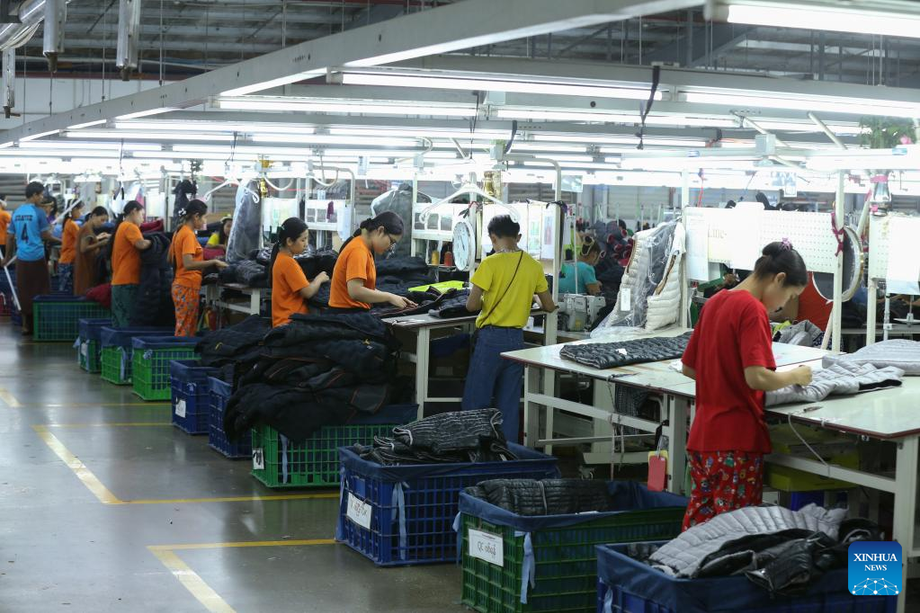
At the end of June, Kings Rich Fashion, a garment factory in Yangon Shwepyithar Township, will shut its doors after roughly a decade in operation. The closure will leave more than 1,000 workers, most of them women, without paychecks in a country already battered by economic collapse and political turmoil. Kings Rich supplied clothing to H&M, one of the largest fashion retailers in the world. The shutdown is one of the most visible consequences yet of the decision by the Swedish brand to reduce and ultimately end sourcing from Myanmar.
Factory management told employees that global orders had dried up and gave them only one month of notice. Workers are skeptical. They see the closure as part of a broader industrial decline under military rule, where foreign brands are pulling out, wages are being eroded by inflation, and labor organizing is met with dismissal. One worker said, “They gave us one month of notice, claiming orders had simply dried up. We will be paid compensation, but we will have to find a new job.”
The Closure and Its Immediate Impact
The impending shutdown is especially bitter because it follows fresh promises by regime chief Min Aung Hlaing to revive foreign investment, ease economic hardship, and create jobs. Those pledges were made at his presidential inauguration, an event staged by the military leadership that has ruled Myanmar since the February 2021 coup. Since that takeover, many Western firms have ditched their operations or reduced exposure, and the country has struggled to attract new investment. The closure of a long established supplier suggests that the economic narrative of the regime is failing on the factory floor.
Kings Rich Fashion is not a newcomer with teething problems. It has operated for about ten years, weathering earlier turbulence during the transition of Myanmar toward democracy. Its shutdown now points to a collapse in buyer confidence rather than a routine adjustment. Workers who have spent years sewing garments for export markets will receive some compensation, but the amount is unlikely to cushion the blow of unemployment in a city where prices are soaring and similar jobs are scarce.
Why Are Western Brands Leaving Myanmar?
The Kings Rich closure comes two years after H&M announced it would gradually stop sourcing from Myanmar. In August 2023, the company said it had taken the decision after monitoring developments and seeing increased challenges to conducting operations according to its standards. The company was investigating roughly 20 alleged instances of labor abuse at garment factories that supplied it, including wage theft and forced overtime.
H&M joined a growing list of global brands that have cut ties with Myanmar suppliers. Zara owner Inditex, Primark, Marks & Spencer, and others have also scaled back or ended sourcing. The exodus accelerated after the coup plunged the country into a political and humanitarian crisis. International sanctions, supply chain disruption, and reports of worsening factory conditions have made Myanmar a riskier and more ethically complicated place to produce clothing.
In an official statement, H&M said:
After careful consideration, we have now taken the decision to gradually phase out our operations in Myanmar. We have been monitoring the latest developments in Myanmar very closely and we see increased challenges to conduct our operations according to our standards and requirements.
The term responsible exit refers to a framework developed by IndustriALL, a global union federation, which urges brands to withdraw in a way that minimizes harm to workers. The idea is to avoid sudden factory closures, ensure owed wages and severance are paid, and support workers during the transition. Yet critics say that any exit, however managed, removes a vital source of income in a country where the garment sector is one of the largest formal employers of women.
Vicky Bowman, director of the Myanmar Centre for Responsible Business and a former British ambassador to the country, warned that the departures would carry a human cost.
I regret the H&M announcement, as it will have a negative impact on thousands of women workers in Myanmar.
A Pattern of Firings, Protests, and Union Busting
Kings Rich is far from the only factory in distress. Across Yangon industrial zones, labor disputes are multiplying. In early May, Nay Shwe Win Garment Factory in Shwepyithar dismissed 19 workers, citing raw material shortages. When colleagues staged a solidarity protest, management fired another 103 days later. At the Handa (2) factory in the Shwe Lin Ban industrial zone, roughly 100 workers were terminated after demanding a pay increase.
At Sun Rise (Myanmar) Fashion, also in Shwepyithar, nearly 900 workers recently quit after management rejected their demand for a wage increase from 15,000 to 17,000 kyats per day. Only 200 workers returned. The mass walkout reflects the desperation of employees who cannot cover basic expenses even when they are employed, and the willingness of employers to let experienced staff leave rather than negotiate.
Labor organizers argue these are not isolated cases of bad management. They describe a systematic purge of veteran workers and union leaders. One labor advocate said, “They blacklist and fire organizers who lead the demands. They mostly target union members who have worked for several years at their factories. It is a textbook union busting strategy.”
Wages Against Inflation: The Math of Survival
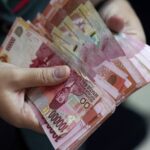
The legal minimum wage for an eight hour workday in the Myanmar garment sector is set at 7,800 kyats. That figure was established years ago and has not been adjusted to keep pace with the economic collapse of the country. Inflation has hollowed out its purchasing power. Two kilograms of basic rice now cost roughly 5,000 kyats, while a viss (1.6 kilograms) of cooking oil sells for about 15,000 kyats, roughly $3.50 at current exchange rates.
For a worker earning only the base wage, a single day of pay can be consumed by one cooking oil purchase. Mandatory allowances for attendance, transport, and meals provide some relief, but advocates say they are insufficient against the soaring cost of food, rent, and medical care. Workers are not asking for luxuries. They are demanding raises to avoid starvation.
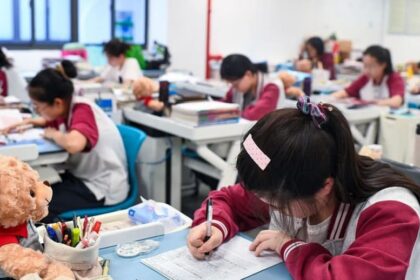
The garment sector of Myanmar employs roughly half a million people, most of them women, in more than 500 factories. A significant share of these facilities are owned by Chinese investors and are known for grueling production quotas and poor labor practices. Women, who often support extended families, face particular pressure. When wages fall behind inflation, the entire household suffers.
Can Workers in Myanmar Find Protection?
The legal framework for workers in Myanmar exists on paper, but enforcement is weak. The Ministry of Labor is widely seen as a rubber stamp for factory owners, leaving employees with little recourse when they are illegally dismissed or blacklisted. Labor courts are slow, and workers fear retaliation if they file complaints. In this environment, the right to organize and bargain collectively is shrinking.
International pressure has pushed brands to adopt codes of conduct and audit suppliers, but those mechanisms have not prevented the abuses documented since the coup. The responsible exit framework promoted by IndustriALL is designed to protect workers during brand withdrawals, yet it does not stop orders from drying up. Once a major buyer leaves, smaller factories often lose the volume they need to survive, and closures follow.
Trade unions and labor rights groups continue to document violations, sometimes at great personal risk. They call for brand accountability, payment of severance, and an end to blacklisting. They also say that buyers who leave should provide transition support, such as funding for alternative livelihoods or retraining, rather than simply walking away.
The Broader Economic Fallout
The garment industry is one of the few formal economic pillars Myanmar had built over the past decade. Before the coup, it had attracted investment from Asia and Europe, created hundreds of thousands of jobs, and generated export revenue. The military takeover reversed much of that progress. Western sanctions, energy company withdrawals, and banking restrictions have combined with domestic instability to choke growth.
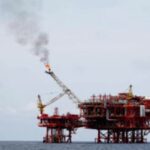
Major corporations outside fashion have also left. French oil firm TotalEnergies and American oil giant Chevron announced their exits in early 2022, citing the deteriorating situation. The departure of energy investors reduced tax revenue and complicated infrastructure. In the garment sector, each brand withdrawal sends ripples through supplier factories, subcontractors, and transport networks.
The promises of the regime have not translated into investor confidence. Without political stability, rule of law, and respect for labor rights, Myanmar is unlikely to win back the Western buyers that once helped sustain its factories. For workers, that means fewer factories, fewer shifts, and fewer options.
Key Points
- Kings Rich Fashion, an H&M supplier in Yangon, will close at the end of June, leaving more than 1,000 garment workers unemployed.
- H&M announced in 2023 that it would phase out sourcing from Myanmar, joining other major brands that have left since the 2021 military coup.
- Workers and labor advocates say factory closures and mass firings are part of a wider pattern of union busting and repression in Myanmar industrial zones.
- The minimum wage of 7,800 kyats per day has been eroded by inflation, with basic food prices far outstripping earnings.
- The Ministry of Labor is accused of siding with factory owners, leaving workers with little protection against illegal dismissal and blacklisting.
- The exodus of Western brands and investors threatens to deepen an economic crisis that has already cost Myanmar much of its foreign investment and formal employment.