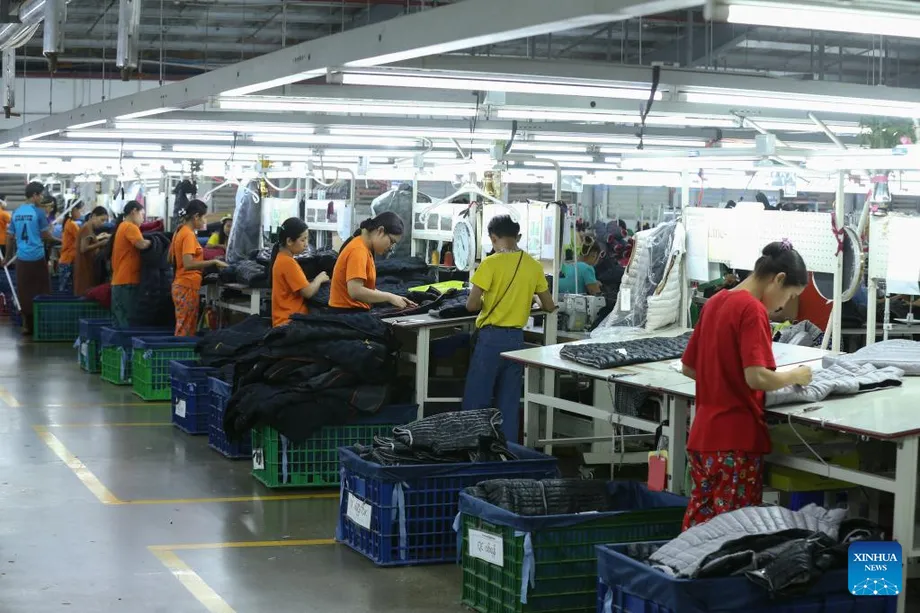
More Than 1,000 Jobs Lost as Orders Disappear
Kings Rich Fashion, a garment factory supplying H&M in Yangon Shwepyithar Township, announced that it would close at the end of June after about a decade in operation, leaving more than 1,000 workers, most of them women, without their paychecks. The shutdown brings the withdrawal of international clothing brands into sharp focus in a country already struggling with economic collapse and political turmoil.
Contents
- More Than 1,000 Jobs Lost as Orders Disappear
- H&M's Withdrawal Reaches the Factory Floor
- Promises of Jobs Meet a Planned Shutdown
- What a Responsible Exit Means for Workers
- Dismissals Spread Across Yangon Industrial Zones
- Organizers Describe Blacklisting and Union Busting
- Food Prices Consume Factory Wages
- Legal Protection Is Weak in Practice
- The Damage Extends Beyond Clothing Factories
- Key Points
Management told employees that global orders had dried up and gave them one month of notice. Workers were promised compensation, but they would still need to find new jobs in an industry where closures, dismissals and wage disputes are narrowing their options. As of July 17, confirmation that the shutdown and compensation payments had been completed was not given.
A Kings Rich worker described the notice employees received and the immediate problem facing their households:
They gave us one month of notice, claiming orders had simply dried up. We will be paid compensation, but we will have to find a new job.
Workers are skeptical of management's explanation. They see the closure as part of a wider industrial decline under military rule, with foreign buyers leaving, inflation eating into wages and employees risking dismissal when they organize for better conditions.
Kings Rich had survived earlier turbulence during Myanmar's transition toward democracy. Its closure after roughly ten years points to a loss of buyer confidence affecting an established business. For experienced workers who have spent years sewing clothes for export, compensation offers limited protection against unemployment, rising prices and a shortage of similar jobs.
H&M's Withdrawal Reaches the Factory Floor
H&M announced in August 2023 that it would gradually stop sourcing from Myanmar. The Swedish retailer, one of the world's largest fashion companies, said worsening conditions were making it harder to operate according to its standards and requirements.
The company was investigating roughly 20 alleged instances of labor abuse at factories supplying it. Those allegations included wage theft, meaning workers were denied money they had earned, and forced overtime, meaning employees were required to work extra hours.
H&M explained its decision in an official statement:
After careful consideration, we have now taken the decision to gradually phase out our operations in Myanmar. We have been monitoring the latest developments in Myanmar very closely and we see increased challenges to conduct our operations according to our standards and requirements.
The Kings Rich shutdown comes roughly two years after that announcement. It shows how a retailer's decision to stop buying from a country can reach the people making its clothes: when orders disappear, a supplier may lose the production volume it needs to keep operating.
Zara owner Inditex, Primark, Marks & Spencer and other international brands have also reduced or ended sourcing from Myanmar. Their departures accelerated after the military coup of February 2021, which plunged the country into a political and humanitarian crisis. International sanctions, disruption to supply chains and worsening factory conditions have made clothing production there riskier and more difficult to reconcile with corporate labor standards.
Promises of Jobs Meet a Planned Shutdown
Min Aung Hlaing, the regime chief, promised to revive foreign investment, ease economic hardship and create jobs at his presidential inauguration, an event staged by the military leadership that has ruled Myanmar since the February 2021 coup.
Kings Rich's announced closure exposes the gap between those promises and conditions on the factory floor. Many Western businesses have left Myanmar or reduced their exposure since the takeover, while the country has struggled to attract new investment.
The main events behind the current employment crisis span several years:
- February 2021: The military seized power, beginning the political crisis that accelerated international business withdrawals.
- Early 2022: TotalEnergies and Chevron announced their exits from Myanmar.
- August 2023: H&M announced that it would gradually phase out operations in the country.
- Early May: Nay Shwe Win Garment Factory dismissed 19 workers, followed days later by another 103 after a solidarity protest.
- End of June: Kings Rich Fashion said it would close, affecting more than 1,000 workers.
Kings Rich is one of the most visible consequences of the retreat by global clothing buyers. Its workers face the loss of regular income at the same time that food, rent and medical expenses are becoming harder to afford.
What a Responsible Exit Means for Workers
IndustriALL, a global union federation, developed a framework known as a responsible exit. It urges brands withdrawing from a country to minimize harm to workers by avoiding sudden factory closures, ensuring unpaid wages and severance are paid, and supporting employees during the transition.
Severance is compensation paid when a job ends. For workers at a closing factory, it can provide money for immediate expenses while they search for another employer. Labor groups also want departing brands to support alternative livelihoods or retraining, giving people a better chance of earning income after garment jobs disappear.
Vicky Bowman, director of the Myanmar Centre for Responsible Business and a former British ambassador to Myanmar, warned of the human cost of H&M's departure:
I regret the H&M announcement, as it will have a negative impact on thousands of women workers in Myanmar.
The dilemma is immediate. Brands face allegations of abuse and increasing difficulty enforcing their standards, while employees depend on the orders those brands place. Even a managed withdrawal removes income from a country where garment factories are among the largest formal employers of women.
The responsible exit framework seeks to protect workers during that process, but it cannot keep orders flowing after a buyer leaves. Smaller suppliers can lose the volume they need to survive, leading to closures and further unemployment.
Dismissals Spread Across Yangon Industrial Zones
Nay Shwe Win Garment Factory in Shwepyithar dismissed 19 workers in early May, citing shortages of raw materials. When colleagues staged a solidarity protest, management fired another 103 days later. Together, the two rounds affected 122 workers.
At Handa (2), in the Shwe Lin Ban industrial zone, roughly 100 workers were terminated after demanding higher pay. Those dismissals add to concerns that employees seeking better wages can lose their livelihoods instead.
Sun Rise (Myanmar) Fashion, also in Shwepyithar, saw nearly 900 workers quit after management rejected their request to raise daily wages from 15,000 to 17,000 kyats. Only 200 returned.
The requested increase was 2,000 kyats a day, about 13 percent of the existing 15,000 kyat wage. The walkout shows how strained household finances have become: workers were prepared to leave their jobs over pay, while management was prepared to lose experienced staff rather than accept the demand.
Organizers Describe Blacklisting and Union Busting
Labor organizers describe the dismissals as part of a broader effort to remove veteran employees and union leaders. They say workers who lead wage demands are blacklisted, making it harder for them to obtain another factory job.
A labor advocate described the targeting of experienced union members:
They blacklist and fire organizers who lead the demands. They mostly target union members who have worked for several years at their factories. It is a textbook union busting strategy.
Union busting means efforts to weaken or prevent workers from organizing together. In these disputes, the alleged methods include firing people who lead demands and excluding them from future employment.
Long service can leave workers especially exposed when employers target established organizers. Employees who have spent years at a factory may lose both their current wages and access to other jobs in the same industry. Labor groups describe the pattern as a systematic purge of veteran workers and union leaders, rather than isolated management disputes.
Food Prices Consume Factory Wages
The legal minimum wage for an eight hour workday in Myanmar's garment sector is 7,800 kyats. The rate was established years ago and has not kept pace with the country's economic collapse. Inflation means the same amount of money buys less food and fewer basic necessities.
Two kilograms of basic rice cost roughly 5,000 kyats. A viss of cooking oil, a local weight equal to about 1.6 kilograms, costs around 15,000 kyats, or roughly $3.50 at the exchange rates cited.
Rice alone therefore takes about 64 percent of a day of minimum pay. A viss of cooking oil costs almost twice the 7,800 kyat daily wage. A worker buying that quantity of oil would use an entire day's base pay and still need more money.
Mandatory allowances for attendance, transport and meals provide some relief. Labor advocates say those payments remain insufficient as food, rent and medical costs climb. Their argument is that demands for higher wages concern basic survival, rather than luxuries.
Myanmar's garment industry employs roughly half a million people, most of them women, across more than 500 factories. Many women support extended families, so a wage that loses purchasing power affects more than the individual employee. A significant share of factories are owned by Chinese investors and are associated with grueling production quotas and poor labor practices.
Legal Protection Is Weak in Practice
Myanmar has a legal framework for workers, but enforcement is weak. The Ministry of Labor is widely viewed as siding with factory owners, leaving employees with limited recourse when they are illegally dismissed or blacklisted.
Labor courts are slow, and workers fear retaliation if they complain. Those conditions make it harder to organize or bargain collectively, the process in which employees negotiate together with an employer over wages and working conditions.
International pressure has encouraged brands to adopt codes of conduct and audit their suppliers. Audits are checks intended to assess whether factories meet required standards. Those mechanisms have failed to prevent the abuses documented since the coup.
Trade unions and labor rights groups continue to record violations, sometimes at great personal risk. They call for brands to remain accountable for workers affected by their departure, for severance to be paid and for blacklisting to end. Their demands also include funding for retraining or alternative livelihoods.
The Damage Extends Beyond Clothing Factories
Myanmar's garment industry was one of the few major sources of formal employment built up during the previous decade. Before the coup, it attracted investment from Asia and Europe, created hundreds of thousands of jobs and generated export revenue.
The military takeover reversed much of that progress. Western sanctions, banking restrictions, energy company withdrawals and domestic instability have combined to choke growth. Within clothing production, the loss of a major buyer affects supplier factories, subcontractors and the transport businesses moving materials and finished garments.
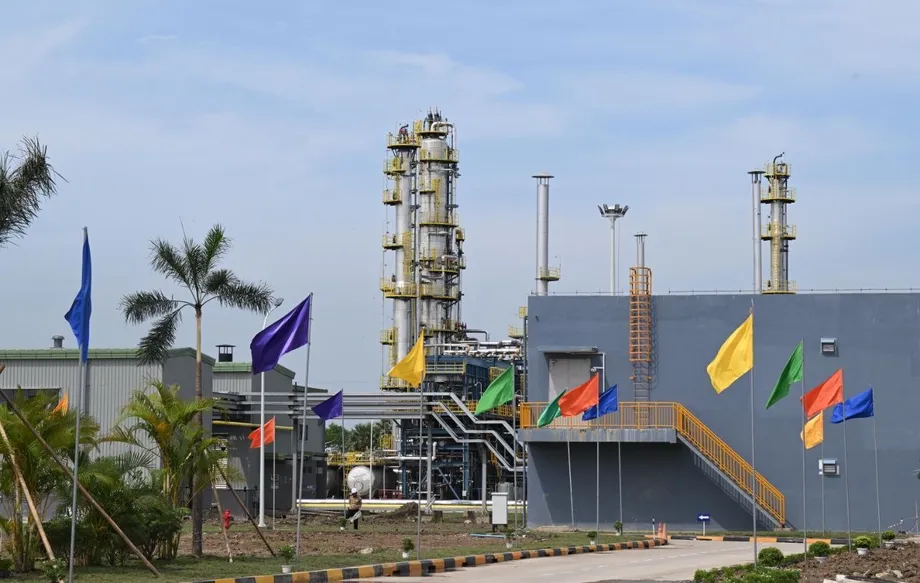
French oil company TotalEnergies and American oil company Chevron announced their exits in early 2022, citing the deteriorating situation. The departure of energy investors reduced tax revenue and complicated infrastructure, adding pressure beyond the garment industry.
The regime's investment promises have yet to translate into buyer confidence. Political stability, the rule of law and respect for labor rights remain central to winning back Western customers. For workers facing closure or dismissal, the immediate consequences are fewer factories, fewer shifts and fewer options for earning a living.
Key Points
- Kings Rich Fashion announced an end of June closure after about ten years, affecting more than 1,000 workers, most of them women.
- H&M announced its gradual withdrawal from Myanmar in August 2023 while investigating roughly 20 alleged labor abuses at suppliers.
- Inditex, Primark and Marks & Spencer have also reduced or ended sourcing from Myanmar.
- Dismissals and wage disputes at Nay Shwe Win, Handa (2) and Sun Rise (Myanmar) Fashion show wider pressure on garment workers.
- The daily minimum wage is 7,800 kyats, compared with roughly 5,000 kyats for two kilograms of rice and 15,000 kyats for a viss of cooking oil.
- Labor groups seek payment of wages and severance, an end to blacklisting, and support for workers moving into other employment.
- Myanmar's garment sector employs roughly half a million people across more than 500 factories, making buyer withdrawals a major threat to household incomes.