
Scheduled cuts reshape Yangon’s daily power supply
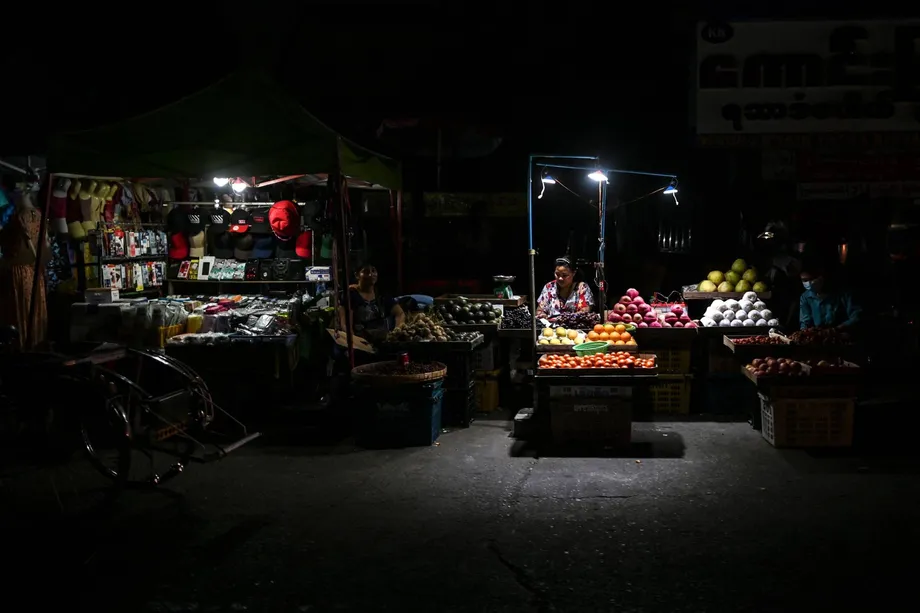
Yangon has begun scheduled electricity rotations, dividing the city into Group A and Group B as authorities try to match demand with limited generation. Under the announced plan, each group receives power in four-hour shifts during the day, with the schedule subject to change depending on electricity output and the condition of the grid.
Contents
The rotation took effect on October 5. In Yangon, both groups are scheduled to receive electricity overnight, from 9 p.m. to 5 a.m. During daytime hours, between 5 a.m. and 9 p.m., supply alternates between the groups. The Yangon Electricity Supply Corporation has said that actual supply periods may be adjusted as conditions change.
The arrangement is part of a wider load-management plan announced by the Ministry of Electricity and Energy. Authorities say unusually high temperatures associated with severe El Niño conditions have increased electricity use, while concerns about hydropower reservoir levels add pressure as the country enters the dry season.
The plan does not apply equally to every customer. YESC says industrial zones, businesses in Myaungtagar Industrial Zone that use electricity generated from liquefied natural gas, and essential government departments will continue to receive power around the clock. Elsewhere in Yangon Region, eastern, western, southern and northern areas are to receive rotational daytime supply, with electricity provided without load shedding at night under the announced schedule.
Why is power being rationed now?
Electricity demand rises when households and businesses use fans and air conditioners during hot weather. When consumption exceeds what power stations and transmission networks can reliably deliver, utilities may ration supply to limit strain on the system. This planned reduction in demand is known as load management.
The ministry says the rotations are intended to keep electricity consumption within available generation capacity and reduce the risk of a wider system failure. A sudden imbalance can force generating units to shut down or cause faults on high-voltage transmission lines. In a serious event, problems can spread across interconnected parts of the grid and trigger a large-scale outage.
Myanmar relies heavily on hydropower, which uses stored or flowing water to produce electricity. Reservoir levels often benefit from monsoon rainfall, but the dry season usually runs from October through May. The ministry has warned that water levels at hydropower reservoirs could decline during the coming months, requiring careful management of stored water.
El Niño is a recurring natural climate pattern linked to unusually warm surface waters in the central and eastern tropical Pacific. It can shift rainfall and temperature patterns far beyond the Pacific region. Forecasts and official warnings cited in the sources describe the coming period as unusually hot, while Myanmar weather officials have also warned of possible abnormal rainfall, storms, drought and drinking-water shortages. The weather effects can vary by place and season, so the electricity plan reflects both immediate heat-driven demand and concern about future generation.
What will the schedule mean for residents?
For households, a timetable can make outages more predictable, but it does not guarantee that power will always arrive at the stated time. YESC has said the rotation may change according to generation and grid conditions. Residents already dealing with irregular supply may therefore have to keep adjusting cooking, charging and other household tasks around changing power availability.
Residents interviewed in additional reporting described receiving only a few hours of electricity a day in some towns even before the new arrangement. In Monywa, one resident said outages were frequent despite monthly electricity bills of about 30,000 to 40,000 kyats. The resident described the heat inside the home during cuts and said a recent repair had left the area without electricity for two days.
A Yangon resident described timing rice cooking around the brief periods when electricity was available, sometimes preparing meals before dawn. The account reflects how unreliable power affects routine domestic work, especially when high temperatures make homes uncomfortable and cooking or food storage becomes more difficult.
Small businesses also depend on predictable electricity for refrigeration, machinery and daily operations. Residents quoted in the additional reporting said some small enterprises that require electricity had stopped operating, with higher costs contributing to rising prices. Water suppliers and shop owners in Yangon and Ayeyarwady have also warned that extended outages increase operating expenses and can disrupt supplies of bottled water and ice.
How does the plan compare with conditions elsewhere?
The four-hour rotation announced for Yangon is not a measure of how much electricity every household across Myanmar will receive. The national situation varies by region, and reports describe stricter conditions in some areas. In Ayeyarwady Region, a separate report described a schedule of two hours on followed by six hours off, leaving residents with about six hours of supply a day where that rotation applies.
That same reporting cited Ministry of Electricity and Energy data indicating that only about 28 percent of households in Ayeyarwady have access to grid electricity. For households without reliable grid service, rationing compounds existing limits on refrigeration, fans and other basic services.
Blackouts have been a recurring feature of life in Myanmar, with outages that are sometimes scheduled and sometimes unannounced. The additional reporting says some areas have endured long daily outages since 2022, and that the March 2025 earthquake was followed by widespread blackouts. These accounts point to a broader electricity problem that cannot be explained by a single hot spell alone.
The country’s electricity supply is also affected by damage to infrastructure and wider economic and humanitarian pressures. Authorities say they are working to restore damaged facilities and expand generation through solar and hydropower projects. Those projects could add capacity, although they do not provide an immediate answer to current shortages, and hydropower output remains tied to water availability.
Why outages carry health and economic costs
Power cuts during extreme heat can be more than an inconvenience. Fans and air conditioning help people lower their exposure to heat indoors, while refrigeration protects medicines and perishable food. People who are older, ill or living in crowded housing may face particular difficulty when cooling is unavailable, especially when hot conditions continue overnight.
A Climate Impact Lab estimate cited in one report projects more than 1,000 heat-related deaths in Myanmar between September 2026 and February 2027 under intensified El Niño conditions. This is a projection, not a confirmed death toll, and its outcome depends on weather and other factors. It nevertheless underscores the health risks that can accompany severe heat, particularly for people without dependable cooling or access to safe drinking water.
Power shortages also affect income and essential services. Businesses that need electricity may have to reduce hours, use costly backup equipment or pass higher operating expenses on to customers. Generators and batteries can provide some protection, but they are less accessible to households with limited means. When electricity is unreliable, the burden is therefore uneven: people with backup systems can maintain some services while others face prolonged heat and disrupted daily routines.
What authorities say they are doing
The ministry says it is pursuing additional generation through solar and hydropower projects and working to repair damaged electricity infrastructure. It also says reservoir water will be managed with the coming dry months in mind, with planning intended to preserve supply through the next rainy season in 2027.
These measures address different parts of the problem. Repairs can restore capacity that has been lost, while new solar and hydropower projects may increase generation once they are ready. Rotations, by contrast, manage demand immediately by limiting the hours when some areas can draw power. The effectiveness of the approach will depend on how much electricity is available, whether the grid can deliver it, and how consistently schedules are applied.
The ministry has said rotational distribution will be kept to the minimum level possible while balancing available generation with consumption. For Yangon residents, the published four-hour daytime shifts and overnight supply provide a framework, but the corporation’s warning that schedules may change means the timetable remains conditional.
The Bottom Line
- Yangon began four-hour daytime electricity rotations for Groups A and B on October 5.
- The announced schedule provides electricity to both groups overnight, from 9 p.m. to 5 a.m., subject to changes in grid conditions.
- Authorities cite heat-driven demand, limited generation and concern about hydropower reservoir levels as reasons for rationing.
- Industrial zones, specified LNG-powered businesses in Myaungtagar and essential government departments are listed for round-the-clock supply.
- Other regions face different conditions, with reports of a two-hours-on, six-hours-off rotation in parts of Ayeyarwady.
- Residents and businesses say unreliable electricity disrupts household routines, raises operating costs and can worsen exposure to heat.