September trade surplus reaches a record $50 billion
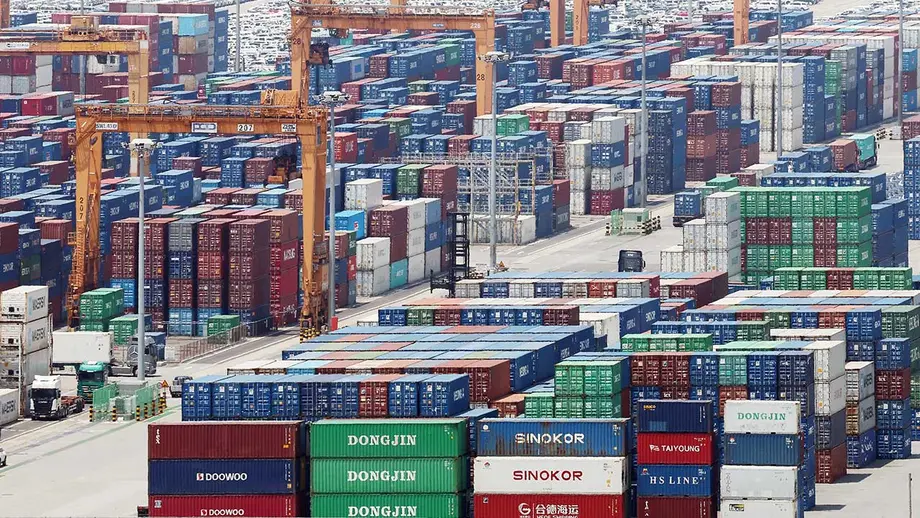
South Korea exported $121.1 billion worth of goods in September 2026, an increase of 83.7% from a year earlier, as semiconductor shipments exceeded $60 billion for the first time. The Korea Customs Service's final figures, released on October 15, put the monthly trade surplus at a record $50 billion.
Contents
- September trade surplus reaches a record $50 billion
- Chips account for half of export sales
- Computers join the technology surge
- Oil prices lift sales while shipment volumes fall
- Ships gain while passenger cars lose ground
- China and the United States anchor demand
- A record built over several months
- What would it take to reach $1 trillion?
- Growth reaches beyond the largest exporters
- Key Points
Imports rose 26.0% to $71.1 billion. Exports increased for the 16th consecutive month, while the country recorded its 20th consecutive monthly surplus. A trade surplus means the value of goods sold abroad exceeds the value of goods bought from overseas.
Exports from January through September reached $814.7 billion, up 56.8% from the same period a year earlier. Nine months of sales had already exceeded the previous full year's $709.3 billion total by $105.4 billion, or about 14.9%.
The Ministry of Trade, Industry and Resources' September trade statement recorded exports of $120.94 billion, up 83.5%, and a surplus of $49.85 billion. The later customs figures raised both totals slightly, while preserving the central picture: an exceptional expansion led by chips.
South Korea's export strength extended to computers, petroleum products and ships. Passenger cars and automotive parts moved in the opposite direction, showing that the record month brought uneven results across industries.
Chips account for half of export sales
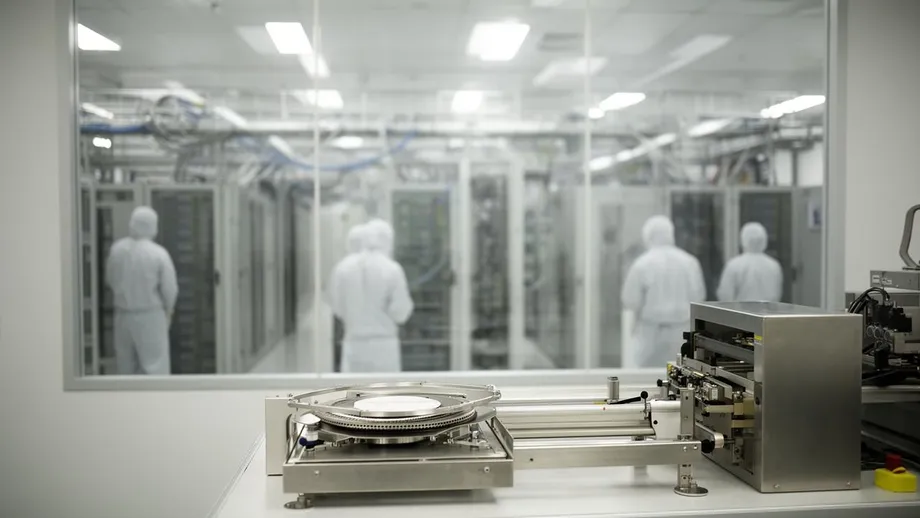
Semiconductor exports reached $60.503 billion in the final customs figures, an increase of 260.3% from September 2025 and the 19th consecutive monthly rise. The ministry recorded $60.3 billion and growth of 262.8% in its release.
Chips accounted for almost exactly half of September's $121.1 billion in exports. An increase of 260.3% means sales were about 3.6 times their level a year earlier, rather than simply doubling.
The ministry attributed the surge to continuing demand for memory chips, higher shipment volumes and rising contract prices. Memory chips store information used by computers, phones and the equipment supporting artificial intelligence.
Its price series showed a DDR5 16Gb memory product rising from $37.50 in May to $48 in September, an increase of 28%. A NAND 128Gb product increased from $26.50 to $30.60 over the same period, or about 15.5%. NAND memory stores information even when a device is switched off.
Those figures help explain the size of the export jump: manufacturers were shipping more chips and receiving higher prices. Export revenue can rise through either channel, and both were operating in September.
The ministry also put growth in exports excluding semiconductors at 23%. Other industries therefore contributed to the expansion, although their combined growth rate was far below that of chips.
Computers join the technology surge
Computer exports rose 380.5% to $7.201 billion in the final customs figures. The ministry recorded $7 billion and growth of 435.3%, linking demand to expanding AI infrastructure and the spread of agentic AI, systems designed to carry out sequences of tasks.
Computer and semiconductor exports together accounted for about $67.7 billion, or 55.9% of all September exports, using the final customs totals. That concentration makes technology demand especially consequential for South Korea's export earnings.
Businesses building AI infrastructure need computing equipment and memory to process and store large amounts of information. The ministry's account connects the chip and computer increases to that investment, rather than treating them as unrelated rises in sales.
Telecommunications equipment showed a less uniform pattern. The ministry recorded wireless equipment exports of $2.14 billion, up 23.4%, citing premium phones and components supplied for iPhones. The final customs breakdown recorded a 1.5% decline in wireless equipment exports, while wired telecommunications equipment increased 24.2%.
Other electronics categories weakened in the customs figures: home appliances fell 7.6%, and liquid crystal devices declined 15.3%. September's technology boom was concentrated most strongly in chips and computers.
Oil prices lift sales while shipment volumes fall
Petroleum product exports increased 73.3% to $7.35 billion in the final customs figures. The ministry's detailed assessment showed how much of the industry's growth came from higher prices during disruption around important Middle Eastern shipping routes.
The ministry recorded petroleum product export revenue rising 72.0% even as shipment volumes fell 6.9%. Petrochemical export revenue increased 5.1%, while volumes dropped 19.1%. Petrochemicals are materials made from oil and gas that are used in products such as plastics and industrial chemicals.
Dubai crude averaged $113.70 a barrel, up 62.4% from a year earlier, according to the ministry. Export prices increased 84.7% for petroleum products and 30.0% for petrochemicals.
The ministry linked higher international oil prices to fewer ships passing through the Strait of Hormuz and greater transport risks in the Red Sea. For exporters of refined fuel, those prices increased the dollar value of sales despite lower quantities shipped.
South Korea also faced a larger bill for imported energy. September energy imports rose 38.0% to $12.96 billion. Crude oil imports reached $8 billion, up 38.4%, as import volumes increased 2.0% and prices rose 35.7%. Higher oil prices therefore worked on both sides of the trade balance.
Ships gain while passenger cars lose ground
Ship exports increased 31.4% to $3.64 billion in the final customs figures. The ministry attributed the industry's strong performance to more deliveries of vessels including liquefied natural gas carriers and very large gas carriers.
Passenger car exports fell 5.6% to $5.71 billion, their second consecutive monthly decline. Automotive parts exports dropped 8.1% to $1.68 billion.
The ministry's broader automobile category fell 5.5% to $6.05 billion. It cited weaker used car exports and a calendar effect: the Chuseok holiday fell in September in 2026, compared with October in 2025. Fewer working days reduced the time available for production and shipments, while average daily automobile exports increased 5.5%.
Passenger car sales also varied sharply by destination. Exports to the United States rose 7.8%, with increases of 14.4% to Canada, 19.2% to Australia and 67.9% to Germany. Shipments to the United Kingdom fell 34.8%, while those to Kyrgyzstan declined 76.6%.
Steel products rose 6.7% to $4.28 billion in the customs figures. The ministry cited demand connected with AI data centres as support for steel sales, even as exporters faced US tariffs and European Union import restrictions. General machinery exports in the ministry's figures fell 3.2% to $4.07 billion, with fewer working days and higher logistics costs weighing on results.
China and the United States anchor demand
Exports to China increased 123.1% to $26.06 billion, extending their growth streak to 11 months. Sales to the United States rose 136.9% to $24.33 billion, their 10th consecutive monthly increase.
Together, those two markets bought $50.39 billion of South Korean goods, about 41.6% of September's total exports. The ministry identified chips, computers and wireless equipment as major drivers of sales to China, while semiconductors, petroleum products and machinery supported exports to the United States.
Southeast Asia also reached a milestone. The ministry put exports to the Association of Southeast Asian Nations, or ASEAN, at $21.29 billion, up 92.6% and above $20 billion for the first time. Chips, petroleum products and ships contributed to the increase.
The final customs figures showed exports rising 102.1% to Australia, 96.6% to Taiwan, 43.9% to Vietnam, 25.2% to Japan and 21.2% to the European Union. The ministry reported a 10th consecutive month of export growth to the EU.
The Middle East moved in the opposite direction. Exports fell 14.1% to $1.6 billion, their second consecutive monthly decline. The ministry linked weakness across vehicles, automotive parts and machinery to difficulties passing through the Strait of Hormuz.
A record built over several months
September exceeded a series of strong results earlier in 2026. The ministry's monthly figures show both total exports and semiconductor sales advancing beyond previous peaks:
- June 2026: Total exports reached $102 billion, while semiconductor exports stood at $44.8 billion.
- July 2026: Total exports reached $99.2 billion.
- August 2026: Semiconductor exports climbed to $46.7 billion, and exports to ASEAN reached $19.1 billion.
- September 2026: Total exports exceeded $120 billion, chips passed $60 billion, and ASEAN sales surpassed $20 billion.
- October 15, 2026: The Korea Customs Service released final September figures showing exports of $121.1 billion and a $50 billion surplus.
The ministry put September's average daily exports at a record $5.63 billion, up 105% from a year earlier. That measure divides export sales by working days, helping readers compare months with different holiday schedules. It exceeded the previous daily record of $4.53 billion in June by about 24.3%.
What would it take to reach $1 trillion?
South Korea needed another $185.3 billion in exports during October through December to reach $1 trillion for 2026, based on the final customs total of $814.7 billion through September. That works out to an average of about $61.8 billion a month during the final quarter.
January through September exports averaged about $90.5 billion a month. September's $121.1 billion was substantially higher still, explaining why Industry Minister Kim Jung-kwan expressed confidence about reaching the annual milestone. Future sales will depend on demand, prices and trading conditions during the remaining months.
Kim, the minister of trade, industry and resources, described the achievement and the risks in his ministry's statement. In translation, he said:
Annual exports of $1 trillion are within reach, but strengthening global protectionism and tensions in the Middle East remain major variables for our exports.
Kim said the government would maintain senior contacts with trade authorities in major markets, monitor export restrictions and respond to external developments that could damage exports during the fourth quarter.
The ministry put imports for January through September at $562.1 billion and the cumulative trade surplus at $252.5 billion. Imports outside energy also expanded in September: semiconductor equipment rose 50.8% to $3.44 billion, while wireless equipment increased 27.3% to $2.01 billion.
Growth reaches beyond the largest exporters
Cosmetics exports reached a record $1.51 billion in September, up 31.4%, according to the ministry. Sales increased across China, the United States, ASEAN and the European Union, giving the industry growth across several major markets.
Rechargeable battery exports rose 14.0% to $720 million, their fifth consecutive monthly increase. The ministry attributed the improvement to higher quantities, including demand from energy storage systems, and higher prices associated with mineral costs.
Agricultural, fisheries and food exports fell 4.7% to $1.11 billion. Noodles and sauces continued to sell well, but fewer working days weighed on the category's total. Across the ministry's 20 main export categories, 11 increased.
For South Korean businesses, the September figures describe several different conditions at once: rapidly expanding technology sales, higher fuel prices, strong demand for ships and cosmetics, and weaker monthly results for cars and machinery. The record surplus was the combined result of those uneven movements.
Key Points
- September exports reached a record $121.1 billion, up 83.7%, in final customs figures released on October 15.
- Imports rose 26.0% to $71.1 billion, leaving a record $50 billion trade surplus.
- Semiconductor exports increased 260.3% to $60.503 billion, accounting for about half of total exports.
- January through September exports reached $814.7 billion, already above the previous full year's $709.3 billion.
- China and the United States together bought about 41.6% of September exports.
- Passenger cars and automotive parts declined, while higher petroleum prices lifted sales despite lower shipment volumes.
- Reaching $1 trillion in annual exports requires another $185.3 billion during the final quarter.