Snack Wrappers Find a New Use in Pokhara
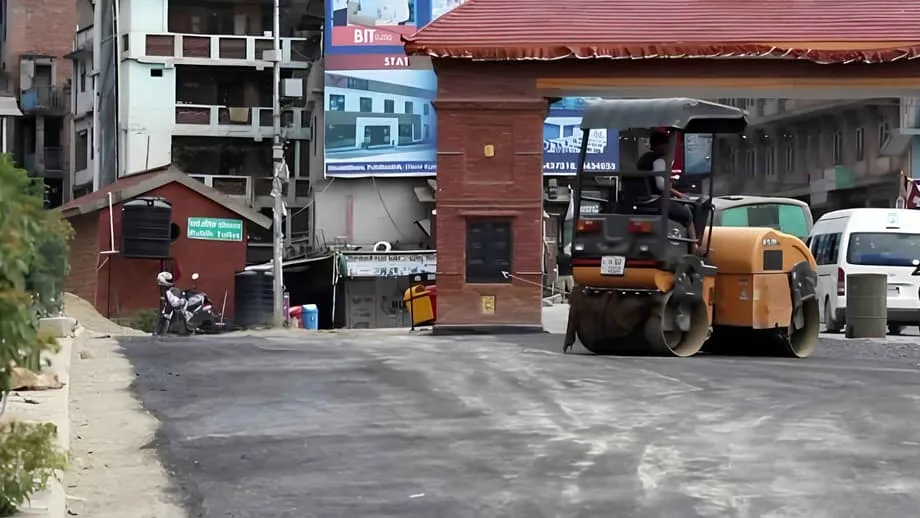
About 8,200 feet of experimental road laid in Nepal between 2018 and 2020 used more than 6,600 pounds of plastic that had little commercial value. In Pokhara, cars are already travelling over pavement made with discarded noodle packets, biscuit wrappers and other packaging, part of an effort to tackle two persistent problems together: mounting rubbish and roads damaged by heavy monsoon rain.
Contents
- Snack Wrappers Find a New Use in Pokhara
- How Packaging Becomes Pavement
- What Supporters Say About Cost and Durability
- Bangladesh Tests Roads Against Floods and Heat
- India Shows the Scale, While Nepal Weighs Its Own Conditions
- What Traffic Could Release Into Water and Soil
- Worker Safety and Chemical Exposure Need Attention
- How Much Plastic Can Roads Actually Use?
- Standards Before Expansion
- The Bottom Line
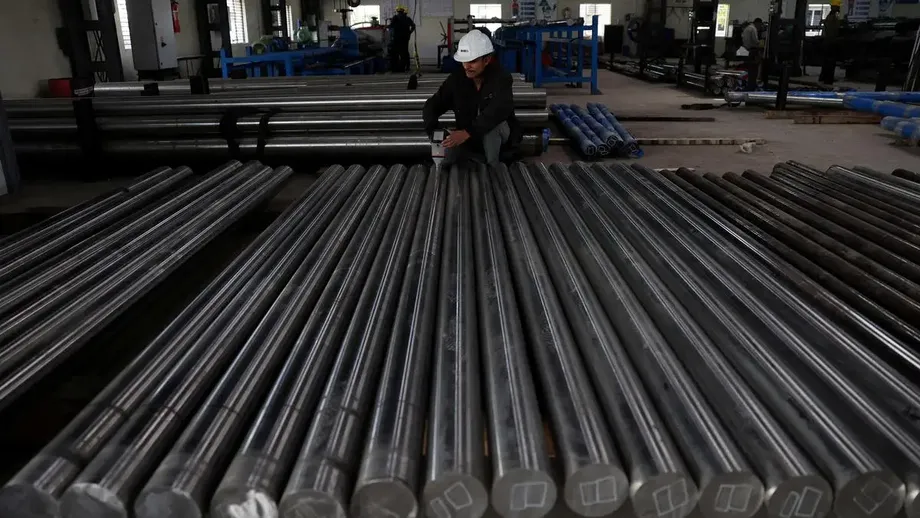
Green Road Waste Management, founded by Bimal Bastola, is leading the initiative with support from the United Nations Development Programme (UNDP). Workers shred plastic waste and incorporate it into asphalt. Supporters say the method could reduce construction costs, improve durability and give materials rejected by conventional recyclers a useful destination.
Pokhara generates about 201 tons of waste each day, according to UNDP figures. Rapid urban expansion has increased pressure on its lakes, wetlands and neighbourhoods. Across South Asia, overflowing dumps, open burning and drains clogged with plastic add to the strain on municipal collection systems that struggle to keep up with consumption.
The world produces more than 440 million tons of plastic annually. Nepal's road experiments address only a small part of that problem, but they target packaging for which recycling markets offer few options. Bastola has described his goal to UNDP as building a cleaner country by bringing communities, businesses and technology together around waste solutions. The initiative also aims to create local jobs.
Engineers have reasons to be interested: laboratory research reports stronger asphalt mixtures and better resistance to water and heat. Scientists and public institutions also identify unresolved questions about microscopic plastic particles, chemical exposure and whether the pavement can be recycled after use. Nepal's challenge is to assess the road benefits and environmental costs together before expanding beyond pilots.
How Packaging Becomes Pavement
Green Road Waste Management's process begins with collecting, sorting and shredding discarded packaging into small pieces. Workers use the shredded plastic to coat hot aggregates, the solid material in the road mixture, before adding bitumen. Bitumen is the conventional binder that holds asphalt together.
Plastic does not replace all the bitumen. Instead, it becomes part of the mixture, reducing the need for fresh raw materials while using waste with little resale value. The sequence matters because the way plastic enters the asphalt can affect both its engineering performance and the release of particles as the road wears.
A 2024 study published in the International Journal For Multidisciplinary Research found that incorporating several types of plastic waste at approximately 8% reduced demand for virgin bitumen. Laboratory tests also showed improvements in moisture resistance, density and Marshall stability.
Marshall stability measures how strongly an asphalt mixture resists a load. A higher result indicates that the mixture can better withstand pressure without deforming or breaking. That is relevant to roads exposed to heavy vehicles and sharp temperature changes, although actual road performance also depends on how the material is mixed and installed.
Research published in Nature Scientific Reports used machine learning to analyse 210 samples of asphalt modified with plastic. It identified favourable ranges of 2.5 to 4 millimetres for plastic particle size, about 5.3 to 5.5% for bitumen content and 20 to 30% for plastic content.
The research suggests that controlled mixing can allow recycled plastic to reinforce the binder, improving how well it holds together and how flexibly it responds to stress. Researchers also describe problems with spreading plastic evenly, compatibility between plastic and bitumen, stability during storage and possible brittleness at low temperatures. Performance benefits depend on managing those conditions.
What Supporters Say About Cost and Durability
Bastola says the method lowers costs, prevents water from entering the pavement and extends road life. Those benefits would matter in Nepal, where monsoon downpours repeatedly damage poorly maintained surfaces and leave potholes that require costly repairs.
Laboratory studies offer support for some of those claims. Waste polyethylene can make asphalt mixtures stiffer at high temperatures, helping them resist permanent deformation under traffic. Research also reports better resistance to rutting, the grooves left by repeated vehicle loads, and fatigue, the damage that builds as a surface is stressed again and again.
Sahadat Hossain, a leading researcher at the University of Texas at Arlington who has built plastic roads in Texas and Bangladesh, says incorporating up to 10% recycled plastic can reduce cracking and pothole damage by as much as 75%. His work connects the engineering argument for stronger roads with the possibility of using fewer new materials.
Hossain explains that plastics including LDPE, HDPE and PP can reduce demand for virgin materials made from petroleum when incorporated into asphalt. These abbreviations refer to low density polyethylene, high density polyethylene and polypropylene. He says the approach lowers the carbon footprint of construction and can reduce resource use through fewer repairs over a longer road life.
The expected savings therefore have two parts: less demand for new ingredients during construction and less maintenance later. Achieving both depends on the pavement remaining durable under the conditions where it is used, including Nepal's heavy rainfall and difficult terrain.
Bangladesh Tests Roads Against Floods and Heat
Bangladesh offers a nearby example of testing plastic asphalt under demanding weather conditions. The World Bank is supporting pilot projects across the country's eight administrative divisions, examining whether the roads can better withstand natural disasters while also monitoring microplastic runoff.
A pilot road in Gazipur withstood flood damage, resisted bitumen bleeding during extreme summer heat and cost less to construct than a conventional surface using bitumen alone. Bitumen bleeding occurs when the binder rises to the road surface in hot conditions.
Hossain's team observed that, during Bangladesh's hottest summer in fifty years, conventional asphalt softened and melted while adjacent sections modified with plastic showed no visible distress. Resistance to both moisture and heat makes the technology attractive to countries facing extreme weather.
The Bangladeshi work pairs road performance testing with environmental monitoring. That combination is relevant to Nepal: a pavement's ability to survive a flood is one consideration, while the material carried away in runoff is another. Both affect the costs and benefits of using plastic waste in roads.
India Shows the Scale, While Nepal Weighs Its Own Conditions
India has built nearly 24,855 miles of rural roads using plastic waste under the Pradhan Mantri Gram Sadak Yojana. Roughly 8,078 miles were completed in the two years before October 2024. Those more recent additions account for about one third of the total cited for the programme.
The Indian experience shows that plastic road construction can move beyond small demonstrations into programmes backed by government. Nepal nevertheless faces its own geographical and financial constraints. Mountainous terrain, seasonal landslides and limited municipal budgets make construction and maintenance expensive and difficult to organise.
Odisha, an Indian state, has also sought technical expertise from the National Highways Authority of India for urban pilots. Its proposed method mixes shredded plastic with bitumen at temperatures between 170 and 180 degrees Celsius. Nepal would need material supplies and quality controls suited to its own projects rather than simply copying the scale of India's rural programme.
The experiments and research described here span several years:
- Between 2018 and 2020, Nepal's early pilots laid roughly 8,200 feet of pavement and used more than 6,600 pounds of plastic with little commercial value.
- In 2024, the International Journal For Multidisciplinary Research study reported laboratory improvements from adding plastic waste at approximately 8%.
- By October 2024, India's rural road programme had built nearly 24,855 miles using plastic waste, including roughly 8,078 miles in the preceding two years.
Bastola's focus on plastics that conventional recyclers reject gives Nepal's approach a specific purpose: creating demand for material without an established market. Expanding that model would require reliable collection, sorting and construction practices across more locations.
What Traffic Could Release Into Water and Soil
Scientists are studying what happens when tyres repeatedly wear down asphalt containing plastic. Microplastics are tiny plastic fragments, and a road that incorporates discarded packaging could release them into surrounding soil and water as its surface ages.
A study published in Science of the Total Environment simulated traffic on samples of asphalt modified with plastic and quantified microplastic release for the first time. Samples containing recycled LDPE, LLDPE and ABS released particles measuring between 2 and 40 micrometres. LLDPE is linear low density polyethylene, while ABS is acrylonitrile butadiene styrene.
Cold temperatures and acidic conditions favoured higher release rates. The study also found that incorporating recycled plastic as a polymer modifier within the bitumen caused microplastics to be released earlier than when plastic was used as a synthetic substitute for aggregate.
The findings make the construction method part of the environmental assessment. Plastic blended into the binder and plastic used in place of some solid material can behave differently as the pavement wears. Weather and surrounding chemical conditions also affect the amount released.
The World Bank, which is supporting the Bangladeshi pilots, has stated that environmental assessment remains incomplete and has identified uncertainty about recycling the roads after use:
Using recycled plastics in road construction has not yet gone through the full rigor needed to evaluate environmental considerations, and it remains unclear whether plastic roads can be recycled at the end of life.
Conventional asphalt is highly recyclable. Old surfaces are often milled into reclaimed asphalt pavement and used in new projects. Adding plastic could complicate that process, potentially leaving a more difficult waste stream when roads are eventually removed.
Worker Safety and Chemical Exposure Need Attention
A review published in Frontiers in Built Environment examined plastic waste in construction and found that many studies overlooked potential health costs. Plastics contain thousands of chemical additives, roughly one fourth of which have known hazardous properties.
Heating plastic during road construction can expose workers to particles or fumes. Guidelines for protecting workers remain underdeveloped, and chemical leaching is another concern. Leaching is the movement of chemicals out of a material into its surroundings.
Erica Cirino, communications manager for the Plastic Pollution Coalition and lead author of the review, said several studies she examined were funded by chemical and plastic manufacturers rather than independent researchers. She identified a potential bias towards favourable descriptions of the technology.
The review warned that construction uses for plastic waste may become an ongoing exercise in greenwashing, presenting an activity as environmentally beneficial while delaying or distracting from solutions to plastic pollution. It also warned that these uses could worsen ecological harm and encourage continued production of virgin plastic by creating new markets for discarded material.
Hossain says training asphalt plant workers is necessary when introducing the technology. Different plastics have different melting points and levels of compatibility with bitumen, so operators need to adjust mixing temperatures and timing. Excessive heat can risk releasing dioxins and other harmful compounds, making controlled operating temperatures essential.
How Much Plastic Can Roads Actually Use?
The National Academies of Sciences in the United States concluded in a major report that there had been virtually no substantial research in the country to support industry claims about plastic road benefits. The report identified high material and installation costs alongside uncertainty about performance over long periods.
David Dzombak, a professor emeritus at Carnegie Mellon University who chaired the committee behind the report, says roads are unlikely to become a massive destination for plastic waste even if the technology proves viable. The National Academies literature review put the maximum waste plastic content of asphalt pavement at about 0.5% by dry weight.
The research figures refer to different parts of the road mixture. Plastic content measured in the binder or in a particular experimental formulation needs to be considered alongside the weight of the complete pavement. Bitumen, aggregate and plastic all contribute to that total.
Even under optimistic scenarios, replacing all virgin plastic in asphalt binder would consume only a tiny fraction of national plastic waste generation, according to the assessment. Dzombak stresses that infrastructure is not a dumping ground for mixed plastic rubbish.
Demand for clean polyethylene of superior quality may also draw material away from existing recycling streams rather than from landfills. That concern makes the choice of plastic central to Nepal's programme. Bastola's emphasis is on packaging that conventional recycling businesses do not want.
Nepal's early use of more than 6,600 pounds of waste demonstrates a possible destination for some discarded material. The broader waste problem still requires collection and treatment systems capable of handling the much larger flow of rubbish generated by growing cities.
Standards Before Expansion
Nepal would need standard guidelines for plastic content, mixing temperatures and performance benchmarks before substantially expanding construction. Without national standards, differences in material quality could produce roads that fail early and weaken public confidence.
Green Road Waste Management and its partners recognise the need for supply chains and quality controls adapted to local conditions. Consistent sorting matters because different plastics behave differently when heated, and reliable construction procedures matter because laboratory gains depend on how the mixture is prepared.
The Solid Waste Institute for Sustainability at the University of Texas at Arlington is working with transportation agencies to develop design guidelines that could be applied nationally or globally. Such protocols could help Nepal connect promising pilot results with dependable construction practices.
Monitoring road performance across seasons would allow engineers to adjust specifications before problems spread across a larger network. Nepal could draw on India's experience with scale, Bangladesh's flood resilience tests and American research while setting requirements suited to Himalayan roads.
Stanford University researchers, funded by the National Academies of Sciences, have explored broader uses of plastic, including composite building panels and pavement. Their work stresses better waste sorting and performance databases. It also suggests that recycling entire buildings made from polymer composites could produce more uniform waste streams, making subsequent reuse more predictable.
The wider approach is often called downcycling: converting waste into construction inputs rather than returning it to an equivalent original product. It fits circular economy efforts to keep materials in use. The Plastic Pollution Coalition and other advocacy groups favour upstream measures, including limits on unnecessary plastic production, over waste management schemes that could prolong reliance on new plastic.
Nepal's experiment brings those competing priorities into a practical decision. Roads that last longer could save money and resources, while using unwanted packaging could reduce some disposal pressure. A sound programme would also account for worker exposure, particle release and the handling of old pavement, with the aim of reducing environmental harm rather than shifting costs to future generations.
The Bottom Line
- Nepal is testing asphalt containing plastic waste in Pokhara and other pilot areas to address discarded packaging and road damage.
- Early pilots between 2018 and 2020 used more than 6,600 pounds of plastic in roughly 8,200 feet of pavement.
- Pokhara generates about 201 tons of waste daily, according to UNDP figures.
- India has built nearly 24,855 miles of rural roads using plastic waste, while Bangladesh is testing durability and monitoring microplastic runoff.
- Laboratory studies report gains in strength, moisture resistance and performance in heat, alongside technical challenges in mixing and storage.
- Scientists and the World Bank identify concerns about microplastics, chemical exposure and recycling pavement after use.
- Road construction can absorb only a small share of plastic waste. Nepal needs standards, worker training and monitoring before wider expansion.