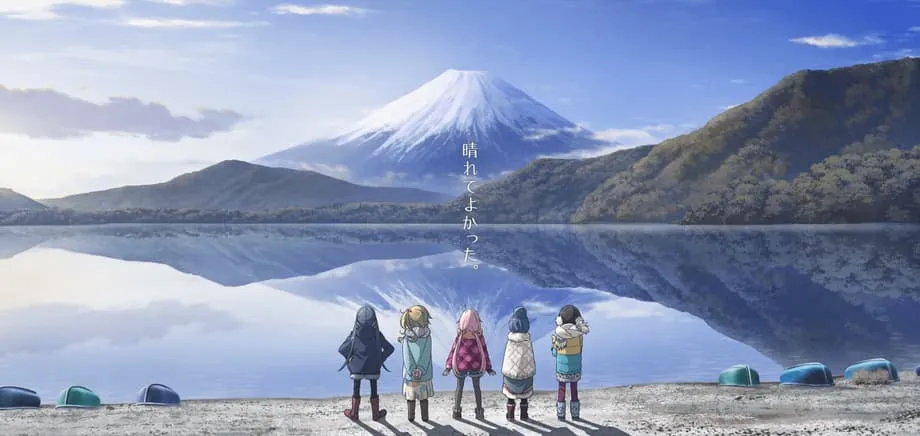
Filipino Fans Turn Screen Time Into Travel Plans
Filipino searches for destinations connected to anime, manga and related comics rose 155 percent from a year earlier in 2026, according to a May 18 report from travel booking platform Trip.com. Across Asia, searches for those travel experiences increased 195 percent, putting the Philippines among the leading markets for a growing business built around visiting the worlds of favorite stories.
Contents
- Filipino Fans Turn Screen Time Into Travel Plans
- Why Fans Visit Streets From Their Favorite Shows
- Tokyo Districts Turn Fandom Into Hotel Demand
- AnimeJapan Becomes a Reason to Book a Flight
- August Events Put Odaiba in Focus
- A Young Audience With Family Connections
- Hotels and Theme Parks Build Around Familiar Stories
- Screen Inspired Travel Extends Beyond Individual Events
- When a Manga Made Travelers Afraid to Visit
- What the Trend Means for Philippine Travel Businesses
- Key Points
The Philippines joined South Korea, Hong Kong, Taiwan and Indonesia among the top source markets for anime tourism. Trip.com also identified the Philippines as one of Asia's fastest growing markets for travel abroad, linking its enthusiastic fan communities to a young population, digital connections and spending power.
Trip.com described the Philippine audience in its report:
The Philippines, in particular, has become one of Southeast Asia's most passionate anime fan communities, fueled by a young, digitally connected population and the rising popularity of streaming platforms and online fan communities,
Japanese Ambassador to the Philippines Endo Kazuya said about 900,000 Filipinos visited Japan last year, compared with roughly 100,000 more than a decade ago. Those approximate figures represent a ninefold increase. Anime is one reason for the growing cultural connection, alongside Japan's wider appeal as a holiday destination.
Streaming marathons, social media fandom and the desire to stand where a favorite character once stood are now shaping itineraries, tour packages and accommodation choices. A railway crossing, a merchandise district or a convention can become the central reason for a trip.
The search figures describe interest expressed on a travel platform, while the ambassador's figures describe visits to Japan. Together, they show two parts of the story: a much larger flow of Filipino visitors and growing demand for travel connected to Japanese entertainment.
Why Fans Visit Streets From Their Favorite Shows
Anime fans call these journeys seichi junrei, a Japanese expression that translates loosely as "pilgrimage to sacred places." In this setting, the destinations are streets, train stations, cafes and landscapes associated with animated stories, rather than religious sites.
The practice began as a relatively quiet fan subculture largely within Japan and has spread internationally. Visitors seek the real places that supplied a setting or became recognizable through an anime or manga scene. For them, an ordinary location carries memories built through years of watching or reading.
Kamakura Kokomae Railroad Crossing, in the coastal city of Kamakura south of Tokyo, is one of the best known examples. Its connection to Slam Dunk, the basketball manga and anime series popular in the Philippines and across Asia during the 1990s, has made it a destination for overseas fans.
Visitors line up to recreate the anime's opening scene, in which the main character passes the crossing with the sea behind him. Many come from the Philippines and elsewhere in Southeast Asia. The setting's appeal lies in its close connection to a familiar scene, turning a railway crossing into a stop that fans build into a Japan holiday.
Trip.com has responded with tours themed around anime and manga, including a Slam Dunk pilgrimage and a day tour of Kamakura. Travel agencies are also promoting accommodation inspired by popular franchises, extending the experience from sightseeing into the places where visitors stay.
The company described the change in how fans spend their holidays:
Fans are no longer just consuming anime online,
They are traveling to experience the worlds of their favorite stories firsthand.
Tokyo Districts Turn Fandom Into Hotel Demand
Tokyo's Akihabara Electric Town and Ikebukuro district provide another kind of anime itinerary. Instead of visiting a single scene, fans can spend time among merchandise shops, themed cafes, events and photo opportunities.
Akihabara is known for electronics, anime merchandise and otaku culture, a term associated with devoted fans. Ikebukuro has developed into a center for anime events, shops and fan culture with a strong female audience.
Trip.com reported an average annual increase of 10 percent in hotel bookings in these areas, driven by travelers from South Korea, Thailand, Singapore, Hong Kong and Taiwan. Filipino fans are also joining the flow, attracted by the same shopping and entertainment experiences.
Accommodation demand connects the cultural attraction to spending beyond tickets and souvenirs. Visitors who choose a neighborhood because of its anime shops also need somewhere to sleep, meals during their stay and transport between destinations.
AnimeJapan Becomes a Reason to Book a Flight
AnimeJapan 2026, held in Tokyo in March, showed how a fan convention can become an international holiday destination. The event describes itself as the world's largest anime festival, and Trip.com served as its exclusive overseas ticketing partner.
International ticket sales through the platform rose 697 percent from the previous year. That increase means sales were almost eight times the earlier level. Travelers came from 82 countries and regions, with strong representation from Mainland China, Hong Kong, Singapore, Taiwan and the Philippines.
More than half of international ticket buyers were aged 25 to 34, and the majority were men. The figures describe an audience willing to organize travel around a specific event, booking flights and hotels and potentially extending the convention visit into a longer Japan itinerary.
Other events attracted different audiences. Hong Kong Comic Con 2026 was scheduled for May 29 to 31 and attracted overseas fans from Mainland China and Southeast Asia. More than 80 percent of its ticket buyers were members of Generation Z or millennials, while women accounted for more than 80 percent of ticket sales.
The contrast between the two events shows why anime and comic travel cannot be reduced to a single type of fan. AnimeJapan's international buyers were mostly men, while the Hong Kong event's ticket sales were predominantly to women. Both drew heavily from younger adult generations.
August Events Put Odaiba in Focus
Comiket, the convention held twice a year, is expected to draw its devoted fanbase to Tokyo's Odaiba area in August 2026. Hotel bookings there during the event period were already up 78 percent from a year earlier.
Pokemon GO Fest 2026, celebrating the mobile game's 10th anniversary, was also trending in Odaiba. The event had attracted more than 630,000 views on Trip.Pulse, Trip.com's tracker of travel trends based on its data.
Trip.com found that hotel bookings within three kilometers of anime festival venues tend to rise during the events. In Tokyo, Hong Kong and Bangkok, conventions therefore support spending at hotels, restaurants and public transportation services as well as the gatherings themselves.
The calendar shows how the interest developed across several months:
- March 2026: AnimeJapan took place in Tokyo, with international ticket sales up 697 percent from a year earlier.
- May 18, 2026: Trip.com's report detailed rising searches, convention ticket sales and accommodation demand connected to anime and comics.
- May 29 to 31, 2026: Hong Kong Comic Con was scheduled, attracting interest from Mainland China and Southeast Asia.
- August 2026: Comiket is expected in Odaiba, where hotel bookings during the event period were already up 78 percent.
The figures for August describe bookings ahead of the event. They give hotels and travel businesses a measure of demand before the convention takes place.
A Young Audience With Family Connections
Generation Z and millennials are leading the travel trend. These overlapping audiences grew up with streaming, online fan communities and social media that made anime accessible beyond conventional television schedules.
A report by anime streaming platform Crunchyroll found that 54 percent of Generation Z respondents rated anime favorably. In that comparison, anime performed better than global celebrities Bad Bunny, BLACKPINK and BTS. Just over half of millennial fans had followed anime for more than a decade.
Crunchyroll described anime as "a defining cultural touchstone for Gen Z," while also pointing to connections across generations. Around 25 percent of millennial fans and almost a third of Generation X fans said they shared their interest in anime with their children.
Some fans described the appeal in the report as:
something that speaks directly to them regardless of generation, more than any other genre.
The Philippines adds a particularly active social media audience to that picture. Filipino fans gather in online communities, exchange screenshots and travel tips, and organize meetups around conventions.
Netflix, Crunchyroll and local streaming services make anime available around the clock. Short video apps then circulate clips of recognizable locations, giving fans another route from watching a scene to planning a visit. A travel decision can begin with an animated story, develop through shared advice and end with a booked flight.
Longstanding interests also help explain why these trips appeal to adults. Someone who followed a series for more than a decade may now have the means to visit its locations or attend a convention, while parents can share the experience with children who enjoy the same medium.
Hotels and Theme Parks Build Around Familiar Stories
Hotels, resorts and theme parks are partnering with anime franchises to turn that interest into stays and attractions. The business extends beyond taking fans to an existing location: properties are also creating spaces designed around fictional worlds.
At The Farm, a countryside retreat in Katori, Japan, newly launched glamping rooms are themed around Frieren: Beyond Journey's End. Glamping combines camping with more comfortable accommodation. Here, the theme lets visitors spend their stay in surroundings inspired by the anime and manga series.
The grounds also include physical photo spots and monuments recreating memorable scenes. Those features give guests places to photograph and connect their visit to moments they recognize from the story.
Universal Studios Japan, one of Trip.com's most booked attractions in Asia this year, has collaborated with five blockbuster franchises. Its experiences include an immersive storywalk based on Frieren: Beyond Journey's End and three attractions based on Detective Conan: The World.
These partnerships place anime within destination marketing, the business of persuading people to visit a place. A familiar franchise gives a hotel or attraction an immediate connection with fans, while a themed room or experience gives those fans something specific to book.
Screen Inspired Travel Extends Beyond Individual Events
Across Asia, 70 percent of travelers said what they watched inspired them to visit destinations, according to research cited by Trip.com. That finding places anime tourism within a broader pattern in which screen entertainment influences holiday choices.
A Japan Tourism Agency survey found that the share of foreign visitors going to places associated with movies and anime increased from 4.6 percent in 2019 to 7.5 percent in 2023. The rise was 2.9 percentage points, with the later share about 1.6 times the earlier one.
Japan was still recovering from travel restrictions introduced during the pandemic in 2023. The increase during that recovery suggests that visits connected to movies and anime have momentum beyond a single convention or a newly popular series.
Japan's broader appeal also matters. The country is enjoying record visitor numbers, helped by a weak yen, strong airline connections and a reputation for safety, cleanliness and distinctive cultural experiences. Anime adds a personal connection to those practical and cultural attractions.
When a Manga Made Travelers Afraid to Visit
A separate episode in 2025 showed that comics can also discourage travel. The Future I Saw, a manga by Japanese artist Ryo Tatsuki first published in 1999, became the focus of fears about an earthquake in Japan.
The comic drew attention because its cover referred to a "massive disaster in March 2011." That was the month a devastating earthquake of magnitude 9.0 and a tsunami struck Japan's Tohoku region. A complete version published in 2021 included a warning that the next major earthquake could strike in July 2025.
Social media posts and videos warning against travel to Japan attracted millions of views. Travel agencies in Hong Kong and other Asian markets reported cancellations and postponed bookings as the prediction spread.
CN Yuen, managing director of Hong Kong travel agency WWPKG, said bookings to Japan had fallen by half during the Easter holiday and were expected to decline further. The anxiety was strongest among travelers from Mainland China and Hong Kong, but also reached Thailand, Vietnam and other markets where the manga had followers.
Japan's Cabinet Office said modern technology cannot accurately predict earthquakes. Seismologists and Japanese officials pushed back against the claims, while Miyagi Governor Yoshihiro Murai criticized the damage that unscientific rumors were doing to tourism. Miyagi was among the areas heavily damaged in 2011.
Tatsuki said she viewed it positively that interest in her work encouraged people to prepare for disasters. She also urged readers not to be "overly swayed" by her dreams and to make decisions based on expert opinions.
The episode shows how quickly a publication can become a regional travel story through social media. The same channels that circulate attractive anime locations can spread anxiety, changing whether people book, delay or cancel a trip.
What the Trend Means for Philippine Travel Businesses
Philippine travel agencies have an opportunity to build packages around particular series, conventions and anime destinations. A trip centered on Slam Dunk, a Tokyo festival or a themed attraction gives younger travelers a specific reason to choose an itinerary.
For many Filipino visitors, Japan is becoming more than a place for shopping and sightseeing. Standing where a favorite character stood, meeting thousands of fans at a festival or staying in accommodation inspired by a story adds an emotional purpose to the journey.
Japan's cities and local destinations can benefit in different ways. Kamakura's railway crossing attracts visitors because of an anime from the 1990s. Tokyo's merchandise districts draw fans seeking shops and cafes. Odaiba's convention calendar brings concentrated demand for hotels during event periods.
The connection is an example of cultural soft power: entertainment builds interest in another country and can influence spending there. Streaming and social media carry the stories across borders, while airlines, hotels, attractions and travel agencies turn that interest into journeys.
The 2025 earthquake fears show the other side of that influence. Fiction can inspire a holiday or help spread a rumor that disrupts it. For travel businesses, understanding what fans are watching and sharing has become part of understanding what they want to book.
Key Points
- Filipino searches for destinations connected to anime and comics rose 155 percent from a year earlier in 2026; searches across Asia increased 195 percent.
- Ambassador Endo Kazuya said about 900,000 Filipinos visited Japan last year, compared with roughly 100,000 more than a decade ago.
- AnimeJapan 2026 international ticket sales rose 697 percent, attracting travelers from 82 countries and regions.
- Kamakura Kokomae Railroad Crossing, Akihabara and Ikebukuro are major draws for fans visiting Japan.
- Odaiba hotel bookings during the August Comiket event period were already up 78 percent from a year earlier.
- Generation Z and millennials dominate many convention audiences, while anime also connects parents and children.
- The Farm and Universal Studios Japan are using popular franchises to create themed stays and attractions.
- A manga prediction prompted travel cancellations in 2025; Japan's Cabinet Office said modern technology cannot accurately predict earthquakes.