
When Essential Goods Vanish from Shelves
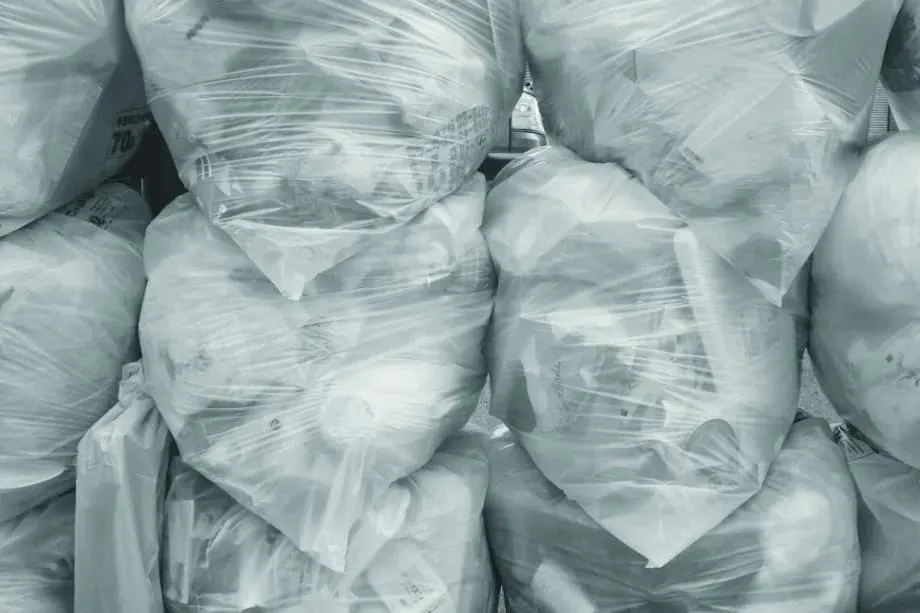
For weeks, shoppers across Japan have encountered an unsettling sight in neighborhood supermarkets. Shelves normally stacked with municipality designated garbage bags now carry handwritten apologies. At the Nishi-Nakahara Store of the Tagoju supermarket chain in Suruga Ward, Shizuoka, a simple notice greeted customers on May 19. "Sold out. We apologise for the inconvenience." The store reported weekly sales of the bags had jumped 50 to 80 percent compared with levels of the previous year. Food Market Moms Magarikane Store in the same ward imposed a limit of two bags per family, yet supplies still failed to keep pace with frantic demand.
Contents
- When Essential Goods Vanish from Shelves
- What Is Naphtha and Why Does It Matter?
- From Potato Chips to Housing Materials
- The Geopolitical Roots of a Domestic Shortage
- Panic Buying Sweeps Across Northeast Asia
- Official Reassurances Meet Widespread Skepticism
- Cities Rewrite the Rules on Waste Disposal
- Industry at a Crossroads
- Looking Beyond the Immediate Disruption
- The Bottom Line
The shortage centers on a household item so ordinary that most consumers rarely think about its origins. Garbage bags in Japan are not merely convenient containers. Many municipalities require residents to purchase designated bags for waste disposal, using specific colors and sizes to enforce strict sorting rules for recyclables, combustibles, and other categories. When these bags disappear, daily life faces immediate disruption.
A 70 year old shopper at the Tagoju store captured the public mood, expressing worry that sellouts would continue because the bags are a daily necessity. This anxiety has rippled through communities from Shizuoka to Gunma Prefecture, where residents flooded city offices with complaints about empty shelves. The crisis has forced local governments into an unusual position. They must choose between maintaining decades-old waste management protocols or allowing residents to use alternative bags simply so trash collection can continue.
What Is Naphtha and Why Does It Matter?
At the heart of this disruption lies naphtha, a term that has recently entered everyday conversation in Japan despite being largely unfamiliar to the general public until recently. Naphtha is a highly flammable liquid mixture produced during crude oil refining. While it can serve as fuel, its primary industrial role is far more expansive. The substance functions as a foundational feedstock for the petrochemical industry, earning it the nickname "flour of industry" among economists and manufacturers.
When subjected to extreme heat in a process called cracking, naphtha breaks down into essential chemicals including ethylene and propylene. These compounds become the building blocks for polyethylene, the material used in most plastic garbage bags, food packaging films, synthetic rubber, adhesives, detergents, printing inks, and medical supplies such as syringes and gloves. Naphtha also appears in insulation foam, PVC resin, automotive paints, and countless other products that form the invisible backbone of modern consumer economies.
Asia stands particularly vulnerable to naphtha supply disruptions because the region depends heavily on Middle Eastern exports. Japan sources more than 90 percent of its crude oil from the Middle East, and roughly three-fourths of its naphtha imports originate from the same region. When conflict disrupts shipping lanes, the effects travel rapidly through supply chains that most consumers never see, eventually appearing on supermarket shelves as empty spaces where plastic bags once sat.
From Potato Chips to Housing Materials
The garbage bag shortage represents only the most visible symptom of a much broader industrial strain. Across Japan, manufacturers dependent on naphtha-derived materials have begun making extraordinary adjustments to conserve supplies and maintain production. Major snack producer Calbee announced in mid-May that 14 of its most popular products, including iconic potato chips and cereals, would switch to monochrome packaging starting May 25. The company explained the change would conserve printing ink and oil based materials, with packages bearing the message "Package to save oil based materials."
Food manufacturer Kagome followed a similar path, redesigning its ketchup packaging to feature fewer tomatoes and less elaborate printing. Nisshin Seifun Welna, a major pasta producer, began using plain packaging tape for spaghetti products after printed versions with cooking instructions became difficult to produce. Mizkan, known for fermented soybean products, suspended sales of four natto items on May 1 and announced price increases of 6 to 20 percent for 19 household products effective June, citing both packaging container shortages and rising soybean costs.
The impact extends beyond food. Major paper manufacturer Daio Paper plans to raise prices by 15 percent or more starting August for household and commercial products including toilet paper, tissue, kitchen paper, diapers, and sanitary items. The company cited rising costs for fuel, logistics, packaging materials, and ink. Construction sites in Sendai and other cities face delays as builders struggle to procure waterproof sheeting, insulation, and resins derived from naphtha. Patient and physician groups have submitted requests to the health ministry urging assessments of medical equipment supply risks, particularly for syringes and sterile packaging that cannot easily be substituted.
Even the appearance of everyday goods has changed. Colorful potato chip packets and the longtime potato mascot of Calbee, familiar to Japanese consumers since 1976, temporarily disappeared from store shelves in favor of stark minimalist designs. These visual changes serve as constant reminders that a distant conflict has reached into domestic refrigerators and pantry cabinets.
The Geopolitical Roots of a Domestic Shortage
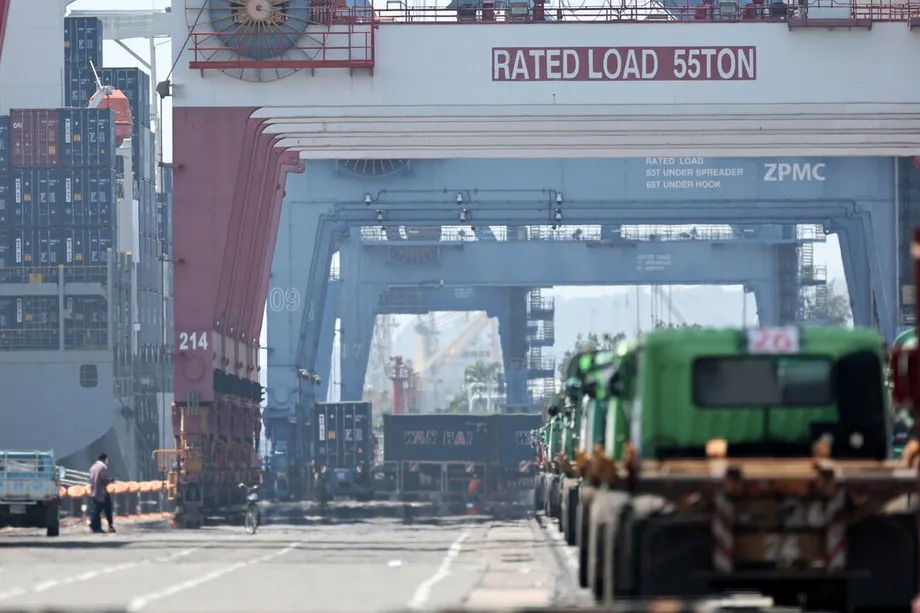
The immediate cause of Japan's naphtha anxiety can be traced to the Middle East, where conflict has severely disrupted shipping through the Strait of Hormuz. This narrow waterway serves as one of the most critical energy chokepoints in the world, with approximately 20 percent of global oil flows passing through it. Since the conflict intensified, exports from key producers including Qatar and Kuwait have faced severe constraints, effectively blocking the primary route for naphtha shipments to Asia.
Japan's exposure is acute. The country imports the vast majority of its naphtha, and with more than 90 percent of crude oil coming from the Middle East, even domestically refined naphtha faces feedstock uncertainty. According to trade data released by the Japanese finance ministry, Japan's naphtha imports plummeted 79 percent in April compared with levels of the previous year. Wholesale inflation accelerated at its fastest pace in three years, while naphtha prices surged roughly 79 percent, creating cost pressures that manufacturers cannot easily absorb.
The crisis has exposed the depth of Japan's energy import dependency. Prime Minister Sanae Takaichi has pointed to domestic naphtha production, existing stockpiles, and a projected threefold increase in imports from the United States, Algeria, and other sources outside the Middle East for May. Deputy Chief Cabinet Secretary Kazuhiko Aoki stated that sufficient supplies of naphtha for printing ink had been secured. Yet the government also acknowledges that safe passage through the Strait of Hormuz remains essential for full supply restoration, according to energy advisers.
Panic Buying Sweeps Across Northeast Asia
Japan is not alone in feeling the effects of disrupted petrochemical supplies. South Korea imports about 45 to 47 percent of its naphtha, with more than three-fourths originating in the Middle East. Petrochemical giants there have slashed operating rates while some chemical producers declared force majeure on shipments to automotive and electronics manufacturers. Taiwan's Formosa Petrochemical declared force majeure as well, and Indonesia's plastics industry warned of potential production halts. In South Korea, regulators launched a nationwide probe into firms suspected of hoarding syringes and medical supplies, mirroring the panic buying seen in Japan's garbage bag aisles.
In Indonesia, suppliers have warned plastics retailers that they could be forced to cease production due to scarcity of naphtha. One Jakarta packaging vendor reported daily sales dropping by almost half, with a sign at the entrance warning customers of skyrocketing prices. The government in Indonesia responded by scrapping import duties on materials used to make plastic packaging, including polypropylene and high density polyethylene, in an effort to ease price increases on packaged food and drinks.
Healthcare systems across the region face growing strain. In South Korea, large hospitals maintain stocks through extended contracts, but clinics report low inventory levels and delayed supply. A survey by the South Korean Ministry of Food and Drug Safety showed national syringe stocks declining slightly from week to week in late April. The shortage of polypropylene and PVC limits availability of intravenous fluid packs and sterile packaging, turning a petrochemical shortage into a public health risk in countries with already stretched medical systems.
Official Reassurances Meet Widespread Skepticism
Faced with growing public alarm, Japanese officials have issued repeated calls for calm. Environment Minister Hirotaka Ishihara addressed the garbage bag situation directly at a May 15 press conference, urging consumers to avoid purchasing more than necessary and engage in sensible consumption. He stated that the ministry had surveyed 28 manufacturers and trading companies accounting for over 90 percent of domestic garbage bag supply, and all confirmed they could meet usual annual volumes by securing raw materials from sources outside the Middle East.
Prime Minister Sanae Takaichi has offered similar reassurances, pointing to domestic naphtha production, existing stockpiles, and a projected threefold increase in imports from the United States, Algeria, and other sources outside the Middle East for May. The government maintains that any distribution bottlenecks reflect temporary logistics challenges rather than fundamental supply failures. Shipment volumes from major garbage bag manufacturers in April reportedly increased by 10 to 100 percent from levels of the previous year, suggesting producers are racing to meet demand.
Please avoid purchasing more than necessary and practice calm consumer behavior.
Yet the public appears unconvinced. A nationwide survey conducted by a major Japanese newspaper from May 22 to 24 found that 64 percent of respondents said they could not accept the government claim that naphtha supply poses no issue. Even among cabinet supporters, 57 percent expressed negative attitudes toward the official explanation. A separate poll revealed that more than 70 percent of respondents were concerned about naphtha supply disruptions, with the cabinet approval rating slipping 2.5 percentage points to 61.3 percent. Haruhiko Sakaino, an adviser to the Agency for Natural Resources and Energy in Japan, warned that if current conditions persist, the number of companies entering the red zone of production disruptions could spike by June.
Cities Rewrite the Rules on Waste Disposal
While national leaders debate procurement strategies, municipal governments have been forced into immediate action. In Shizuoka, city officials announced on May 18 that residents could dispose of garbage in transparent or semi-transparent alternative bags, abandoning the usual requirement for designated municipal bags. The measure came after weeks of shortages left households without legally compliant options for trash disposal.
Isesaki in Gunma Prefecture took similar action on May 11, permitting other bags for combustible waste after designated bag sales surged to roughly twice normal volumes since mid-April. City officials acknowledged that garbage sorting might suffer under the relaxed rules, but concluded there was no choice under current circumstances. "Many people seem to have bought extra after seeing reports of the naphtha shortage," one city official noted, capturing the self-reinforcing cycle of media coverage and hoarding behavior.
Obu City in Aichi Prefecture pursued a different solution. After receiving warning in mid-March from an approved bag maker that supply might be disrupted from July due to naphtha shortages, the city switched the material used for its designated bags. The new version relies primarily on recycled domestic packaging film rather than virgin polyethylene derived from imported naphtha. City officials expect a stable supply without import dependence, and plan to phase in the new bags as conventional stocks deplete. According to the Environment Ministry, approximately 20 municipalities have adopted alternative measures based on confirmed reports, with additional localities facing shortages still weighing their options.
Industry at a Crossroads
Behind the empty shelves and emergency municipal policies, the industrial sector in Japan faces a more fundamental challenge. Research by a major credit research firm identified 52 companies directly using naphtha to produce basic chemical materials, which then flow to nearly 46,000 manufacturers representing almost 30 percent of the manufacturing base in Japan. Within the chemicals and petroleum sector, 67.2 percent of companies are integrated into the naphtha supply chain.
Japanese ethylene producers have already cut output, with operating rates falling to 68.6 percent, the lowest level on record according to available industry data. A survey by a major consumer goods trade body found that 44 percent of Japanese firms reported being impacted by the shortage, with more than 72 percent indicating they would raise prices if conditions continue and over 47 percent saying they would limit product supplies. One major ink manufacturer has reportedly raised prices by 20 percent, adding further pressure to packaging-dependent industries.
Some analysts see the crisis accelerating longer-term shifts in industrial strategy. The price gap between virgin and recycled plastics has narrowed dramatically, with recycled plastic prices jumping from roughly $400 per ton before the crisis to $1,600 per ton today, while virgin plastics have risen from $950 to over $1,800 per ton. This shift could make sustainable alternatives more economically viable. Others suggest the disruption may push Asian economies toward a diversified sourcing strategy, reducing dependence on the Strait of Hormuz. Even so, experts caution that recycling infrastructure remains underdeveloped across much of Asia, and smaller manufacturers lack the hedging tools, extended contracts, and inventory buffers available to large conglomerates.
Looking Beyond the Immediate Disruption
The garbage bag crisis offers a window into how modern supply chains transmit geopolitical shocks directly into domestic routines. For decades, public discussion of oil dependency focused on gasoline and transportation. The current shortage reveals that petroleum has become equally vital to plastics, packaging, and chemicals that permeate daily existence. Petrochemical feedstocks now account for roughly 12 percent of global oil demand, with projections suggesting that share could rise further in coming years.
Officials in Japan continue working with the Economy, Trade and Industry Ministry to identify bottlenecks and urge relevant businesses to accelerate distribution. Manufacturers insist they can maintain annual supply volumes by diversifying procurement routes. Still, with naphtha prices nearly doubling since the conflict began and Asian refineries reducing processing runs, the pressure on industrial margins will not ease quickly. For consumers, the monochrome snack packets, simplified ketchup labels, and relaxed garbage bag rules serve as daily reminders that a distant conflict has reached their kitchen tables and trash bins.
The Bottom Line
The crisis demonstrates how geopolitical conflicts can rapidly reshape daily life in unexpected ways.
- Japan is experiencing severe shortages of municipality designated garbage bags as consumers stockpile supplies amid fears of naphtha disruption caused by Middle East conflict.
- Naphtha, a petroleum derivative used to produce plastics, inks, and synthetic materials, has become scarce due to shipping disruptions in the Strait of Hormuz.
- Multiple municipalities including Shizuoka, Isesaki, and Obu have suspended normal garbage bag rules or switched to alternative materials to maintain waste collection services.
- The shortage extends far beyond garbage bags, affecting food packaging, medical supplies, housing materials, and consumer goods across Japan and Asia.
- Despite government assurances that supply is secured, polls show 64 percent of Japanese citizens distrust official claims, while industrial operating rates have fallen to record lows.