A Petroleum Squeeze Reaches Everyday Japan
Japan's shortage of naphtha, a petroleum material used to make plastics, inks and many other goods, has reached supermarket produce counters, bakery bags, school lunches and housing construction. As of June 4, 2026, a war in the Middle East and the blockade of the Strait of Hormuz have disrupted shipping for more than two months, leaving businesses searching for supplies and households facing higher prices.
Contents
- A Petroleum Squeeze Reaches Everyday Japan
- Why Naphtha Matters Beyond Fuel
- Food Containers and Garbage Bags Run Short
- Snack Makers Strip Color From Packaging
- Housing Projects Wait for Paint and Adhesives
- Schools and Banana Importers Face Rising Costs
- Installation Fees and Airfares Climb
- Government Reassurance Meets Public Concern
- South Korea and Taiwan Feel the Same Pressure
- How the Disruption Has Unfolded
- What to Know
Japan Petrochemical Industry Association data showed that March production of polyethylene, a plastic used in shopping and garbage bags, fell 62% from a year earlier. Finance Ministry trade statistics showed imports of naphtha and other volatile oils from the Middle East dropped 36.9% over the same period. Naphtha inventories have fallen by roughly a quarter since the start of the year.
At the ColekoVer supermarket in Kawasaki, south of Tokyo, manager Takeshi Takanohira now asks employees to skip the individual plastic bags customers normally expect for fruit and vegetables. Plastic trays for some produce disappeared in May. One station away, the Le Main Qui Pense bakery posted a sign explaining that the Middle East war and resulting naphtha shortage had left it without bags for baguettes.
Shisou Tanoshiri, who runs the bakery with her husband, said plastic gloves used to handle food are also in very short supply. A small delivery of bags arrived in mid May, but the supplier could not promise another. Japanese hygiene expectations make the adjustment harder because many customers dislike reusing bags that directly touch food.
Japan uses more than 8 million tonnes of plastic annually, with the food sector accounting for nearly one third. Multiple layers of wrapping remain common and are seen as part of the country's service culture. The shortage is putting that familiar approach under pressure, from small independent shops to large chains and public services.
Why Naphtha Matters Beyond Fuel
Naphtha, pronounced "nafusa" in Japanese, was unfamiliar to many people in Japan only a few months ago. It is a highly flammable mixture of liquids obtained from crude oil, sitting between gasoline and heavier fuels in the refining process. Its importance comes from its use as a raw material, rather than simply as something to burn.
Petrochemical plants process naphtha into ethylene and other chemicals, which become building blocks for polyethylene, polypropylene and other materials. Those materials are used in plastics, synthetic fibers, rubber, adhesives, printing inks and medical supplies such as syringes. A disruption can therefore reach businesses that seem far removed from oil production.
Japan depends on the Middle East for more than 90% of its crude oil imports. Domestic refineries extract naphtha from that crude, while Japan also imported more than 40% of its naphtha directly from the Middle East before the crisis. Both routes leave the country exposed to interrupted shipping from the region.
The Strait of Hormuz normally carries roughly one fifth of global petroleum supplies. Before the conflict, approximately a quarter of global seaborne crude oil and a fifth of liquefied natural gas passed through the narrow waterway. The blockade has choked exports from major producers including Qatar and Kuwait.
Asia is the largest export market for Middle Eastern naphtha. Processing more material in Asian refineries offers limited relief because much of their crude also travels through Hormuz. In Japan, wholesale inflation accelerated in April at the fastest pace in three years, while naphtha prices rose roughly 80%. Other plastics recorded production declines similar to the fall in polyethylene.
Toby Whittington, a lead economist at the advisory firm Oxford Economics, described how the disruption was spreading through East Asian economies:
In East Asia, naphtha is the principal mechanism through which supply shocks from the Middle East are already transmitting throughout the economy. It feeds into everything. That is why this is beginning to hit economies so hard.
Food Containers and Garbage Bags Run Short
Hinode Delica, a bento shop in Kofu City west of Tokyo, is giving free side dishes and extra toppings to customers who bring their own plates or containers. The shop was told that container prices would rise by 30% in June, adding a financial squeeze to the difficulty of finding packaging.
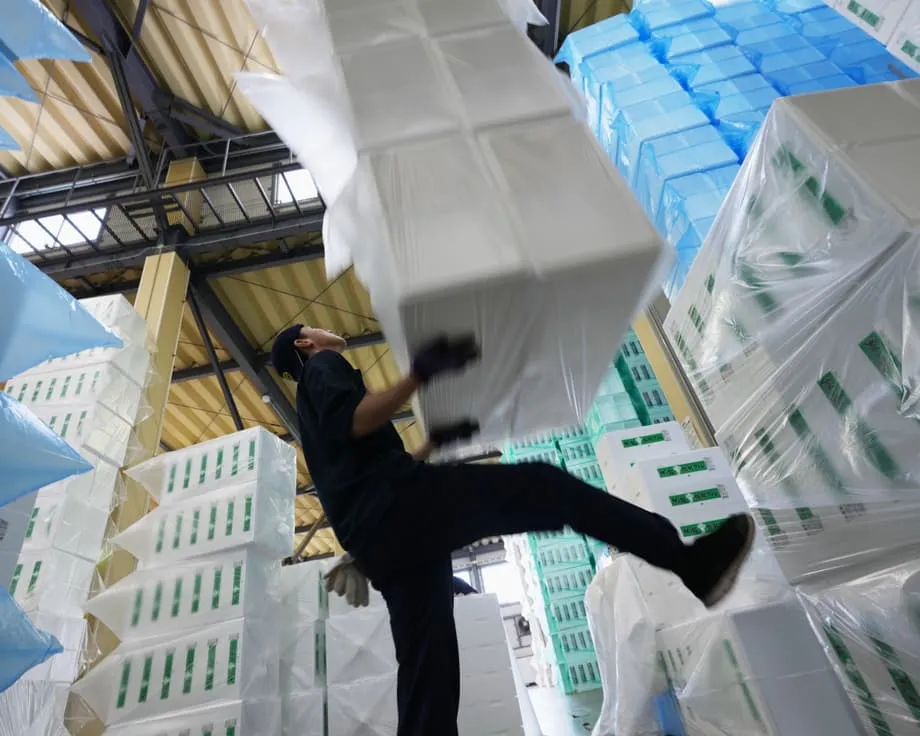
Takeaway businesses, supermarkets and bakeries across Japan are struggling to obtain bags, food trays and service gloves. The problem reaches beyond the packaging handed to customers. A Tokyo restaurant operator said rubber gloves and cleaning agents had become difficult to procure, raising operating costs and requiring visits to quite a few stores to find essential items.
A resident also described hearing from a dentist that the clinic had run out of gloves. That conversation brought home the seriousness of the shortage to the resident. Medical supplies and restaurant hygiene equipment depend on some of the same petroleum materials used in ordinary shopping bags.
Municipal waste systems face another practical problem. Many require residents to separate rubbish into designated bags identified by color. Panic buying has led some stores to limit purchases to two bags per customer, while some municipalities are temporarily accepting bags that would normally be unapproved.
Japan's reliance on disposable food packaging makes changes especially noticeable at the checkout and lunch counter. Shops are reducing wrapping, asking customers to supply containers or searching for replacement materials, while still trying to meet expectations about cleanliness and service.
Snack Makers Strip Color From Packaging
Calbee, Japan's largest snack maker, announced that 14 staple products, including potato chips and Kappa Ebisen shrimp snacks, would switch to black and white packaging beginning in June. Supplies of color printing ink made from naphtha have become unstable, prompting the company to simplify its designs.
Calbee called the change "petroleum resource saving packaging" and said it would halve ink use. A company representative described it as a measure to ensure a stable supply of products. The familiar snack packages made the effects of the conflict more tangible for consumers who had previously regarded naphtha as an abstract industrial concern.
FamilyMart plans to introduce black and white printing on its private brand products starting this summer. Sandwich wrappers, onigiri rice ball packaging and frozen beverage lids will be among the first affected. Lawson has replaced plastic lids for small hot coffees with paper lids at selected locations and is reviewing all its packaging materials.
Pan Pacific International Holdings, which operates the Don Quijote discount chain, has begun selling 26 private brand products in simplified monochrome packaging. Nisshin Seifun Welna will stop printing cooking times in red on the bands around its spaghetti.
Aeon's Topvalu private brand has reduced plastic use in one product by around 40% by replacing a tray with a bag. Mitsuko Tsuchiya, president of the company operating Topvalu, told reporters that the Middle East crisis had created an opportunity to reconsider its approach to environmental issues. She said there was still room for further innovations.
Housing Projects Wait for Paint and Adhesives
Japan's housing industry is facing shortages of paint, thinner, insulation materials and adhesives. At a detached home in Osaka Prefecture undergoing exterior renovation, work stopped for roughly three weeks because paint failed to arrive. Major developer Mitsui Fudosan has warned buyers that housing handovers could be delayed.
Toto temporarily stopped accepting orders for unit baths because adhesives were in short supply. Lixil announced planned price increases for toilets and kitchens beginning in August. A paint wholesaler in Nishinomiya, Hyogo Prefecture, described nearly empty storage areas where supplies would normally be stacked three or four levels high.
A small paint factory in Osaka employing about 20 workers began experiencing worsening solvent shortages in mid March. Solvents are liquids used in paint production. The factory usually bought through its existing trading partners, but contacted around ten additional suppliers and managed to secure materials from only two companies.
The factory's president described both the unfamiliar conditions and the continuing flow of orders:
Our production manager has been in this industry for 40 years and says he has never seen anything like this. Even if we produce and ship products every day, orders keep coming in nonstop.
Schools and Banana Importers Face Rising Costs
Clare, a manufacturer of the elementary school backpacks known in Japan as randoseru, raised prices on April 1 after polyester and nylon became more expensive. The backpacks use synthetic leather made from materials derived from naphtha, connecting another familiar purchase to the petroleum supply disruption.
School lunch bread suppliers in Miyagi Prefecture reported packaging cost increases of 30% to 50%. Concerns also extend to containers for noodles and desserts. Higher airline fuel surcharges are making school trips more expensive, and some schools have collected additional money from parents to cover the difference.
Japan's banana trade faces a different use of the same chemical supply chain. The country imports about one million metric tons of bananas each year. The fruit arrives green and is ripened in rooms filled with ethylene gas derived from naphtha.
The Japan Banana Importers Association warns that ethylene supplies are running low, putting supplies of one of the country's most popular fruits at risk. Its secretary general, Eiji Akashi, described the naphtha situation as the worst shortage in five decades.
Food businesses therefore face pressure at more than one stage: the materials used to prepare fruit for sale, the containers holding meals and the bags carrying purchases home. Schools and families encounter the same disruption through lunch costs, backpacks and travel fees.
Installation Fees and Airfares Climb
A Tokyo electronics store raised its air conditioner installation charge from 11,000 yen to 16,500 yen as supplies of tape and putty dwindled. It planned another increase to 19,800 yen in June. Material costs per installation had reached 9,000 yen.
The first fee increase amounts to 50%, while the planned June charge is 80% above the original 11,000 yen. Those figures show how a shortage of relatively small installation materials can affect the price paid by a household for a much larger appliance.
Japan Airlines and All Nippon Airways have sharply increased fuel surcharges. ANA raised the surcharge on flights going one way to North America and Europe from 31,900 yen to 56,000 yen starting May 1, an increase of 24,100 yen, or about 76%.
Automobile manufacturers have also reduced production of certain models because of aluminum shortages linked to the broader supply disruption. Alongside the naphtha squeeze, those interruptions are extending the effects of the conflict across manufacturing, transport and household services.
Government Reassurance Meets Public Concern
Prime Minister Sanae Takaichi's administration has faced growing pressure as shortages spread. Officials describe the problem as a supply bottleneck rather than a true shortage and say necessary supplies, including garbage bags and printing ink, have been secured. A bottleneck means goods are being held up at some stage between production and delivery.
Environment Minister Hirotaka Ishihara urged the public to remain calm and avoid panic buying. Deputy Chief Cabinet Secretary Yoshihiko Isozaki reassured people about ink supplies after Calbee's packaging announcement attracted attention. Takaichi has resisted calls to reduce consumption and has instead focused on finding alternative oil sources.
Industry leaders and commentators have challenged the government's account, warning that conditions will worsen through June. Businesses are already dealing with missing materials, uncertain deliveries and rising costs, even as officials offer assurances about necessary supplies.
Polling in late May found that more than 70% of respondents were concerned about disruptions to naphtha supplies. An equal share said the government should ask the public to conserve energy. Cabinet approval fell 2.5 percentage points to 61.3%, although it remained relatively high after Takaichi's landslide election victory in February.
How much responsibility the public assigns to the government for a crisis rooted in a foreign war is difficult to gauge. The immediate choices facing the administration are more concrete: obtaining alternative supplies, addressing delivery problems and responding to demands for conservation while businesses warn of further strain.
South Korea and Taiwan Feel the Same Pressure
South Korea and Taiwan are experiencing similar disruption because East Asian economies source most of their oil and naphtha from the Middle East. In Seoul, daily sales of plastic garbage bags rose nearly fivefold in March, prompting purchase restrictions and government reassurance.
South Korea's energy and environment minister posted on social media that there was no need to worry about supplies of standard garbage bags. The surge in purchases nevertheless showed how quickly anxiety about industrial materials can reach ordinary households.
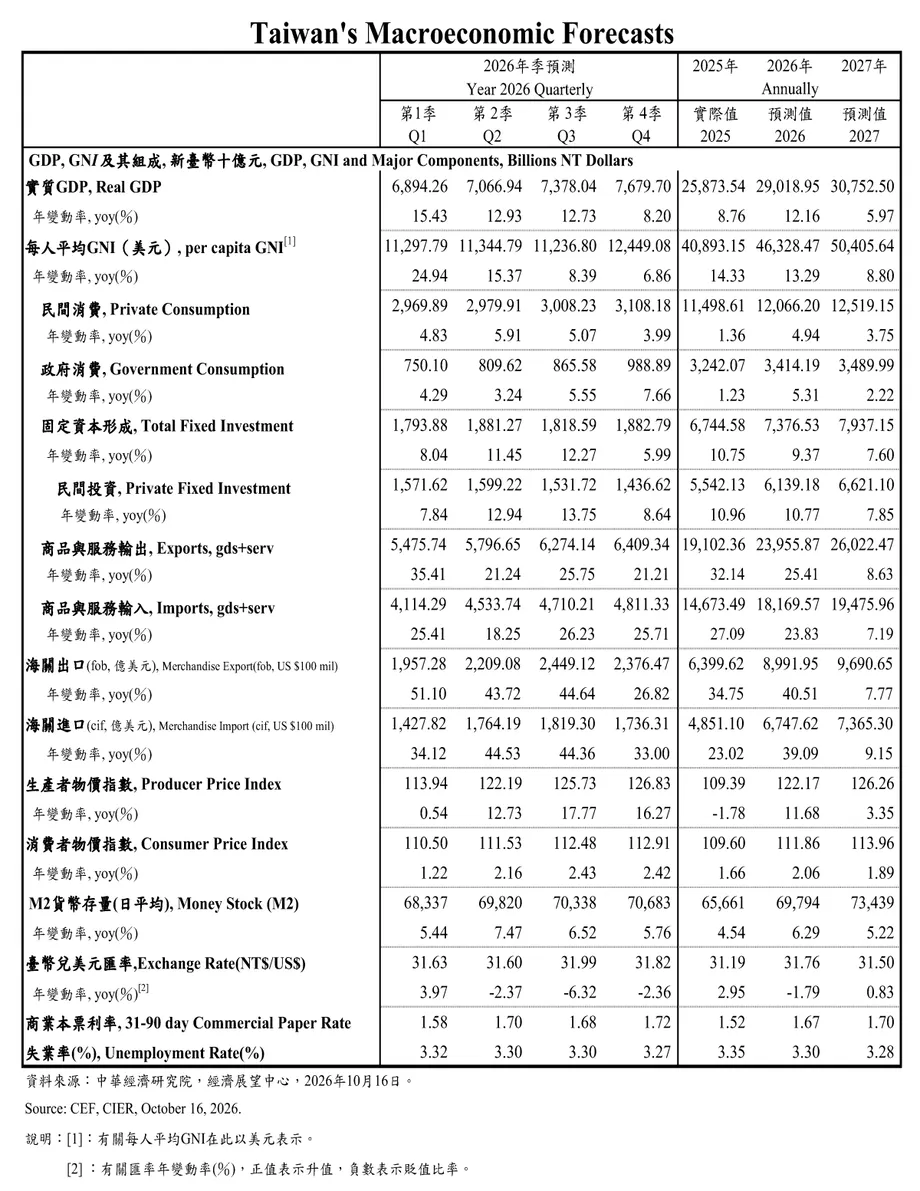
Taiwan consumes roughly 9 billion plastic bags a year and is among the world's largest users per person. It imports about 70% of its crude oil from the Middle East. Wholesale plastic prices have risen by up to 40% this year.
Taiwan's government has urged residents to avoid hoarding plastic bags and is monitoring companies for profiteering. Across the region, governments are drawing down reserves and seeking alternative suppliers, but replacing the large volumes normally moving through Hormuz remains difficult and expensive.
How the Disruption Has Unfolded
Japan's difficulties have accumulated across several months, moving from raw materials and factory output into retail packaging, public services and household bills. The sequence also sets out the changes businesses have announced for the coming months.
- February: Takaichi won a landslide election victory.
- Mid March: Solvent shortages worsened at the small Osaka paint factory.
- March: Japan's polyethylene production fell 62% from a year earlier, while imports of naphtha and other volatile oils from the Middle East fell 36.9%. Seoul's daily garbage bag sales rose nearly fivefold.
- April 1: Clare raised randoseru prices following increases in polyester and nylon costs.
- April: Japan's wholesale inflation accelerated at the fastest pace in three years, with naphtha prices rising roughly 80%.
- May 1: ANA increased its surcharge on flights going one way to North America and Europe to 56,000 yen.
- Mid May: Le Main Qui Pense received a small delivery of baguette bags, without a promise of another shipment.
- Late May: More than 70% of poll respondents expressed concern about naphtha disruption, with an equal share supporting a government call to conserve energy.
- June: Calbee's packaging changes begin, Hinode Delica faces a planned 30% increase in container prices, and the Tokyo electronics store plans to raise installation fees to 19,800 yen.
- Summer: FamilyMart plans to begin simplifying printing on selected private brand packaging.
- August: Lixil plans price increases for toilets and kitchens.
By June 4, the blockade had lasted more than two months. The next announced changes involve prices and packaging, while factories, retailers and service providers continue trying to secure the materials they need.
What to Know
- Japan imports more than 90% of its crude oil from the Middle East and previously obtained more than 40% of its naphtha directly from the region.
- March polyethylene production fell 62%, and naphtha inventories have dropped by roughly a quarter this year.
- Shortages affect food packaging, gloves, paint, adhesives, school supplies and ethylene used to ripen bananas.
- Calbee, FamilyMart and other retailers are simplifying packaging to reduce ink or plastic use.
- Housing delays, higher installation fees and rising airline surcharges are extending the pressure on households.
- Japanese officials describe a supply bottleneck and urge calm, while industry leaders warn of worsening conditions through June.
- South Korea has experienced a surge in garbage bag buying, and Taiwan's wholesale plastic prices have risen by up to 40% this year.