A Major Expansion for Taipei’s Busiest Metro Line
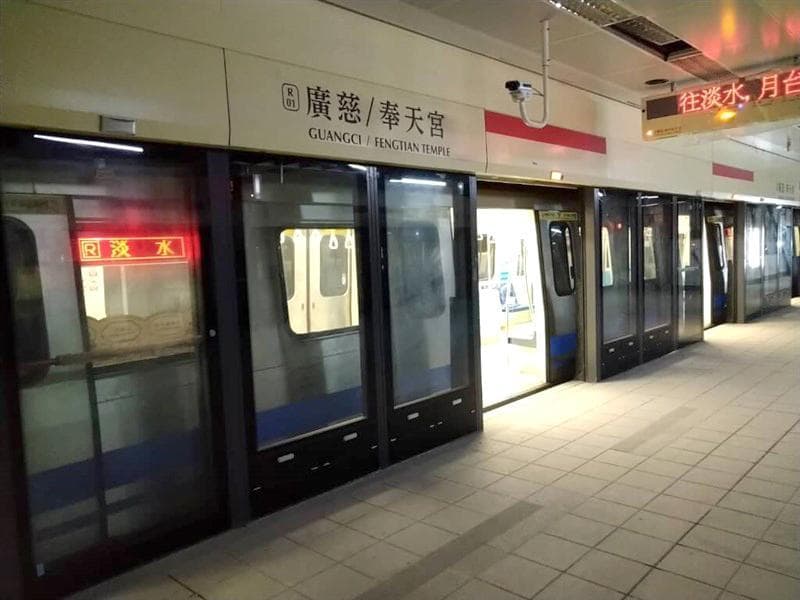
After nearly a decade of construction marked by significant engineering challenges, the eastern extension of the Taipei Metro Red Line is scheduled to begin operations in late June. The 1.4 kilometer addition will push the Tamsui-Xinyi Line further east from its current terminus at Xiangshan Station to a new station at Guangci/Fengtian Temple, connecting riders to the Guangci Boai Park area and improving transit access in the eastern districts of Taiwan’s capital.
- A Major Expansion for Taipei’s Busiest Metro Line
- Construction History and Setbacks
- Engineering Challenges Underground
- Nighttime Testing Protocols
- Surface Work and Station Amenities
- Promotional Free Rides Under Consideration
- Coordinated Openings Across Northern Taiwan
- Long Term Infrastructure Planning
- What This Means for Commuters
- The Essentials
The Taipei Department of Rapid Transit Systems announced this week that construction has reached 90.6 percent completion as of late March. Final inspections by the Ministry of Transportation and Communications are expected to take place in June, with a preliminary committee meeting scheduled for May 10 to discuss inspection protocols. While the project originally targeted a first quarter 2026 opening, workforce shortages in specialized technical fields pushed the timeline back by several months.
This extension represents the latest chapter in the evolution of the Red Line, which currently spans 29 kilometers from Tamsui in the north to Xiangshan in the east, making it the longest line in the Taipei Metro network. The route serves diverse neighborhoods including the historic Tamsui waterfront, the commercial centers of downtown Taipei, and the Xinyi business district before reaching its current eastern limit. The addition will extend this reach while providing critical new infrastructure to support operational efficiency across the entire system.
Construction History and Setbacks
Work on the eastern extension began in October 2016, initiating a complex engineering project that has outlasted many other infrastructure initiatives in the region. The construction timeline faced multiple obstacles, with the most recent delays attributed to shortages of electromechanical engineering crews and specialized technical personnel needed for the intricate installation work.
These staffing challenges reflect broader trends affecting Taiwan’s construction sector, where major infrastructure projects across the island are competing for limited expertise. The Department of Rapid Transit Systems initially aimed to open the extension in the first quarter of 2026, but the lack of available skilled workers slowed the final phases of work, necessitating the revised June target.
Director Cheng De-fa of the Department of Rapid Transit Systems explained the inspection process that must precede opening. Once the Ministry of Transportation completes its review, any required improvements must be addressed before an operating permit is granted. Only then can the opening date be finalized, with late June representing the earliest possible target given current progress.
The main structure of Guangci/Fengtian Temple Station is now largely complete, representing a significant milestone in the construction sequence. However, work continues above ground on Fude Street, where crews are building bus stops and transfer facilities to ensure smooth connections between the metro and surface transit options.
Engineering Challenges Underground
City engineers have described this extension as one of the most technically demanding construction projects in the history of the Taipei Metro. The tunneling work required careful navigation through varying geological conditions that changed dramatically with depth. Near the surface, crews encountered shallow ground layers saturated with water, necessitating extensive cement reinforcement before tunnel boring machines could proceed safely.
At lower depths, the excavation equipment had to cut through solid rock formations, creating a dual challenge that complicated both the tunneling process and the structural support requirements. These conditions demanded specialized tunnel boring equipment and sophisticated cement injection techniques to stabilize the excavation path and prevent water infiltration.
Beyond the tunneling itself, the project includes a dedicated track connection to Yucheng Park, a facility capable of housing four trains overnight. This addition will allow the Red Line to increase operational efficiency by providing additional parking capacity for rolling stock near the eastern terminus, reducing the need to move empty trains back to distant depots during off peak hours.
All underground and track installation work has been completed, allowing the project to enter its final stage of dynamic testing. This phase involves verifying that all systems function correctly under operational conditions before passengers are allowed to board.
Nighttime Testing Protocols
Because the Red Line maintains regular daytime operations serving millions of passengers, all testing of the new extension must occur during nighttime hours after the last train departs Xiangshan Station. This constraint creates a narrow window for crews to verify safety and performance standards.
Teams from the Department of Rapid Transit Systems and the Systemwide Electrical and Mechanical Project Office work through the night to conduct comprehensive safety checks. The process begins with manual track inspections conducted on foot while power to the tracks is disconnected. Engineers visually inspect the route to confirm no obstacles remain before removing temporary fences that separate operational and non-operational areas.
Chang Yu-chia, chief of the Systemwide Electrical and Mechanical Project Office, outlined the testing sequence in a recent briefing. Following the manual inspection, crews conduct slow-speed track verification at 10 kilometers per hour to confirm the testing route is clear. Subsequent phases include safety braking distance tests conducted at 40 kilometers per hour to verify that trains can stop within required parameters.
Comprehensive testing operations take about two hours, and the tested trains must be returned to Xiangshan Station by 4:30 a.m. to allow normal service to resume before 6 a.m.
Additional tests verify that trains receive correct speed codes from the signaling system and can automatically stop at precise platform positions to align with station doors. Each cycle requires approximately two hours, with tested trains required to clear the tracks by 4:30 a.m. to ensure the first morning departure to Tamsui proceeds on schedule.
Surface Work and Station Amenities
While the underground infrastructure nears completion, significant work continues at street level around the new terminal station. Crews are constructing bus stops and transfer facilities along Fude Street to integrate the metro station with Taipei’s surface transit network. These connections will allow passengers to transfer seamlessly between the Red Line and bus routes serving neighborhoods beyond walking distance from the new station.
Remaining surface tasks include road restoration, backfilling, and utility duct work. Officials estimate these activities will continue for more than a year after the rail line opens, but emphasize that this ongoing surface construction will not affect train operations once service begins.
The station design incorporates features to handle passenger flow efficiently while providing accessibility for all users. As with other stations on the Red Line, the facility will include elevators, escalators, and clear signage to guide passengers through the underground environment.
Promotional Free Rides Under Consideration
Taipei Rapid Transit Corporation, which operates the metro system, is exploring promotional programs to mark the inauguration of the extension. Company President Huang Ching-hsin confirmed that preliminary discussions include the possibility of offering one month of free rides specifically on the new section.
One specific option under review would waive additional fares for passengers traveling to the new segment. This approach would allow existing Red Line users to experience the extension without paying extra while attracting new riders to test the service. The promotional strategy aims to build ridership patterns and familiarize the public with the new station location before regular fare structures take full effect.
Huang indicated that the operator will follow city government policy once officials finalize a promotional plan. The company has successfully launched previous extensions using similar trial periods, which help identify any remaining operational issues while encouraging residents to incorporate the new route into their daily travel routines.
Coordinated Openings Across Northern Taiwan
The Red Line extension represents one component of a coordinated infrastructure rollout across the Taipei metropolitan region. The National Development Council announced that the New Taipei Metro’s Sanying Line, also known as the Light Blue Line, will open simultaneously in June. This 14.29 kilometer elevated line will connect Tucheng and Yingge via Sanxia District, providing crucial connectivity in New Taipei City.
The Sanying Line will eventually extend further to connect with Taoyuan’s Green Line, creating an integrated network spanning multiple municipalities. A 4 kilometer extension to Danan on Taoyuan’s Green Line has already received approval, though construction on that segment has not yet begun.
Other major transportation projects advancing this year include the Danjiang Bridge, scheduled to open in May. This cable stayed bridge will reduce travel time between New Taipei’s Tamsui and Bali districts by 25 minutes while diverting approximately 30 percent of traffic from the congested Guandu Bridge. The northern section of the Taoyuan Metro Green Line and the first phase of the Tainan Railway Underground Project are expected to begin operations by year’s end.
The National Development Council maintains an annual public infrastructure budget of NT$800 billion (approximately US$25 billion), with NT$97.3 billion already allocated by late February. These investments span transportation, energy, and cultural facilities, including the Taoyuan Museum of Fine Arts and the Southern Branch of the National Central Library, both scheduled for completion this year.
Long Term Infrastructure Planning
These transit improvements align with the Ministry of Economic Affairs’ “Capital Region Golden Corridor” initiative, which aims to strengthen industrial advantages in Taipei and New Taipei while boosting development in Keelung and Yilan. Improved transportation infrastructure serves as the foundation for this regional revitalization strategy, with metro extensions providing the connectivity needed to support economic growth across municipal boundaries.
New Taipei Metro Corporation President Kuo-Chi Wu has described how new lines function as feeder routes to existing Taipei Metro lines, addressing the lower population density in peripheral areas while encouraging residents to switch from private vehicles to public transit. The Sanying Line and Red Line extension together will create new options for commuters traveling between Taipei proper and surrounding districts.
Looking ahead, additional projects are taking shape. The Wanda-Shulin Line, which will connect central Taipei with southern districts of New Taipei City, is scheduled to open in phases through 2031. The Xizhi-Donghu Line and a potential Keelung connection are planned for completion in the early 2030s, further extending the reach of the metro network into eastern New Taipei City.
What This Means for Commuters
When service begins in late June, residents of the Guangci Boai Park area will gain direct metro access for the first time, eliminating the need to rely on buses or private vehicles to reach the Xinyi District and beyond. The extension maintains the high capacity rapid transit standards of the existing Red Line, with underground stations designed to accommodate the heavy passenger volumes that characterize this busy corridor.
The additional train storage capacity at Yucheng Park will improve operational flexibility for the entire Red Line. By housing four trains overnight near the eastern terminus, the system can maintain consistent service intervals during morning and evening peak periods while reducing delays caused by train positioning logistics.
For daily commuters, the extension offers an alternative to road congestion in the eastern part of the city. The Red Line currently serves key destinations including Taipei Main Station, the Xinyi commercial district, and connections to the Tamsui waterfront. The new station will bring these connections closer to eastern neighborhoods, potentially reducing travel times for thousands of residents.
The Essentials
- The eastern extension of the Taipei MRT Red Line will open in late June 2026, extending service 1.4 kilometers east from Xiangshan Station to the new Guangci/Fengtian Temple Station
- Construction reached 90.6 percent completion by late March 2026, with Ministry of Transportation inspections scheduled for May and June before final approval
- The project experienced delays from an original first quarter 2026 target due to shortages of electromechanical engineering crews and specialized technical personnel
- Taipei Rapid Transit Corporation is considering offering one month of free rides on the new section upon opening to encourage ridership
- The extension includes a track connection to Yucheng Park capable of housing four trains overnight to improve operational efficiency
- Dynamic testing occurs nightly after regular service ends, with trains required to clear the tracks by 4:30 a.m. for morning service resumption
- The opening coincides with the launch of the New Taipei Metro’s Sanying Line, forming part of a coordinated infrastructure rollout across northern Taiwan
- The extension connects to the Guangci Boai Park area, improving access to eastern Taipei neighborhoods previously served only by surface transit