Video Viewing Fits Into an Already Crowded School Week
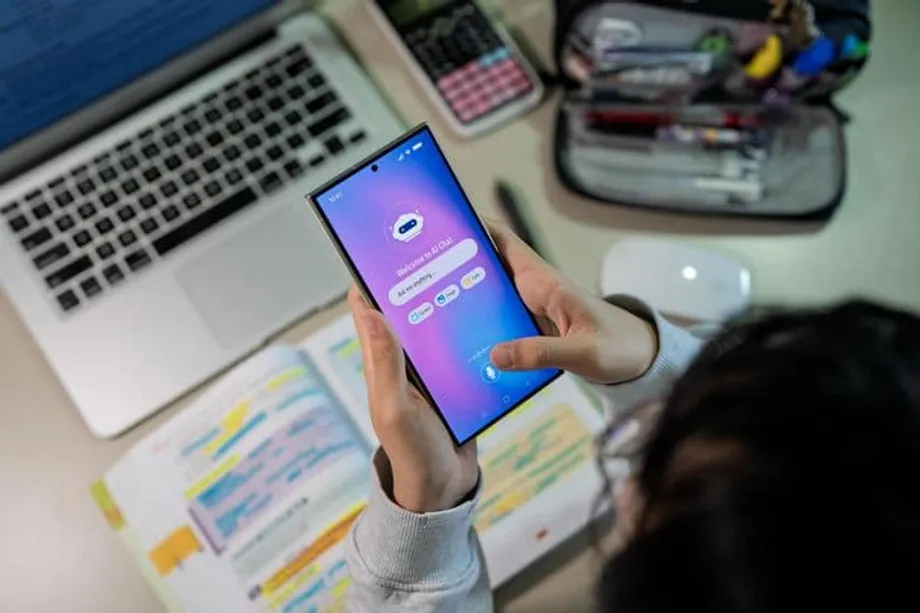
Seoul high school students spend an average of 10.8 hours a week watching YouTube, according to a Seoul Institute survey that found 95.4 percent of students in their first and second years use the platform regularly. Based on individual interviews with 500 students in August 2024, the study describes teenagers whose online lives began in childhood and now run alongside demanding schoolwork and private tutoring.
Contents
- Video Viewing Fits Into an Already Crowded School Week
- Girls and Boys Spend Their Time Differently
- Smartphones Arrive Years Before High School
- Most Schools Restrict Phones During the Day
- Private Tutoring Extends the Academic Day
- Families Face Unequal Education Costs
- Research Connects Problematic Phone Use With Poor Sleep
- Short Videos Are Changing Viewing Habits
- Researchers Call for More Time Away From Screens
- Key Points
YouTube is the most widely used platform among the students surveyed, followed by Instagram at 85.7 percent, TikTok at 48.9 percent and X, formerly Twitter, at 21.4 percent. Instagram also takes up a substantial amount of time, with average use reaching 7.5 hours a week.
South Korean teenagers spend more than three hours a day consuming online video, according to broader national data. That national measure covers a wider range of video viewing than the Seoul survey's figure for YouTube alone. Together, the figures describe how deeply online content has become part of young people's daily routines.
The students are watching videos within an education system marked by intense competition and heavy spending on supplementary lessons. Some accounts from Seoul's private academy district describe study continuing into the early morning, leaving little time for sleep.
Seoul Institute researchers expressed concern that excessive screen use could interfere with adolescent development. Their recommendations focus on giving students more opportunities for physical activity and communication in person, alongside the digital entertainment, social contact and learning resources they already use.
Girls and Boys Spend Their Time Differently
Instagram use shows a clear difference between female and male students. Girls spend an average of 8.8 hours a week on the platform, compared with 6.4 hours for boys. Both figures sit around the survey's combined average of 7.5 hours.
X accounts for a smaller part of students' online time, but the difference between girls and boys is also pronounced there. Female students report 1.2 hours a week, more than twice the 30 minutes reported by male students.
Research discussed alongside these findings suggests that girls tend toward applications built around communication, while boys gravitate toward gaming content. Those preferences offer a possible explanation for the different amounts of time spent on particular platforms, although students' individual habits vary.
YouTube subscription patterns also show students building collections of channels around their interests. Approximately 51 percent follow between 10 and 50 channels, while 35.4 percent subscribe to fewer than 10. The pattern suggests a degree of focused engagement and content selection alongside ordinary browsing.
The combination of broad platform use and selected subscriptions matters because students' digital routines involve several activities. Watching a familiar creator, exchanging messages, looking at photographs and viewing gaming content can each occupy a different part of the same week.
Smartphones Arrive Years Before High School
Seoul students reported receiving their first smartphone at an average age of 10. Their first exposure to videos on YouTube or TikTok came slightly earlier, at 9.9 years on average.
Viewing another person's social media post typically began at 12.7 years. Creating an account followed at 13.8 years, and uploading content at 13.9 years. The sequence shows a gradual move from watching material made by others to taking part through an account and publishing material themselves.
The reported milestones can be set out in order:
- Age 9.9 on average: first exposure to YouTube or TikTok videos.
- Age 10: receipt of a first smartphone.
- Age 12.7: first viewing of another person's social media post.
- Age 13.8: creation of a personal social media account.
- Age 13.9: first uploading of content.
- August 2024: individual interviews with 500 Seoul high school students for the Seoul Institute survey.
By the first year of high school, many students have already spent six to seven years consuming digital content. Technology therefore enters their lives well before the academic demands described by older students reach their most intense stage.
Early exposure brings attention spans, social development and interpersonal communication into the discussion. Adolescence is a critical period for the development of the brain and social skills, and researchers stressed the value of varied experiences and interaction away from screens during those years.
Most Schools Restrict Phones During the Day
Seoul schools use several approaches to managing smartphones. Only 1 percent of surveyed students attend schools that ban phones entirely. Far more common are rules allowing students to bring devices while limiting access during school hours.
Nearly half of the students, 48.9 percent, keep their phones but face restrictions in classrooms. Another 46.1 percent hand them in each morning and collect them after school. These two arrangements account for most students in the survey.
A smaller group, 3.8 percent, has unrestricted use. The remaining 1.2 percent can carry phones with permission but face limits on their functions.
These policies largely concentrate on restricting access. The wider educational challenge is to help students manage their digital habits as well, including how they divide time between online activity, rest, schoolwork and relationships in person.
YouTube complicates that task because it serves as both an entertainment platform and a learning resource. Schools must account for useful educational material while responding to the amount of time students spend watching other content.
Private Tutoring Extends the Academic Day
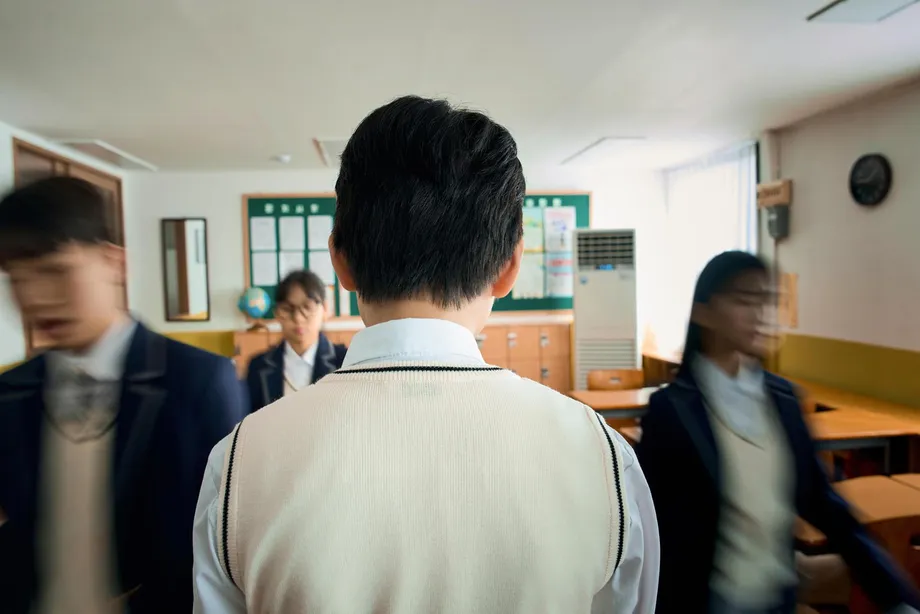
Daechi-dong, a Seoul district known for its concentration of private academies, provides some of the starkest accounts of academic pressure. Students who later entered Seoul National University described attending as many as nine separate tutoring institutes at the same time.
Monthly spending in those accounts reached 4 million to 5 million won, equivalent to about $2,700 to $3,400. The institutes, known as hagwons, provide supplementary teaching outside ordinary school lessons.
One Seoul National University dentistry student described attending an academy until 10 p.m., then studying in a study room until 4 a.m. The routine left approximately two hours of sleep before the school day began.
Such schedules help explain why video viewing may take place during commutes, meal breaks or a period of winding down late at night. The Seoul survey did not identify precisely when students watched, so the place of YouTube within those routines remains uncertain.
Entertainment is only part of the picture. Korean study with me videos attract substantial audiences, with creators broadcasting study sessions lasting eight hours. These videos can provide motivation and a sense of virtual companionship for viewers facing similar academic demands.
A student may therefore turn to the same platform for a break from studying and for company while studying. That mixture makes the relationship between academic pressure and video use more complicated than a simple division between work and leisure.
Families Face Unequal Education Costs
High school students carry the highest financial burden within South Korea's private education system. Families spend an average of 793,000 won a month per high school student on private education.
First year high school students are the group with the highest spending, at 806,000 won a month. They are preparing both for school grades and for the College Scholastic Ability Test, known as the CSAT, which adds to the demand for supplementary instruction.
The costs described by students from Daechi-dong are much higher than these averages. Their accounts illustrate the intensity of education spending in a district closely associated with private tutoring.
Household income also shapes access to private education. Families with high incomes spend 3.4 times as much as households with low incomes, creating a large difference in the resources available for additional lessons.
Digital viewing may be one of the leisure activities available across those income boundaries. The concerns about heavy use and sleep, however, extend across the wider student population rather than being confined to families paying the most for tutoring.
Research Connects Problematic Phone Use With Poor Sleep
A peer reviewed study using the Korean Children and Youth Panel Survey examined smartphone use and sleep among more than 4,000 school age children. Researchers used the Smartphone Addiction Proneness Scale, an assessment that sorts participants into categories according to their risk of problematic use.
Children in the high risk category had 1.59 times the odds of poor sleep quality compared with children in the low risk category. For short sleep duration, the figures were 1.44 times the odds among children in the potential risk group and 2.25 times among those in the high risk group.
Odds are a statistical way of comparing how often an outcome occurs relative to how often it does not. Here, the figures describe an association between categories of smartphone use and sleep problems.
The research also identified a pattern in which greater use was linked with greater sleep difficulty. Daily use exceeding two hours was associated with increased odds of poor sleep quality, while use exceeding one hour was associated with shorter sleep duration.
Female students appeared particularly vulnerable. Girls in the high risk category had 3.44 times the odds of poor sleep quality and 2.51 times the odds of insufficient sleep compared with girls in the low risk category.
Late phone use can disrupt sleep through both light exposure and mental stimulation. Blue light can interfere with circadian rhythms, the body's daily timing system that helps regulate sleeping and waking. Engaging content can also keep a student mentally alert when bedtime approaches.
Messaging and applications centred on visual content can prolong that engagement and delay the start of sleep. Academic routines that already leave little room for rest add another pressure, making the timing of phone use relevant as well as its duration.
Short Videos Are Changing Viewing Habits
Korea Press Foundation figures show a sharp rise in daily viewing of short form videos. The share of Korean students watching these videos every day reached 49.1 percent, compared with 0.2 percent in 2022.
Instagram Reels has moved ahead of traditional YouTube in the measure of the platform students access most frequently. Reels accounts for 37.2 percent of students, compared with 35.8 percent for traditional YouTube. YouTube Shorts accounts for 16.5 percent and TikTok for 8 percent.
Those figures describe a different aspect of viewing from the Seoul survey's weekly hours. YouTube can occupy a large amount of students' time while another format is accessed more frequently.
Short form videos typically last less than 60 seconds. Moving through many brief clips shifts viewing toward rapid changes of subject rather than sustained attention to one piece of content, bringing attention and the ability to learn in depth into the discussion.
National viewing preferences show gaming videos as the most popular category, at 63.9 percent. Music and dance performances follow at 50.6 percent, with cooking content at 40.6 percent. These interests sit alongside educational viewing and the study sessions available on the same platforms.
Nearly one third of students, 30.3 percent, have uploaded videos themselves. Students are therefore participating as creators as well as viewers, although the quality and educational value of the material they produce varies widely.
Researchers Call for More Time Away From Screens
Seoul Institute researchers recommended that students spend more time in environments that encourage communication in person and physical activity. Their concern centres on the experiences adolescents need while their brains and social abilities are developing.
Schools face a practical balance. YouTube hosts educational channels covering subjects from mathematics to language learning, with explanations that can complement structured classroom teaching. Its recommendation system can also draw viewers into a succession of entertainment videos, using up time intended for study or rest.
Parents are another part of that balance. Studies indicate that children who spend less time communicating with their parents have higher rates of problematic smartphone use and associated sleep disturbances.
Families and schools are therefore dealing with more than the presence of a device. The issues include what students watch, how long they remain engaged, how late they use their phones and whether their schedules leave space for sleep, movement and conversation.
The Seoul findings bring those pressures together: widespread video use beginning in childhood, school rules that usually limit phone access, and an academic culture that can extend learning far beyond the classroom. The researchers' recommendations place physical activity and relationships in person alongside the educational and social uses of digital media.
Key Points
- The Seoul Institute interviewed 500 students in August 2024; 95.4 percent used YouTube regularly, averaging 10.8 hours a week.
- Instagram use averaged 7.5 hours weekly, with girls reporting 8.8 hours and boys 6.4 hours.
- Students first encountered YouTube or TikTok videos at 9.9 years on average and received their first smartphone at age 10.
- Most surveyed students either kept phones under classroom restrictions or surrendered them until the school day ended.
- Private education spending averaged 793,000 won monthly per high school student and peaked at 806,000 won for first year students.
- Research involving more than 4,000 children linked problematic smartphone use with poorer sleep quality and shorter sleep.
- Daily short form video viewing reached 49.1 percent, compared with 0.2 percent in 2022; Instagram Reels led the measure of most frequently accessed platforms.
- Seoul Institute researchers recommended more physical activity and communication in person.