A 40 Million Yen Bet on Defection
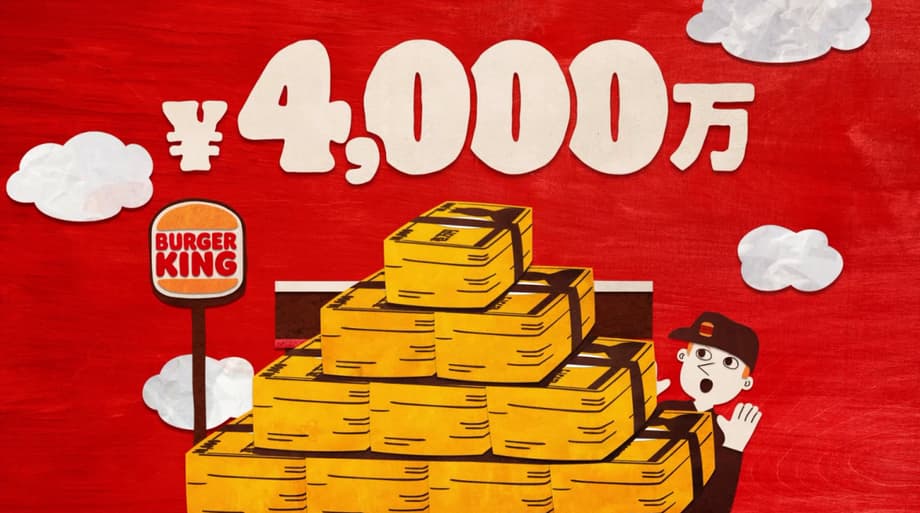
Burger King Japan has launched what may be the most aggressive recruitment drive in fast food history. The chain is offering rival franchise owners up to 40 million yen (approximately $250,000 USD) in cash to abandon their current brands and convert their restaurants into Burger King locations. This unprecedented public campaign targets established operators of competing chains such as McDonald’s, Mos Burger, and other quick-service restaurants who have been in business for at least three years.
The audacious strategy represents a dramatic acceleration of the company’s post-pandemic expansion. Burger King Japan has already grown from just 77 locations to 352 stores since the pandemic, with an ambitious target of reaching 600 stores by 2028. Now backed by Goldman Sachs, which acquired the Japanese chain for 78.5 billion yen (roughly $493 million USD) in February 2026, the company is deploying substantial financial firepower to capture market share quickly rather than building slowly through traditional methods.
The campaign includes a television commercial featuring a catchy jingle that explicitly compares switching restaurants to switching cars or favorite idols. While changing those things earns nothing, the song notes, changing your restaurant brings 40 million yen. This marketing approach transforms a serious business proposition into entertainment, potentially lowering psychological barriers for franchisees considering the move.
The Terms of Defection
The franchise switching plan, as the company calls it, comes with specific requirements and strict deadlines. Applicants must submit financial statements from the past three years and identify a general manager who will oversee the converted restaurant. The window for applications closes sharply at 3:00 PM on September 30, 2026, though actual conversions can occur anytime before December 2028.
Beyond the headline cash incentive of 40 million yen, Burger King is sweetening the deal by covering half of the initial investment required to convert existing facilities. The company highlights performance metrics to tempt uncertain owners, noting that its average store achieved monthly sales of approximately 17 million yen last year. This figure serves as both a benchmark and a veiled threat: franchisees earning less might reconsider their allegiances.
The financial package also addresses practical concerns about contract obligations. By allowing conversions to happen gradually through 2028, Burger King gives franchisees time to negotiate exits from their current agreements without paying penalty fees for early termination. This flexibility acknowledges that franchise contracts often include restrictive covenants and lengthy commitment periods that prevent immediate switching.
Why Conversion Beats Construction
This aggressive poaching strategy offers distinct logistical advantages over traditional expansion. Converting existing restaurants dramatically reduces construction time compared to building new locations from scratch. Every store that switches sides also eliminates a competitor while simultaneously strengthening Burger King’s position in an increasingly consolidated market.
The approach has historical precedent in the Japanese market, though previous efforts were more discreet. In 1996, Burger King’s initial entry into Japan involved Japan Tobacco purchasing the Morinaga Love hamburger chain and converting approximately 40 outlets to Burger King locations over 18 months. However, that deal was structured as a joint venture with specific corporate partners rather than a public cash offer to individual franchise owners.
Industry analysts note that conversion deals typically happen behind closed doors at industry conventions or through private negotiations. Public campaigns of this magnitude remain rare, particularly in Japan’s relationship-driven business culture where overt poaching is considered poor etiquette. The strategy also significantly reduces real estate acquisition challenges, as suitable commercial locations in major Japanese cities have become scarce and expensive following pandemic-related disruptions to the retail sector.
Breaking Japan’s Conservative Business Culture
The campaign’s public nature may prove as controversial as its financial terms. Japan maintains deeply conservative business practices where corporate loyalty and long-term relationships carry significant weight. The country’s corporate culture is so restrained that companies regularly issue formal apologies for minor transgressions such as 10-yen price increases or opening stores 20 seconds earlier than advertised.
In this context, openly enticing established franchisees to abandon their brand loyalties represents a radical departure from norms. Even in the United States, where business competition is more overt, similar conversion deals usually occur through back channels rather than flashy social media campaigns accompanied by advertising jingles.
Charles Min, Head of Korea and Operations Group at Affinity Equity Partners (the previous owner who grew the chain from 8 to 337 stores), explained the transformation strategy that laid groundwork for this expansion.
Burger King Japan underscores Affinity’s ability to create value and scale in consumer platforms through digital innovation and disciplined operational improvement. By applying our systematic value-creation framework, we were able to fundamentally elevate the brand, strengthen its market position, and successfully reposition it for sustainable long-term growth.
The question remains whether Japanese franchise owners will prioritize financial gain over relationship loyalty. The 40 million yen offer equates to more than two years of average store revenue for many small franchise operations, creating genuine financial pressure despite cultural norms.
From Eight Stores to Wall Street Backing
The current aggressive posture marks a stunning reversal of fortune for Burger King in Japan. The brand has entered the Japanese market multiple times, first in 1993, then 1996, and again in 2007, suggesting previous struggles to establish lasting presence. Affinity Equity Partners acquired the master franchise rights in 2017 when the chain operated merely eight stores nationwide.
Under Affinity’s ownership, the company implemented rigorous operational improvements including in-store kiosks, enhanced omnichannel platforms, and a proprietary store development playbook. They relocated or renovated underperforming legacy sites while modernizing high-potential locations. The company also deployed successful systems from Burger King Korea, including a tiered loyalty program and localized menu innovations.
These efforts proved remarkably effective. Revenue increased nearly 300-fold during Affinity’s seven-year ownership period, with the chain earning top rankings in Japan including recognition as the country’s best burger brand according to Nielsen Research. The company also became one of Japan’s most digitalized quick-service platforms, with more than 70% of transactions conducted through digital channels. This technological infrastructure allows centralized monitoring of store performance, potentially making converted franchises more profitable than independent operations.
The 78.5 billion yen sale to Goldman Sachs in February 2026 provided the capital necessary for this current expansion gambit. The transaction closed approximately three months after the initial agreement in November 2025, giving Burger King the financial backing to pursue its 600-store target.
Crowdsourcing the Kingdom
The company is not limiting its recruitment efforts to established restaurant owners. Burger King has also engaged in crowdsourced location scouting, offering ordinary citizens financial incentives to identify suitable real estate. While this specific campaign is currently inactive, it periodically returns, offering 300,000 yen (approximately $1,900 USD) to anyone whose property suggestion leads to a successful lease agreement.
Even unsuccessful suggestions earn rewards. Anyone submitting a location recommendation receives a coupon for a discounted Whopper. This strategy turns casual customers into active participants in the company’s expansion, effectively outsourcing market research to thousands of potential diners who understand local foot traffic patterns and neighborhood dynamics better than corporate real estate teams.
The periodic nature of these campaigns suggests Burger King is maintaining a flexible approach to growth, switching between organic expansion, conversion of existing restaurants, and crowdsourced site selection depending on market conditions and available capital. This hybrid model allows rapid scaling without the fixed costs of maintaining large corporate real estate departments.
A Nation of Brand Switchers
Burger King’s aggressive tactics reflect broader trends within Japan’s restaurant industry. Zensho Holdings, a major restaurant chain operator, recently announced plans to convert all 106 remaining Lotteria hamburger outlets to Zetteria locations by March. The Lotteria brand, which first opened in 1972, will disappear entirely after 54 years as Zensho applies its own group’s operational expertise to the acquired locations.
This consolidation trend suggests the Japanese fast food market is entering a phase of rationalization. The COVID-19 pandemic devastated the restaurant sector, causing sales to drop by 655.2 billion yen (a 15.1 percent decrease) and forcing the closure of over 4,210 franchise locations according to U.S. government trade data. Recovery has created opportunities for well-capitalized chains to acquire distressed assets or recruit struggling franchisees.
Japan remains one of the world’s largest franchise markets, hosting more 7-Eleven locations than any other country (nearly 30 percent of global stores) and maintaining extensive McDonald’s operations. However, succeeding in this mature market requires exceptional standards. Tokyo holds more Michelin-starred restaurants than any other city worldwide, and Japanese consumers maintain exacting expectations regarding food quality, safety, and service experience.
Burger King’s previous success with localized products like the Kuro Burger (featuring black buns colored with bamboo charcoal and squid ink sauce) demonstrates understanding of these cultural nuances. The ability to balance global brand standards with Japanese consumer preferences may ultimately determine whether the 40 million yen conversion offer succeeds or alienates the very franchisees it seeks to attract.
The Essentials
- Burger King Japan offers 40 million yen (approximately $250,000 USD) cash to franchisees of rival chains willing to convert their restaurants
- Applications must be submitted by 3:00 PM on September 30, 2026; conversions can occur anytime before December 2028
- Goldman Sachs acquired Burger King Japan for 78.5 billion yen in February 2026, providing capital for expansion from 352 to 600 stores by 2028
- The chain covers half of conversion costs and claims average monthly sales of 17 million yen per store
- Citizens can earn 300,000 yen by suggesting successful new locations during periodic scouting campaigns
- Previous owner Affinity Equity Partners grew the chain from 8 to over 337 stores between 2017 and 2026, increasing revenue nearly 300-fold
- The public poaching campaign breaks from Japan’s conservative business culture where such deals typically occur privately