
Port Raids Put Pressure on Malaysia to Act
Malaysia is preparing amendments to the Environmental Quality Act 1974 after enforcement operations found illegal electronic waste in 103 of 213 shipping containers inspected and seized approximately 4,714 metric tonnes of the material in another operation. The proposed changes to the law, also known as Act 127, are scheduled to be tabled in Parliament early in 2027.
Contents
- Port Raids Put Pressure on Malaysia to Act
- What the Amendments Would Change
- Dedicated Teams at the Main Entry Points
- Staffing Shortages Shape the Enforcement Plan
- Drones and Sensors Will Support Officers
- Operations Reveal the Scale of Illegal Activity
- Why Electronic Waste Can Harm Communities
- International Rules Already Cover All Electronic Waste
- From International Consent to National Enforcement
- The Bottom Line
Natural Resources and Environmental Sustainability Minister Datuk Seri Arthur Joseph Kurup announced the plans during the 51st Department of Environment Enforcement Day celebration in Bangi. His message was that Malaysia would strengthen its laws and border enforcement to stop the country being used as a destination for discarded electronic equipment shipped illegally from abroad.
Kurup said the amendments would give enforcement officers greater authority to intervene. He described the issue as a concern extending beyond Malaysia and set out the government's position:
We are strengthening the law so that enforcement officers will have more powers to act. This issue is receiving global attention. We will not allow Malaysia to become a dumping ground for electronic waste.
The ministry expects to submit a Cabinet paper detailing the proposals within the week following the announcement. That paper is the first formal step toward the legislative revision. As of April 16, 2026, the parliamentary timetable was early 2027, with no specific date given.
The proposed response combines stronger legal powers, dedicated teams at selected ports, digital monitoring and cooperation between agencies. It addresses both the arrival of illegal shipments through maritime trade routes and the storage and processing operations that can pollute communities after the waste enters the country.
What the Amendments Would Change
The Environmental Quality Act amendments are intended to address legal limits that can prevent officers from conducting thorough inspections without explicit warrants in certain circumstances. Expanding their authority would allow Department of Environment personnel to respond more decisively when they encounter suspicious containers or facilities.
The ministry also wants to broaden enforcement jurisdiction. In practical terms, jurisdiction defines where officers can act and what activities fall within their authority. Clarifying that scope would help existing personnel carry out inspections while creating a structure for additional officers.
Smuggling operations have become increasingly sophisticated, placing pressure on the existing regulatory framework. The proposed changes seek to give officers powers suited to those operations, rather than leaving them dependent on rules that limit their ability to inspect and intervene.
The legislative effort also supports a shift toward stopping hazardous material at the border. Intercepting an illegal consignment before it reaches a warehouse or dismantling facility can prevent the pollution that authorities would otherwise have to address after processing begins.
Dedicated Teams at the Main Entry Points
The Department of Environment plans to establish dedicated enforcement teams at selected ports nationwide. Kurup identified ports as the main entry point for illegal electronic waste and said enforcement there needed to be strengthened.
Those teams would work alongside existing customs operations to inspect incoming shipping containers and check documentation. Their task would be to verify whether consignments comply with import requirements and ensure that only permitted materials enter Malaysia.
Malaysia's position as a regional trade hub makes its ports attractive to environmental criminals seeking a route for illegal shipments. The proposal puts specialist environmental officers at those gateways, where they can assess suspicious cargo before it moves into the country.
The Department of Environment intends to coordinate with the Royal Malaysian Customs Department, the Malaysian Border Control and Protection Agency, and the Royal Malaysia Police. These agencies have different responsibilities for trade monitoring, border protection and law enforcement, making information sharing central to the planned screening process.
Coordinated inspections would create several layers of checks for incoming cargo. The goal is to reduce opportunities for smugglers to pass containers through one stage of scrutiny without the relevant information reaching officers at another.
Staffing Shortages Shape the Enforcement Plan
Kurup acknowledged that manpower constraints remain a primary obstacle, particularly at busy ports and in industrial zones. Current staffing levels are insufficient for the growing inspection workload across those areas.
The Department of Environment must also cover Malaysia's extensive coastline and numerous industrial parks. Officers face demands at entry points as well as at premises where imported waste may be stored, dismantled or processed.
Dedicated port teams and clearer statutory powers are intended to make better use of existing resources. The proposed structure would also support the ministry's case for budget allocations to recruit additional personnel.
Illegal operators can run facilities on a scale that exceeds current inspection capacity. Unauthorized dismantling operations may release toxic substances into surrounding communities without adequate safeguards for workers or residents. Broader authority would help officers act when they identify those facilities, while additional staff would increase the capacity to inspect them.
Drones and Sensors Will Support Officers
The ministry plans to use drones, Internet of Things sensors and artificial intelligence systems to monitor industrial areas and border zones. These tools are intended to improve the detection of illegal storage sites and unauthorized processing operations associated with illicit imports.
Drones would allow officers to survey large industrial compounds without alerting potential violators. Artificial intelligence could examine patterns in shipping documents to identify consignments that merit closer inspection.
Internet of Things sensors are connected devices that can collect and transmit measurements. Around suspected processing sites, they would enable monitoring of air and water quality in real time and provide immediate alerts when pollution levels rise.
Kurup stressed that technology remains a supporting tool. Trained enforcement officers still carry the responsibility for identifying and intercepting illegal shipments, using their experience, efficiency and instinct to recognize irregularities.
Environmental criminals adapt their methods, requiring personnel who can interpret subtle signs and make decisions in complicated situations. Digital systems can help officers locate suspicious activity, while human judgment remains central to deciding what action is needed.
Operations Reveal the Scale of Illegal Activity
Operation Bongkar involved inspections of 213 shipping containers, with illegal electronic waste discovered in 103. That amounts to about 48% of the containers inspected, or nearly half of the shipments targeted during the operation.
A subsequent operation, Hazard 3.0, involved inspections at 104 premises and the seizure of approximately 4,714 metric tonnes of illegal electronic waste. It represented one of the largest single recoveries of contraband environmental material in recent history.
The two operations show the challenge at different stages of the waste trade. Bongkar focused on containers, while Hazard 3.0 reached premises where material was being held or handled. Together, they illustrate why the government's plan covers both port inspections and enforcement in industrial areas.
Raids uncovered numerous operators working without proper licensing or environmental safeguards. Many were operating in direct violation of environmental laws intended to protect public health, with inadequate pollution controls and waste management practices.
Kurup said authorities would not tolerate parties destroying the environment for profit. Other ongoing operations, including Gempur and Gerak Nasional, continue to target factories and vehicles contributing to environmental damage through improper disposal practices.
Why Electronic Waste Can Harm Communities
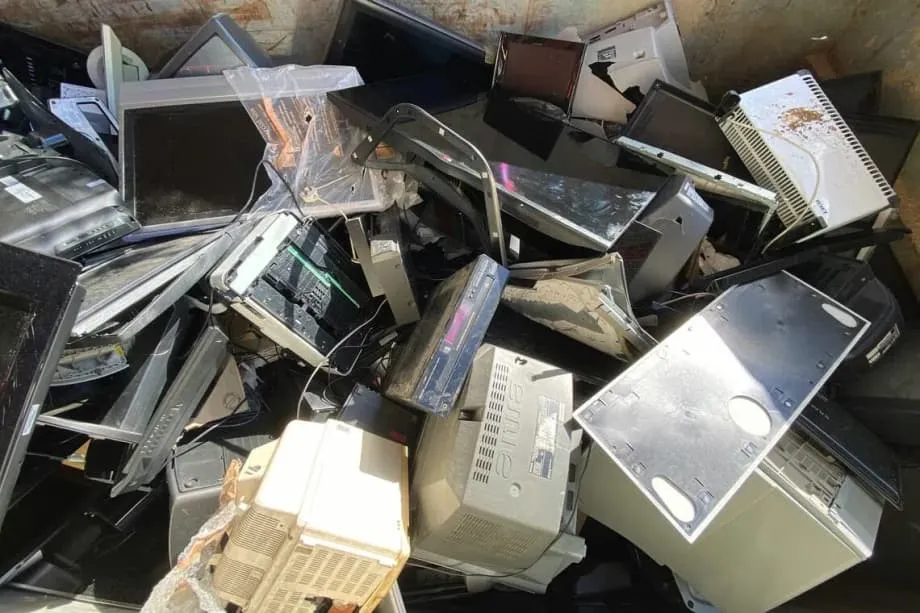
Discarded computers, mobile phones, circuit boards and display devices are all forms of electronic waste. They can contain lead, cadmium, mercury and brominated flame retardants, substances that pose serious risks to soil and water quality when equipment is processed improperly.
Illegal processing can involve open burning and acid baths. Those methods release heavy metals and persistent organic pollutants into the air, soil and water, creating health risks that can last for years for nearby populations.
Workers at unauthorized dismantling facilities and residents living around them may face those risks when operators lack basic safeguards. Pollution controls and proper waste management are therefore central to whether discarded equipment can be handled without damaging the surrounding environment.
The ministry's border strategy seeks to stop dangerous consignments before they reach such facilities. Monitoring industrial areas addresses the next stage of the problem, where illegal storage or processing can turn imported waste into local contamination.
International Rules Already Cover All Electronic Waste
Malaysia's legislative plans coincide with stronger international rules under the Basel Convention on the Control of Transboundary Movements of Hazardous Wastes and Their Disposal. Amendments that took effect on January 1, 2025, brought both hazardous and nonhazardous electronic waste under prior informed consent requirements.
Prior informed consent means an exporting country must obtain written approval from the importing country before electronic waste is shipped for recycling or disposal. The change closed loopholes that had allowed nonhazardous electronic waste to cross borders without that level of oversight.
Malaysia is a Party to the Basel Convention. The planned domestic amendments would align national law with those strengthened obligations while giving officers more authority to enforce controls at ports and facilities.
The convention changes address improper recycling and disposal practices that have affected developing nations. They require electronic waste to move only to facilities equipped for environmentally sound recovery, meaning operations able to recover material while protecting people and the environment.
The United States has an import only bilateral agreement with Malaysia covering hazardous waste. Under that agreement, Malaysia can export such waste to the United States, while shipments in the reverse direction are not covered. The new Basel requirements also further restrict electronic waste trade between countries that are Parties to the convention and countries that are not.
From International Consent to National Enforcement
The January 2025 international rule changes and Malaysia's planned 2027 amendments address different parts of the same problem. Written consent governs whether a shipment may cross a border. Domestic enforcement powers determine how Malaysian officers inspect containers, investigate premises and act against illegal operators.
Malaysia's recent operations show why both are needed. The discovery of illegal material in 103 containers and the recovery of approximately 4,714 metric tonnes at premises place practical demands on officers who must check cargo, trace activity and intervene at processing sites.
The sequence of regulatory changes and proposed national action is:
- January 1, 2025: Basel Convention amendments took effect, requiring prior informed consent for both hazardous and nonhazardous electronic waste.
- By April 16, 2026: Kurup had announced the proposed Environmental Quality Act amendments at the 51st Department of Environment Enforcement Day celebration in Bangi.
- Within the week following the announcement: The ministry expects to submit a Cabinet paper detailing the proposals.
- Early 2027: The proposed amendments are scheduled to be tabled in Parliament.
The government's plan links these legal steps with staffing reforms, dedicated port teams and digital surveillance. Its stated objective is to meet Malaysia's international commitments while protecting the country from becoming a repository for obsolete technology from wealthier nations.
The Bottom Line
- Malaysia plans to table amendments to the Environmental Quality Act 1974, or Act 127, in Parliament early in 2027.
- The proposals would expand enforcement authority, address inspection limits involving warrants and establish dedicated teams at selected ports.
- Operation Bongkar found illegal electronic waste in 103 of 213 inspected containers, about 48%.
- Hazard 3.0 inspected 104 premises and seized approximately 4,714 metric tonnes of illegal electronic waste.
- Staffing shortages remain a major constraint at ports and industrial areas.
- Drones, artificial intelligence and connected sensors would support officers, with human judgment remaining central to enforcement.
- Customs, border protection officers and police would work with the Department of Environment on coordinated checks.
- Basel Convention amendments effective January 1, 2025, require prior informed consent for all electronic waste shipments, including nonhazardous material.