The 300-Yen Dinner Rush
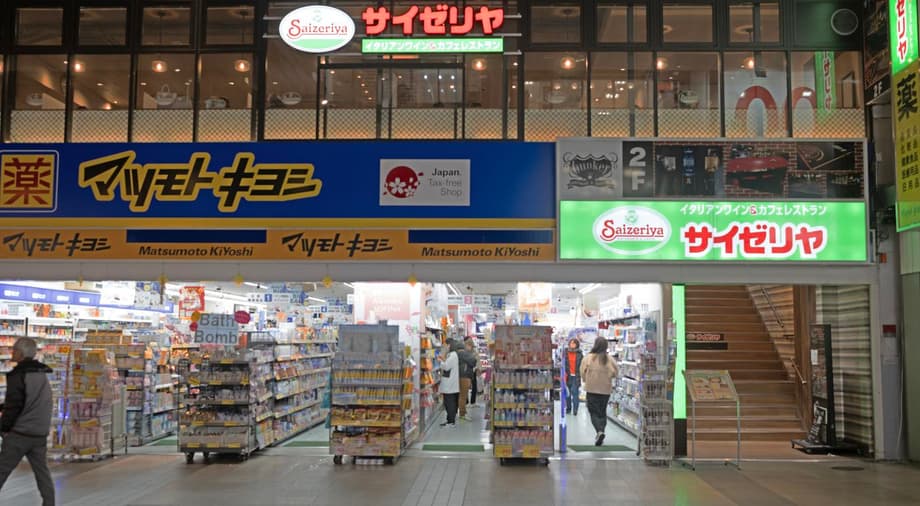
At 4:30 on a Wednesday afternoon, an unusual scene unfolds at a Saizeriya family restaurant in Tokyo. While neighboring eateries display rows of empty tables, this particular chain location has attracted a long queue of customers waiting patiently for their turn to dine. The wait stretches to roughly 20 minutes before seating becomes available, a testament to the chain’s growing popularity among budget conscious diners.
The attraction becomes clear upon examining the menu. A reporter recently sampled the Milano doria, a Japanese Italian-style creation featuring turmeric butter rice covered in savory meat sauce and creamy white bechamel, topped with melted cheese. The price stands at 300 yen, tax included. This single dish moves approximately 100,000 units daily across the chain’s roughly 1,000 Japanese locations, making it one of the most circulated plate lunches in the country.
For those seeking variety, the value proposition expands further. Adding a shrimp salad brings the total to 650 yen, and a glass of wine costs merely 100 yen more. The complete meal totals 750 yen, a figure that stands in sharp contrast to rising dining costs elsewhere in the archipelago.
Defying Economic Pressure
Japan’s economy has faced mounting pressure from inflation, with wage increases now gaining momentum after three decades of stagnation. This shift marks a significant departure from the deflationary environment that defined the Japanese economy since the 1990s. Against this backdrop, most restaurant chains have capitulated to rising costs. Gusto, a major competitor in the family restaurant sector, implemented price increases ranging from 10 to 20 percent during 2024. Egg-based menu items saw 10 yen increases last year, while special lunch items rose by approximately 50 yen beginning in February.
Saizeriya has charted a different course. The company is expected to achieve record profits for the third consecutive year when the fiscal period closes this August. Share values reached an all time high last January, a distinction no other food and beverage operator in Japan can claim. Dining analyst Takao Shigemori notes that customer satisfaction regarding prices remains notably high compared with rival establishments.
Engineering Efficiency Behind the Scenes
The foundation of Saizeriya’s price resistance lies in operational streamlining that began years before inflation became a headline concern. The company has systematically reduced the variety of materials it procures while simultaneously boosting procurement efficiency. Perhaps most importantly, it has managed to lighten the workload placed upon employees without sacrificing output.
Food industry producer Mitsuhiko Suda explains the mechanics of this efficiency. Dishes are produced in a central kitchen and packaged in individual portions before reaching individual restaurants. Staff members simply heat the pre-portioned items and transfer them to serving plates. This system eliminates slicing work in restaurant kitchens entirely.
When new menu items debut, the company demonstrates dedication through manufacturing. Custom machines are built specifically to accommodate particular cooking methods required by new offerings. This capital investment in specialized equipment ensures consistency while minimizing labor skill requirements at the store level.
Vertical Integration Across Continents
Supply chain control extends beyond kitchen equipment into raw material sourcing. Consumer economy analyst Hiroaki Watanabe points to a crucial strategic asset: the company owns a subsidiary in Australia that supplies beef and dairy products directly to the chain. This integration allows precise production planning.
Because the Australian operation produces only the volume required for Saizeriya’s outlets, the company avoids long term storage costs and complications. This just in time approach to ingredient sourcing ensures a stable supply of high quality foodstuffs while eliminating warehousing overhead that typically erodes margins in the restaurant industry.
Automation and the Silent Service
Technology has replaced traditional hospitality touchpoints throughout the Saizeriya experience. Robot waiters now navigate dining rooms, gliding between tables with mechanical precision, while self-operating cash registers handle payment processing without human intervention. Tablet menus enable electronic ordering, and QR codes allow customers to place orders using smartphones. These innovations have created an environment where many diners complete their entire visit without exchanging words with employees.
This automation serves dual purposes. It reduces labor costs at a time when Japan is loosening its long standing resistance to rising wages, and it appeals to younger customers who prefer minimal social interaction during casual dining. The result is a streamlined operation that maintains service speed while reducing staffing requirements per location.
The Philosophy of Strategic Value
Yasuhiko Shogaki, the founder of Saizeriya, established a business philosophy that prioritizes volume over margin. He is known for stating, “It is not that delicious things sell, but rather, what sells is delicious.” This distinction positions the company less as a traditional restaurant chain and more as a vendor of foodstuffs.
The company maintains strict austerity in marketing expenditures. It does not advertise, conduct sales campaigns, or circulate discount coupons. Even shareholder benefits have faced scrutiny. In August 2023, the company halted its practice of issuing complementary meal tickets worth 2,000 yen to shareholders holding 100 or more shares. By switching to cash dividend payouts, the company eliminated mailing costs associated with physical ticket distribution.
Suda suggests the Milano doria functions as a loss leader. Even if the chain loses money on the 300 yen dish, it maintains the price point to attract customers who then order side items. A diner ordering the doria plus two additional dishes can still enjoy a full meal for under 1,000 yen. The company is expected to maintain this strategy indefinitely.
Profits Across Borders
Domestic Japanese operations represent only part of the success story. The chain operates approximately 600 branches across China, Taiwan, and Singapore, with the Chinese market representing the largest overseas footprint. These overseas locations generate roughly 40 percent of total revenues but contribute more than 80 percent of company profits, a mathematical imbalance that underscores the superior margins achieved abroad.
This disparity highlights the remarkable efficiency of international operations. In China, thrifty diners have embraced the chain’s combination of Japanese quality standards and affordable pricing. Despite diplomatic tensions between Japan and China, Japanese food chains continue to attract Chinese consumers who seek cost effective dining options amid domestic economic pressures.
The Chinese market has demonstrated particular appetite for affordable Japanese dining. While competitors have generated headlines with extreme wait times for new openings, Saizeriya has built steady traffic through consistent value. The parent company benefits from strategic pricing adjustments that appeal to budget conscious consumers without compromising the perceived quality associated with Japanese service standards.
The Essentials
- Saizeriya maintains a 300 yen price point for its signature Milano doria dish despite inflationary pressures affecting competitors
- The chain expects record profits for the third consecutive year, with share values hitting all time highs in January
- Central kitchen production and custom machinery eliminate complex food preparation at restaurant level
- An Australian subsidiary provides direct sourcing of beef and dairy, avoiding storage costs
- Extensive automation including robot waiters and QR code ordering reduces labor requirements
- Overseas operations in China, Taiwan, and Singapore generate 80 percent of profits from 40 percent of revenue
- The company employs a loss leader strategy, using low priced main dishes to drive profitable side item sales