Sri Lanka Unveils Free Tourist ETA Program
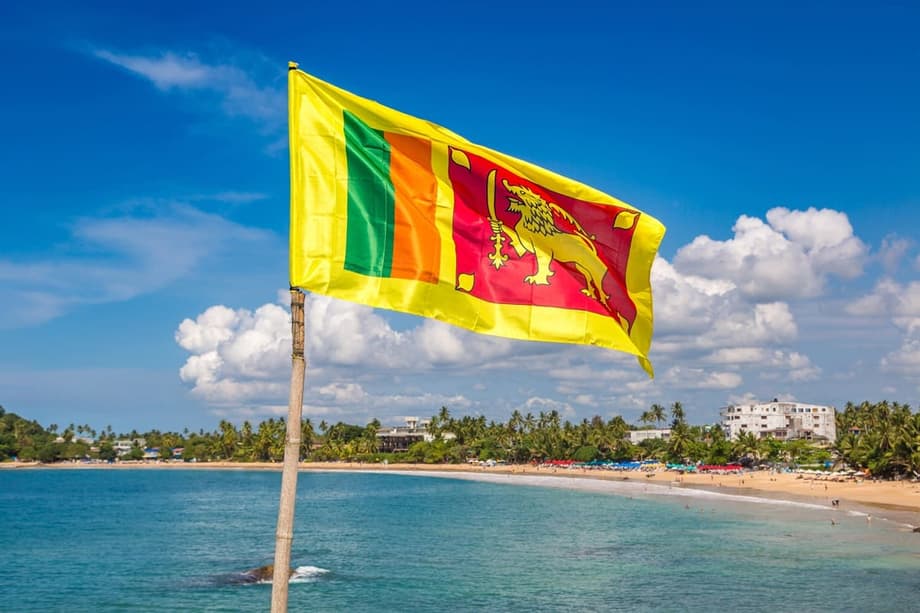
Starting May 25, 2026, Sri Lanka began offering complimentary Electronic Travel Authorizations (ETA) to tourists from 40 countries, marking a major shift in the entry policy of the island nation. The Department of Immigration and Emigration formalized the change through a circular issued on May 19, 2026, ending years of speculation about when the waiver would take effect. An ETA is an advance digital permit that allows immigration authorities to screen visitors before they board flights. Travelers from eligible nations can now secure a permit for 30 days without paying the usual processing charge, though they must still complete mandatory digital screening before departure.
- Sri Lanka Unveils Free Tourist ETA Program
- Who Qualifies for the Complimentary Authorization
- How Travelers Can Apply and What Documents Are Required
- The Economic Strategy Behind the Fee Removal
- Special Entry Rules for Certain Nationalities
- Airport Modernization and Processing Updates
- Impact on Regional Tourism Competition
- What to Know
The initiative follows a clear legislative path. The Cabinet of Sri Lanka first approved the plan on March 30, 2026. Parliament later endorsed the regulations on May 7 under the Immigration and Emigration Act, converting the proposal into enforceable policy. Public Security and Parliamentary Affairs Minister Ananda Wijepala told lawmakers the program is designed to accelerate tourism sector recovery after a period of slower growth and external shocks, including flight disruptions that reduced arrivals by 22 percent in recent months. The formal circular released 12 days later instructed diplomatic missions abroad to inform travelers of the updated rules.
Officials stress that free of charge does not mean free of formalities. An ETA remains a strict requirement for all foreign visitors, including those from the 40 designated countries. The authorization functions as a digital security check, allowing immigration officials to review traveler information before boarding. By retaining the application submitted before arrival while removing the fee, Sri Lanka aims to balance welcoming tourism with national security priorities. Travelers should not mistake the policy for a full visa exemption.
For affected visitors, the change brings direct financial relief. Previously, tourists from South Asian Association for Regional Cooperation (SAARC) countries paid $20 for a permit for 30 days with double entry, while most other nationalities paid $50. Under the new framework, these charges disappear entirely for eligible applicants. The savings are particularly meaningful for families and budget travelers planning extended holidays across the Indian Ocean region. For a family of four, the previous cost could reach $200, a sum that now stays in traveler pockets for accommodation, dining, and local experiences.
Who Qualifies for the Complimentary Authorization
The 40 eligible countries span multiple regions and include many of the largest tourism markets for Sri Lanka. European nations on the list include Austria, Belarus, Belgium, the Czech Republic, Denmark, Finland, France, Germany, Italy, the Netherlands, Norway, Poland, Russia, Spain, Sweden, Switzerland, and the United Kingdom. Asian countries include China, India, Indonesia, Japan, Kazakhstan, Malaysia, Nepal, Pakistan, South Korea, and Thailand. The Middle East is represented by Bahrain, Iran, Israel, Kuwait, Oman, Qatar, Saudi Arabia, Turkey, and the United Arab Emirates. North American and Oceanian visitors from Australia, Canada, New Zealand, and the United States also qualify.
The policy covers holders of diplomatic, official, service, and ordinary passports from these nations. In practice, almost every category of short term visitor benefits from the waiver. Tourists receive an authorization for 30 days with double entry permitted from the date of first arrival. This structure allows travelers to leave Sri Lanka and return once more during the validity period, though the second entry only grants the remaining days from the original allotment of 30 days. Visitors wishing to stay longer may apply for an extension inside the country, though standard extension fees still apply.
Three additional countries with bilateral reciprocal agreements face modified rules. Nationals of the Maldives, Seychelles, and Singapore must now obtain an ETA before arrival even though they previously enjoyed exemptions. Their applications will be processed without charge. Maldivian nationals receive special treatment under an existing bilateral accord, granting them a tourist visa valid for 90 days through the ETA system instead of the standard period of 30 days. Seychelles and Singapore citizens gain the same fee waiver but under standard terms of one month.
How Travelers Can Apply and What Documents Are Required
All eligible tourists must complete the ETA application online through the official Sri Lanka Electronic Authorisation System at eta.gov.lk before traveling. The digital form requires standard personal information, passport details, and travel plans. Applicants typically receive a response within a short processing window, though travelers are urged to apply several days before departure to avoid complications in the final days before departure. The system operates entirely through electronic submission, eliminating the need for embassy visits or paper forms for most nationalities.
Authorities recommend carrying specific paperwork to ensure smooth entry. Travelers should possess a passport valid for at least six months from the date of arrival, a printed copy of the approved authorization, confirmed return or onward flight tickets, proof of sufficient funds, and hotel reservations or other accommodation details. Immigration officers may request these documents at the port of entry, so having them organized and accessible helps prevent delays at Bandaranaike International Airport or other points of arrival.
Travelers who paid ETA fees before May 25, 2026, will not receive refunds under any circumstances. This applies to visitors who submitted applications under the previous fee structure and are arriving on or after the launch date. Those wishing to remain in Sri Lanka beyond the initial window of 30 days may apply for an extension from within the country through the Department of Immigration and Emigration, but they must pay the standard extension fees applicable to their nationality and specific circumstances. The fee waiver applies only to the initial authorization, not to any subsequent immigration services.
The Economic Strategy Behind the Fee Removal
The government openly acknowledges that waiving ETA fees will reduce direct revenue. Minister Wijepala told Parliament the move could cost the treasury approximately $75 million in lost visa income over the program period. However, officials project that easier entry will attract an additional 247,000 tourists, generating an estimated $317 million in extra spending across hotels, restaurants, transport, and attractions. The projected net gain stands at roughly $242 million, making the policy a calculated investment rather than a simple giveaway. The minister explained that every arriving visitor will still undergo digital screening before boarding aircraft, ensuring that immigration officers retain full oversight of who enters the country. He addressed security concerns directly when presenting the financial analysis.
“The government does not intend to implement the measure in a way that could create a security risk for the country, which is why the electronic travel authorization will remain in place.”
Sri Lanka already tested a narrower version of this approach. Beginning in October 2025, a pilot program granted complimentary ETAs to citizens of seven countries: China, India, Indonesia, Japan, Malaysia, Russia, and Thailand. Indian arrivals reached 39,000 in March 2026, but broader tourism numbers suffered as airlines rerouted flights to avoid conflict zones in the Middle East. Hoteliers along the southwestern coast reported cancellation rates averaging 15 percent from European guests. The expansion to 40 countries represents an attempt to cast a wider net and restore momentum.
In April 2026, Tourism Minister Vijitha Herath told Business Today that Colombo would seek Cabinet approval to broaden the pilot. At that time, officials projected the expanded list could lift total arrivals by 18 percent and inject an extra $500 million into tourism receipts during the year. The program is scheduled to run for one year, with a formal review planned after six months to evaluate whether conditions should remain unchanged. This midterm assessment will likely examine arrival numbers, spending patterns, and any security incidents tied to the simplified process.
For Sri Lanka, the timing carries strategic weight. Tourism directly supports hundreds of thousands of jobs in hospitality, transport, and guiding services, so even modest percentage gains in arrivals translate into broad economic benefits. The central bank has maintained tight capital control rules, leaving tourism as a critical source of foreign exchange. By reducing entry friction without dismantling security checks, Colombo hopes to compete more aggressively with other Asian destinations that have also relaxed border policies. The bet is that volume will overcome the loss of direct fee revenue, creating jobs and business activity across the sector.
Special Entry Rules for Certain Nationalities
While the 40-country scheme simplifies entry for many, several nationalities remain subject to stricter procedures. Travelers from Cameroon, Nigeria, Ivory Coast, Ghana, and Afghanistan cannot use the standard online ETA portal. Instead, they must apply through a Sri Lankan sponsor at the Head Office of the Department of Immigration and Emigration in Battaramulla. Required paperwork includes a request letter and affidavit from the sponsor signed before a Justice of the Peace or lawyer, a certified copy of the national identity card or passport belonging to the sponsor, the police clearance report belonging to the applicant, a passport photocopy, and proof of accommodation.
A similar process requiring a Sri Lankan sponsor applies to travelers from Taiwan (China), Kosovo, and Syria. These applicants must submit their tourist or business visa requests through the Department head office rather than the automated digital system. The additional layers of review reflect ongoing security protocols that apply regardless of broader tourism liberalization efforts. Nationals from countries not included in the list of 40 will continue to follow existing ETA rules and fee structures without change.
Airport Modernization and Processing Updates
Sri Lankan authorities are pairing the fee waiver with technical upgrades to the arrival experience. The Department of Immigration plans to introduce QR code approvals and a simplified electronic payment portal for services that still require charges, such as visa extensions. These changes aim to reduce confusion at airport counters and create a more predictable process for airline staff at departure gates, who have previously struggled with dual systems for visas issued upon arrival and ETA clearance.
Indian tour operators have specifically requested clarity on airport processing, noting that overlapping procedures have caused headaches for travelers and ground handling teams alike. The new approach with a single system, where all eligible tourists secure advance digital clearance, should eliminate ambiguity. For corporate groups and incentive trip planners, the advance authorization requirement means employees can verify entry status before departure, avoiding queues and uncertainty at Bandaranaike International Airport.
Impact on Regional Tourism Competition
India stands out as the single largest source of inbound tourists for Sri Lanka, making its inclusion in the waiver list strategically vital. Indian passport holders no longer need to budget approximately $50 or 4,150 Indian Rupees for the authorization. Tour operators in Mumbai and Delhi report increased query volumes since the announcement, with many packaging the island tea plantations, beaches, and cultural sites into affordable group departures. The change positions Sri Lanka as an attractive alternative to other short distance destinations such as Thailand and Vietnam, which continue to adjust their own visa policies to capture the same market. Spontaneous weekend trips and family vacations become more feasible when administrative costs drop to zero.
Middle Eastern travelers from the UAE, Saudi Arabia, Qatar, Kuwait, Oman, and Bahrain also gain easier access at a time when Gulf nations represent growing outbound tourism markets. For European and North American visitors, the savings are smaller relative to total trip costs, yet the removal of an administrative barrier sends a strong signal that Sri Lanka is open for business. Regional competitors continue to watch Colombo closely, aware that even small changes in entry policy can shift traveler preferences across the Indian Ocean.
What to Know
- Sri Lanka offers complimentary tourist ETAs valid for 30 days to citizens of 40 countries effective May 25, 2026.
- The authorization remains mandatory and must be obtained online before departure through the official portal.
- Eligible tourists receive double entry privileges within the validity window starting from first arrival.
- Maldivian nationals receive a permit for 90 days under a bilateral agreement, while Seychelles and Singapore nationals must now use the ETA system without charge.
- ETA fees paid before May 25, 2026, are not refundable.
- Extensions beyond the initial 30 days require payment of standard visa extension fees.
- Travelers from Cameroon, Nigeria, Ivory Coast, Ghana, Afghanistan, Taiwan (China), Kosovo, and Syria must use a special application process requiring a Sri Lankan sponsor.
- The government projects a net economic gain of $242 million despite $75 million in lost direct fee revenue.