Fresh Arrivals Spark Renewed Controversy
Nine wild African cheetahs completed a 10-hour journey from Botswana to India last week, transported by Indian Air Force aircraft to Gwalior before being helicoptered to quarantine enclosures at Kuno National Park in Madhya Pradesh. This latest shipment brings the total number of cheetahs under Project Cheetah to 53, comprising 20 adults imported from Namibia, South Africa and Botswana, alongside 33 cubs born within the country. The arrivals coincided with news that two females, Jwala and Gamini, had recently given birth to litters of five and four cubs respectively, pushing the population past the halfway mark toward the government goal of establishing a self-sustaining metapopulation of 60 to 70 animals across 17,000 square kilometers by 2032.
Prime Minister Narendra Modi launched the initiative in September 2022, releasing the first batch of eight Namibian cheetahs on his birthday with declarations that the project would restore a broken link in India ecological heritage. Government press releases describe the effort as a historic step toward global conservation, suggesting that cheetahs will serve as flagship species to protect grassland ecosystems and endangered prey species like the great Indian bustard while boosting local economies through ecotourism. Yet behind the celebratory announcements, a growing chorus of wildlife scientists and conservationists argues that the project has strayed dangerously from scientific principles, creating what some describe as an expensive experiment in prolonged captivity rather than genuine species restoration.
The Captive Breeding Paradox
Wildlife biologist Ravi Chellam, chief executive of the Metastring Foundation, has emerged as one of the most vocal critics of the project current trajectory. He contends that celebrating the birth of captive-bred cubs as evidence of success is fundamentally misleading, pointing out that the original Cheetah Action Plan never envisioned a captive breeding program. Kuno National Park, which spans 748.76 square kilometers, possesses a carrying capacity of approximately 10 adult cheetahs according to ecological assessments. With every new litter born within large enclosures, the population pressures intensify against this fixed ceiling, creating a demographic time bomb that managers cannot resolve through habitat expansion alone.
The carrying capacity limitation stems from fundamental ecological constraints. Cheetahs in African habitats typically maintain densities of less than one individual per 100 square kilometers, with home ranges extending across thousands of square kilometers in some ecosystems. Unlike tigers or lions, cheetahs occupy a subordinate position in predator hierarchies, forcing them to range widely to avoid competition. Kuno landscape, originally selected for Asiatic lion translocation decades ago, features increasingly dense woodland vegetation rather than the open grasslands and scrub forests that cheetahs prefer. This habitat mismatch forces animals to either remain in artificial enclosures or disperse into human-dominated landscapes where survival prospects diminish rapidly.
Nitin Rai, a fellow at the Ashoka Trust for Research in Ecology and the Environment, describes the project as destined to fail because the basic prerequisite for population expansion, adequate habitat, simply does not exist. He characterizes the initiative as a green grab, suggesting that the charismatic cheetah serves as a proxy for territorial control of land, enabling authorities to move forest-dwelling communities out of protected areas. This accusation echoes broader concerns about conservation projects globally, where displacement of indigenous populations sometimes occurs under the guise of wildlife protection. Rai argues that attempting to use cheetahs to conserve grasslands puts the cart before the horse, noting that massive habitat restoration must precede predator reintroduction rather than hoping that predators will somehow create their own ecosystems.
Death Toll and Management Challenges
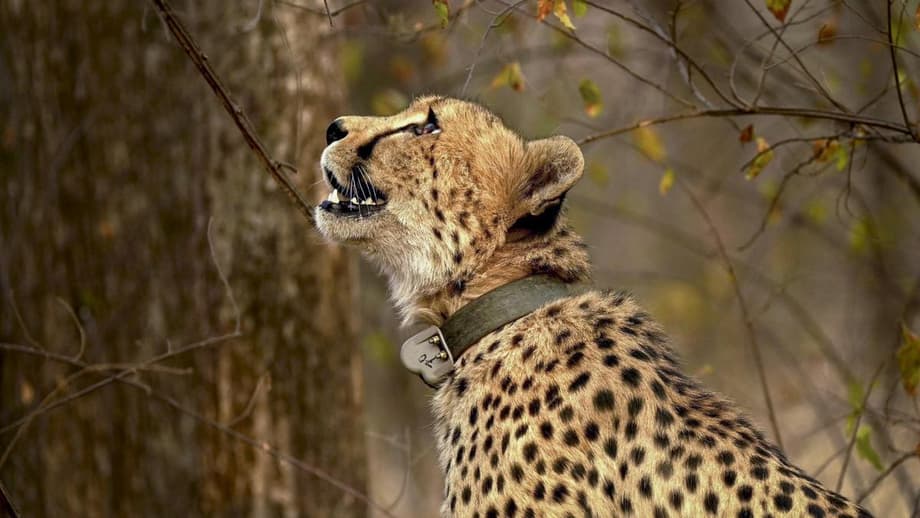
The mortality statistics for Project Cheetah paint a sobering picture of the challenges involved in intercontinental translocation. Since the project inception, nine imported adult cheetahs and twelve cubs born in India have died at Kuno. The causes range from acute heart failure and violent mating interactions to drowning, poisoning, and severe dermatitis triggered by radio collars reacting to humid monsoon conditions. In one particularly troubling incident documented in court records, a female named Daksha was mauled to death by a male while managers attempted to encourage mating within a large enclosure. Another cheetah, Pavan, drowned under unclear circumstances that some officials suspect involved poisoning.
Recent months have added further casualties to this grim tally. A cub died in December after being struck by a vehicle on the Agra-Mumbai National Highway near Gwalior, having strayed far beyond park boundaries. Sasha, a five-year-old Namibian female who arrived with the first batch, succumbed to kidney infection last month. These deaths reveal systemic management challenges, including the difficulty of maintaining wild-born animals in conditions that blur the line between captivity and freedom. South African veterinarian Adrian Tordiffe, who served on the government advisory committee, expressed frustration that communication breakdowns between international experts and Indian authorities may have prevented timely veterinary interventions in several cases.
The debate over what constitutes acceptable mortality has become contentious. Government officials cite IUCN guidelines suggesting that 50 percent survival rates during the first year of translocation fall within expected parameters for such projects. They point to 70 percent adult survival in year one and 85.71 percent in year two as evidence of improving management. However, critics counter that many deaths occurred within controlled enclosures where veterinary care should theoretically prevent fatalities. The high mortality among cubs, while consistent with naturally high rates in wild African populations, raises ethical questions about subjecting animals to such risks in an experimental context where the ultimate goal of free-ranging populations remains uncertain.
Social Justice and Displacement Concerns
Beyond the ecological debates, Project Cheetah has ignited serious concerns about social justice and community rights. Academic research published in conservation journals has documented how the initial site selection process for Kuno involved questionable methodologies that prioritized displacement over genuine community engagement. Between 1999 and 2001, approximately 5,000 people from 24 villages were relocated from Kuno to make way for planned Asiatic lion reintroductions that never materialized due to political opposition from Gujarat state. When the lion translocation stalled, the prepared but emptied landscape provided convenient infrastructure for the cheetah project, yet many displaced families continue to suffer from inadequate rehabilitation, unfulfilled compensation promises, and loss of traditional forest livelihoods.
Recent scholarly analysis examining the project through environmental justice frameworks identifies three dimensions of injustice: distributive, procedural, and recognition. Distributive injustice manifests in the unequal burden of conservation costs falling on marginalized communities while benefits like ecotourism revenue remain uncertain or inaccessible to displaced populations. Procedural injustice appears in the lack of meaningful consultation with local stakeholders during project design, with some reports indicating that researchers assessed community well-being through superficial visual observations rather than substantive dialogue. Recognition injustice occurs when diverse local knowledge systems, cultural attachments to land, and traditional ecological understanding are dismissed in favor of top-down bureaucratic decision-making.
The relocation process has also raised concerns about voluntariness and consent. While the Wildlife Protection Act and Forest Rights Act mandate voluntary resettlement with prior informed consent, ground reports suggest that procedural shortcuts and economic desperation have effectively forced many families from their traditional lands. Displaced residents continue to report gaps in basic services, water scarcity, and unemployment decades after their removal. These social costs remain largely unacknowledged in official project communications, which emphasize ecological restoration while minimizing the human dimension of landscape management.
Political Dimensions and Site Selection
The cheetah reintroduction has unfolded against a backdrop of intense political symbolism and interstate rivalry. Prime Minister Modi personal involvement, including releasing the first cheetahs on his birthday and likening the project speed to his governance philosophy, has transformed the initiative into a signature national achievement. This high-level political investment has made objective criticism difficult, with government press releases characterizing scientific objections as ideologically motivated or sensationalist. The project launch date deliberately contrasted with previous Prime Minister Jawaharlal Nehru tradition of releasing peace doves, signaling a shift toward assertive, muscular conservation nationalism.
Political considerations have also influenced site selection beyond Kuno. Mukundra Hills Tiger Reserve in Rajasthan was identified as a potential secondary site years ago, yet central government approval for cheetah transfers remained stalled while the state was governed by the opposition Congress party. Only after the Bharatiya Janata Party assumed power in Rajasthan did bureaucratic obstacles to expansion there appear to ease. Similarly, the refusal of Gujarat government to release Asiatic lions to Kuno, despite Supreme Court orders dating to 2013, forced planners to pivot toward African cheetahs instead. This dynamic has led some observers to conclude that species selection served political convenience rather than ecological necessity, given that Kuno was scientifically prepared and legally mandated for lions, not cheetahs.
Plans to expand to additional sites have generated fresh controversy. Gandhi Sagar Wildlife Sanctuary in Madhya Pradesh has been prepared as the next release location, with officials claiming necessary infrastructure is complete. However, proposals to establish a third site at Nauradehi Wildlife Sanctuary have drawn sharp criticism from scientists who note the area contains over 20 resident adult tigers plus numerous transients. Introducing cheetahs into such predator-dense woodland habitat, they argue, would subject the animals to intense interference competition and likely cub mortality. Wildlife scientist Arjun Gopalaswamy, who co-authored a 2022 paper warning against the project scientific foundations, contends that each new site selection reveals the same pattern of overestimating carrying capacity and underestimating predator conflicts.
Official Defense and Adaptive Management
Government officials and National Tiger Conservation Authority scientists have vigorously defended Project Cheetah against mounting criticism. In a recent paper published in Frontiers in Conservation Science, they argued that critics rely on oversimplified comparisons between African and Indian ecosystems while ignoring the behavioral flexibility of cheetahs. The paper contended that preliminary data from free-ranging animals shows successful predation on diverse prey species including chital, sambar, four-horned antelope and nilgai, with animals utilizing varied habitats from savanna grasslands to mixed deciduous forests. Officials emphasize that radio-collar data demonstrates cheetahs can successfully segregate themselves temporally and spatially from leopards, despite the latter high densities in Kuno.
The government has also sought to reframe the enclosure debate, insisting that soft-release bomas constitute naturalistic habitats rather than captivity. They note that this approach, recognized internationally for carnivore reintroductions, increases success odds by 2.5 times compared to immediate hard releases. The temporary return of free-ranging cheetahs to enclosures following mortality events in 2023 represented adaptive management responses to unforeseen challenges like tick infestations and winter coat complications, not evidence of project failure. Officials highlight that 21 cubs have been born in 2.5 years, with 11 now free-ranging alongside their mothers, suggesting that the population is indeed adapting to Indian conditions despite initial setbacks.
Regarding the social impact, official communications assert that no unjustified displacement has occurred under Project Cheetah itself, noting that most relocations happened decades earlier for the lion project. They describe resettlement as voluntary processes conducted through Gram Sabha village assemblies with comprehensive support packages including agricultural land, housing assistance and five-year handholding efforts. The project has employed hundreds of local youths as forest watchers and cheetah trackers while developing eco-tourism infrastructure intended to benefit surrounding communities. Officials insist that conservation and development work in harmony, with cheetahs serving as flagships for restoring degraded grasslands across multiple states.
Ecological Requirements and Global Context
The fundamental disagreement between proponents and critics centers on ecological requirements and the definition of conservation success. Cheetahs are among the most wide-ranging large carnivores, with documented home ranges spanning up to 5,441 square kilometers in some African ecosystems. Gopalaswamy and colleagues argue that establishing a viable free-ranging population requires 10,000 to 20,000 square kilometers of contiguous, prey-rich, conflict-free habitat, a scale currently unavailable in densely populated India. The alternative, maintaining animals in fenced enclosures or managed metapopulations across disconnected sites, represents a form of ex situ conservation that differs fundamentally from the wild population restoration originally envisioned.
This debate touches on broader questions about intercontinental species translocations in an era of rapid environmental change. Botswana, which supplied the latest batch of cheetahs, has itself experienced declining wild cheetah populations, raising ethical concerns about exporting animals from under-pressure source populations to experimental projects. The IUCN guidelines for reintroduction emphasize that such efforts should occur only within historical ranges using appropriate subspecies, yet the African cheetahs introduced to India belong to a different subspecies than the extinct Asiatic population. While genetic differences may be manageable, the ecological and behavioral adaptations to Indian conditions remain uncertain after 70 years of absence.
International experts who initially advised the project have expressed dismay at how political pressures have sidelined scientific input. A letter to the Supreme Court from South African and Namibian veterinarians complained that their advisory roles had been reduced to window-dressing, with critical health information withheld during emergencies. The high turnover among foreign consultants, including the departure of Cheetah Conservation Fund founder Laurie Marker from active involvement, suggests growing international concern about project management. As India negotiates additional imports from Kenya to boost genetic diversity, questions about the long-term sustainability of an import-dependent population strategy become increasingly urgent.
Key Points
- Project Cheetah has imported 20 adult African cheetahs since 2022, with the population reaching 53 including 33 India-born cubs, though 21 total deaths have occurred (9 adults, 12 cubs)
- Scientists argue Kuno National Park carrying capacity is approximately 10 adult cheetahs, making current population levels unsustainable without permanent captivity or high mortality
- Critics describe the project as a green grab enabling land control and displacement of forest communities, with procedural injustices documented in academic research regarding earlier relocations
- Government defends the initiative as adaptive management success, citing 70-85% adult survival rates and diverse prey utilization by free-ranging animals now occupying multiple sites
- Expansion to Gandhi Sagar Sanctuary and proposed Nauradehi site faces opposition due to habitat inadequacy and high tiger densities that would threaten cheetah survival
- International experts have raised concerns about communication breakdowns, sidelining of scientific advice, and ethical questions regarding export of animals from declining African populations