
When Disaster Struck at the Worst Possible Moment
Indrani Ravichandran still sleeps in the only section of her house that remains standing. Three months after flood waters swept through her village of Kudugalhena in Sri Lanka's Kandy district, she and her family remain surrounded by the wreckage of their former lives. "The water level rose swiftly. We rushed out and hardly had any time to pick up anything from the house," she recalls, describing the night Cyclone Ditwah unleashed its fury. "It was pitch dark and the rain was lashing down. We were terrified of treading on poisonous animals as we ran. But we were lucky to survive."
Contents
- When Disaster Struck at the Worst Possible Moment
- The Fury of Ditwah
- Economic Devastation Beyond the Waterline
- Systemic Failures Amplified the Disaster
- The Iran War: A Second Storm
- Geopolitics of Aid: A Friend Across the Sea
- Political Pressure and the Coal Crisis
- Grassroots Resilience Amid Government Strain
- Strategic Crossroads: Energy and Alliances
- The Essentials
Her story mirrors that of millions across this South Asian island nation, where the worst natural disaster in two decades arrived at a moment of extreme vulnerability. Sri Lanka is currently weathering what economists call a "triple shock": the devastating floods of November 2025, a lingering economic crisis that nearly collapsed the state in 2022, and now the spiraling economic fallout from the Iran war. The confluence has created a humanitarian and economic catastrophe that threatens to undo years of fragile recovery.
Over just three days, parts of Sri Lanka's central uplands received up to 500mm of rain, roughly the average of two months. The resulting floods and landslides killed 643 people, left 173 missing, and displaced more than 165,000. The World Bank estimates total damage at around $4 billion, equivalent to 4% of GDP, though some domestic estimates place the figure as high as $6-7 billion. President Anura Kumara Dissanayake has called it the country's worst-ever economic disaster, surpassing even the 2004 tsunami in infrastructure destruction.
"Compared to the 2004 tsunami, the loss of human lives was not that much. But in terms of damage to infrastructure, Ditwah caused even more harm than the tsunami."
Dr Ganeshan Wignaraja, visiting senior fellow at ODI Global Institute in London
The timing could hardly be worse. As flood waters receded, revealing entire settlements swept away and agricultural heartlands turned to wasteland, global oil markets convulsed. The US and Israel's war against Iran sent fuel prices soaring, directly threatening a nation that depends on imported petroleum for 20-25% of its total imports and relies on remittances from workers in Gulf countries for roughly $7 billion annually.
The Fury of Ditwah
Cyclone Ditwah made landfall on November 26, 2025, in southeastern Sri Lanka before tracking northward along the eastern coastline. What distinguished this storm from previous weather events was not merely its intensity but its extraordinary rainfall concentration. On November 28 alone, the island received nearly 13 billion cubic meters of water, equal to about 10% of Sri Lanka's average annual rainfall.
The discharge rate reached approximately 150,000 cubic meters per second, comparable to the Amazon River at peak flow. Unlike the Amazon basin, which stretches over 7 million square kilometers, Sri Lanka's catchment area is minuscule. Nearly all of this water turned to runoff because soil had already been saturated by previous rains, overwhelming reservoirs and causing main rivers, including the Kelani, Mahaweli, and Deduru Oya, to overflow simultaneously.
The human toll proved devastating. Entire hamlets in the tea-growing highlands vanished under landslides. In Thalawakelle, Nuwara Eliya district, plantation worker Sundaram Muttupillai lost not just his home but his livelihood. "It is all gone. We know the rolling hills to be unpredictable, and from time to time, there have been mudslides. Now the roads are impassable. We do not have the essentials, nor any hope of overcoming the cyclone's impact," he told journalists from temporary shelter.
The National Building Research Organization recorded 215 severe landslides across seven districts. More than 41,000 houses suffered damage, with 4,500 completely destroyed. Forty bridges washed away, and 247 kilometers of roads became impassable. Several sections of the main railway line through the central highlands were ruined, indefinitely suspending transportation along this critical route.
For communities already struggling with the lingering effects of the 2022 economic crisis, which saw widespread shortages of cooking gas, medicine, and food, the psychological impact has been profound. "It was the first time in 30 years we witnessed such ferocious floods," said Indrani's husband, Ravichandran. The couple received 50,000 rupees ($325) from the government to repair their partially destroyed home, plus additional assistance for their young children. Those who lost everything were promised up to five million rupees, though months later, many remain waiting.
Economic Devastation Beyond the Waterline
The cyclone struck at the agricultural and industrial heart of Sri Lanka. The central highlands, worst affected by landslides, constitute the country's tea and vegetable heartland. Tea, the nation's second-largest export earner after apparel, generating roughly $1.3 billion annually, faces catastrophic losses. Preliminary estimates predict an output decline of up to 35%, with full recovery expected to take months or years.
"Nothing we ever faced could have prepared us for what we endured," said Senthilnathan Palansamy, a 34-year-old tea plantation worker in Badulla, Uva province. "The plantations are unsafe. There will not be any work for several months. We will have to snap out of plantation lives and work somewhere else." His wife, Mariappan Sharmila, described the landscape as "like wastelands."
The economic shock rippled immediately through national accounts. Gross domestic product growth slowed to 4.8% in the fourth quarter of 2025, down from 5.3% in the previous quarter, according to the Department of Census and Statistics. The Tea Exporters Association of Sri Lanka had projected $1.5 billion in export earnings for 2025, a target now considered unachievable.
Dhananath Fernando, chief executive at Advocata Institute, an independent Colombo think tank, warned that the disaster would reduce foreign earnings vital to keeping the economy afloat. "Sri Lanka's approach to debt sustainability is founded on economic development. Our focus is to repay debt by growing the economy. For this to happen, we cannot afford people to shift from the plantations in search of other options," he explained.
The disaster also exposed the fragility of Sri Lanka's public finances. With public debt standing at nearly $100 billion, 99.5% of GDP, the island has minimal room to absorb further shocks. The government has received barely a fifth of the $750 million needed for reconstruction and rehabilitation, forcing difficult choices between immediate relief and long-term resilience.
Systemic Failures Amplified the Disaster
While climate change intensified Cyclone Ditwah's destructive power, human decisions transformed a severe storm into a national catastrophe. Scientists have documented increasing Category 3-5 cyclones in the Indian Ocean that intensify faster than before, giving authorities less time to respond. However, the scale of destruction in Sri Lanka stemmed from decades of unplanned development and environmental degradation.
Since economic liberalization began in 1977, Sri Lankan governments withdrew from long-term planning and regulatory oversight. Wetlands were filled for housing, expressways, and commercial projects. Rivers and canals became clogged with encroachments. In the hill country, deforestation and construction destabilized slopes. Many years ago, officials identified high-risk areas for floods and landslides, yet construction continued in these zones without relocating inhabitants.
The roots of this vulnerability reach deep into colonial history. Between 1880 and 1950, British colonial expansion of the plantation economy destroyed about 40% of Sri Lanka's forest cover. By 1930, over half of the upper river-basin regions had been cleared for tea cultivation, causing annual erosion of 500,000 to 800,000 tons of soil and creating conditions that drastically increased landslide risks.
State investment in flood control, environmental protection, and scientific capacity has remained minimal. During the economic crisis beginning in 2020, institutional weakening accelerated. Recruitment was frozen for five years, and basic maintenance of drainage networks, reservoirs, and early-warning systems was neglected due to budget constraints. The Department of Meteorology operates with a barely functional radar network, inadequate automatic weather stations, and outdated satellite-reception equipment.
"Even in the low-lying areas along the Kelani River, which flows near Colombo, hundreds of thousands of people live in unsafe conditions," explained Palitha Deshapriya, an irrigation engineer. "The vast majority of these people are too poor to afford land in safer locations." Bridges and embankments failed because they were built too short or too low, ignoring maximum water throughput expectations.
The military, which deployed thousands for rescue operations, has also faced chronic capital expenditure limitations. Despite allocating over $1.5 billion annually for defense, most funding covers recurrent expenditure rather than equipment. The armed forces possess only a few heavy-lift helicopters for evacuations, too few high-water vehicles for remote communities, and insufficient boats, drones, and engineering tools for modern disaster demands.
The Iran War: A Second Storm
As Sri Lanka struggled to clear mud and debris, a second crisis unfolded 2,700 miles away. The eruption of war between the US-Israel axis and Iran sent global oil prices surging 40%, creating immediate balance-of-payments pressure for the import-dependent island. Sri Lanka last year received about $7 billion in remittances from workers abroad, mainly from Gulf countries. Though massive layoffs have not yet materialized, concerns over new employment opportunities for Sri Lankans are growing.
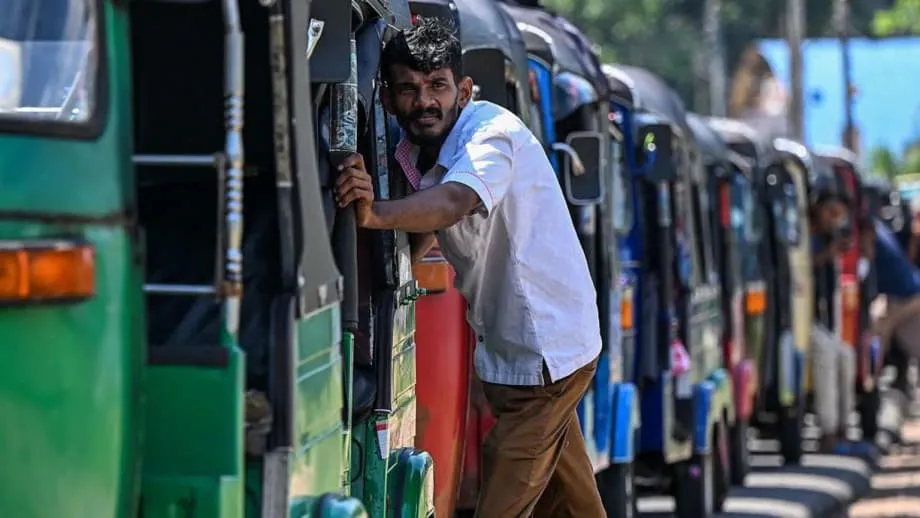
The government responded with emergency measures that evoked painful memories of the 2022 collapse. Fuel rationing returned through a QR-code system limiting weekly quotas based on vehicle categories. Prices for fuel and cooking gas jumped sharply, with diesel potentially exceeding 600 rupees per liter without subsidies. Electricity costs rose by up to 40%, while the state imposed water and power cuts to compensate for dwindling resources. A four-day working week was introduced for government employees to conserve transport fuel.
Facing public discontent ahead of the Sinhala and Tamil New Year, President Dissanayake announced a 100 billion rupee ($317 million) relief package over three months. The measures include subsidies of up to 100 rupees per liter of diesel and 20 rupees per liter of petrol, funded through the existing budget rather than new borrowing. The fertilizer subsidy increased from 25,000 to 30,000 rupees for paddy farmers, with additional support for tea growers. Electricity users consuming less than 90 units monthly will receive government subsidies on their bills.
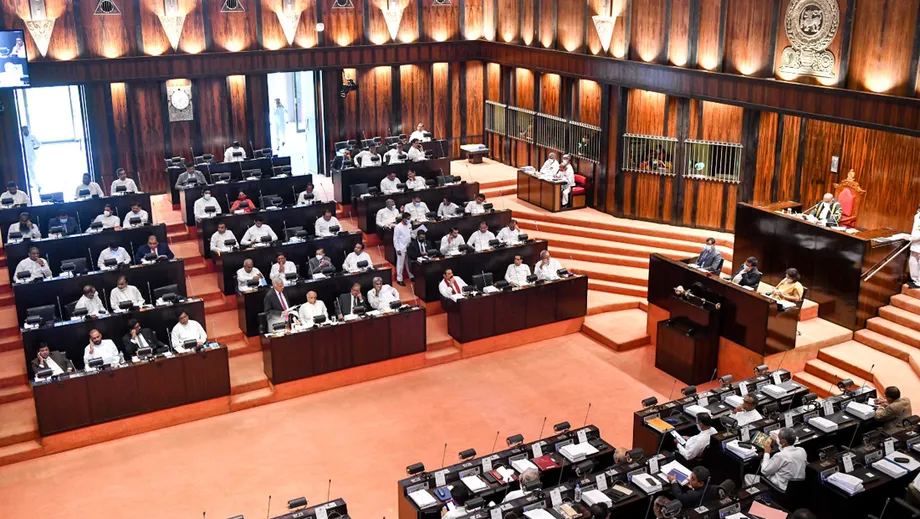
"We are striving to maintain bank interest rates below 10% and inflation below 5%," Dissanayake told Parliament. "The relief measures we have introduced are aligned with the current circumstances. We will ensure an uninterrupted supply of energy and fuel until the end of May."
Securing those supplies has required delicate diplomacy. India delivered 38,000 metric tonnes of petroleum in late March following a telephone call between President Dissanayake and Prime Minister Narendra Modi. Colombo is also in talks with Russia and China to augment supplies, though purchases of sanctioned Russian oil require US waivers that expired in early April.
Geopolitics of Aid: A Friend Across the Sea
The international response to Ditwah revealed shifting geopolitical alignments and donor fatigue. In 2004, horrified by the tsunami, international donors pledged billions in aid. This time, the response was notably muted. Sri Lanka's government has received barely a fifth of the $750 million required for reconstruction, leaving 165,000 displaced people in temporary shelters months after the event.
India emerged as the clear first responder and largest contributor. New Delhi launched Operation Sagar Bandhu, translating from Hindi as "friend across the sea," deploying two warships including an aircraft carrier for relief operations. Indian Air Force helicopters flew multiple sorties rescuing hundreds of people, including foreign nationals. Rescue teams established field hospitals, restored essential infrastructure, and delivered more than 1,000 tonnes of critical supplies. Total Indian assistance reached $450 million in grants and aid.
In stark contrast, China, one of Sri Lanka's major investors and a long-standing ally through the Belt and Road Initiative, offered minimal support totaling less than $2 million in aid and roughly 100 tonnes of supplies. In January, Sri Lanka formally requested Beijing to help rebuild key infrastructure damaged by the cyclone, but the response remained limited compared to India's engagement.
The International Monetary Fund is considering a $200 million emergency financing request under the Rapid Financing Instrument, designed for urgent balance-of-payments needs following natural disasters. Additionally, IMF staff reached agreement on the combined Fifth and Sixth Reviews of Sri Lanka's $2.9 billion bailout program, potentially releasing about $700 million in financing once approved by the Executive Board.
However, these funds come with conditions. The staff-level agreement requires restoration of cost-recovery electricity and fuel pricing while protecting vulnerable consumers, plus completion of a financing assurances review to confirm multilateral partners' contributions. With public debt at nearly 100% of GDP and the coal crisis deepening, these conditions present political challenges for the government.
Political Pressure and the Coal Crisis
President Dissanayake faces mounting pressure on multiple fronts. While managing the triple economic shock, his administration is embroiled in controversy over low-grade coal imports that threaten electricity generation at the Norochcholai Lakvijaya Coal Power Plant. The plant, which normally generates 270 units, has been producing below capacity due to substandard coal from India's Trident Chemphar.
Energy Minister Kumara Jayakody, already under pressure after being indicted by the Commission to Investigate Allegations of Bribery or Corruption on charges related to his tenure at Lanka Fertiliser Company in 2016, faces a no-confidence motion. Opposition parties accuse him of failing to ensure adequate coal quality. A National Audit Office report found that Lanka Coal Company relaxed registration criteria for suppliers to "unacceptable levels," allowing suppliers with experience in rejected coal quality levels to win contracts.
The audit calculated that overconsumption from the first nine substandard shipments cost the state 2.2 billion rupees. Opposition MPs claim unannounced power cuts have already begun to balance the strained system, though the minister denies this. President Dissanayake defended the procurement process while acknowledging the coal quality problem, insisting that costs would be borne by supplying companies rather than consumers.
The coal crisis complicates the government's efforts to maintain power supply during the dry season, when hydroelectric generation drops and thermal plants must compensate. With water levels in reservoirs declining due to El Niño conditions, the country faces a precarious energy security situation alongside its other challenges.
Grassroots Resilience Amid Government Strain
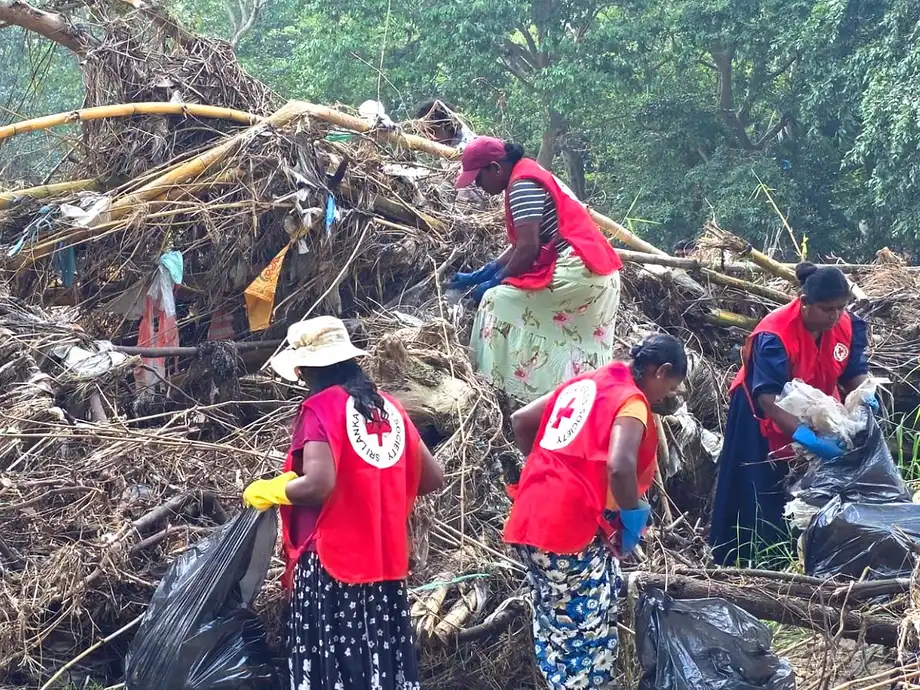
While official relief efforts faced delays and bureaucratic constraints, Sri Lankan civil society mobilized with remarkable speed. The cyclone awakened a volunteer spirit reminiscent of the 2022 protests that ousted former President Gotabaya Rajapaksa, but channelled toward humanitarian relief rather than political agitation.
In Colombo's Wijerama neighborhood, activists who previously organized anti-government protests established community kitchens churning out food aid. "Some volunteers came after work, some took turns and some even took leave to be there," said Sasindu Sahan Tharaka, a social media activist who reactivated his volunteer network from the 2016 floods. "Whatever we asked for, we got more than enough in response from the community."
Sri Lankan actor and musician GK Reginold used motorised fishing boats to deliver food and water to isolated suburban families who had not received aid for days. "The main reason why I wanted to do this, is to at least help them to have one meal," he explained. "And I was so happy that I was able to do that."
Online platforms coordinated efforts efficiently. Volunteers created public databases to direct donations and match volunteers with needs, while private companies organized donation drives and local television channels launched efforts to provide soap, toothbrushes, and basic necessities. This civic response filled critical gaps as formal humanitarian operations struggled to reach remote, landslide-cut communities.
Facing criticism over preparedness, President Dissanayake urged Sri Lankans to "set aside all political differences" and "come together to rebuild the nation." Opposition politicians staged a parliamentary walkout claiming the ruling party limited debate on disaster handling, but on the ground, a sense of unity prevailed among volunteers.
Strategic Crossroads: Energy and Alliances
The triple crisis has forced a strategic reckoning for Sri Lanka. Analysts argue the country can no longer afford reactive policymaking and drift between crises. The current fragility stems from two volatile pillars: remittances from Middle East workers and imported fossil fuels. A $10 increase in global oil prices can add hundreds of millions to Sri Lanka's import bill, while a prolonged Gulf conflict could quickly erode remittance inflows.
Strategic analysts recommend accelerating decarbonization not merely as environmental policy but as economic and national security necessity. Sri Lanka already generates 50-60% of electricity from renewables in favorable hydrological years, but this drops significantly during droughts. The solution lies in expanding solar and wind capacity while addressing intermittency through pumped hydro storage using the island's natural topography, rather than expensive imported lithium-ion batteries.
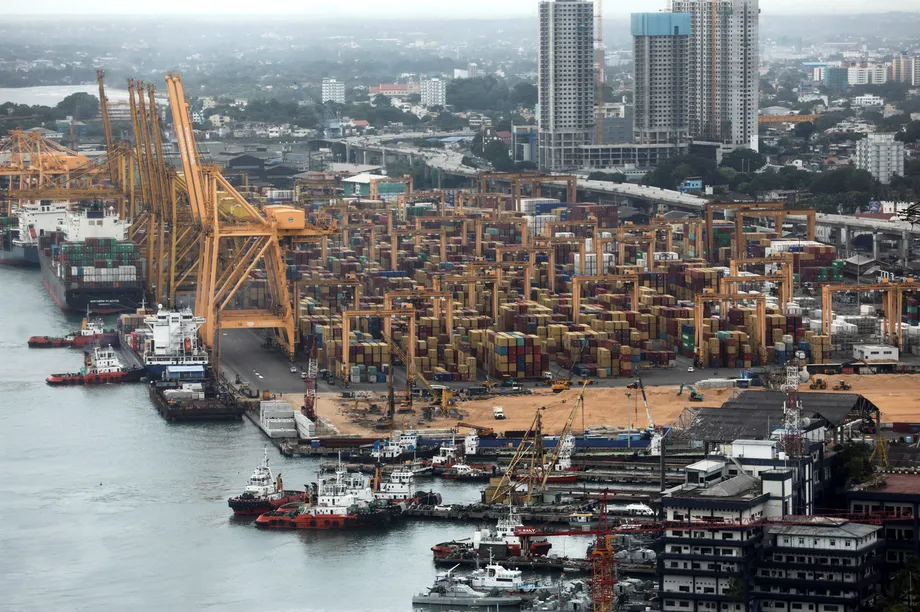
Foreign policy must also adapt to a multipolar world. Sri Lanka faces the challenge of maintaining productive relations with both India, its most important strategic partner and first responder in crises, and China, a major investor in infrastructure like the Hambantota Port and Colombo Port City. The Ditwah relief effort demonstrated India's immediate geographic and cultural proximity advantages, while China's response was more measured.
"The challenge for Sri Lanka is therefore not to choose between India and China, but to maintain productive relations with both while preserving its own strategic autonomy," noted a recent strategic assessment. This non-aligned approach, firm enough to resist external pressure yet flexible enough to engage widely, remains essential as global trade fragments and strategic competition reshapes supply chains.
The coming months will test whether President Dissanayake's government can convert crisis into transformation. With the IMF potentially releasing $700 million, India providing consistent fuel support, and civil society mobilized for reconstruction, the pieces exist for recovery. However, deep structural issues remain: the need to relocate families from high-risk zones, rebuild resilient infrastructure, modernize disaster response capabilities, and achieve energy independence.
For Indrani Ravichandran and thousands like her living in half-destroyed homes, these strategic debates feel distant. Yet their survival depends on whether Sri Lanka can finally break the cycle of reactive crisis management and build the institutional muscle needed for an era of climate disruption and global volatility.
The Essentials
- Cyclone Ditwah killed 643 people and caused up to $7 billion in damage, exceeding the 2004 tsunami's infrastructure destruction
- Over 165,000 people remain displaced months after the November 2025 disaster, with reconstruction funding at only 20% of needs
- The Iran war triggered a 40% surge in oil prices, forcing fuel rationing, electricity price hikes of 40%, and a $317 million government relief package
- India provided $450 million in immediate aid through Operation Sagar Bandhu, while China offered less than $2 million
- The IMF is considering $200 million in emergency financing plus $700 million from existing program reviews, subject to conditions on utility pricing
- Sri Lanka's tea industry faces 35% output decline, threatening $1.3 billion in annual export earnings
- Systemic failures including deforestation, wetland filling, and inadequate early warning systems amplified the cyclone's impact
- President Dissanayake faces political pressure over a parallel coal crisis at the Norochcholai power plant and corruption allegations against the Energy Minister