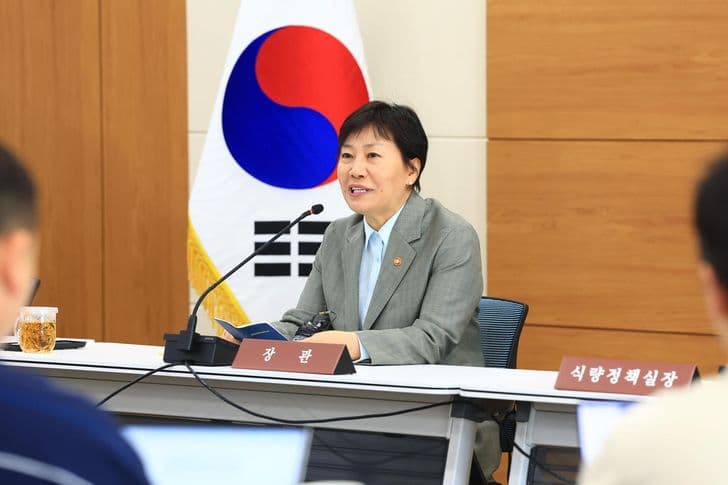
Korea is significantly expanding its agricultural export footprint in Vietnam, moving beyond the breakthrough poultry agreement achieved last week to target the Southeast Asian nation’s entire meat market. Korean Agriculture, Food and Rural Affairs Minister Song Mi-ryung announced Monday that negotiations are advancing for exports of heat-treated pork, premium hanwoo beef, duck, and lamb, positioning Korean producers to capture growing demand in one of Asia’s most dynamic economies.
The comprehensive trade push accompanies the recent state visit by President Lee Jae Myung to Vietnam, where bilateral agreements on quarantine standards and agricultural cooperation took center stage. With nearly 10,000 Korean firms operating in Vietnam and a burgeoning middle class driving demand for high-quality imported foods, Seoul sees substantial opportunity to diversify its export portfolio beyond traditional manufacturing into agricultural and food service sectors.
Expanding the Protein Portfolio
Last week marked a significant milestone when Korean and Vietnamese authorities reached a quarantine agreement enabling Korean poultry exports to enter the Southeast Asian market. Building upon that foundation, Seoul now aims to diversify its meat exports to include heat-treated pork, hanwoo, duck, and lamb.
Speaking at a press conference at the ministry offices in Sejong on Monday, Song revealed that thirteen Korean firms have already expressed interest in expanding to Vietnam, including major players such as Lotte, Maniker, and NongHyup Moguchon. These companies are currently engaged in negotiations for new memorandums of understanding that could accelerate market entry once quarantine agreements are finalized.
Song emphasized the scale of the opportunity.
The Vietnamese meat market is incredibly huge. Some of the Korean firms said mixing poultry and pork together produces better flavors. If the ongoing MOU negotiations reach a quarantine agreement, our livestock exports will definitely accelerate.
The minister indicated that all meat categories have reached the third stage of bilateral discussions, suggesting formal agreements may be imminent. This progression represents a strategic escalation in Korean agricultural diplomacy, transforming Vietnam from a limited market for specific proteins into a comprehensive destination for the full range of Korean meat products.
Climate-Complementary Fruit Exchange
Beyond meat, bilateral trade is set to flourish through a novel approach leveraging the contrasting climates of the two nations. During her visit to Vietnam last week alongside President Lee, Song reached an agreement with Vietnamese Minister of Agriculture and Environment Trinh Viet Hung to exchange locally grown fruits that thrive in their respective environmental conditions.
Song recounted the conversation.
The Vietnamese minister suggested, Wouldn’t it be great if we traded fruit since our climates are so different? So I proposed that Korea export kiwi and satsuma oranges. My counterpart mentioned lychee and passionfruit. This kind of mutually beneficial agricultural trade, hinging on differences in climate, is underway.
This exchange model allows both countries to offer consumers seasonal fruits that would otherwise be unavailable or prohibitively expensive due to cultivation challenges. Vietnamese consumers will gain access to temperate-zone Korean fruits, while Korean markets will receive tropical Vietnamese specialties.
The cooperation has already yielded practical results for existing export categories. Korean melon exports to Vietnam, which began just last year, saw the second-highest import volume globally at $295,000. Following bilateral discussions during the visit, the trade closing month for Korean melons has been extended from May to June, allowing for increased export volume.
We requested that to the Vietnamese government and it took only two days for them to get back to us with an agreement.
Capturing the Corporate Canteen Market
A unique dimension of the export strategy targets the internal food supply chains of Korean companies operating in Vietnam. With nearly 10,000 Korean firms established in the country, the government sees a captive market for Korean food ingredients and prepared meals served in corporate canteens.
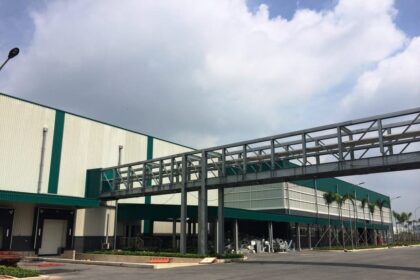
During her visit, Song met with representatives from major Korean food service operators including Lotteria, Bonchon International, and Dookki to discuss sales expansion strategies. A critical moment came during a tour of Hanwha Vision Vietnam in Bac Ninh Province, where the company contracts Ourhome, a Korean food service firm, to provide lunch and dinner daily to approximately 1,000 employees.
Song explained the rationale.
That got me to pursue exporting Korean food ingredients to Korean companies in Vietnam with their own canteens.
This approach circumvents some challenges of entering Vietnam’s retail food market by serving Korean expatriate workers and local employees of Korean corporations who have already developed tastes for Korean cuisine.
Vietnam currently ranks as the fourth-largest global market for K-food exports from Korea. While Song acknowledged that this ranking may remain stable, she expressed confidence that the MOUs under discussion will significantly accelerate export volume through diversified channels including corporate food service, retail, and restaurant supply.
Navigating Intensifying Competition
Korea’s expanded agricultural push enters a market already attracting significant international competition. The growing Vietnamese middle class and robust economic growth have transformed the nation into a battleground for global meat and fruit exporters seeking to satisfy rising demand for high-quality imported foods.
According to data from agricultural trade analysts, Vietnam has developed a robust middle class willing to pay premium prices for imported foods perceived to meet higher safety standards. With a population exceeding 97 million and sustained GDP growth, the shift from agrarian self-sufficiency to import-dependent consumption has attracted global suppliers, with total agricultural imports exceeding $42 billion annually across various categories.
The United States has established strong positions in beef, pork, and poultry, with American beef exports growing substantially in recent years despite competition from countries enjoying preferential tariffs through free trade agreements. Chile, one of the world’s top five pork exporters, is currently completing final procedures to introduce its pork products to Vietnam, leveraging its disease-free status and free trade agreement signed in 2014. Australia has similarly intensified its focus on Vietnam, with Meat and Livestock Australia hosting promotional events showcasing Australian beef and lamb to Vietnamese importers and food industry leaders.
Vietnamese consumers increasingly demonstrate willingness to pay premium prices for imported foods perceived to meet higher safety and quality standards, creating opportunities for Korean products to differentiate themselves. However, success will require navigating Vietnam’s facility registration processes and sanitary requirements, which have historically posed challenges for new market entrants.
Regional Trade Context and Energy Security
These bilateral efforts with Vietnam occur within a broader Korean strategy to strengthen economic ties across Southeast Asia. Parallel negotiations for an Economic Partnership Agreement with Thailand, which held the first round of talks in July 2024, demonstrate Seoul’s comprehensive approach to securing agricultural and industrial market access throughout the region. Thailand and South Korea are targeting completion of their agreement by late 2025, with Thai officials anticipating increased exports of meat, fishery products, and tropical fruits to Seoul.
The agricultural initiative extends beyond food trade into energy security. Citing disruptions to global oil supplies caused by the Iran crisis, Minister Song announced the launch of a new task force this week dedicated to introducing renewable energy businesses in Vietnamese agricultural regions.
The initiative aims to reduce Korean dependence on imported crude oil while supporting sustainable farming practices in Vietnam. Potential projects include developing excrement-based fuel pellets, bio gas production facilities, and installing photovoltaic panels on farmland and reservoirs.
Song observed the growing movement among farmers.
Korean farmers here are voluntarily staging new self-sustaining movements to recycle and upcycle agricultural materials like livestock excrement or wasted vinyls to improve sustainable farming practices. It is time the government meets their demands by proposing promising agendas.
This dual-use approach, combining food export expansion with energy infrastructure development, reflects a broader strategic partnership that addresses both nations’ economic vulnerabilities. By helping Vietnam develop renewable energy capacity within its agricultural sector, Korea secures both a stable food export destination and potential alternative energy sourcing arrangements.
Key Points
- Korea is expanding meat exports to Vietnam beyond poultry to include heat-treated pork, hanwoo beef, duck, and lamb, with thirteen companies including Lotte and NongHyup Moguchon negotiating market entry.
- Bilateral fruit trade will leverage climate differences, with Korea exporting kiwi and satsuma oranges while importing Vietnamese lychee and passionfruit.
- The Korean melon export season to Vietnam has been extended from May to June following rapid bilateral agreement, building on last year’s $295,000 in Vietnamese imports.
- Korean food ingredients are being targeted for export to the canteens of nearly 10,000 Korean companies operating in Vietnam, including major firms like Hanwha Vision.
- Vietnam ranks as the fourth-largest K-food export market for Korea, with officials expecting accelerated volume growth through new memorandums of understanding.
- Korea faces established competition from the United States, Chile, and Australia in Vietnam’s growing meat import market, which has seen rising middle-class demand.
- A new task force will develop renewable energy projects in Vietnamese agricultural regions to reduce Korean oil import dependence following disruptions related to the Iran crisis.