A Depok Chicken Seller Faces a Costly Choice
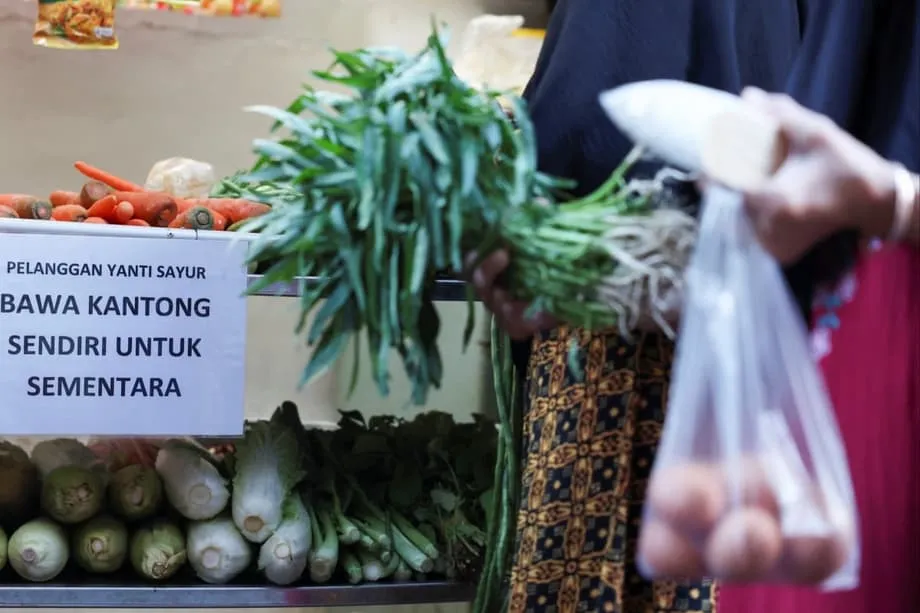
Budi, a chicken vendor in Depok, south of Jakarta, sells poultry for no more than 50,000 rupiah per kilogram. By April 28, 2026, the plastic bags he needs to send that chicken home with customers have become a much heavier expense. Supplies that previously required at least 10,000 rupiah, equivalent to 58 US cents, now cost a minimum of 15,000 to 20,000 rupiah.
Contents
- A Depok Chicken Seller Faces a Costly Choice
- How the Hormuz Disruption Reached Indonesia
- Rice and Cooking Oil Feel the Packaging Squeeze
- Factory Supply Problems Extend to Cars
- Small Traders Absorb Costs as Supplies Tighten
- Plastic Dependence Carries an Environmental Bill
- Imported Materials Expose a Domestic Weakness
- The Shock Spreads Across Asia and Beyond
- Immediate Support and Changes to Packaging
- Key Points
Budi's packaging bill has risen by as much as double, leaving him to choose between earning less on each sale and charging customers more. In a competitive market where profit margins are already thin, either choice can threaten his livelihood. The chicken vendor described the problem in direct terms:
If I do not raise the price, I will suffer a loss. If I raise the price, buyers will run away.
Indonesia's street vendors, market traders and small food businesses face versions of the same calculation. Plastic packaging is inexpensive enough to be easily overlooked when supplies are plentiful. When its price jumps, businesses that use it for nearly every transaction feel the change immediately.
Indonesia is pursuing an ambitious economic growth target of 8 percent, yet the packaging squeeze is putting pressure on the micro, small and medium enterprises, known as MSMEs, that form the backbone of its economy. The shock reaches beyond bags at a poultry stall. Rice packaging, cooking oil bottles, fertilizer sacks, beverage containers and plastic components used in cars are all exposed to disruptions in the materials needed to make them.
The connection runs from conflict in the Middle East through oil and petrochemical supplies to the cost of everyday purchases in Indonesia. For a small business, a shortage thousands of kilometers away can arrive as a higher bill at the local packaging distributor.
How the Hormuz Disruption Reached Indonesia
The escalation of the United States-Israeli war on Iran on February 28, 2026, disrupted global energy and industrial supply chains. The effective closure of the Strait of Hormuz, a critical route for energy trade through the Persian Gulf, restricted the movement of oil and petrochemical feedstocks. Feedstocks are the raw materials factories process into other products, including plastics.
Brent crude rose from around $70 per barrel to a peak of $111 on March 20. Prices subsequently eased below $100, while the effects continued to move through the industries that depend on oil. Nearly 99 percent of global plastics derive from fossil fuels, leaving packaging manufacturers highly exposed to changes in energy and raw material prices.
Polyethylene, or PE, and polypropylene, or PP, are two widely used plastics. Middle Eastern production accounts for roughly a quarter of global supply of these materials. Naphtha, a primary raw material used to produce them, became substantially more expensive following the conflict.
Trading Economics data put naphtha at $901.9 per ton on April 10, 2026, up 5.7 percent from late March and more than 50 percent since the conflict began in late February. Indonesia imports 60 to 70 percent of its national petrochemical raw materials from the Middle East, making the disruption an immediate problem for domestic manufacturers.
The main dates trace how quickly the pressure developed:
- February 28, 2026: The escalation of the United States-Israeli war on Iran triggered disruptions to energy and petrochemical supplies.
- March 20, 2026: Brent crude reached a peak of $111 per barrel, compared with around $70 before the surge.
- April 10, 2026: Naphtha reached $901.9 per ton, more than 50 percent above its level when the conflict began.
- April 28, 2026: Indonesian businesses were facing higher packaging costs and constraints on supplies despite crude prices having eased below $100.
Rice and Cooking Oil Feel the Packaging Squeeze
ID Food, Indonesia's state food holding company, has begun experiencing difficulties securing packaging for rice, cooking oil bottles and fertilizer sacks. These materials are part of getting essential goods from producers to buyers, so disruptions can affect both distribution and prices.
The price of plastic bags holding 5 kilograms has increased from Rp 2,560 to Rp 5,020 per sheet. Higher packaging costs have contributed to an increase of approximately Rp 1,000 per rice package. Premium rice now sells for Rp 16,850 to Rp 17,300 per kilogram, with rising prices for harvested dry grain also contributing to the increase.
Trade Minister Budi Santoso linked recent increases in cooking oil prices directly to disruptions in plastic packaging supplies. He identified the continuing Middle East conflict as the primary driver of the increases. Premium cooking oil rose 0.06 percent to Rp 21,706 per liter, while bulk cooking oil increased 0.18 percent to Rp 19,437 per liter.
Putu Juli Ardika, acting director general of agro industry at the Ministry of Industry, explained that food and beverage production costs are highly sensitive to plastic prices. In bottled drinking water, packaging often costs more than the water inside. An increase in the price of the container can therefore have a substantial effect on the cost of the finished product.
The Indonesian Food and Beverage Entrepreneurs Association, known as Gapmmi, reported increases of 30 to 100 percent in retail prices for plastic packaging. At the distributor level, packaged beverage products have already risen by Rp 1,000 to Rp 2,000 per unit. The pressure is moving through several stages of the supply chain, from raw materials to containers and then to the goods sold inside them.
Factory Supply Problems Extend to Cars
PT Honda Prospect Motor is monitoring logistics disruptions across its global supply chain. PT Toyota Motor Manufacturing Indonesia has also warned of potential shortages of plastic raw materials, bringing the packaging crisis into a much wider manufacturing problem.
Yusak Billy, sales and marketing director at Honda Prospect Motor, explained that plastics are used throughout vehicle production, from interior dashboards to engine components. If disruptions continue, shortages could slow assembly lines and delay deliveries to customers.
Major regional producers, including The Polyolefin Company, Rayong Olefins Company and Chandra Asri Pacific, have scaled back production in response to higher costs and constraints on supplies. Reduced production adds another source of pressure for businesses trying to obtain plastic materials.
Indonesia's food distributors and carmakers use different finished products, yet both depend on access to petrochemicals. A shortage that makes bags more expensive can also affect a factory's ability to obtain components. The economic reach of the disruption is therefore much broader than the packaging visible at market stalls.
Small Traders Absorb Costs as Supplies Tighten
Plastic goods distributors in Surabaya, East Java, reported wholesale price increases of 30 to 40 percent for products including cups, mica containers and plastic spoons. Large distributors have begun limiting purchase quotas for traders of medium size, spreading scarcity further down the supply chain.
Small vendors have fewer reserves of packaging and less ability than large companies to set higher prices without losing customers. When a distributor restricts purchases, a trader faces both a higher cost and a limit on how much stock can be obtained. Businesses must then decide how to keep serving customers with the supplies they can afford.
In South Tangerang, Banten, sellers of side dishes reported that packaging prices had increased from Rp 8,000 to Rp 10,000 per pack. Many kept their selling prices unchanged during the important Ramadan and Eid al-Fitr shopping season because they feared customers would leave if meals became more expensive.
Edy Misero, secretary general of the Indonesian MSME Association, warned that higher energy prices produce chain effects across transportation costs and raw materials. Packaging is one expense in that chain. Moving goods and obtaining other inputs can become more expensive at the same time.
Edy identified maintaining community purchasing power as the greatest challenge. Purchasing power means how much people can buy with the money they have. If household budgets become tighter, spending on clothing and other nonessential goods is likely to suffer more heavily than spending on primary needs.
Budi's dilemma therefore reaches beyond the cost of a bag. A vendor who absorbs the increase earns less, while a vendor who passes it on risks losing sales. Customers facing higher prices across several necessities have less room to support other businesses, adding pressure to Indonesia's growth ambitions.
Plastic Dependence Carries an Environmental Bill
Indonesia committed to reducing marine debris by 70 percent by 2025 under its National Action Plan. Jakarta also banned plastic bags intended for a single use in traditional markets, supermarkets and minimarkets in July 2020. Those commitments sit alongside an immediate business reality: many traders still depend on plastic packaging to sell their goods.
The World Bank estimates that marine plastic pollution costs Indonesia more than $450 million annually through damage to its ocean economies. The pollution threatens tourism revenue exceeding $3 billion and affects fisheries worth $26.9 billion.
World Bank data put Indonesia's annual release of plastic into the ocean at between 201,000 and 552,000 tons. The scale has been described as equivalent to almost 2,000 Boeing 747 aircraft full of plastic each year. With 70 percent of the population living in coastal areas and the ocean economy generating one quarter of gross domestic product, damage to marine environments also threatens livelihoods.
The World Economic Forum estimates annual costs from ocean plastic leakage in Indonesia at IDR 225 trillion, or $13.7 billion. Indonesia consequently faces economic pressure from both the plastic that escapes into the environment and the rising cost of obtaining new plastic materials.
A report commissioned by WWF and developed by Dalberg warns that the true cost of plastic to the environment, health and economies can be as much as 10 times higher for countries with low incomes than for countries with high incomes. Countries with low incomes consume almost three times less plastic per person, yet carry a much heavier burden from its consequences.
Environmental groups want authorities to use the shortage to accelerate systems for reuse and refilling. Small traders need affordable ways to continue operating immediately. Policymakers are being asked to address both demands: reduce reliance on disposable packaging while helping businesses survive the current price shock.
Imported Materials Expose a Domestic Weakness
Indonesia relies on imported petrochemicals, primarily from China, Thailand, South Korea and the Middle East. That dependence leaves manufacturers exposed to disruptions outside the country's control, whether the problem is the cost of materials, their availability or the movement of shipments.
Andry Satrio Nugroho, head of the Indonesian Defence Industry Center, called for strengthening the upstream sector through domestic naphtha cracker facilities. The upstream sector supplies the basic materials that other factories use. A naphtha cracker processes naphtha into chemical building blocks used in plastics production.
Andry's proposal aims to reduce import dependence and maintain stability in manufacturing. Expanding domestic production capacity is one approach the government is exploring as it seeks to protect the economy against future geopolitical shocks.
Indonesia's 8 percent growth goal depends on businesses being able to produce, distribute and sell goods. More expensive materials reduce earnings unless companies can raise prices, while shortages can restrict output. The combination of import dependence and widespread use of petroleum based packaging makes an external oil shock relevant to daily economic activity across the country.
The Shock Spreads Across Asia and Beyond
India has experienced gas shortages linked to the Middle East conflict that have closed dozens of aluminum extrusion plants. These plants make products used in construction materials and solar panel frames, so the closures threaten supply chains beyond India.
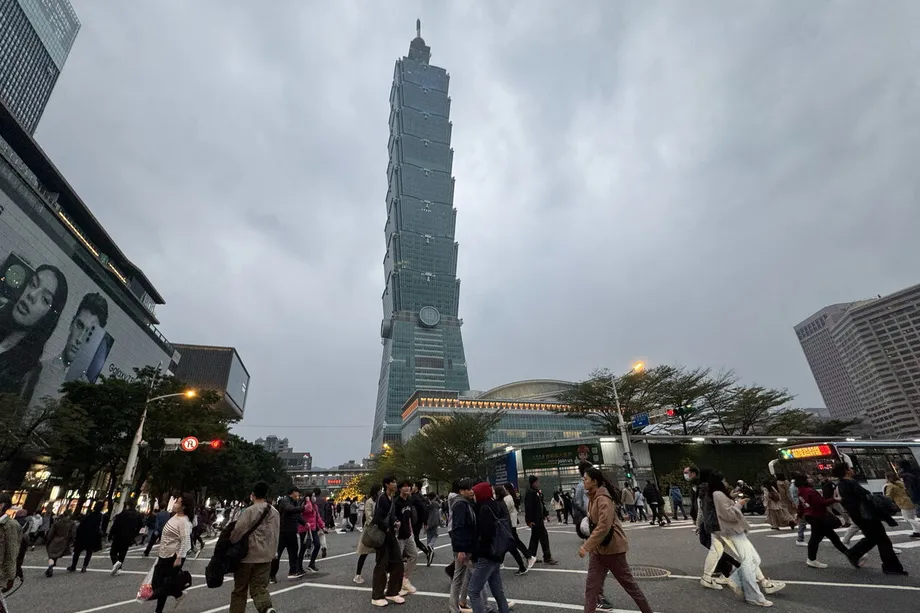
Taiwan's environment minister, Peng Chi-ming, is confronting a similar tension between reducing plastic use and meeting the needs of small vendors. Panic buying and rationing have taken hold. Peng said policies must account for the circumstances of small vendors, recognizing that plastic bags remain essential to traditional markets and night markets.
The International Monetary Fund has signaled plans to lower its global growth forecasts while raising its inflation outlooks. Goldman Sachs has increased its estimate of the probability of a United States recession to 30 percent, and the Organisation for Economic Cooperation and Development has sharply downgraded British growth forecasts.
Analysts forecast oil prices between $100 and $190 per barrel for the year if the Middle East disruption persists. Sustained prices at those levels would increase the risk of demand destruction. In simple terms, demand destruction occurs when energy becomes so expensive that people and businesses cut activity because they can no longer afford it.
Indonesia depends on plastic packaging across food distribution and agriculture, making that prospect a threat to everyday trade as well as industrial production. The effects spreading through Asia and beyond add another source of pressure to the government's effort to reach 8 percent growth.
Immediate Support and Changes to Packaging
The Ministry of Industry has focused on maintaining food security through Eid al-Fitr while coordinating with ID Food to sustain its distribution obligations. Keeping essential goods moving is an immediate priority as packaging costs rise and supplies tighten.
The government has also committed to limiting rental rates for MSMEs in public spaces to 30 percent of commercial rates. Local governments are being encouraged to provide assistance, financing and promotion to help small businesses withstand global economic pressure.
Those measures address business costs and access to support. Longer term responses include diversifying supplies, expanding domestic production and developing a circular economy. In a circular economy, products and materials remain in use through approaches such as reuse and refilling, reducing the need to buy new disposable packaging repeatedly.
Tiza Mafira, executive director of Dietplastik Indonesia, argues that the crisis provides strategic momentum to move away from materials derived from fossil fuels. Systems for reuse and refilling could reduce dependence on volatile petroleum supply chains while supporting Indonesia's environmental commitments.
Accelerating implementation of Minister of Environment and Forestry Regulation Number 75 of 2019, concerning the Roadmap for Waste Reduction by Producers, is another proposed response. The regulation could encourage packaging innovation using natural materials alongside broader efforts to reduce waste.
The immediate outlook for vendors such as Budi remains uncertain. As of April 28, the Middle East conflict showed no signs of a quick resolution, and petrochemical supply chains faced months of disruption even if peace were secured immediately. No date was given for a return to normal packaging supplies.
Indonesia's challenge is to keep small businesses operating during the shortage while reducing the dependence that made the shock so damaging. A plastic bag now connects the fortunes of a Depok chicken stall with global oil markets, industrial investment and the country's efforts to protect its seas.
Key Points
- Budi's plastic bag supplies rose from at least Rp 10,000 to Rp 15,000 to Rp 20,000, squeezing the earnings of his chicken business in Depok.
- The conflict that escalated on February 28 disrupted supplies through the Strait of Hormuz. Naphtha prices had risen more than 50 percent by April 10.
- Indonesia imports 60 to 70 percent of its petrochemical raw materials from the Middle East, exposing packaging and manufacturing to shortages.
- Rice, cooking oil, beverages and automotive production are feeling the pressure. Retail plastic packaging prices have risen by 30 to 100 percent, according to Gapmmi.
- Small traders are absorbing higher costs or risking lost customers, while distributors are restricting some purchases.
- The squeeze puts pressure on Indonesia's 8 percent growth goal alongside the continuing economic damage caused by marine plastic pollution.
- Government responses include food distribution coordination and rental protections for MSMEs. Proposed longer term changes include diversified supplies, domestic naphtha crackers, reuse, refilling and producer waste reduction.