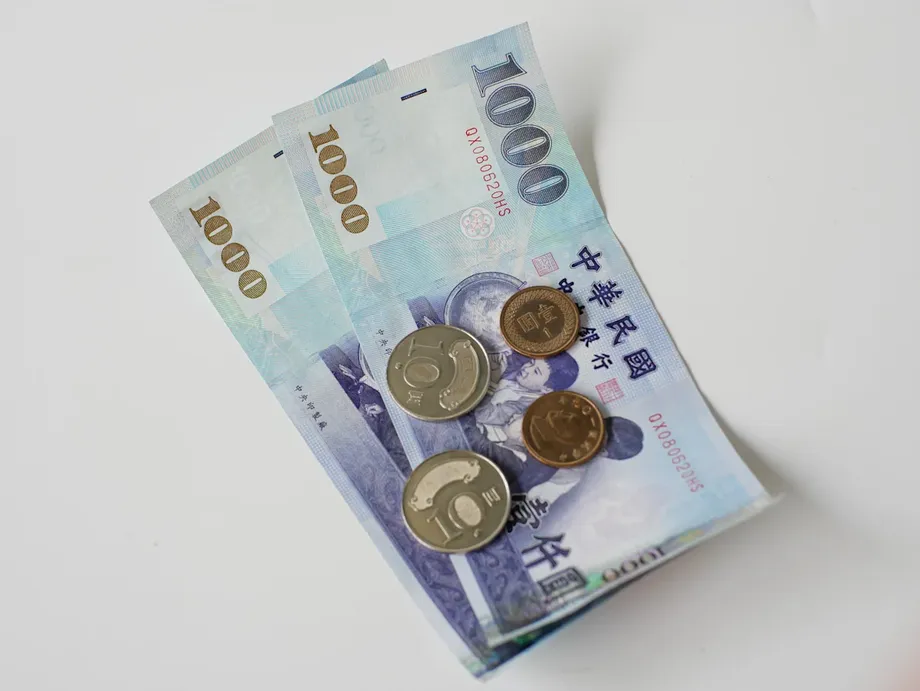
666 workers transfer nearly NT$2.1 billion under new pension rules
Taiwan's expanded pension rules have allowed 666 workers at 200 businesses to settle old system retirement benefits by agreement with their employers and transfer nearly NT$2.1 billion into individual pension accounts by September 30, 2026. That amounts to roughly NT$3.15 million per worker, although each person's entitlement depends on wages and service history.
Contents
- 666 workers transfer nearly NT$2.1 billion under new pension rules
- Who qualifies, and what stays unchanged?
- How to start saving, and when settlement becomes possible
- How the pension calculation affects the choice
- What contributions cost now and may save in tax
- Fund returns and access to the money
- What the uptake figures show
- The dates that shaped the change
- What workers should check before deciding
- Key Points
The changes took effect on July 17, opening voluntary pension contributions to eligible workers who remain exclusively under the old system. Workers who have begun contributing and already qualify for retirement can also negotiate an early settlement while continuing in their jobs. The entire settlement must go into their individual pension account.
The Ministry of Labor's amended pension rules set out the changes in Articles 21-2, 21-3 and 21-4 of the Enforcement Rules of the Labor Pension Act. The amendment adds choices without changing these workers' old system status or ending their employment contracts.
Early participation has been substantial. By the end of August, more than 37,000 workers covered exclusively by the old system had started voluntary contributions, according to figures presented by Huang Wei-chen, director of the ministry's Department of Labor Welfare and Retirement. Against an estimated eligible population of 115,000, that is about 32%, or roughly one in three. Most chose to contribute 6% of their monthly wages.
For workers, the decision involves two different questions: how much current income they can afford to save, and whether settling an existing pension entitlement now makes sense given their expected wages and remaining years of work.
Who qualifies, and what stays unchanged?
Taiwan's two labor pension arrangements divide workers largely by when they started employment and the choices they made when the new system began on July 1, 2005. Workers starting on or after that date enter the new system. Those employed earlier could choose it or remain under the old arrangement.
The July 2026 changes focus on workers who were already covered by the Labor Standards Act before the new pension system began, stayed with the same business and chose to continue under the old system. The government estimated that about 115,000 people could benefit from access to voluntary contributions, with about 102,000 potentially eligible for the early transfer arrangements.
Under the new system, employers contribute at least 6% of monthly wages to an individual pension account. Workers can voluntarily add up to another 6%. Under the old system, the employer is responsible for paying the pension, and qualifying service generally accumulates within the same business.
An old system worker who starts voluntary contributions under the new rules keeps that status. The employer therefore does not acquire a requirement to make the new system's 6% contribution for that worker. It must continue putting money into old system pension reserves for service obligations that remain unsettled.
How to start saving, and when settlement becomes possible
The ministry's pension participation guidance, published on July 14, describes a process beginning with the worker telling the employer that they want to contribute voluntarily. The employer then applies to the Bureau of Labor Insurance to open an individual pension account.
Minister of Labor Hung Sun-han explained that employers would deduct the chosen contributions from wages and remit them to the account. Eligible workers covered exclusively by the old system may contribute up to 6% of monthly wages.
Early settlement requires an additional set of conditions. The worker must already be contributing voluntarily, satisfy the old system's retirement requirements and reach an agreement with the employer while the employment contract continues. Neither side can require the other to settle unilaterally.
The old system allows a worker to request retirement after at least 10 years at the same business if aged 60 or above, after at least 15 years if aged 55 or above, or after at least 25 years regardless of age. Meeting one of those thresholds opens the possibility of an agreed settlement under the new rules.
The settlement amount must be transferred in full to the individual pension account. A worker considering the arrangement therefore needs to distinguish between securing money in that account and having cash available to spend immediately.
How the pension calculation affects the choice
The old system calculates retirement benefits using pension bases. One base equals one month's average wage at retirement. Each of the first 15 years earns two bases, and each later year earns one, up to a maximum of 45 bases.
The ministry illustrates the calculation with a worker aged 55 who has spent 25 years at the same company. The first 15 years produce 30 bases, and the next 10 produce another 10. With an average wage of NT$50,000 at settlement, the worker's 40 bases are worth NT$2 million, all of which goes into the individual account.
If that worker stays another five years, five further bases accrue. At retirement at age 60, with an average wage of NT$60,000, the employer would owe NT$300,000 for those remaining bases. The worker would then have received NT$2.3 million in pension principal across the two settlements, before any account returns.
Using the same hypothetical wages and service history, waiting until age 60 to settle all 45 bases at NT$60,000 would produce NT$2.7 million. The NT$400,000 difference shows why expected wage growth matters: settling earlier fixes the value of the bases already paid, while transferring the money earlier gives it more time to earn fund returns.
Workers and employers may also agree to settle newly accrued bases annually. In the ministry's example, they could settle one additional base after another year of work and transfer that payment into the account. The rules preserve the employer's responsibility for eligible benefits on service that has not yet been settled, subject to the pension formula and its ceiling.
What contributions cost now and may save in tax
A worker earning NT$40,000 a month who chooses a 6% voluntary contribution puts NT$2,400 into pension savings each month, or NT$28,800 over a full year. The immediate effect is a corresponding reduction in take home pay.
Voluntary contributions can also reduce taxable income. At an income tax rate of 5%, the NT$28,800 annual contribution could reduce tax by about NT$1,440. The actual saving depends on the worker's income, deductions and filing circumstances.
From August 1, 2026, employers may not refuse a worker's request to contribute voluntarily or change the contribution rate. Workers whose applications are rejected can retain evidence of their request and report the matter to the Bureau of Labor Insurance.
That protection concerns the worker's contribution choice. Early settlement still requires the employer's agreement. A worker can therefore begin building an individual pension account even when no agreement has been reached to transfer the existing old system pension entitlement.
Fund returns and access to the money
The new labor pension fund recorded an annualized return of 7.64% from its launch in July 2005 through the end of 2025. Annual returns exceeded 15% in each of the final two years of that period, figures cited when the government approved the plan.
An annualized return expresses investment growth as a yearly rate across a period. Actual yearly results fluctuate. Workers choosing whether to contribute or settle benefits early need to weigh that variation alongside the value of keeping more money available for current expenses.
Individual pension accounts have a statutory minimum return mechanism based on the legally specified interest rate for bank time deposits of two years. The mechanism provides a legal minimum return standard, while the fund's investment results vary from year to year.
New system pension money generally becomes available from age 60, including for workers who remain employed. Someone settling old system benefits at 55 would therefore usually need other money to cover expenses before reaching the withdrawal age.
At age 60, workers with at least 15 years of contributions may choose monthly pension payments or a lump sum. Those with fewer than 15 years can receive only a lump sum. A person choosing monthly payments may apply once to switch to a lump sum within 30 days of the first payment.
What the uptake figures show
The first settlement figures cover a much smaller group than the voluntary contribution totals. By September's end, 666 workers had completed agreed transfers, compared with more than 37,000 who had begun contributing by August's end. The figures measure different decisions, with settlement requiring retirement eligibility and agreement from both sides.
The largest number of settlements at a single business involved 38 workers and about NT$87 million. Huang said businesses completing early settlements were mostly in traditional industries, with fewer state owned enterprises taking part.
Another group consists of workers who previously switched to the new system while retaining pension rights for their earlier old system service. Employers must preserve those earlier entitlements, which may be claimed separately when the worker qualifies. By the end of August, 7,666 workers in this group had agreed to settle about NT$5.649 billion in old system benefits.
Employer pension reserves are changing too. By August's end, 2,223 businesses had closed reserve accounts and recovered approximately NT$4.162 billion in surplus funds. The largest single refund was about NT$264.55 million.
Businesses may apply to the local authority to recover surplus reserves when they no longer have an obligation to pay pensions under the Labor Standards Act or to maintain the required reserves. Employers with unsettled old system obligations must continue funding the reserves required for those obligations.
The dates that shaped the change
The reform proceeded through changes to the Enforcement Rules of the Labor Pension Act rather than amendments to the Act itself. That meant it did not require a legislative amendment. The Cabinet initially expected implementation as early as the end of July; the published rules took effect on July 17.
- July 1, 2005: Taiwan's new labor pension system began, with individual accounts and employer contributions.
- July 14, 2026: The Ministry of Labor published guidance describing voluntary contributions and agreed early settlement for eligible old system workers.
- July 15, 2026: Amendments to Articles 21-2, 21-3 and 21-4 of the enforcement rules were published.
- July 17, 2026: The new contribution and settlement choices took effect.
- August 1, 2026: Employers became prohibited from refusing voluntary contribution requests or changes to contribution rates.
- August 31, 2026: More than 37,000 workers covered exclusively by the old system had begun voluntary contributions.
- September 30, 2026: Agreed settlements reached 666 workers at 200 businesses, totaling nearly NT$2.1 billion.
The ministry said it would provide forms, frequently asked questions, process guidance and information sessions. Workers and employers can seek advice through its toll free consultation line, 1955.
What workers should check before deciding
A worker considering voluntary contributions should first confirm their pension status, monthly budget and expected access date. Contributions can build retirement savings and reduce taxable income, but they also leave less money for rent, debt payments, medical bills and other current needs.
Someone considering early settlement has a further calculation to make: the value of the bases being settled now, the bases still available to accrue, expected changes in average wages and plans to remain with the employer. The ministry's example shows how a later wage increase can raise the value of bases that have not yet been settled.
Workers can check pension information through the Bureau of Labor Insurance's mobile app, online services or offices. New system account balances, contribution records and returns can also be checked using supported identity credentials and designated ATMs.
Preliminary account estimates may change when the annual settlement is completed and official returns are announced. Labor pensions and labor insurance are separate arrangements, each with its own eligibility rules, and workers may claim them independently when those conditions are met.
Key Points
- Eligible workers covered exclusively by the old system can contribute up to 6% of monthly wages without changing pension systems.
- Early settlement requires voluntary contributions, retirement eligibility and agreement between worker and employer while employment continues.
- The full settlement must enter the worker's individual pension account.
- By September 30, 2026, 666 workers at 200 businesses had transferred nearly NT$2.1 billion.
- Employers remain responsible for unsettled old system pension obligations.
- Expected wages, remaining service, current cash needs and access from age 60 are central to the decision.