
Confronting Mortality and Wealth in a Super-Aging Society
Japan stands at the precipice of an unprecedented demographic transformation. With birth rates continuing their downward spiral and an increasing number of citizens remaining unmarried throughout their lives, the traditional pathways of inheritance are fracturing. In this landscape, a quiet but significant shift is reshaping how individuals conceptualize their final years and the distribution of their accumulated assets. Charitable bequests, commonly referred to as legacy donations, have emerged from the margins of estate planning to become a mainstream consideration for a growing segment of the population.
Contents
The concept is straightforward yet profound. Individuals arrange for their assets to transfer to charitable organizations, nonprofit entities, or local community groups upon their death. For many older Japanese without direct heirs, these donations represent what advocates describe as a final contribution to society. This perspective reframes death not as an ending but as an opportunity to cement one's values and support causes that defined one's life.
The timing of this trend aligns with harsh demographic realities. Japan's population is shrinking rapidly. Deaths are projected to peak at approximately 1.65 million annually by 2040, creating what economists describe as a massive transfer of wealth between generations. Yet without children or spouses to inherit these resources, a significant portion of this capital risks remaining unclaimed. Legacy donations offer an alternative that channels these resources toward public benefit rather than allowing them to revert to state coffers through intestacy laws.
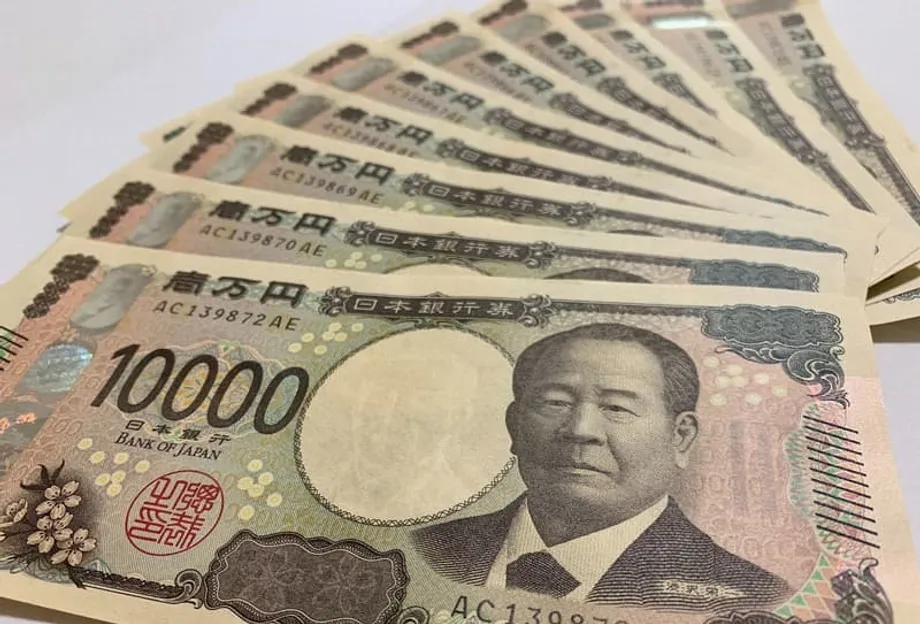
The financial magnitude of this movement has captured public attention. According to data compiled by Will for Japan, an association dedicated to supporting legacy gifts, executed donations in fiscal 2023 reached 1,142 cases. This figure represents an increase of 102 cases from the previous fiscal year, confirming a steady upward trajectory. More striking than the volume of transactions is the monetary value involved. The total amount bequeathed nearly doubled from the prior year, reaching approximately 64.3 billion yen, or roughly 404.52 million United States dollars. Such figures suggest that legacy giving has moved beyond modest charitable gestures to become a substantial financial force within Japan's civil society.
Local Roots and Rising Awareness Drive Giving Decisions
Beyond the raw financial statistics, attitudinal surveys reveal a population increasingly open to posthumous philanthropy. In January of this year, Will for Japan released findings from a comprehensive survey conducted for fiscal 2025. The research polled 1,000 men and women ranging from their 20s through their 70s, representing a broad cross-section of Japanese society. The results indicated that 63.8 percent of respondents were aware of legacy donation mechanisms. This awareness level marks a dramatic shift, representing an increase of more than ten percentage points over just the past two years.
This growing recognition suggests a cultural normalization of estate giving. Where once the concept of leaving assets to charities rather than family might have seemed alien in a society traditionally centered on familial obligation, it now registers as a viable option for legacy planning. The demographic drivers behind this shift are impossible to ignore. As the percentage of unmarried individuals climbs steadily and birth rates remain low, the calculus of inheritance changes fundamentally. For those without children, spouses, or close relatives, the question of where one's life savings should ultimately reside becomes both practical and philosophical.
The survey data also illuminates specific preferences guiding these decisions. When asked about their preferred recipients, 50.3 percent of respondents indicated they would choose organizations operating in their current place of residence or their birthplace. This statistic suggests that legacy giving functions not merely as a financial transaction but as an expression of place-based identity and gratitude. Donors seek to strengthen the communities that shaped their lives or supported their later years, creating a circular flow of resources back into local civil society infrastructure.
The Great Wealth Migration Across Regional Boundaries
The implications of this giving trend extend far beyond individual legacy preferences into the macroeconomic geography of Japan. Population dynamics have created stark regional disparities that wealth transfers could potentially exacerbate or alleviate. According to estimates released by Sumitomo Mitsui Trust Bank in November 2022, approximately 650 trillion yen in financial assets will be inherited over the next three decades. Of this staggering sum, roughly 125 trillion yen, representing approximately 20 percent of the total, is likely to move across regional boundaries.
This mobility of capital reflects decades of internal migration patterns. Younger generations have concentrated in Tokyo and the three surrounding prefectures, leaving rural areas with aging populations and declining economic bases. The bank estimates that more than 40 percent of household financial assets will be concentrated in the capital region alone. As elderly property owners in rural areas pass away without local heirs, their assets often transfer to urban-dwelling relatives or, increasingly, to charitable organizations.
Will for Japan has highlighted the structural consequences of these demographic shifts. The organization points out that changes in social structure caused by declining birth rates and aging have resulted in much of Japan's wealth circulating among those in their 60s and above. This capital is not being passed down to younger generations in the traditional sense. Instead, it risks concentrating in urban centers or disappearing from regional economies entirely. Without intervention through mechanisms like legacy donations, disparities in wealth between regions may accelerate, hollowing out rural communities already struggling with depopulation.
The Japan Legacy Gift Association, which actively promotes awareness of these giving mechanisms, describes such bequests as representing both a final contribution to society and ultimate self-expression. The association has articulated a vision wherein charitable bequests lead to sustainable development of local communities, addressing the vacuum left by declining public spending and shrinking municipal budgets. By directing assets to local organizations in hometowns or places of residence, donors can prevent the complete drainage of capital from peripheral regions.
When Real Estate Gifts Create Unexpected Hardship
Despite the altruistic intentions driving legacy donations, the practical implementation of these gifts has revealed significant complications. The Japan Legacy Gift Association acknowledges that problems have emerged as the practice becomes more widespread. Several confirmed cases illustrate how well-meaning donations can produce unintended consequences for third parties, particularly when real estate is involved.
In documented instances, apartment owners have bequeathed their properties to charitable organizations without adequately preparing the ground for transfer. Following the death of the owner, tenants residing in these apartments have received sudden eviction notices. Organizations receiving such gifts often lack the capacity or desire to function as landlords. They may need to liquidate the property quickly to access capital for their charitable missions, leaving longtime residents displaced without warning. These situations create human costs that tarnish the reputation of legacy giving and generate legal disputes that drain resources from all parties involved.
Yoji Yamakita, joint representative of the Japan Legacy Gift Association, has issued specific warnings regarding real estate donations. He points out that most charitable organizations either explicitly decline real estate donations or accept them only under strict conditions.
Most organizations either do not state that they accept real estate donations or only do so on the assumption that the property will be converted to cash.
These complications highlight the gap between charitable intent and logistical execution. Real estate requires active management, tax payments, and legal oversight. Charities focused on medical research, poverty alleviation, or cultural preservation rarely possess real estate divisions capable of handling such assets. When donors fail to communicate with their chosen recipients beforehand, they risk burdening these organizations with problematic gifts that become liabilities rather than resources.
Legal Preparation Prevents Family Conflict
The emerging challenges surrounding legacy donations highlight the necessity of careful preparation and legal documentation. Charitable bequests involve intricate legal and tax-related matters that vary significantly depending on the recipient organization. Unlike simple family inheritance, where statutory frameworks provide clear guidelines, donations to nonprofits require explicit contractual agreements and thorough documentation.
Legal experts and association representatives consistently emphasize the necessity of preparing a formal will. Oral agreements or informal letters of intent prove insufficient when assets must transfer to organizations rather than natural heirs. A properly executed will provides clarity that prevents disputes among surviving relatives and establishes the legal foundation for the charitable recipient to claim their bequest. Without such documentation, intended donations may be blocked by distant relatives contesting the distribution or by legal requirements that prioritize familial claims.
Coordination with relatives and other stakeholders represents another essential step. Family members who might expect to inherit, however distant their relationship, should be informed of the intentions of the donor while the donor remains alive. This transparency prevents surprise and resentment that could lead to costly litigation following death. Additionally, donors must verify that their chosen organization actually accepts the type of asset being offered. Cash donations face few barriers, but securities, art collections, and especially real estate require specific acceptance protocols.
The tax implications also demand careful consideration. While Japan offers certain tax incentives for charitable giving, the specific benefits depend on the organizational status of the recipient and the nature of the assets transferred. Donors must consult with tax professionals and legal advisors to structure their bequests in ways that maximize social benefit while minimizing the administrative burden on receiving organizations. This preparation ensures that the final contribution to society achieves its intended purpose rather than creating bureaucratic entanglements.
What to Know
- Legacy donations in Japan reached 1,142 cases in fiscal 2023, with the total value nearly doubling to 64.3 billion yen approximately 404.52 million dollars.
- Public awareness has increased significantly, with 63.8 percent of surveyed citizens now familiar with charitable bequest options, up more than ten percentage points in two years.
- Approximately 650 trillion yen in assets will be inherited over the next 30 years, with 125 trillion yen expected to move across regional boundaries due to urban migration patterns.
- Half of potential donors express preference for supporting organizations in their current hometown or birthplace, suggesting strong local ties drive giving decisions.
- Real estate donations present particular risks, as most charities accept such gifts only for immediate liquidation, potentially displacing tenants and creating legal complications.
- Proper legal preparation, including formal wills and advance coordination with both family and recipient organizations, remains essential for successful legacy giving.