A Rapidly Accelerating Outbreak
Japan is confronting its most significant measles outbreak in years, with health authorities confirming 236 cases since January 2026. The figure, announced by the Japan Institute for Health Security on April 14, represents a 3.6-fold increase compared to the 66 cases recorded during the same period in 2025. The acceleration of infections has alarmed officials, with the first 100 cases reported by March 8, followed by the next 100 in just four subsequent weeks. Medical institutions confirmed 34 new infections between March 30 and April 5 alone, indicating transmission continues to gain momentum.
The World Health Organization declared Japan measles-free in 2015, a status indicating the absence of endemic virus transmission for at least 12 consecutive months. Despite this achievement, imported infections among foreign visitors and returning travelers have repeatedly ignited local outbreaks. Current trends suggest the virus is spreading domestically at the fastest pace recorded since 2020, with some metrics indicating the most severe resurgence since 2008, when over 1,100 cases were documented using current counting methods.
Geographic Concentration and Demographic Shift
The outbreak is not confined to the capital. While Tokyo leads with 72 confirmed cases, distant prefectures have reported significant clusters, including 27 cases in Kagoshima and 23 in Aichi. This geographic dispersion complicates containment efforts and suggests multiple independent introduction events or extensive domestic travel by infected individuals.
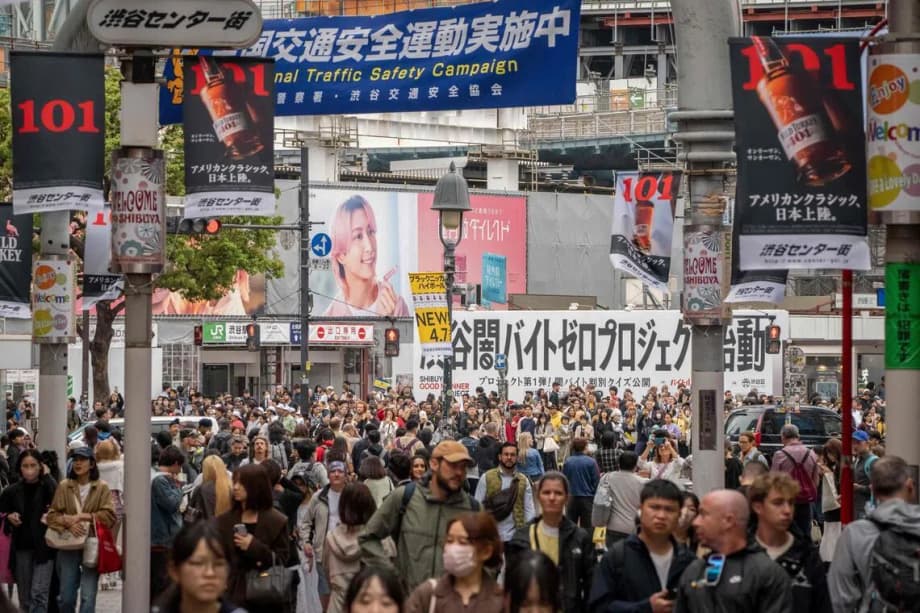
Perhaps more concerning is the demographic profile of patients. Unlike traditional childhood disease patterns, the current surge primarily affects young adults. Individuals aged 20 to 29 account for 28 percent of infections, while those aged 15 to 19 and 30 to 39 each represent 22 percent of the total. This distribution indicates the virus is circulating within universities, workplaces, and social venues, potentially amplifying transmission through densely populated urban environments.
Imported Infections and Local Transmission
Officials attribute the outbreak resurgence to the relaxation of international travel restrictions that characterized the COVID-19 pandemic years. Approximately 14 percent of patients, or 28 individuals, are believed to have acquired the infection overseas, with Indonesia accounting for the largest share at 12 imported cases, followed by New Zealand. The remaining 86 percent represent secondary domestic transmission, indicating the virus is circulating efficiently within communities once the initial imported cases entered the country.
A case study from Sapporo illustrates the contact tracing challenges health officials face. In February, a man in his 30s developed symptoms on January 24, then traveled by plane from Haneda Airport to New Chitose Airport on January 26. He remained at a Sapporo hotel until January 28, visiting multiple restaurants before returning to Tokyo. Authorities announced he had potentially contacted an unspecified number of people, highlighting how a single imported case can generate widespread exposure across transportation networks and hospitality venues.
Understanding the Disease Threat
Measles is among the most contagious infectious diseases known, with an estimated 90 percent transmission rate among non-immune individuals exposed to the virus. Unlike many respiratory illnesses, measles spreads through airborne droplets that remain suspended in the air for hours, as well as through direct contact. The incubation period averages 10 days, with patients becoming contagious approximately four days before the characteristic rash appears, often when symptoms resemble a common cold.
The clinical course typically begins with fever, runny nose, cough, and red eyes, followed by a spreading rash. While most patients recover within two weeks, complications occur with disturbing frequency. Approximately one in every 1,000 patients develops encephalitis, an inflammation of the brain that can result in permanent neurological damage or death. Pneumonia and middle ear infections are more common complications. In rare instances, survivors may develop subacute sclerosing panencephalitis, or SSPE, a fatal degenerative brain disease that emerges years after apparent recovery. Crucially, no antiviral medications exist to treat measles; medical care is limited to supportive treatment while the immune system combats the infection.
We cannot underestimate the disease, because one in every 1,000 patients dies, even in economically advanced nations. There is no need to be overly frightened, but we need to know that it is a disease anyone could catch at anytime.
This warning comes from Yusuke Kobayashi, a senior researcher at the National Institute of Infectious Diseases, who emphasizes that measles remains a universal threat regardless of healthcare infrastructure quality.
Vaccination Gaps and Protection Strategies
Japan’s national immunization program utilizes the measles-rubella combination vaccine, administered in two doses to achieve the 95 percent coverage threshold necessary for herd immunity. The first dose is provided at age one, with the second administered in the year before elementary school entry, both offered at no cost to recipients. While this schedule protects current pediatric populations, it has exposed immunity gaps in older generations.
Adults born between October 1, 1972, and April 1, 1990, represent a specific vulnerable cohort. During their childhood, Japan’s routine program administered only a single dose, which may provide insufficient protection against the current circulating strain. Those born on or before September 30, 1972, predate the routine vaccination program entirely and may lack any documented immunity. Health authorities are urging individuals in these age brackets to verify their status using maternal and child health handbooks or medical records, and to consider catch-up vaccination if documentation is unavailable or indicates incomplete dosing.
For travelers planning international visits, particularly to regions experiencing active outbreaks such as Southeast Asia or Europe, officials recommend vaccination consultations at least two weeks before departure, as this is the minimum interval required for vaccine-induced immunity to develop. Healthcare workers, individuals with frequent infant contact, and those working in crowded environments should prioritize verification of their two-dose status.
A Global Resurgence
Japan’s situation reflects a worldwide crisis. In Europe, six countries including the United Kingdom, Spain, and Austria lost their measles elimination status in 2024 following sustained transmission. The European Union reported 35,212 cases in 2024, a tenfold increase from the previous year, with infants under age one suffering the highest infection rates. Romania alone documented over 30,000 cases.
The Americas have witnessed similar explosive growth. The Pan American Health Organization reported a 40-fold spike in cases during early 2026 compared to the previous year. Mexico has confirmed over 2,700 cases, while the United States has recorded 1,714 infections, representing the worst domestic outbreak in decades. Canada lost its elimination status following a 2025 surge that included over 5,000 cases and multiple fatalities among infants. Public health experts attribute this global pattern to declining vaccination rates during the COVID-19 pandemic, subsequent immunization backsliding, and the resumption of international travel exposing immunity gaps.
Official Response and Public Guidance
Japan’s Health Ministry has issued advisories urging returnees from overseas to monitor for symptoms and calling on travelers to verify vaccination records before visiting regions with active transmission. Municipal governments are preparing for potential healthcare system impacts, including increased clinic utilization and demand for antibody testing.
Officials have established specific protocols for suspected cases to prevent nosocomial spread. Individuals experiencing fever and rash are advised against visiting medical facilities directly, where they might infect vulnerable patients in waiting areas. Instead, authorities recommend telephoning clinics or fever outpatient services in advance to arrange appropriate isolation precautions. This approach is particularly critical given that early measles symptoms mimic common colds, potentially leading to inadvertent exposure of others before diagnosis.
The outbreak is generating economic ripple effects, with travel sector analysts noting increased cancellation rates among family groups and school tours. Industry observers expect short-term softness in urban tourism, with potential shifts toward rural destinations and outdoor attractions where transmission risks are lower. Healthcare providers are reporting surging demand for vaccination appointments and immunity confirmation testing, particularly among the 20-to-39-year-old demographic most affected by current cases.
The Bottom Line
- Japan has confirmed 236 measles cases as of April 5, 2026, a 3.6-fold increase from the 66 cases reported during the same period in 2025.
- Tokyo reports 72 cases, with significant clusters in Kagoshima (27) and Aichi (23), primarily affecting individuals aged 15 to 39.
- Approximately 14 percent of infections were acquired overseas, mainly in Indonesia, with local transmission accounting for the majority of current cases.
- Japan maintained WHO measles elimination status from 2015 until recent years; the current surge follows the fastest pace of infection since at least 2020.
- Two doses of measles-containing vaccine provide effective protection; adults born between October 1972 and April 1990 may have received only one dose and should verify immunity.
- Health officials advise against direct clinic visits for suspected cases, recommending telephone consultation first to prevent spread to other patients.