Breaking the Seoul Barrier
South Korea is witnessing a fundamental shift in its tourism landscape as international visitors increasingly venture beyond the capital into provincial regions, prompting local governments to overhaul transportation infrastructure and digital services. With foreign tourist arrivals reaching approximately 16.37 million in 2024, representing 94% of pre-pandemic levels according to the Korea Culture and Tourism Institute, the pressure to distribute visitor flows more evenly across the country has intensified. Current data indicates that approximately 45% of all tourism businesses remain concentrated in the Seoul Metropolitan Area, creating both congestion in the capital and untapped potential in secondary cities.
The transformation reflects broader changes in global travel patterns and the sustained influence of Korean cultural content. Tourism demand has shifted markedly from group travel to individual experiences, with travelers seeking authentic regional encounters rather than concentrated urban itineraries. The global popularity of Korean music and entertainment has fueled repeat visitation, with surveys indicating that 79% of international visitors plan to return within a year, creating an expanding market of experienced travelers ready to explore beyond initial Seoul based itineraries. South Korea’s response involves coordinated improvements spanning airport connections, public transit modifications, digital payment systems, and last mile solutions in rural areas.
Busan Leads the Luggage Revolution
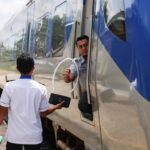
Busan, the country’s second largest city and fastest growing tourist destination, has launched an innovative pilot program addressing a persistent frustration for international travelers. Beginning Wednesday, the city is permitting 30 inch suitcases on Route No. 85, a major corridor connecting Seomyeon, Busan Station, and Yeongdo, where foreign ridership remains consistently high. Standard city buses nationwide typically restrict luggage to 20 inch carry on bags, creating significant inconvenience for tourists arriving with standard checked baggage.
The trial allows passengers to secure larger suitcases in designated wheelchair spaces, repurposing existing infrastructure to accommodate changing demographics. This pragmatic approach recognizes that accessibility features serve multiple user groups, from mobility impaired residents to visitors with substantial luggage. The city plans to evaluate the pilot’s success before determining broader implementation across additional routes.
Beyond baggage modifications, Busan is developing a premium bus service featuring reclining seats and expanded spacing for the crucial Incheon Airport connection. This service targets travelers seeking comfort during the approximately 350 kilometer journey between Korea’s main international gateway and its southeastern port city. Municipal authorities are also addressing payment friction by introducing overseas card compatibility for public transportation, eliminating the current cash only barriers that confuse many foreign visitors. Nighttime transit services will expand to accommodate late arrivals and the city’s vibrant evening economy.
Building on last year’s achievement of attracting more than 3.64 million foreign visitors, we aim to promote qualitative growth in Busan’s tourism sector so that more visitors stay longer, engage more deeply with the city and return.
Busan Mayor Park Heong-joon emphasized the strategic vision behind these improvements. The city is simultaneously strengthening transit links to coastal attractions and historic temples in neighboring Ulsan and South Gyeongsang Province, creating a networked tourism region rather than isolated urban stops.
Jeju Restores Direct International Access
Jeju Island, South Korea’s premier resort destination, is preparing to resume direct flights from Incheon International Airport in May after a ten year suspension. The restoration eliminates a cumbersome transfer requirement that forced international visitors to navigate between Incheon and Gimpo International Airport, typically adding approximately one hour to their journey. For travelers arriving from Europe, Africa, and the Americas, the change removes a significant logistical barrier that previously complicated access to the island’s subtropical attractions.
The flight resumption aligns with academic research on transport spillover effects. Studies analyzing tourism patterns confirm that air transport improvements generate significant benefits for regional revenue, with broader geographic scope than ground based alternatives. Jeju’s renewed direct link to Incheon positions the island to capture a larger share of long distance international traffic without the intermediate friction of domestic airport transfers. Previously, Jeju International Airport operated mainly short haul international routes such as those to Singapore, limiting convenient access for intercontinental travelers.
Jeju has already established itself as a leader in tourist friendly infrastructure, becoming Korea’s first region to accept international payment cards on public buses in 2024. The island will offer complimentary bus services to foreign visitors on April 3, commemorating the historical memorial date while simultaneously encouraging exploration of the island’s volcanic landscapes and coastal villages. These initiatives demonstrate how peripheral regions can use digital payment integration and targeted incentives to improve visitor retention.
Rural Areas Deploy Tourist Taxi Solutions
While major cities upgrade conventional transit, smaller municipalities face different challenges characterized by limited bus frequency and dispersed attractions. In response, rural jurisdictions are implementing subsidized tourist taxi programs that convert private vehicles into guided tour services. Uljin, located in North Gyeongsang Province, launched operations Wednesday offering four hour customized tours for 32,000 won (approximately $21), with local government funds covering roughly 60% of the actual operating costs. These tours provide access to the scenic Nakdong River and nearby cultural sites.
Dangjin in South Chungcheong Province initiated a comparable program earlier in the week, subsidizing approximately half of standard fares to connect visitors with historical landmarks and natural sites inaccessible via regular public transport. These programs effectively address the final segment problem in tourism logistics, where visitors struggle to reach attractions located beyond fixed transit routes. By engaging local taxi operators as tour guides, the initiatives also generate income for regional service providers while offering visitors flexible, multilingual transportation options.
The approach reflects principles outlined by transport economists regarding accessibility and tourism demand. Research on high speed rail networks demonstrates that improved regional connectivity serves as a key determinant of tourism demand, particularly in mitigating seasonal concentration. Similarly, Korea’s rural taxi programs increase effective accessibility to non urban destinations, potentially distributing visitor traffic across broader temporal and geographic ranges while supporting local economies that might otherwise miss tourism benefits.
National Strategy Targets Thirty Million Annual Visitors
The localized improvements operate within an ambitious national framework unveiled at the 11th National Tourism Strategy Meeting, chaired by President Lee Jaemyung in late February. The administration has established a target of attracting 30 million annual inbound tourists, requiring structural transformations across immigration procedures, regional aviation capacity, and accommodation systems. The Ministry of Culture, Sports and Tourism has identified current conditions as a golden time for tourism growth, citing the spread of Korean cultural influence and favorable external economic factors.
Specific policy measures include pilot visa free entry for Indonesian group tourists of three or more persons, expanded five year multiple entry visas for Chinese and Southeast Asian nationals with prior Korea visit history, and ten year multiple entry authorization for residents of major cities. Automated immigration clearance will extend to European Union passport holders, while physical infrastructure improvements will increase immigration counter capacity at major airports to reduce queue times.
Regional airport development represents a critical component of the dispersal strategy. Authorities plan to strengthen supply capacity at Gimhae Airport (Busan) and Cheongju Airport through expanded direct international routes, reduced facility usage fees, and increased slot allocations. For passengers arriving at Incheon, domestic flight frequencies will increase alongside extended late night bus routes and longer advance reservation periods for Korea Train Express (KTX) high speed rail services. The government is additionally reviewing construction of a new cruise terminal at Busan North Port and piloting 24 hour operations to accommodate maritime tourism.
Between 2027 and 2029, authorities will implement a Visit Korea Year campaign through public private partnerships, coordinating the various infrastructure improvements with promotional activities to maximize visibility in key source markets.
Digital Integration and Smart Tourism Systems
Underlying the physical infrastructure upgrades, South Korea is implementing sophisticated digital systems to reduce friction in tourist experiences. The Ministry of Culture, Sports and Tourism has prioritized artificial intelligence and big data applications alongside traditional transport improvements, recognizing that modern tourism efficiency depends on information accessibility as much as physical mobility. The national tourism revenue reached 24.4 trillion won in 2023, with online travel agencies such as Yanolja and GC Company (Yeogi Eottae) rapidly expanding alongside global platforms.
Smart tourism initiatives include interactive mapping systems, real time multilingual transit updates, and automated visitor assistance centers. Major entry points like Incheon International Airport are implementing advanced digital verification systems to speed immigration processing, while cities are deploying AI based guides and translation tools to remove language barriers.
North Chungcheong Province exemplifies this integrated approach through its C Square facility at Yongdu Temple Iron Flagpole Plaza in Cheongju. The travel lounge combines traditional tourism information services with hands on beauty product experiences, regional cuisine guidance, and luggage storage specifically designed for international visitors. The province also operates the C Pass shopping voucher program to stimulate local retail expenditure among tourists arriving through Cheongju International Airport, which recorded approximately 100,000 foreign visitors last year, representing a 40,000 person increase over previous figures.
Looking toward 2026, tourism authorities are preparing additional smart city implementations across Seoul, Busan, and Incheon. These systems will feature integrated mobile platforms combining accommodation bookings, transport passes, and attraction tickets. The technological infrastructure supports the government’s broader transition toward experience oriented tourism linked to Korean cultural content, moving beyond conventional sightseeing toward immersive gastronomy, wellness, and entertainment activities.
Regional Attractions Expand to Meet Demand
Improved transportation access is enabling substantial new tourism product development in previously overlooked regions. Goseong, in Gangwon Province, is constructing a 14.6 billion won dinosaur themed digital playground at Sangjokam County Park, featuring indoor multisensory experience centers, volcano themed outdoor adventure zones, and augmented reality observation points. The project targets family tourism segments with completion scheduled for late 2027, positioning the southern coastal region as a year round destination rather than a seasonal stopover.
Winter tourism infrastructure has also expanded significantly, with Gangwon Province ski resorts reporting 24.7% growth in international visitors during the 2025-2026 season. High1 Resort in Jeongseon welcomed approximately 43,000 foreign guests, representing 54% annual growth. These figures demonstrate that improved transport connectivity enables seasonal destinations to capture markets previously deterred by access difficulties.
North Chungcheong Province is similarly diversifying its attractions beyond conventional historical sites while experiencing demographic shifts that support tourism growth. The province recorded 92.1% growth in international student enrollment last year, the fastest increase nationally, with foreign student population reaching 10,537. This demographic shift generates estimated annual economic ripple effects of 212.2 billion won ($155 million) while creating demand for cultural and recreational infrastructure that simultaneously serves short term tourists.
Travel platforms are reporting explosive growth in specialized regional tours, with DMZ tours in Paju surging over 3,400% and Busan day tours increasing over 2,600%. These statistics reflect the tangible results of improved connectivity, as regions previously considered inaccessible become viable for time limited international visitors.
Key Points
- Busan launched a pilot program allowing 30 inch suitcases on Route No. 85 city buses, with plans for premium airport bus services and international card payment systems.
- Jeju Island will resume direct flights from Incheon International Airport in May after a ten year suspension, eliminating transfer requirements through Gimpo Airport.
- Rural municipalities including Uljin and Dangjin have introduced subsidized tourist taxi programs offering four hour guided tours at rates 50-60% below market costs.
- The national government has established a target of attracting 30 million annual inbound tourists through visa easing, regional airport expansion, and improved domestic transit connections.
- Digital tourism infrastructure is expanding through smart city systems, artificial intelligence based navigation tools, and integrated payment platforms accepting international cards.
- Regional development projects include Goseong’s 14.6 billion won dinosaur themed digital playground and North Chungcheong’s C Square tourism lounge with integrated shopping voucher programs.