Emergency Austerity Measures
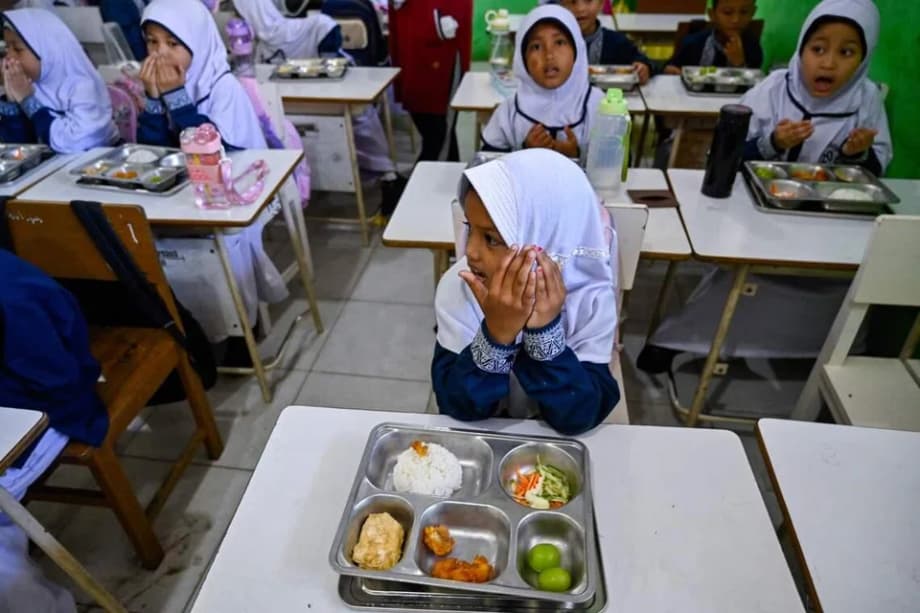
Indonesia will immediately reduce distribution of free nutritious meals from six days to five days per week starting March 31, a decisive cost-cutting move expected to save approximately 40 trillion rupiah ($2.3 billion to $3 billion) annually. The National Nutrition Agency announced the adjustment on March 29, framing the decision as necessary to cushion Southeast Asia’s largest economy against mounting fiscal pressures triggered by the Middle East war and resulting oil price volatility. The programme, launched in January 2025, has faced operational challenges including food safety incidents, yet remains central to the administration’s poverty reduction strategy.
Nanik Sudaryati Deyang, deputy head of the agency, confirmed the savings figure to AFP, explaining that the measure aligns the programme with the standard five-day school week observed across the archipelago. However, the government will maintain six-day distribution in remote areas and regions with high rates of stunting, where nutritional support remains critical for child development. Agency head Dadan Hindayana stressed the importance of targeted continued service.
The provision of the free nutritious meals on Saturdays for regions with a high risk of stunting is a strategic step to ensure that children receive adequate nutrition every day.
The initiative currently serves 61 million people, including schoolchildren, toddlers, pregnant women, and breastfeeding mothers, with a total budget allocation of 335 trillion rupiah ($19.7 billion) for 2026. This represents nearly one-tenth of Indonesia’s total state budget, making it one of the largest social programmes in the nation’s history. The cuts reduce the effective coverage by approximately 16 percent while maintaining support for vulnerable populations in underserved regions.
The Fiscal Crunch from Oil Shock
The cuts represent the first concrete austerity measure in response to mounting fiscal pressure triggered by the escalating conflict in the Middle East. Brent crude oil prices have surged to nearly $100 per barrel, far exceeding the $70 per barrel assumption built into Indonesia’s 2026 state budget. The war has disrupted supply chains through the Strait of Hormuz, a critical passage that normally carries approximately 20 percent of global oil supplies and serves as the primary shipping route for Indonesian energy imports.
Finance Minister Purbaya Yudhi Sadewa warned that if oil prices average $90 to $92 per barrel throughout the year, Indonesia’s budget deficit could widen to 3.6 percent of gross domestic product, significantly breaching the legal cap of 3 percent established under Law No. 17/2003 on State Finance. This statutory limit has served as a cornerstone of Indonesian macroeconomic discipline since the Asian financial crisis, underpinning investor confidence in the G20 economy. The 2025 deficit already reached 2.92 percent of GDP, or 695.1 trillion rupiah, leaving minimal buffer room for external shocks.
Assuming the worst case, if the oil price goes as high as $90 to $92 per barrel, in those conditions, without adjusting our current budget, the deficit will increase to around 3.6% of GDP.
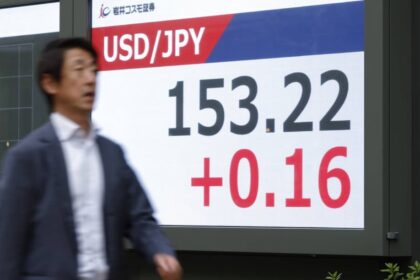
Indonesia imports approximately 25 percent of its crude oil from the Middle East, alongside 30 percent of its liquefied petroleum gas (LPG) imports. The rupiah has weakened significantly under these pressures, trading near 17,000 per US dollar, which exacerbates the cost of dollar-denominated energy purchases. Every one dollar increase in global oil prices widens Indonesia’s deficit by approximately 6.8 trillion rupiah ($514 million) according to analysts at UOB Kay Hian.
Policy Reversal Under Pressure
The reduction marks a significant policy reversal for President Prabowo Subianto, who had previously insisted his signature free meals programme would remain untouched despite widening fiscal concerns. During his election campaign and early presidency, Prabowo championed the ambitious initiative as essential to combating stunting and improving human capital across the nation of 284 million people, targeting an ultimate reach of 83 million beneficiaries.
Just weeks ago, the government maintained that flagship programmes including the free meals scheme and the Red and White Cooperative initiative would be shielded from budget cuts, describing them as long-term investments. Presidential spokesperson Prasetyo Hadi indicated the administration was targeting 80 trillion rupiah ($4.7 billion to $6 billion) in total savings, suggesting the meal programme cuts represent only half of the planned fiscal consolidation. The president referenced international examples during recent interviews.
There are still many other cost-saving measures that we can implement, Prabowo stated in a recorded interview with journalists aired over the weekend. The president noted efforts to curb energy consumption and expand renewable energy production, primarily solar power, to reduce reliance on imported fossil fuels. He referenced Pakistan’s austerity measures, including reduced fuel availability for ministries and restricted vehicle usage, as potential models for additional conservation.
The programme had already faced criticism following multiple food poisoning cases among recipients since its January 2025 launch, with opposition figures and health advocates calling for suspension over hygiene and logistical concerns. Despite these issues, the initiative remains politically sensitive given its direct impact on millions of families who depend on the daily nutritional support.
Investor Confidence and Rating Pressure
International rating agencies have intensified scrutiny of Indonesia’s fiscal management amid the crisis. In February, Moody’s cut Indonesia’s credit rating outlook to negative from stable, specifically citing concerns about social programmes like the free meals scheme and their impact on fiscal discipline. Fitch followed this month by downgrading its outlook to negative, highlighting rising policy uncertainty and questions about the new Danantara sovereign wealth fund’s implications for state finances.
The Jakarta Composite Index dropped to an eight-month low in March as investors priced in risks of a potential deficit ceiling breach. Capital outflows have pressured the rupiah, which has weakened more than 1 percent against the US dollar this year, making it one of Asia’s worst-performing currencies alongside the stock index’s 7.5 percent decline.
Finance Minister Purbaya has attempted to reassure markets that the government will maintain the 3 percent deficit ceiling without exception. I won’t surpass that limit anytime soon or in the future, he stated, noting that growth and fiscal sustainability must be balanced. However, economists warn that the significance of the cap lies in credibility rather than the threshold itself. If the limit is breached, it signals that the government is unable to manage its finances prudently, said Teuku Riefky of the University of Indonesia’s Institute for Economic and Social Research (LPEM).
The Energy Shift Institute estimates that every dollar increase in global oil prices drives up Indonesia’s fuel subsidies bill by an additional 7 trillion rupiah ($413 million) beyond the hundreds of trillions already earmarked. The 2026 energy subsidy allocation totals 381 trillion rupiah ($22.5 billion), premised on the $70 oil price assumption.
Broader Austerity and Energy Conservation
Beyond the meal programme cuts, the government is implementing comprehensive austerity measures including restrictions on non-essential official travel, reduced meeting expenditures, and potential salary reductions for ministers. Officials are also finalizing a policy requiring government workers and certain private sector employees to work remotely one day per week specifically to reduce fuel consumption and traffic congestion.
If some civil servants and officials do not need to come to the office, it would reduce traffic congestion and generate substantial savings, Prabowo said during a cabinet meeting. The work-from-home policy, while potentially saving fuel, has drawn criticism from economists who warn of unintended consequences for informal sector workers. Energy analyst Fahmy Radhi of Gadjah Mada University cautioned that reduced commuting could slash incomes for ride-hailing drivers and small food stall operators dependent on office worker traffic.
The government has thus far defended its fuel subsidy programme, which covers 30 to 40 percent of consumer costs and represents approximately 15 percent of the total budget. Past attempts to reduce fuel subsidies have triggered mass protests and social unrest, making this a politically volatile option. However, Finance Minister Purbaya has acknowledged that if oil prices persist at crisis levels, the government may have no choice but to share the burden with consumers through price increases.
If the budget cannot bear the subsidy at all, there’s no other way; we have to share part of the burden with the people, meaning there’d be a fuel price increase, Purbaya stated, while emphasizing that such measures remain a last resort. The administration continues to explore revenue optimization through tax compliance enforcement rather than rate increases.
Regional Responses to Global Crisis
Indonesia’s measures form part of a broader pattern of emergency responses across oil-importing nations confronting the largest supply disruption in modern energy market history. The near-complete closure of the Strait of Hormuz has created a daily supply deficit of approximately 15 million barrels, forcing governments worldwide to implement drastic conservation measures.
Pakistan has instituted a four-day work week, two-week school closures, and a 50 percent reduction in government fuel allowances. Sri Lanka implemented fuel rationing through a National Fuel Pass QR system, limiting private vehicles to 25 liters of petrol weekly. Thailand has encouraged offices to raise air-conditioning temperatures to 79-80 degrees Fahrenheit and reduce elevator usage, while Philippine President Ferdinand Marcos declared a year-long state of energy emergency and plans to expand coal-fired power output.
China imposed a ban on refined fuel exports to avoid domestic shortages, while India invoked the Essential Commodities Act to prioritize domestic cooking gas consumers over businesses. The International Energy Agency published a list of 10 emergency measures including expanded work-from-home, reduced highway speed limits, and switching from petroleum-based cooking fuels to electric alternatives.
This is a warning that we must get prepared like other countries, said Firman Noor, a political researcher with Indonesia’s National Research and Innovation Agency (BRIN). We need an adjustment because we never know when the war will end, which will surely drive oil prices higher.
Key Points
- Indonesia will distribute free nutritious meals five days instead of six starting March 31, saving 40 trillion rupiah ($2.3 billion) annually while maintaining six-day service in remote and high-stunting areas
- The measure responds to Middle East war-driven oil price surges threatening to push Indonesia’s budget deficit beyond the legal 3 percent GDP cap toward 3.6 percent
- President Prabowo previously promised the programme would remain untouched, marking a significant policy reversal under fiscal pressure
- The government targets 80 trillion rupiah in total savings and considers additional measures including weekly remote work days for fuel conservation
- International rating agencies have downgraded Indonesia’s outlook, citing concerns about fiscal discipline and the sustainability of large social programmes amid external shocks