
A Loss Far Beyond the Forecast
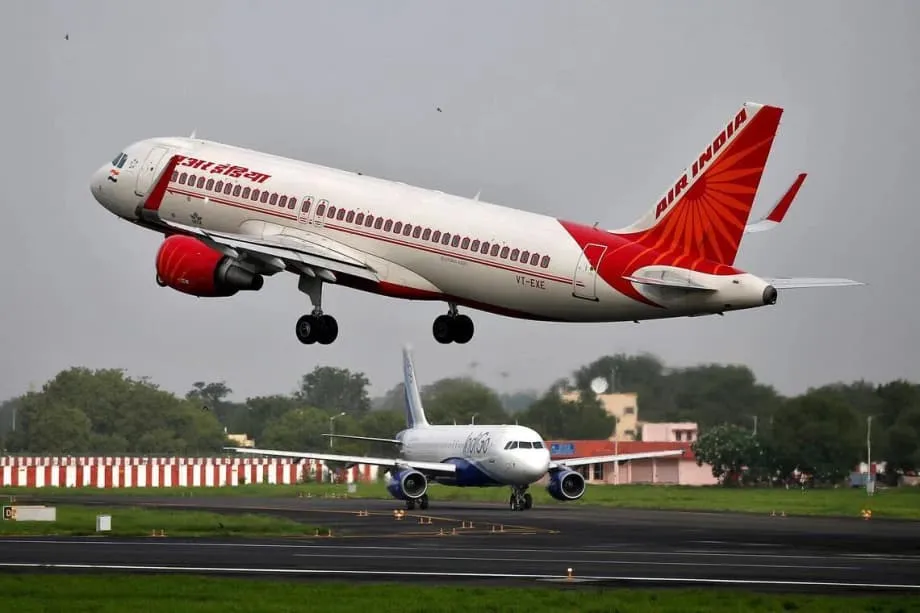
Air India is seeking urgent financial support from Tata Group and Singapore Airlines after recording an annual loss exceeding 220 billion rupees, approximately $2.4 billion or S$3.2 billion, for the financial year that ended on March 31, 2026. People familiar with the airline's internal accounting confirmed the figure, which marks its deepest financial crisis since Tata took ownership in 2022.
Contents
- A Loss Far Beyond the Forecast
- How a Promising Year Unravelled
- Longer Routes Drive Up Costs
- The Ahmedabad Crash and Safety Concerns
- Middle East Disruption and Rising Fuel Prices
- What Tata and Singapore Airlines Face
- A Leadership Change During the Funding Crisis
- Fleet Renewal Meets Financial Pressure
- The Decisions That Will Shape Recovery
- Key Points
The loss surpassed the $1.6 billion estimate made at the start of the calendar year. The latest figure is more than $800 million above that projection, showing how quickly the airline's finances deteriorated during the closing months of the financial year. Air India has abandoned its target of reaching operational breakeven and now faces an immediate shortage of cash.
Operational breakeven means earning enough from running the airline to cover its operating expenses. Air India had briefly recorded operating profits at the beginning of the financial year, including the opening weeks of April 2025. A succession of disruptions erased that early progress and left its owners facing a much larger funding requirement.
As of April 16, 2026, the financial emergency also coincides with a change at the top. Chief Executive Officer Campbell Wilson intends to leave later in the year, while Tata Sons Chairman Natarajan Chandrasekaran faces pressure to stop the losses. The challenge is immediate: keep cash flowing while restoring reliable operations, addressing safety concerns and preserving plans to rebuild Air India as a global carrier.
How a Promising Year Unravelled
Air India's financial year began with signs of recovery, but military conflict, airspace restrictions and a fatal crash soon disrupted its operations. Later pressures from the Middle East, rising fuel prices and United States trade and visa policies added to the strain.
The main events unfolded across several months:
- In 2022, Tata Group acquired Air India from government ownership, promising to restore its standing as a global carrier.
- In 2024, Vistara merged with Air India, giving Singapore Airlines a 25.1 percent stake in the combined airline.
- In the opening weeks of April 2025, Air India recorded operating profits.
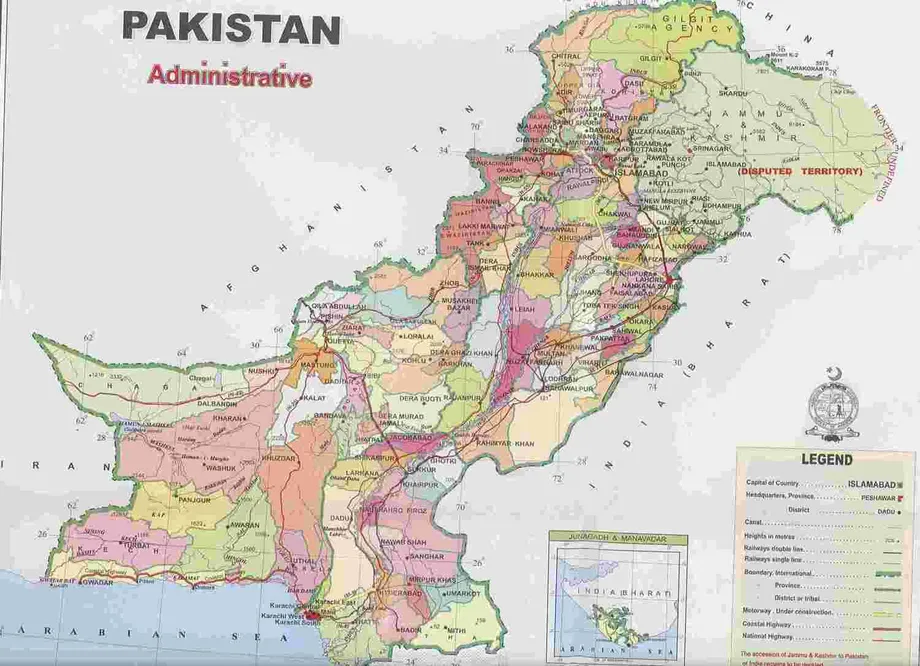
- In May 2025, a brief military conflict between India and Pakistan was followed by Pakistani airspace restrictions affecting Indian carriers.
- In June 2025, an Air India Boeing 787 Dreamliner crashed during takeoff in Ahmedabad, killing more than 240 people.
- At the start of 2026, the airline estimated annual losses of $1.6 billion.
- By the end of the financial year on March 31, 2026, losses exceeded 220 billion rupees, approximately $2.4 billion.
- Later in 2026, Wilson intends to step down as chief executive.
Longer Routes Drive Up Costs
Pakistan's closure of its airspace to Indian carriers following the May conflict forced Air India to change routes to the United States and Europe. Aircraft had to travel through longer corridors, consuming more fuel and spending more time in the air.
Flights between Indian metropolitan centres and North American destinations faced additional journey times of two to three hours. Eastbound flights were pushed onto southern routes over the Arabian Sea and Indian Ocean. Those detours made journeys longer while increasing the cost of operating them.
Air India also suffered a reduction in aircraft utilisation, meaning the amount of flying each aircraft can complete over a given period. When a plane spends extra hours completing one journey, less time is available for another flight. The airline therefore faced higher expenses while getting less use from its fleet.
The restrictions affected routes central to Air India's international ambitions. Flights to Europe and North America already require substantial resources, and longer journeys added costs at a time when the carrier was trying to turn an early operating profit into a sustained recovery.
The Ahmedabad Crash and Safety Concerns
A Boeing 787 Dreamliner crashed during takeoff in Ahmedabad in June 2025, killing more than 240 people. The disaster was one of the deadliest in India's recent aviation history and deepened the airline's crisis beyond its financial losses.
Air India reduced its network immediately after the crash. Both international and domestic services were cut, reducing revenue during the important summer travel season. The tragedy also severely damaged consumer confidence, adding another obstacle to rebuilding the airline's business.
India's aviation regulator subsequently conducted its annual safety audit and ranked Air India worst among carriers for safety compliance issues. The resulting safety concerns increased pressure on the company as it tried to maintain services and recover passenger trust.
The crash also complicated Air India's relationship with Boeing, creating uncertainty around future fleet planning and maintenance procedures. At the same time, the safety rating downgrade made negotiations with insurance providers and aircraft lessors more difficult. Lessors are companies that rent aircraft to airlines, making those negotiations part of the cost of keeping planes in service.
Air India consequently faced higher costs for maintaining its existing fleet while talks over new aircraft deliveries continued. Safety, fleet availability and financial recovery became closely connected: the airline needed dependable aircraft and public confidence to rebuild revenue, while its losses made those tasks harder to fund.
Middle East Disruption and Rising Fuel Prices
Escalating hostilities in the Middle East disrupted another crucial part of Air India's network. The conflict effectively grounded operations across a region accounting for 16 percent of the airline's total capacity.
Gulf destinations were especially affected. Those routes serve as important connecting hubs for the Indian diaspora, linking people living outside India with home and with other destinations. Disruption therefore struck a region with a substantial role in the airline's international operations.
Flights to Europe and North America faced further complications as airlines avoided conflict zones. Route distances increased just as global jet fuel prices rose sharply. Air India was paying more for fuel while also needing more of it to complete longer journeys.
United States President Donald Trump's administration added another source of pressure by imposing punitive tariffs on Indian exports and restricting foreign worker visas. Those measures affected crew scheduling and international revenue streams, compounding the difficulties created by disrupted flight routes.
Air India's cost structure became unsustainable without fresh capital as these pressures accumulated. Competitors operating more efficient fleets captured market share on affected routes, leaving the airline under pressure on both sides of its accounts: rising costs and weaker opportunities to earn revenue.
What Tata and Singapore Airlines Face
Air India has opened urgent funding discussions with its two principal shareholders. Tata Group holds the controlling interest, while Singapore Airlines owns 25.1 percent following the 2024 merger of Vistara with Air India.
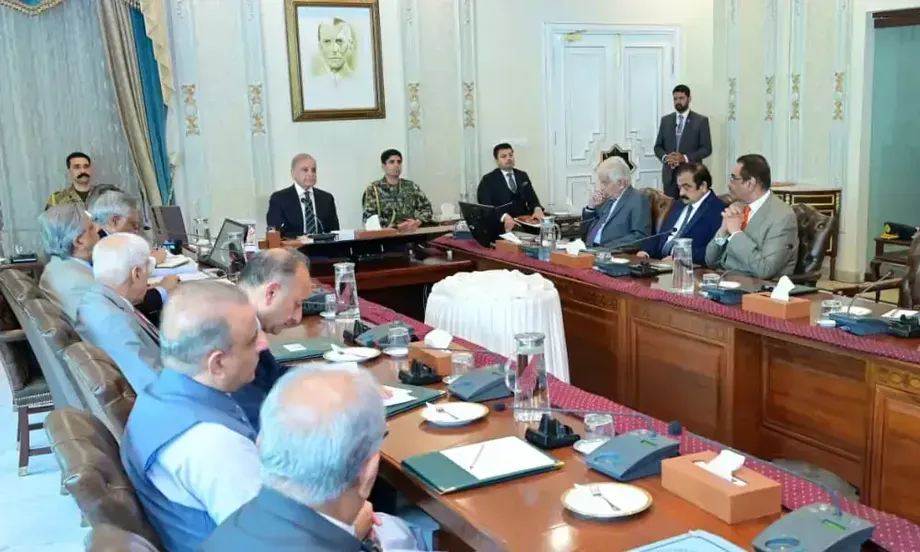
Both shareholders recognise the need for an immediate injection of capital. People familiar with the discussions indicate, however, that the amount being considered may fall short of the airline's full financial requirements. No funding amount or agreement date has been disclosed.
Fresh shareholder capital would provide money to help meet the airline's needs. If that support covers only part of the shortfall, Air India may also seek additional borrowing or other forms of financing. Debt would bring repayment obligations, while some alternative funding arrangements could reduce existing shareholders' ownership percentages or change how the company is governed.
Tata and Air India representatives declined to comment publicly on the negotiations. Singapore Airlines also declined to provide details of its position. The talks are taking place against mounting liabilities and an immediate need to stabilise cash flows.
Singapore Airlines entered the Vistara merger as a strategic route into India's growing aviation market. Air India's deteriorating performance is now dragging down its consolidated earnings, putting pressure on the financial results of its shareholder as well as on the Indian carrier itself. The losses have brought the timing and structure of the partnership under scrutiny.
A Leadership Change During the Funding Crisis
Campbell Wilson has guided Air India through four years of ambitious transformation since Tata's takeover. His intention to step down later in 2026 introduces management uncertainty precisely when the airline needs decisions on funding, spending and its future network.
Wilson's departure timetable overlaps with the critical shareholder funding discussions. His successor will inherit a balance sheet requiring immediate repair and a workforce demoralised by recent safety failures and financial uncertainty.
Air India is searching for a new chief executive capable of restoring operational reliability and consumer trust while managing the financial recovery. The transition leaves the carrier facing uncertainty over its future leadership during its most challenging period since privatisation.
Natarajan Chandrasekaran, chairman of Tata Sons, is also under scrutiny. Earlier reports indicated that reversing Air India's financial losses was a key condition for securing approval of his third term at the head of the conglomerate. The airline's worsening position therefore carries consequences for Tata's leadership as well as for the carrier.
The next chief executive will have to manage relationships with regulators around the world, aircraft manufacturers and alliance partners while reducing debt. Those responsibilities will fall alongside the more immediate tasks of keeping operations dependable and ensuring the airline has enough cash to function.
Fleet Renewal Meets Financial Pressure
Air India's difficulties extend beyond the latest external shocks. Its ageing fleet carries maintenance costs, while budget airlines put pressure on its domestic business. Its international network, meanwhile, faces structural challenges from geopolitical instability.
The scale of the losses brings the viability of full service airline operations in South Asia's competitive aviation market into focus. Air India must support a broad network while meeting maintenance requirements and competing with carriers that operate at lower costs or use more efficient fleets.
Modernising the fleet is essential to Air India's ability to compete over the longer term, but it requires substantial capital. The immediate financial crisis makes that investment harder to support, even as the airline continues negotiations over aircraft deliveries.
Fleet modernisation plans are scheduled to accelerate from 2027. That creates a difficult spending balance: Air India needs to reduce losses now while preparing to invest in aircraft intended to improve its future operations. Pressure on current cash flows complicates the funding of those plans.
The airline's experience shows how quickly external disruptions can erase fragile operating gains during the rebuilding of a legacy carrier. The profits recorded in early April 2025 were overwhelmed by events that changed routes, reduced services, increased costs and damaged confidence.
The Decisions That Will Shape Recovery
Partial support from Tata and Singapore Airlines would likely lead Air India to pursue aggressive cost controls while continuing its fleet modernisation plans. Additional financing could still be needed to close the gap between shareholder contributions and the airline's requirements.
Failure to secure enough capital could force reductions in the route network, sales of assets or smaller growth plans. Those choices could leave more room for Middle Eastern and Asian competitors that have already benefited from growth in India's international passenger traffic.
Air India's recovery remains central to India's aviation strategy because the carrier maintains essential links between the country and global business centres. Reducing its network or slowing expansion would affect an airline with a major role in those connections.
Fuel prices remain volatile, and regional tensions continue to disrupt the most efficient flight routes. The incoming chief executive will therefore be trying to restore profitability in an operating environment that remains expensive and unpredictable.
Air India's immediate priorities are stabilising cash flows, obtaining adequate financial support and finding its next chief executive. The larger task is to repair the airline's finances while rebuilding dependable services and passenger confidence, without losing the ability to invest in its future fleet.
Key Points
- Air India's loss exceeded 220 billion rupees, approximately $2.4 billion or S$3.2 billion, for the financial year ended March 31, 2026.
- The loss surpassed the $1.6 billion estimate made at the start of 2026, and the airline abandoned its operational breakeven target.
- Pakistani airspace restrictions added two to three hours to journeys between Indian metropolitan centres and North American destinations.
- The June 2025 Boeing 787 crash in Ahmedabad killed more than 240 people, followed by service cuts and heightened safety concerns.
- Middle East disruption affected a region accounting for 16 percent of Air India's capacity, while longer routes and rising fuel prices increased costs.
- Tata Group and Singapore Airlines are discussing urgent funding that may cover only part of the airline's needs.
- Singapore Airlines owns 25.1 percent of Air India, and the carrier's deteriorating performance is weighing on its consolidated earnings.
- Campbell Wilson intends to leave later in 2026, while fleet modernisation plans are scheduled to accelerate from 2027.
- Insufficient funding could lead to further borrowing, route reductions, asset sales or smaller growth ambitions.