Legal Reforms Transform Domestic Services in Japan
Japan has seen a surge in demand for professional housekeeping as more households have both partners working. The market has grown steadily with dual-income families seeking help with cleaning and chores. A 2015 legal change allowed foreign nationals to work in this sector within designated special zones starting in 2016. This shift aimed to support women entering the workforce and address labor shortages in household support roles.
Prior to these changes, foreign housekeepers were limited mostly to homes of diplomats or select executives. The new framework created controlled channels for companies to employ overseas talent under strict oversight, including wage standards and training requirements.
Filipino Workers Stand Out for Key Traits
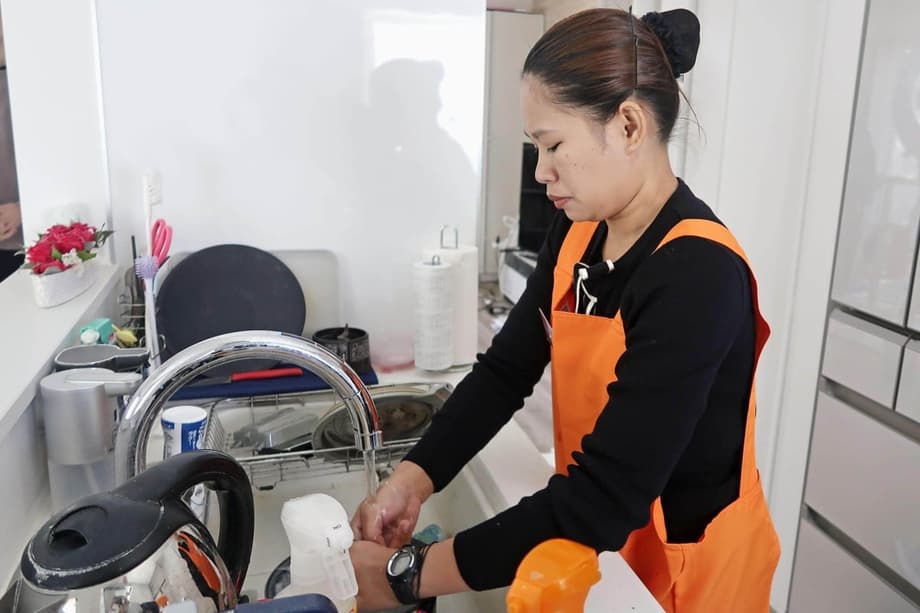
Workers from the Philippines have emerged as a leading choice for these positions. Clients often note their friendly approach, serious work ethic, and skill in managing household tasks. One client described feeling at ease because the staff members are easy to communicate with and handle duties diligently.
Companies provide extensive preparation before and after arrival in Japan. This includes language support and guidance on local cleaning methods, along with help securing housing and managing daily life.
Pinay International Scales Operations
Tokyo-based Pinay International began operations after the law revision and now employs more than 200 full-time Filipino staff. The company serves areas in Tokyo along with Kanagawa, Osaka, and Hyogo prefectures. Chief executive Tetsuya Moteki has stated that foreign talent in active roles will likely help revitalize Japan.
The firm recruits in the Philippines and maintains support systems for its employees. This model has allowed steady growth amid expanding client needs.
Additional Firms Enter the Sector
Other established players have followed similar paths. Bears Co. has hired over 200 Filipino staff since 2017. Duskin Co. is among around 20 companies registered under a government certification system designed to maintain service quality.
The Ministry of Economy, Trade and Industry has tracked market expansion tied to rising numbers of dual-income households. Certification helps consumers identify reliable providers.
Operational and Cultural Factors Shape Growth
Providers face requirements for full-time employment contracts in special zones. This creates overhead that must be balanced against client schedules, which often vary. Training programs address language nuances and household routines to ensure smooth integration.
Japan’s aging population and low birth rates contribute to broader labor constraints across services. These demographics increase reliance on structured foreign worker programs in targeted industries.
Market Trends and Economic Pressures
Recent data shows services sector activity expanding, though at a moderated pace amid cost pressures. Companies balance input expenses with pricing to sustain margins while meeting demand.
Foreign labor in housekeeping represents one response to these dynamics, with providers adapting recruitment from the Philippines and other regions.
At a Glance
- Legal changes in 2015 and 2016 opened special zones for foreign housekeepers.
- Pinay International employs over 200 Filipino staff across multiple prefectures.
- Clients value friendly and diligent service from Filipino workers.
- Government certification covers about 20 companies including Bears and Duskin.
- Dual-income households drive market expansion according to ministry surveys.