Families Grapple with Unimaginable Loss
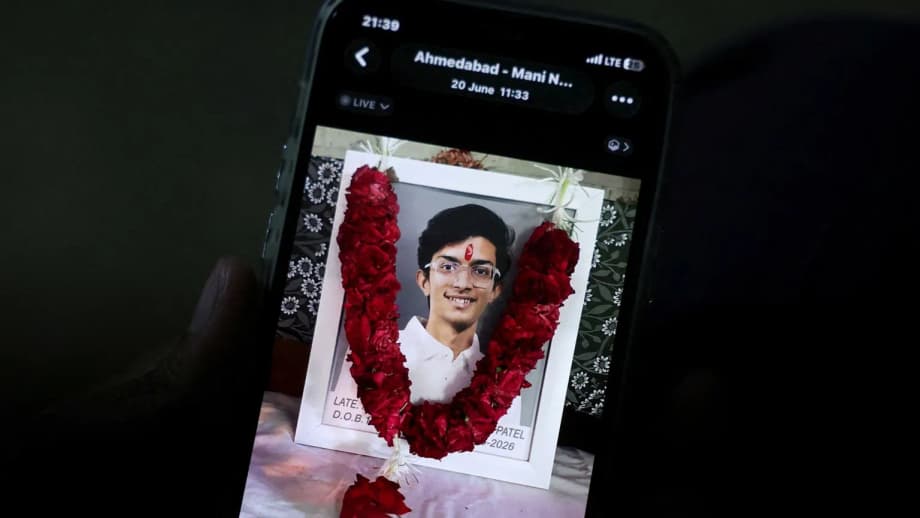
Seventeen year old Kahaan Patel had scored well enough on his first attempt at India’s medical entrance exam to feel confident. Three days before the rescheduled test he jumped from the sixth floor of his family’s building in Ahmedabad. His room still held open textbooks and his electric guitar when his parents entered after his death on 18 June. His father Prashant Patel recalls the moment his son called after the original exam. Kahaan said he felt free and planned dinner with friends. The family had moved from Surat to Ahmedabad so Kahaan could attend a stronger school and pursue his goal of becoming a doctor. No one in the family had entered medicine before.
Pradeep Kumar lived in a different part of India. At 23 he was the only student from his village preparing for the same exam. His father Rajesh sold land and took a bank loan of more than one million rupees to pay for coaching in Sikar. Pradeep studied sixteen hours a day and refused to own a mobile phone because it would distract him. After the May exam he told his father his selection was guaranteed. The paper leak changed everything and forced a fourth attempt. On 15 May he ended his life in the room he shared with his sister.
At least 21 students died by suicide after the National Eligibility cum Entrance Test was cancelled because of the leak. Their stories reveal the intense pressure that surrounds one of India’s most competitive exams. More than two million candidates compete each year for fewer than 130000 seats in government medical colleges. The stakes determine access to secure careers in a country where graduate unemployment hovers near 40 percent for those aged 15 to 25.
Protests Erupt Across Cities
The deaths became the center of student demonstrations that began in Delhi and spread to Mumbai Bengaluru and other cities. A youth group called the Cockroach Janta Party organized marches after its social media account gained millions of followers. The name reclaimed a remark by a senior judge who compared unemployed young people to cockroaches. Protesters demanded the resignation of education minister Dharmendra Pradhan and accountability for repeated exam failures. After weeks of demonstrations including clashes with police the minister stepped down on 25 July.
Prashant Patel traveled to Delhi to join the protests. He said he sought accountability rather than compensation. He watched students return to the streets after police action and felt they had become his son’s voice. Similar marches took place in Shivaji Park Mumbai where thousands chanted for reform and an end to paper leaks.
Deeper Economic Pressures Surface
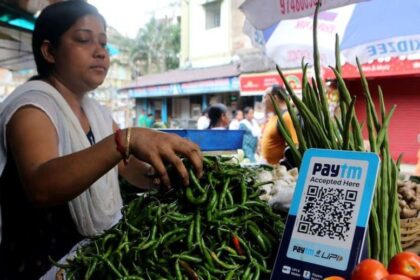
The exam scandal exposed long standing frustrations over jobs. Even graduates with degrees struggle to find stable employment. Many turn to a handful of entrance exams for medicine engineering or government posts because those paths still offer reliable pay. The number of NEET applicants rose 50 percent between 2019 and 2026. Economists note that higher education expanded rapidly while salaried job creation lagged. Nearly 45 percent of the workforce remains in agriculture which contributes only 15 to 16 percent of GDP. Manufacturing has not grown enough to absorb the millions of new graduates each year.
Young professionals who attended the marches described applying for dozens of roles without responses. One graphic designer said companies pay very low wages because hundreds of others are willing to accept less. The protests reflected anger at a system that promises upward mobility yet delivers limited opportunities.
Technology Debated as a Solution
Prime Minister Narendra Modi appointed a task force led by technology executive Nandan Nilekani to overhaul the National Testing Agency. Officials proposed shifting to computer based testing to reduce leaks. Experts from the Indian Institute of Technology Madras say such systems have worked for other large exams and can use air gapped networks and artificial intelligence to monitor behavior. The Supreme Court welcomed the idea but noted that technology alone cannot fix problems rooted in governance and human incentives.
Critics point out that NEET must accommodate 2.2 million candidates in one session. Current computer capacity handles only about 300000 per session so multiple sittings would be required. They also warn that digital testing may favor students who can practice on computers while widening gaps for those from less resourced schools. Governance reforms such as tighter audits random question allocation and stronger penalties are seen as equally important.
Legislative Action Follows Outcry
Parliament passed an amendment to the public examinations law that raises fines to 50 lakh rupees and prison terms to 10 years for those involved in leaks. The bill creates fast track courts and strict investigation timelines. Opposition leaders noted that more than 150 leaks have occurred in the past decade with zero convictions under previous rules. The government said the changes respond directly to public demands after the NEET crisis.
Calls for Broader Education Reform
Families and activists argue that single high stakes tests create strong incentives for malpractice. They call for multiple assessment pathways and expanded quality government schools so students do not rely solely on expensive coaching. Some also urge an end to donation based seats in medical colleges and regular efficiency checks for practicing doctors. The movement highlighted how the pressure affects mental health with reports showing a sharp rise in student suicides over the past decade.
Activist Sonam Wangchuk ended a 26 day hunger strike after receiving assurances that accountability measures would be discussed in parliament. The Cockroach Janta Party said it would continue monitoring reforms and reconvene protests if promises are not kept. Political analysts note that two thirds of India’s population is under 35 and that youth support for the ruling party has declined since 2019.
Voices of the Bereaved
Rajesh Kumar the farmer who financed his son’s education said the government snatched his son away. He believes Pradeep would still be alive if the paper had not leaked. Prashant Patel now urges parents and officials to listen to young people before their voices fall silent. Rahul Gandhi met one grieving father in Dehradun and pledged to raise the issue in parliament. The father said his daughter came home happy after the exam until news of the leak reached her.
The contrasting backgrounds of the victims underscore that the crisis cuts across economic lines. One family split time between two cities while another mortgaged land. Both now share the same unanswered question about a system that failed the students who followed its rules.
Key Points
- At least 21 students died by suicide after the NEET paper leak forced a retest.
- Education minister Dharmendra Pradhan resigned following weeks of youth led protests.
- Parliament passed stricter penalties including 10 year jail terms for exam leaks.
- Youth unemployment near 40 percent fuels broader anger over limited secure jobs.
- Task force considers computer based testing but experts stress governance reforms too.
- Protesters demand expanded government schools and reduced reliance on single high stakes exams.