Judges Seek a Written Explanation for Limited Disclosure
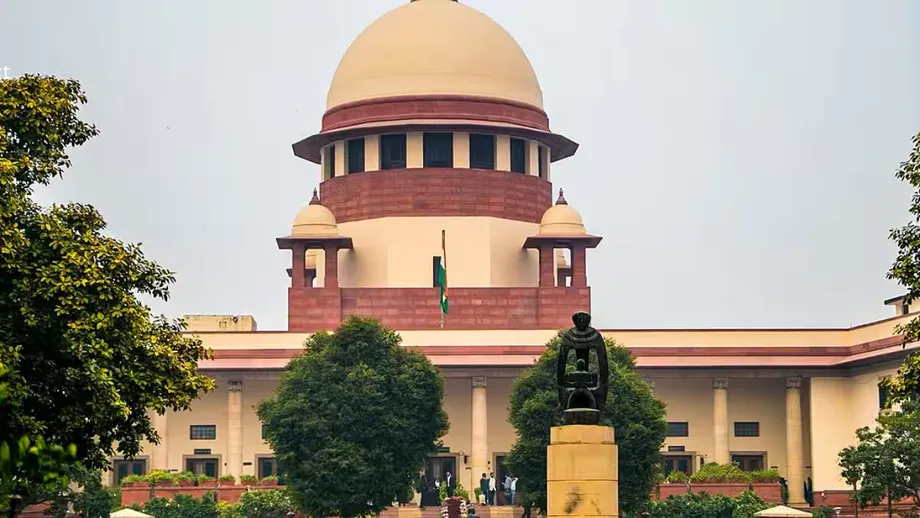
India's Supreme Court on November 2, 2026, directed the National Board of Examinations in Medical Sciences (NBEMS) to explain in writing how releasing NEET-PG questions could compromise the examination's integrity. The hearing focused on a practical problem for candidates: they can see question identification numbers and answer information, but cannot see the questions needed to check their results.
Contents
- Judges Seek a Written Explanation for Limited Disclosure
- What Candidates Want to See
- Why Shuffled Questions Matter
- NBEMS Says Its Question Bank Needs Protection
- The Court Wants More Than a General Defence
- Other Exams and Papers Sold Online Enter the Argument
- How the Case Reached This Stage
- What Is at Stake for Doctors Taking the Exam
- Key Points
A bench of Justices P S Narasimha and Alok Aradhe said it was not fully satisfied with the board's explanation for keeping questions confidential. NBEMS argued that its question bank is limited and that publishing questions each year could expose the entire collection within five to six years.
The dispute concerns the National Eligibility cum Entrance Test for Postgraduate courses, known as NEET-PG, which doctors take to compete for postgraduate medical training. Petitioners want a record that connects each question they attempted with their selected response, the correct answer and the marks awarded.
The court directed NBEMS to justify its policy through written submissions. A final decision on the requested disclosure, a deadline for the submissions and the next hearing date were not specified.
What Candidates Want to See
The Democratic Medical Association filed a petition seeking, among other reliefs, the upload of individual OMR answer sheets, question papers and corresponding answer keys to candidates' login accounts immediately after the examination. OMR refers to sheets on which marked answers can be read electronically; that terminology appears in the relief sought by the association.
The challenge also concerns an NBEMS corrective notice that limits the display of answer keys and recorded responses to question identification numbers from a master paper. Petitioners want the actual questions shown in the order each candidate encountered them, together with the responses marked, correct answers and marks received.
For a candidate, those details form a chain: what was asked, what they selected, what the board accepted as correct and how the score followed. The petitioners say the current display leaves out the question itself, making that chain difficult to check.
Senior Advocate Shikhil Suri, representing the petitioners, told the court that disclosure included master set information and answers, while questions used to prepare other sets were represented only by identification numbers. The demand is therefore for a complete, individual record rather than a list of answers detached from the questions attempted.
Why Shuffled Questions Matter
NBEMS told the bench that candidates receive different versions of the paper because questions are shuffled into different sets. Its portal provides question IDs, the status of answers and the correct answers, while withholding the text of the questions.
The petitioners say answer options are shuffled too. When the order changes, a candidate needs a reliable way to connect the question on their screen during the examination with the response recorded afterward. A number assigned to a question identifies it within the board's system, but candidates say they need the wording to review their own performance.
An answer key lists the answers an examination body accepts as correct. A candidate response sheet records what an individual selected. Showing both alongside the actual questions would allow a doctor to compare their selections with the board's answers and understand how marks were calculated.
The petitioners describe the present format as unverifiable because the information is separated from the questions candidates remember attempting. Their requested remedy brings the question, selected response, accepted answer and marks into a single candidate record.
NBEMS Says Its Question Bank Needs Protection
NBEMS defended confidentiality by describing the postgraduate question bank as a limited resource built with help from experts across India. Its counsel said the questions become a national asset and argued that repeated publication would gradually expose the collection.
The board's lawyer told the court that the people preparing the questions do not retain copyright because the questions become a national asset. That was part of the board's argument for protecting the bank and its continued use in future examinations.
NBEMS placed the risk on a specific timescale: five to six years of annual disclosure. Its concern is that coaching institutes, including those in Kota, could assemble the questions and train candidates to memorise the answers.
The board linked that concern to the purpose of testing doctors who will later deal with public health. Its position is that the examination should assess medical understanding and judgment, while access to a known collection of questions could reward memorisation.
The written response must now explain how that concern applies to the disclosure being requested. Candidates seek access after taking the examination; NBEMS says questions released afterward could affect the quality of examinations in subsequent years.
The Court Wants More Than a General Defence
Justice Narasimha challenged the adequacy of the board's explanation and asked why NEET-PG should follow a different approach from other examinations. Addressing NBEMS counsel during the hearing, he said:
What happens to transparency? You need much more explanation of what you are doing.
Justice Narasimha also told the board that the bench needed a fuller account of the reasons for its policy:
We are not fully satisfied. You will have to explain to us exactly why you stand on a different footing from any other examination.
NBEMS counsel referred to examination practices in other countries and to AIIMS while defending restrictions on disclosure. Justice Narasimha responded that practices followed abroad were no model for India and sought an explanation focused on this examination.
The court's direction puts the next step with NBEMS. The board must set out in writing why allowing candidates to retain questions could harm the integrity of postgraduate NEET examinations, giving the bench a fuller basis on which to examine the policy.
Other Exams and Papers Sold Online Enter the Argument
The petitioners cited JEE, CLAT and AIIMS INI-CET as examinations where candidates receive individual response sheets in the order attempted. They used those examples to support their request for a comparable record in NEET-PG.
Those comparisons address a concrete design choice: whether a candidate sees only identifiers and answers, or a readable account of the questions and responses from their own examination. NBEMS must explain why its question bank requires a different arrangement.
A lawyer appearing in the matter also told the court that previous years' NEET-PG question papers were readily available for sale on Amazon. The lawyer questioned the logic of withholding questions from candidates when material presented as earlier papers was being sold commercially.
The Amazon claim was raised as an argument during the hearing. The immediate issue for the court remains the board's disclosure policy and the information candidates should receive through an official examination record.
How the Case Reached This Stage
The disclosure request is being considered alongside a broader group of examination petitions. The Democratic Medical Association's case is listed with petitions involving the Federation of All India Medical Association and United Doctors Front, which challenge structural issues concerning the National Testing Agency's functioning.
NBEMS is the body being asked to defend the NEET-PG disclosure policy in this hearing. The related proceedings provide the setting, while the direction issued on November 2 concerns its reasons for withholding questions.
- October 15, 2026: The Supreme Court issued notice on the Democratic Medical Association's petition seeking examination records through candidates' login accounts.
- November 2, 2026: Justices P S Narasimha and Alok Aradhe heard arguments about limited disclosure and questioned NBEMS on transparency.
- Next procedural step: NBEMS must file written submissions explaining how disclosure of questions could compromise the examination's integrity.
The sequence takes the dispute from a demand for access to a requirement that the examining body explain its restrictions. The next substantive step is the board's written defence of the policy.
What Is at Stake for Doctors Taking the Exam
For doctors seeking postgraduate places, the requested record would make it easier to understand an individual result. A candidate could read a question, see their recorded choice and compare it with the answer used for marking, rather than trying to reconstruct the examination from memory and identification numbers.
NBEMS is concerned about a different group as well: candidates taking the examination in later years. It argues that preserving confidential questions helps maintain a test of medical ability as questions are reused within a limited bank.
The case brings those two needs before the court at once. Candidates want enough information to check the assessment already made of them. The board wants to protect material it considers necessary for assessing future candidates. The written submissions will have to explain why the restrictions NBEMS currently uses are needed to protect that material.
Key Points
- The Supreme Court on November 2, 2026, asked NBEMS for a written explanation of its NEET-PG disclosure policy.
- The portal provides question IDs and answer information while withholding the questions themselves.
- Petitioners seek individual records showing questions, selected responses, correct answers and marks.
- NBEMS argues that annual disclosure could expose its limited question bank within five to six years.
- The bench said it was not fully satisfied and asked why NEET-PG should be treated differently from other examinations.
- The court has sought an explanation; a final decision on the requested disclosure is pending.