Court finds tourist insulted Bali's Day of Silence
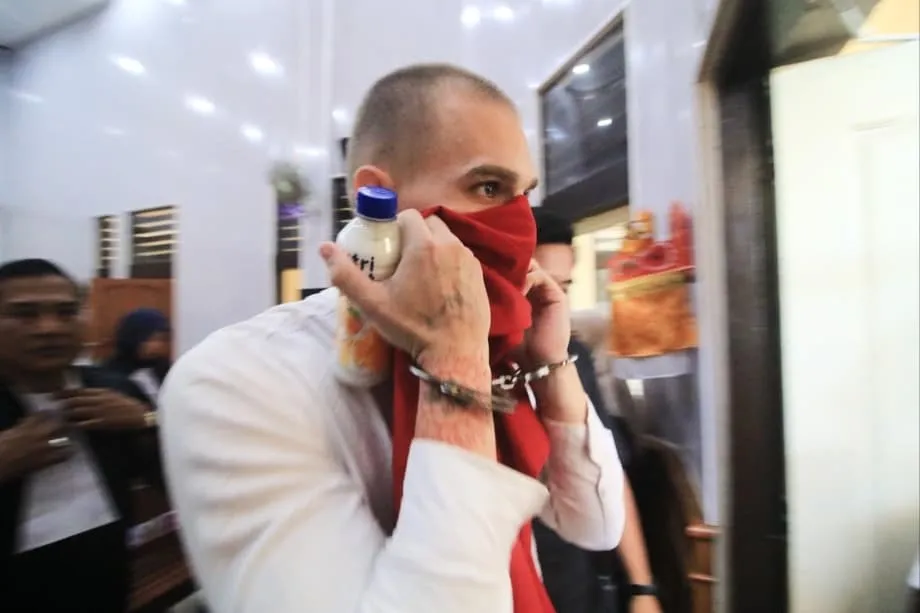
Swiss tourist Luzian Andrin Zgraggen, 26, has been sentenced to one year in prison by the Denpasar District Court after being found guilty of insulting Nyepi, the sacred Balinese Hindu Day of Silence, through Instagram messages and videos published in March 2026.
Contents
- Court finds tourist insulted Bali's Day of Silence
- What the Instagram posts showed
- How the case reached a prison sentence
- Why the court rejected his explanation
- What Nyepi means for Bali
- How the island's shutdown affects visitors
- Why publishing the videos mattered
- Swiss assistance and possible immigration action
- Planning a stay during Nyepi
- Key Points
The court ruled that Zgraggen violated Indonesia's new criminal code by posting content that mocked the observance and boasted about ignoring its restrictions. Staff at the villa where he was staying had explained the rules before he went outside, a warning that became central to the court's assessment of his actions.
Prosecutors had requested a sentence of 15 months, or one year and three months. The prison term imposed was three months shorter. They also asked that Zgraggen remain in detention and that the iPhone allegedly used to publish the posts be confiscated.
Nyepi brings much of Bali to a halt for 24 hours, generally from 6 a.m. until 6 a.m. the following day. Residents and visitors are expected to remain at home or within their accommodation, keep silent, avoid entertainment and limit activity to essential emergencies. The restrictions apply regardless of nationality or religion.
Presiding judge Tjokorda Putra Budi Pastima said Zgraggen's conduct had offended Balinese residents, hurt their religious faith and provoked public outrage. Explaining why the court held him responsible, the judge said:
What the defendant did offended the Balinese people, hurt their faith and provoked public outrage. The defendant must be held accountable for his actions.
The case went beyond an accusation of walking outside during a religious shutdown. Prosecutors pursued the public messages themselves, arguing that information technology had been used to spread material insulting the observance to a wider audience.
What the Instagram posts showed
Zgraggen uploaded videos and messages during Nyepi in March 2026. In the clips, he described walking toward a beach while the island was observing the Day of Silence. He smiled at the camera, called the tradition crazy and used profanity while criticizing its rules.
Zgraggen, the Swiss tourist later convicted over the posts, included this message in one of them:
Fuck Nyepi Day and fuck your rules too.
The content was copied and reposted across social media, drawing strong criticism from Balinese residents. Public anger centered on both his decision to leave his accommodation during the observance and his decision to publicize that act using insulting language.
Authorities began searching for Zgraggen after complaints spread online. He was later arrested at a villa in Legian, a busy tourist area near Kuta Beach. The videos gave authorities a record of his conduct, while their circulation carried the dispute beyond the villa and the beach area.
Tourists have previously been detained or warned for going outside during Nyepi, with those cases generally ending without a criminal trial. Zgraggen's case attracted attention because authorities pursued allegations that his online statements insulted the religious observance and caused widespread public anger.
How the case reached a prison sentence
The events began with the posts during Nyepi and developed into a prosecution under Indonesia's new criminal code. The main stages were:
- During Nyepi in March 2026, Zgraggen published Instagram videos and messages about leaving his accommodation and walking toward a beach.
- After the content spread online and complaints followed, authorities searched for him and arrested him at a villa in Legian.
- During court proceedings, Zgraggen apologized and said hunger, frustration and an incomplete understanding of the restrictions had shaped his actions.
- Prosecutors requested 15 months in prison, continued detention and confiscation of the iPhone allegedly used for the posts.
- By August 20, 2026, the Denpasar District Court had sentenced him to one year in prison.
The prosecution's argument focused on the publication of the allegedly offensive material through information technology, a category covered by the relevant provisions of the criminal code. In simple terms, authorities treated the act of spreading the messages online as part of the alleged offense, alongside the conduct shown in the videos.
Why the court rejected his explanation
Zgraggen told the court that he had not intended to insult Hindu beliefs or the people of Bali. He said he was hungry and frustrated because he could not obtain food during the shutdown. He also said that, despite an explanation from villa staff, he had not understood the full extent of the restrictions.
In his defense plea, he expressed regret and apologized to Balinese residents. The court was not persuaded by his explanation. It found that the warning from villa staff had made him aware that leaving the property was prohibited except in an emergency.
The judges therefore considered several connected actions: the notice he received before going out, his decision to leave anyway, and the public nature of the messages he posted afterward. His claim of cultural misunderstanding was weighed against the court's finding that he had already been informed of the rules.
Food arrangements were part of his explanation for leaving, while the court's reasoning centered on his awareness of the restrictions and the insulting content he published. The case shows why advance notice from accommodation staff can matter when a visitor's actions later come before a court.
What Nyepi means for Bali
Bali is a predominantly Hindu island within Indonesia, a country where most people are Muslim. Nyepi is one of the island's most important religious observances and marks the Balinese Saka New Year through silence, meditation, fasting and self reflection.
Ceremonies and large public processions take place before the silence begins. They include displays of ogoh ogoh figures, which represent harmful spirits. The transition to Nyepi brings a sharp change from the noise, movement and traffic normally associated with the island.
Four traditional restrictions guide the day. People avoid lighting fires or using bright lights, refrain from working, do not travel and limit recreational activity. Together, these are known as the four prohibitions of Nyepi.
Local customary patrols help monitor compliance. Hospitals and emergency services continue operating under special arrangements, allowing essential needs to be met while ordinary public activity stops. For Balinese Hindus, the pause is a solemn religious practice observed across the island.
How the island's shutdown affects visitors
Bali's streets and beaches become largely empty during Nyepi. The airport closes, internet access is shut down across the island, and much of the commercial activity that normally serves visitors stops. Flights, beach visits and routine sightseeing give way to the observance.
The airport closure is one of the most visible examples of a religious observance shaping a major transport network. Hundreds of flights are normally suspended for the day. Travelers are advised to arrive before the shutdown or remain at their hotels until operations resume.
Hotels continue accommodating guests, but visitors are generally required to stay within hotel grounds and follow restrictions on noise, lighting and movement. Villa operators and other accommodation providers commonly explain the rules before Nyepi begins, as staff did in Zgraggen's case.
Bali's tourism economy normally attracts millions of visitors, yet Nyepi pauses many of the services on which a holiday depends. Restaurants, transport arrangements and other routine conveniences may be unavailable. Preparing food and other necessities beforehand is therefore part of planning a stay during the observance.
The rules apply to everyone on the island, including people who do not practice Hinduism. A visitor's nationality or religion does not create an exception to the restrictions on movement and public activity. Genuine emergencies remain an exception, with hospitals and emergency services operating under their special arrangements.
Why publishing the videos mattered
Authorities in Bali have previously dealt with foreign and Indonesian tourists who went outside during Nyepi through warnings, questioning, detention or other measures without a full criminal prosecution. Zgraggen's sentence followed a case in which the online statements were a central part of the accusation.
The posts combined a record of leaving the villa with language directed against the observance and its rules. Prosecutors argued that publishing those messages made the material available to a wider public. The court found that his actions had offended residents and hurt their faith.
Social media turned an incident involving a visitor and local restrictions into a dispute seen by a much larger audience. Copies and reposts extended the reach of the videos, and the content itself helped document what Zgraggen had said and done.
A visitor who went outside without publishing such material might have faced a warning or detention, as earlier incidents illustrate. In this case, the insulting language and its public circulation helped drive the prosecution. The legal consequences reached beyond the immediate breach of the movement restrictions.
Travelers who regard a post as casual commentary can face a different response when it ridicules a religious practice governing daily life across an entire island. Zgraggen's explanation about his intentions did not persuade the court, which assessed the warning he received, his conduct and the messages he chose to publish.
Swiss assistance and possible immigration action
The Swiss Federal Department of Foreign Affairs said it was aware that a Swiss citizen had been detained in Bali. The Swiss Embassy in Jakarta has been in contact with Indonesian authorities and is providing consular assistance.
The department declined to comment on the individual case, citing privacy and data protection rules. Its statement confirmed the diplomatic contact and assistance being provided while leaving the details of the citizen's circumstances private.
Any immigration action after the prison sentence, including possible deportation or a ban on returning to Indonesia, would be handled separately under immigration procedures. No such outcome was specified. The prosecution's requests for continued detention and confiscation of the phone were also distinct from the length of the prison term imposed.
The ruling comes as Indonesia applies its new criminal code and Bali manages the pressure created by mass tourism. The island's cultural and religious calendar remains central to community life, including on days when religious authorities and customary institutions impose strict limits on public activity.
Planning a stay during Nyepi
Nyepi falls on a different date each year because it follows the Balinese Saka calendar. Travelers visiting around the observance should confirm the exact start and end times with their hotel, villa or tour operator, rather than assume that ordinary services will remain available.
Accommodation staff can explain what guests may do within the property and what must be arranged before the shutdown. Zgraggen's case places particular attention on those explanations: the court relied on the notice he received when deciding that he knew leaving the villa was prohibited except in an emergency.
Visitors should prepare for the full period of silence and restricted movement:
- Remain inside approved accommodation throughout the 24 hours of the observance.
- Avoid beaches, streets, airports and other public places except for a genuine emergency.
- Arrange food, water, medicine and other necessities before the shutdown begins.
- Follow accommodation rules on noise, lighting, internet use and movement.
- Avoid filming or mocking religious ceremonies and local restrictions.
- Plan transport around the airport closure and the suspension of ordinary travel.
For many tourists, Nyepi is a quiet interruption to a holiday. For Balinese Hindus, it is a solemn religious day. The one year sentence shows how publicly insulting that observance can bring consequences far beyond a warning, particularly when a visitor has already been told what the rules require.
Key Points
- Swiss tourist Luzian Andrin Zgraggen, 26, received one year in prison from the Denpasar District Court for Instagram posts insulting Nyepi.
- The posts were published during the March 2026 observance and described him leaving his accommodation and walking toward a beach.
- The court found that villa staff had explained the restrictions before he went outside.
- Zgraggen apologized and said he had been hungry, frustrated and unaware of the full extent of the rules.
- Prosecutors sought 15 months in prison, three months longer than the sentence imposed, and requested confiscation of the iPhone allegedly used.
- Nyepi generally lasts from 6 a.m. until 6 a.m. the next day, with restrictions applying to residents and visitors regardless of religion or nationality.
- Bali's airport closes and internet access is shut down, while emergency services continue under special arrangements.
- The Swiss Embassy in Jakarta is providing consular assistance. Any deportation or return ban would be a separate immigration matter.