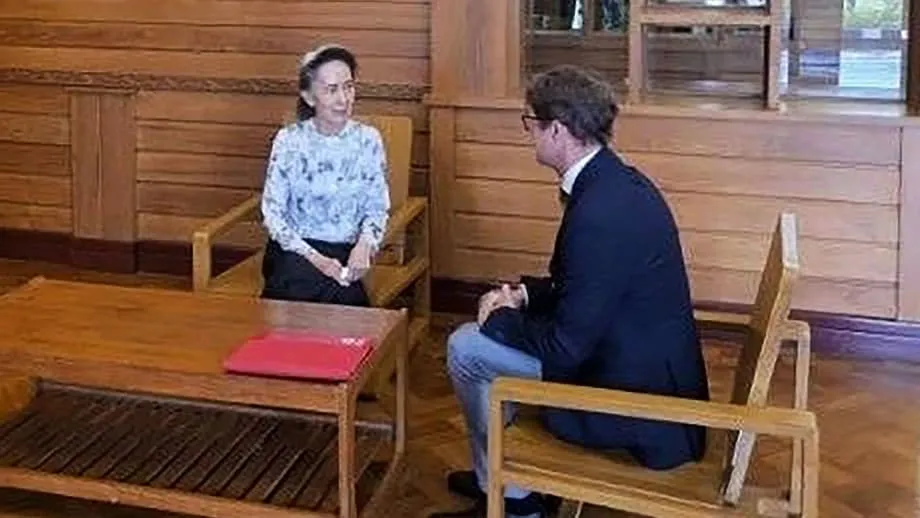
A private meeting after years out of public view
Aung San Suu Kyi, the detained former leader of Myanmar, met International Committee of the Red Cross representative Arnaud de Baecque on Monday in Naypyidaw, her first confirmed contact with anyone outside the military government since the February 2021 coup. Photographs released by the authorities showed the 81 year old Nobel Peace Prize winner smiling and shaking hands with the organisation's resident representative.
Contents
- A private meeting after years out of public view
- What the photographs show
- What the Red Cross visit involved
- A son welcomes the first positive sign
- From the 2021 coup to a reduced sentence
- A familiar experience of confinement
- The meeting comes amid continuing war
- Regional pressure and a visit to Thailand
- Family contact and broader access remain priorities
- Key Points
The encounter brought a rare glimpse of Suu Kyi after years of isolation and repeated demands from her family and foreign governments for evidence that she remained alive and well. The International Committee of the Red Cross, known as the ICRC, confirmed that the visit included a private conversation away from the authorities, following its standard procedures for meeting people deprived of their liberty.
Kim Aris, her son, who lives in London, welcomed the photographs after campaigning internationally for proof of life. He said the images appeared genuine and that his mother seemed in good health. His response combined relief with caution because, he said, the military had spread disinformation in the past.
The meeting also came at a diplomatically sensitive moment. Coup leader Min Aung Hlaing, who became president after a military organised election earlier this year, was scheduled to visit Thailand during the week. Thai leaders have urged access to Suu Kyi, while other regional governments have sought greater transparency about her condition.
What the photographs show
Suu Kyi appeared in traditional Burmese attire in the photographs released by the authorities. She looked relaxed and stood unaided while greeting de Baecque in a sparsely furnished room with wood panelling, two chairs and a desk.
Two additional images appeared to show her cutting a cake with pink frosting. They may have been taken during a private celebration of her 81st birthday in June. The images offered her family a view of someone they had been unable to contact directly for years.
Myanmar state media described the Red Cross meeting as routine. International observers viewed it as a response to mounting pressure on the military to provide proof that Suu Kyi remained alive and well. Activists and family members had spent months pressing that demand through online campaigns.
The photographs showed her appearing alert, while the private meeting gave an organisation outside the military government an opportunity to speak with her. Those were the developments behind the cautious welcome from her family and regional officials.
What the Red Cross visit involved
The ICRC said the encounter followed its usual procedures for visits to detainees. A private conversation is part of that process, allowing a person in custody to speak away from the officials controlling their detention. The organisation also noted that its visits allow detainees to exchange news with their families.
The visit lasted about 30 minutes, according to Aris. De Baecque could share only limited information because of the ICRC's confidentiality rules. The organisation keeps its dealings with detaining authorities confidential, so a visit does not automatically produce a public account of everything discussed.
No specific health details were released, and Aris said he had not received an independent medical assessment. Independent medical examinations were not conducted during the encounter. For her family, direct communication and information about her longer term wellbeing remained the next priorities.
A son welcomes the first positive sign
Aris described the development as the first positive sign in more than five years. His international campaign had sought a basic answer after a prolonged absence of direct contact: whether his mother was alive and well.
The images brought renewed hope, he said, although one meeting could not answer every question about her longer term condition. He hoped the encounter would lead to direct family contact, greater humanitarian access and eventually the release of all political prisoners.
His reaction reflected the difference between receiving photographs and rebuilding regular communication. The released images gave him something tangible to examine after years of uncertainty. Direct contact would allow the family to exchange news with Suu Kyi herself.
The military has repeatedly said she is in good health. Before this week's encounter, those assurances had lacked independent verification. Aris welcomed the new development while remaining careful about accepting information from authorities whose previous statements he distrusted.
From the 2021 coup to a reduced sentence
Suu Kyi was detained on February 1, 2021, when the military removed the elected government she led as state counsellor. Her National League for Democracy had won elections in 2015 and 2020 before the coup ended that period of civilian leadership.
She subsequently faced a series of charges, including breaches of COVID rules, bribery and incitement. Incitement means encouraging others to take an action that authorities consider unlawful. Critics called the proceedings a sham, and the trials took place behind closed doors.
Her original sentence totalled 33 years and was later reduced to 27 years. She now has roughly 18 years remaining on her term. In April, she was moved from prison to house arrest as part of a broader amnesty. An amnesty is an official measure that grants relief from punishment to a group of people.
The main events leading to Monday's meeting span several years:
- 2015 and 2020: Suu Kyi's National League for Democracy won national elections.
- February 1, 2021: The military ousted her government and detained her.
- Following the coup: A series of closed trials resulted in a sentence initially totalling 33 years, later reduced to 27 years.
- April 2026: She was moved from prison to house arrest during a broader amnesty.
- June 2026: Two released photographs may show a private celebration of her 81st birthday.
- Monday: She met ICRC resident representative Arnaud de Baecque in Naypyidaw.
A familiar experience of confinement
Suu Kyi had already spent 15 years under house arrest during earlier periods of military rule between 1989 and 2010. Her latest detention returned her to a form of isolation that has occupied a substantial part of her political life.
Her father, Aung San, is revered as the architect of Myanmar's independence. He was assassinated in 1947. That family history, her Nobel Peace Prize and her party's election victories help explain why her condition attracts attention far beyond Myanmar.
The original account described Monday's encounter as the first confirmed outside contact in nearly four years, while Aris described it as the first positive development in more than five years. The detention began in February 2021, and the central development this week was a confirmed meeting with a representative outside the military government.
For many citizens, Suu Kyi's position continues to symbolise the struggle between military rule and democratic aspirations. Her move to house arrest changed where she was held, while the reduced sentence still leaves her facing roughly 18 more years in custody.
The meeting comes amid continuing war
Myanmar's 2021 coup triggered widespread armed resistance and plunged the country into civil war. Tens of thousands have been killed and millions displaced, with people forced to leave their homes as fighting spreads.
Forces seeking democracy and ethnic armed groups are fighting the military across much of the country. The military has carried out aerial bombardments of opposition areas while facing international sanctions and diplomatic isolation.
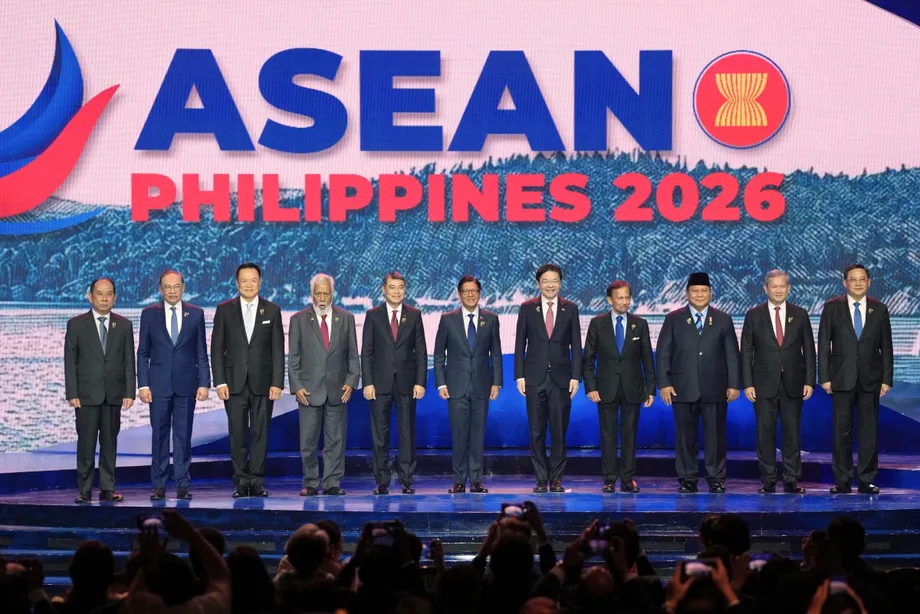
Members of the Association of Southeast Asian Nations, known as ASEAN, have pressed for dialogue and greater transparency about Suu Kyi's status as part of peace efforts that have stalled. Her detention is one part of a wider crisis involving fighting, repression and the imprisonment of political opponents.
Opposition groups continue to demand her unconditional release alongside thousands of other political detainees. The military maintains tight control despite its recent election and diplomatic outreach. A meeting concerning one prominent prisoner takes place within that continuing struggle over political power and access to detainees.
Regional pressure and a visit to Thailand
Thailand's foreign minister called the Red Cross encounter a positive step and expressed hope for further developments. The United States, China and ASEAN countries have all sought independent verification of Suu Kyi's condition.
Philippine officials had previously requested that an ASEAN envoy be allowed to visit her, but that request was denied. The ICRC meeting therefore provided a channel of access after an attempt to arrange a regional diplomatic visit had failed.
Richard Horsey of the International Crisis Group said the military deliberately chose the ICRC to address concerns about her health without opening the door to wider diplomatic access. His assessment helps explain the importance of who was admitted: a humanitarian representative working under confidentiality rules.
The move was viewed as willingness to meet one major demand while the military continued to reject calls to end fighting or release all prisoners. The authorities were seeking to ease their isolation and reconnect with regional partners ahead of Min Aung Hlaing's scheduled trip to Thailand that week.
Family contact and broader access remain priorities
Aris wants the encounter to lead to more humanitarian access and direct contact between Suu Kyi and her family. Those requests extend beyond the release of photographs to the ability to maintain communication over time.
Foreign governments and rights groups have sought fuller transparency about her circumstances. The ICRC's confidential approach gives it a particular role in dealing with detaining authorities, while limiting the details that can be shared publicly with relatives and others seeking information.
Monday's encounter offered a small opening after years of isolation and may ease some international pressure. Fighting and repression continue inside Myanmar, and opposition demands still include the release of Suu Kyi and thousands of other political prisoners. The immediate development is a confirmed private meeting; the wider political crisis continues.
Key Points
- Aung San Suu Kyi met ICRC resident representative Arnaud de Baecque on Monday in Naypyidaw.
- The ICRC confirmed that its standard procedures included a private conversation away from the authorities.
- Released photographs showed the 81 year old smiling, standing unaided and greeting the representative.
- Kim Aris welcomed the images and sought direct family contact and greater humanitarian access.
- No specific health details or independent medical assessment were released.
- Suu Kyi has been detained since February 1, 2021. Her sentence was reduced from 33 to 27 years, with roughly 18 years remaining.
- She moved from prison to house arrest in April during a broader amnesty.
- The encounter came before Min Aung Hlaing's scheduled visit to Thailand, amid regional pressure and continuing civil war.