Hospitals struggle as flood related infections rise
Metro Manila hospitals are facing a sharp increase in leptospirosis cases after weeks of heavy rain and widespread flooding, with the National Kidney and Transplant Institute in Quezon City limiting walk in emergency room admissions because all beds are occupied.
- Hospitals struggle as flood related infections rise
- Why floodwater creates a leptospirosis risk
- Symptoms can begin like an ordinary fever
- Health authorities urge early medical advice
- Cases are being reported across the Philippines
- Leptospirosis is part of a wider flood health crisis
- Flood control and climate pressures add to the burden
- What residents can do after flood exposure
- Key Points
In a notice issued Sunday, the hospital said it would give priority to patients needing urgent or critical treatment and admission. People seeking elective or non emergency care were advised to coordinate with their attending physicians, while patients who can be treated elsewhere were asked to consider facilities with available beds.
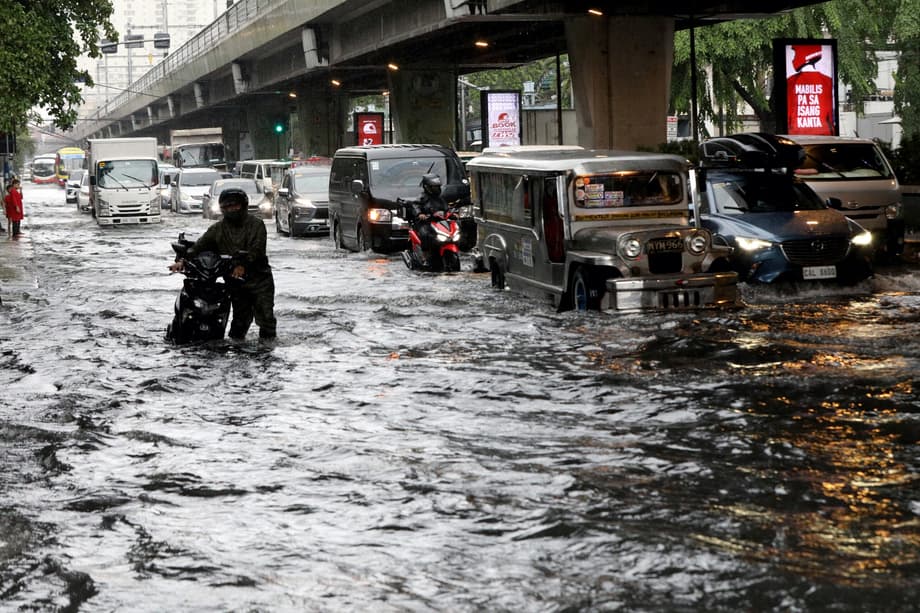
The warning reflects the pressure placed on the capital’s health system after floodwaters affected communities across Metro Manila and nearby provinces. San Lazaro Hospital, the country’s national referral center for infectious diseases, has reported 50 leptospirosis patients and two deaths during the latest surge. The facility has opened an express lane for people suspected of having the disease.
Health officials have also reported eight new cases in Manila in a single day after persistent rains linked to the southwest monsoon. The Manila city health department had recorded 111 leptospirosis cases since the start of the year by early August, alongside thousands of dengue cases and other illnesses associated with the rainy season.
Why floodwater creates a leptospirosis risk
Leptospirosis is caused by bacteria in the Leptospira group. The bacteria are commonly spread through the urine of infected rats and other animals. When floodwater moves through streets, homes, rubbish areas and drainage systems, it can carry the bacteria into places where people live and work.
People may become infected when contaminated water or mud enters cuts, scratches or other breaks in the skin. Health specialists also warn that prolonged exposure can allow the bacteria to pass through softened skin, even when no obvious wound is visible. Swallowing contaminated water or food is another possible route.
The bacteria can survive in wet soil and water for weeks or months under suitable conditions. Flooding therefore creates a health risk that may continue after streets begin to dry. People who clean homes, handle mud, work in flooded markets or walk through standing water can remain exposed during the recovery period.
The disease is especially common in the Philippines during the rainy months, generally from June through November. Its symptoms may appear as early as two days after exposure or as late as 30 days afterward. Most patients develop symptoms within seven to 14 days, although the timing varies.
Symptoms can begin like an ordinary fever
Early leptospirosis can resemble influenza or other infections. Common symptoms include fever, headache, chills, muscle or body pain, nausea, vomiting, tiredness and red eyes. Some patients develop diarrhea or a skin rash.
More serious warning signs include yellowing of the skin or eyes, dark urine, reduced urine output, severe pain in the calf muscles, breathing difficulty and unusual bleeding. These symptoms may signal damage to the kidneys, liver or lungs and require immediate medical attention.
About 5 percent of cases progress to severe leptospirosis, sometimes known as Weil’s syndrome. This form can cause kidney failure, liver injury, bleeding and lung hemorrhage. The disease has an estimated fatality rate of about 10 to 15 percent among patients, especially when severe illness is diagnosed late or treatment is delayed.
Doctors may use a patient’s exposure history, symptoms, physical examination and laboratory tests to assess the illness. Since leptospirosis can look like dengue, typhoid fever, influenza and other infections, professional evaluation is needed rather than relying on symptoms alone.
Health authorities urge early medical advice
The Department of Health has raised a Code White alert and is monitoring the expected increase in cases after the floods. The alert is intended to strengthen hospital readiness and ensure that health facilities can respond to a rise in patients needing urgent care.
The department has advised people who waded through floodwater or came into contact with mud to visit a health center or doctor within 24 to 48 hours, even if they feel well. A medical professional can assess the level of exposure and decide whether preventive treatment is appropriate.
The DOH has said that preventive antibiotics, often called prophylaxis, may be considered for people at risk. Doxycycline is commonly used in some settings after exposure, although it must be prescribed or recommended by a qualified health worker. It is not suitable for everyone, including some pregnant women, nursing mothers and people with particular medical conditions. Other medicines may be considered when doxycycline is unsafe.
Taking antibiotics without medical advice can cause side effects and may lead people to overlook symptoms that require monitoring. Doxycycline can cause stomach upset and increased sensitivity to sunlight, while other medicines also carry risks. Residents should tell health workers about pregnancy, allergies, existing illnesses and medicines they already take.
People who were exposed to floodwater should monitor themselves for fever, headache, muscle pain, red eyes, vomiting, yellowing of the skin or reduced urination during the month after exposure. Anyone with severe symptoms should seek emergency care rather than waiting for the illness to improve.
Cases are being reported across the Philippines
The latest increase extends beyond Metro Manila. Department of Health figures cited during the current flood response put nationwide leptospirosis cases at 3,760, with officials expecting the number to rise as people develop symptoms after exposure. A separate DOH count recorded 2,396 cases between June 8 and August 7, showing how quickly totals can change as reports from local health offices are added.
Figures from different dates and reporting areas should not be directly combined, although they show the scale of the national concern. The capital region has received a large share of cases because of its dense population, extensive paved areas, blocked drainage and frequent contact between residents and floodwater.
Iloilo Province has recorded at least 10 deaths from leptospirosis during the first eight months of the year, twice the number reported during the same period in 2025. In Negros Occidental, authorities have reported 90 cases and four deaths following flooding associated with Typhoon Tino. Officials in the province have warned that the count may increase.
Flooding has also affected Central Luzon, including Pampanga, Bataan and Bulacan. Dozens of cities and municipalities have declared a state of calamity after the southwest monsoon and tropical cyclones caused severe inundation. In Pampanga, large areas remained under water, affecting close to one million people and damaging agricultural land. Thousands of residents were evacuated in Bataan.
Leptospirosis is part of a wider flood health crisis
Floods create conditions for several diseases at the same time. Leptospirosis is linked to contaminated water and animal urine. Typhoid fever can spread when sewage contaminates food or drinking water. Dengue cases may rise when rain leaves small pools where Aedes mosquitoes lay their eggs.
Quezon City health figures cited by medical specialists recorded 6,981 dengue cases between January and August, a 155 percent increase from the same period a year earlier. Local officials said children aged 10 and below were among the most affected. The city also recorded 521 leptospirosis cases and 74 deaths by late August in figures presented during a discussion on climate and health.
These numbers may cover different reporting periods and case definitions, so they should be read as indicators of pressure on local health services rather than as a single consolidated outbreak total. The practical concern is that patients with fever, dehydration, kidney injury or breathing problems from different diseases can arrive at hospitals at the same time.
Typhoid commonly causes prolonged high fever, stomach pain, fatigue and changes in bowel habits. Dengue may begin with fever, headache and body pain before dangerous bleeding or shock develops after the fever falls. Leptospirosis can also cause fever and muscle pain, making early medical assessment essential.
Residents should avoid taking aspirin or ibuprofen when dengue is possible because these medicines can increase bleeding risk. Health workers can advise on safer fever treatment while testing and observation determine the cause.
Flood control and climate pressures add to the burden
Health specialists have connected the recurring outbreaks to more than individual exposure. Dr. Ramon San Pascual, executive director of Healthcare Without Harm Southeast Asia, described the wider problem during a climate and health forum.
“The climate crisis is a health crisis,” San Pascual said.
He said extreme weather and gradual climate changes were already affecting public health, with floods helping drive increases in diseases carried by animals and insects. Leptospirosis has been classified as a climate sensitive disease because warmer, wetter conditions and intense rainfall can increase contact between contaminated water, rodents and people.
Other specialists have questioned whether existing flood control projects are protecting communities from increasingly intense rainfall. Dr. Alfredo Mahar Lagmay of the University of the Philippines Resilience Institute said large public investments in disaster prevention had not always produced effective protection against extreme inundation.
During the same forum, experts pointed to spending of at least 157 billion pesos on disaster prevention and mitigation in 2021 and nearly 78 billion pesos in 2022. The figures include many flood control projects. The government has since ordered reviews of projects amid allegations of corruption, poor construction and ineffective planning.
For health services, the effects include crowded hospitals, shortages of preventive medicine and interruptions to routine care. Dr. Annabelle Sinlao of Manila Central University College of Medicine said doxycycline supplies had previously become scarce after major floods. A shortage can delay preventive care for people who have been exposed, especially in densely populated communities.
What residents can do after flood exposure
The safest approach is to avoid floodwater whenever possible. People who must enter it should wear boots, gloves and clothing that covers the skin. Cuts and scrapes should be covered with waterproof dressings, and hands and exposed skin should be washed with clean water and soap afterward.
Residents should avoid eating food or drinking water that may have been touched by floodwater. Drinking water should come from a safe source, or be boiled or treated according to public health guidance. Homes should be cleaned with protective equipment, and rubbish should be handled carefully because rats may move into new areas after flooding.
Anyone exposed to floodwater should contact a health center within 24 to 48 hours for advice, even without symptoms. People should mention the date, length and type of exposure, whether they had open wounds and whether they swallowed water.
Hospitals are asking patients with non urgent needs to coordinate with their doctors before arriving. This can reduce congestion and allow emergency departments to focus on people with serious infection, breathing problems, kidney failure or other dangerous complications.
Key Points
- NKTI in Quezon City has limited walk in emergency admissions because its beds are full.
- San Lazaro Hospital has reported 50 leptospirosis cases and two deaths during the latest Manila surge.
- Floodwater can carry Leptospira bacteria from infected animal urine.
- Symptoms may appear from two to 30 days after exposure.
- Severe disease can cause kidney failure, liver injury and lung hemorrhage.
- The DOH advises exposed people to seek medical advice within 24 to 48 hours.
- Preventive antibiotics should be used only after assessment by a health professional.
- Dengue and typhoid are also placing pressure on hospitals after the floods.