The hidden fuel behind Asia’s artificial intelligence race
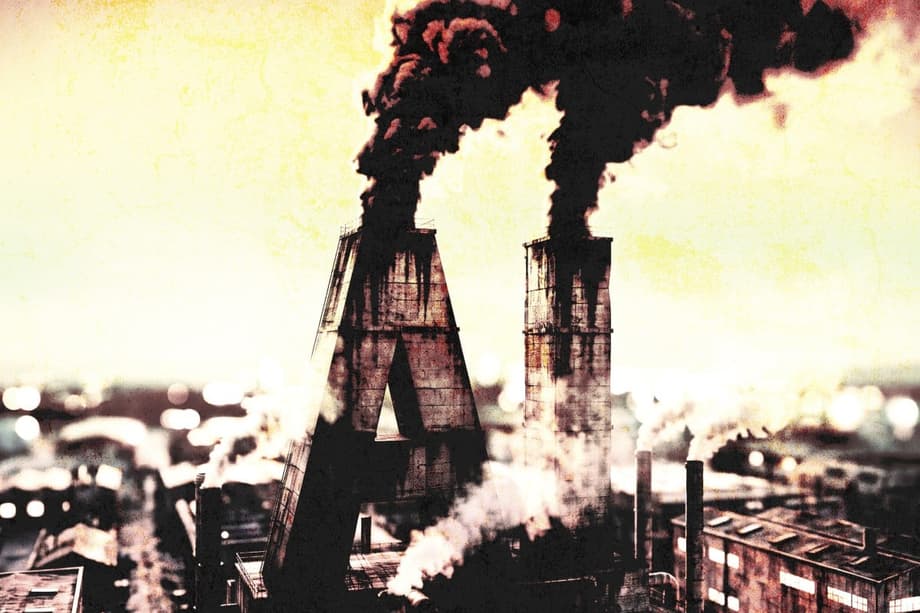
Across Asia, the artificial intelligence boom is being built on a resource that governments and technology companies rarely place at the center of the conversation: coal. The region holds close to three fifths of the world’s known coal reserves by some estimates, making the fuel relatively cheap, widely available and less exposed to overseas shipping disruptions than oil or gas.
- The hidden fuel behind Asia’s artificial intelligence race
- Why data centres need so much power
- Malaysia shows the tension clearly
- Coal is not the only environmental cost
- Communities are starting to push back
- What can replace coal and gas?
- Regional cooperation could reduce the pressure
- The choices being made now will last for decades
- Key Points
That advantage is becoming difficult to ignore as data centres multiply. These facilities house the servers that train and run artificial intelligence systems. They consume electricity continuously, often at very high levels, because advanced computing equipment produces heat and cannot simply be switched off when the sun sets or the wind drops.
Alexander Kheder, a market research analyst at BMI who follows artificial intelligence infrastructure and data centre expansion, said demand is arriving faster than new clean energy projects can be completed.
AI demand is materialising faster than clean energy generation can be commissioned, Kheder said.
Solar and wind power are expanding quickly across Asia, yet their variable output creates a problem for operators that promise near constant service. Until sufficient batteries, other storage systems, transmission lines or firm low carbon generation are available, coal and gas are likely to fill the gap.
Why data centres need so much power
A conventional data centre already requires a steady electricity supply. Artificial intelligence facilities place an additional burden on the grid because they use large numbers of specialised graphics processors and other chips at high levels of utilisation. Training a model can require thousands of chips to work together for days or weeks, while popular services must respond to users at any hour.
The distinction between installed capacity and actual electricity use matters. A project may be announced with a large future capacity, yet the grid must prepare for the possibility that much of it will operate at once. In several markets, a connection request of 20 megawatts or more can trigger lengthy technical studies. Some operators face waits of a decade or longer for a traditional grid connection.
The International Energy Agency expects electricity use by data centres worldwide to roughly double by 2030. Data centres accounted for about 1.5 per cent of global electricity demand in 2024, according to the agency, and their share could remain below 3 per cent by 2030. Those global figures hide local pressure. A single large facility can consume as much electricity as an industrial plant, and clusters of facilities can quickly become one of the largest loads in a regional grid.
Operators are responding by seeking power directly. Some are building gas plants beside their facilities, while others are exploring batteries, microgrids, renewable energy parks, fuel cells and nuclear generation. Where these options are not yet available or affordable, existing coal plants can receive new contracts and operate for longer than planned.
This creates a risk of fossil fuel lock in. A data centre designed to run for 20 or 25 years can support a power station over the same period, even if national climate policies call for coal closures during that time.
Malaysia shows the tension clearly
Malaysia has become one of Asia’s fastest growing data centre locations, helped by its proximity to Singapore, available land and comparatively lower costs. Cyberjaya, a technology district south of Kuala Lumpur, already contains dozens of facilities, with more projects planned. Companies including Google, Amazon, Alibaba, Microsoft and ByteDance have shown interest in the country’s digital infrastructure.
Malaysia announced about 850 megawatts of potential data centre electricity demand in the first half of 2024 alone. Another regional assessment estimates that national data centre demand could rise from 8.5 terawatt hours in 2024 to 68 terawatt hours by 2030. That would represent as much as 30 per cent of the country’s electricity supply.
Malaysia plans to add between six and eight gigawatts of gas fired generation by 2030 to meet rising consumption. The measure may help prevent shortages, yet it also sits uneasily beside the country’s emissions targets. Much of the existing power system already depends on coal and gas, meaning foreign technology companies can obtain reliable electricity while local communities absorb much of the pollution and infrastructure cost.
Adit Rahim, a 49 year old communications executive who lives near Cyberjaya, said residents are watching the rapid construction with concern.
The impact is going to be very, very visible, Rahim said, pointing to the strain on local utilities.
Water is becoming a second constraint. Data centres often use cooling systems that evaporate water to remove heat from servers. Authorities in Johor and Selangor have slowed or restricted some projects because water supplies are already under pressure. In Johor, developers have been told to defer certain water cooled expansion projects until 2027.
Coal is not the only environmental cost
Coal fired electricity releases carbon dioxide and air pollutants, yet the environmental burden of artificial intelligence extends beyond the power station. Data centres require cooling water, land, transmission infrastructure, backup generators and construction materials.
A study by researchers at the University of California, Riverside and the University of Texas at Arlington estimated that global artificial intelligence demand could require between 4.2 billion and 6.6 billion cubic metres of water withdrawals in 2027, including water used directly for cooling and water associated with electricity generation. The estimate is based on modelling rather than complete measurements from every facility, so it should be treated as a range rather than a precise total.
The difference between withdrawal and consumption is central. Withdrawal refers to water taken from a river, reservoir, aquifer or municipal system. Consumption is the portion that does not quickly return to that source, often because it evaporates. A facility can report a modest withdrawal figure while still placing pressure on a local watershed.
In India, many data centre hubs are located in areas already facing water stress. One 30 megawatt facility can draw more than two million litres a day under some cooling arrangements. In the Gautam Buddha Nagar district of Uttar Pradesh, groundwater extraction has exceeded estimated sustainable levels, while residents in nearby communities have turned to expensive water deliveries after wells ran dry.
India is also planning some of the region’s largest artificial intelligence facilities. In Andhra Pradesh, a proposed one gigawatt Google data centre is part of a 15 billion dollar project. State officials describe the investment as a way to attract manufacturers of power equipment, air conditioning systems and construction materials.
Nara Lokesh, the state’s information technology minister, said the project should create a wider industrial base rather than serve only as a server facility.
For me, it’s not merely about the data centre, Lokesh said. The power electronics, the air conditioning, the building materials guy, the whole nine yards. We are now bringing all of them to my state to do the manufacturing.
Construction can produce a large temporary workforce, yet data centres are highly automated once they open. Research cited in the region suggests that a major facility may employ only a few hundred permanent workers. That raises questions about whether tax revenue, skilled employment and technology transfer will match the value of the land, electricity and water committed to the projects.
Communities are starting to push back
Public discussion has often lagged behind construction. Several Asian countries have incomplete rules for environmental reviews of data centres, and local communities may receive little information about expected electricity, water or pollution levels before approval.
In February 2026, residents in Johor held what was described as Malaysia’s first public protest against the rapid expansion of data centres. Participants raised concerns about pollution and water scarcity. Similar disputes have emerged in Indonesia, where residents have questioned agreements involving community land and the use of local water supplies.
Central Asia faces related risks. A proposed computing hub in Ekibastuz, Kazakhstan, could require 300 megawatts and rely on coal in a city already affected by industrial air pollution. In Uzbekistan, a planned 300 megawatt facility in Karakalpakstan is expected to use electricity from a gas plant, despite serious water and energy shortages in a region shaped by the loss of the Aral Sea.
These cases show why national averages can be misleading. Data centres may represent a small share of global electricity demand, yet their local effect can be substantial when several facilities are concentrated in a dry basin or a weak power system.
Energy demand from air conditioning could place an even larger burden on Southeast Asian grids over time. The International Energy Agency expects the region’s air conditioner stock to rise from almost 50 million units in 2020 to around 300 million by 2040. Cooling demand is projected to reach roughly 300 terawatt hours, close to the combined current electricity use of Indonesia and Singapore.
What can replace coal and gas?
Renewable energy is part of the answer, though solar panels and wind turbines cannot by themselves guarantee continuous supply. The missing link is flexibility, meaning the ability to store electricity, shift demand or bring another source online when renewable output falls.
Long duration energy storage could allow data centres to use renewable power for longer periods than conventional batteries can support. Storage can also reduce pressure on the grid during peak hours. Battery systems, pumped hydro, thermal storage and newer chemical technologies are being tested for this role.
Some technology companies are already signing contracts that combine computing demand with new power capacity. Agreements in the United States include storage backed renewable power, onsite fuel cells and virtual power plants that connect batteries and other flexible devices to electricity markets. These arrangements show that alternatives exist, though few have yet been deployed at a similar scale across Asia.
Nuclear energy is another option under discussion, especially small modular reactors. Such reactors could provide steady electricity with low operating emissions, although Southeast Asia has no operating commercial nuclear reactors today. Licensing, safety, financing, construction time, waste management and public acceptance would all need to be addressed before nuclear power could serve the data centre boom.
Cooling technology can also reduce pressure. Closed loop liquid systems reuse water rather than constantly evaporating fresh supplies. Facilities can use treated wastewater, air cooling or designs that avoid potable water. Each choice has tradeoffs. Air cooling may require more electricity during hot weather, while treating and transporting wastewater also consumes energy.
The cleanest solution will vary by location. A data centre in a water rich area with additional renewable generation and closed loop cooling has a different footprint from one in a drought affected region powered by an old coal plant. Governments should require developers to publish site level figures for electricity, water withdrawals, water consumption and emissions before granting approval.
Regional cooperation could reduce the pressure
Asia’s energy security concerns help explain the appeal of coal. Oil price shocks, shipping risks and geopolitical conflict can quickly raise the cost of imported fuels. Coal produced within the region appears more predictable to planners, even when its health and climate costs are much higher.
Regional electricity trade could give governments more choices. The ASEAN Power Grid has already enabled cross border electricity exchanges, including through the Laos, Thailand, Malaysia and Singapore integration project. Expanded transmission links could allow countries to share hydropower, solar and wind resources instead of building isolated fossil fuel capacity for every new industrial load.
Power planning also needs to consider households and existing businesses. Data centres can create investment and tax revenue, yet special tariffs and public subsidies may transfer infrastructure costs to other electricity users. Transparent contracts, pollution rules, water limits and contributions to grid upgrades would give host communities a clearer share of the benefits.
Malaysia’s plan for a sovereign artificial intelligence cloud reflects a wider desire to gain more than construction jobs from foreign investment. The country hopes to build domestic skills, research capacity and control over digital infrastructure. That goal will be harder to achieve if the country becomes mainly a low cost location for overseas companies while carrying the cost of their electricity, water and land use.
The choices being made now will last for decades
Artificial intelligence has real uses in medicine, manufacturing, weather forecasting, energy management and public services. Data centres are part of the infrastructure that supports those benefits. The question is whether their growth can be matched by power systems and environmental rules that protect the people living nearby.
Coal is filling the immediate gap because it is available, dispatchable and familiar. That short term solution can become a long term commitment when new facilities are financed around existing plants and long contracts. The same decision can increase air pollution, water stress and exposure to future carbon rules.
A responsible buildout would connect new computing capacity to additional clean electricity, storage and stronger transmission. It would use recycled water where possible, publish local resource balances and include communities before construction begins. Where a project cannot meet basic water or power conditions, a pause may be safer than allowing demand to outrun the region’s capacity.
Key Points
- Coal remains a major fallback power source for Asia’s rapidly expanding artificial intelligence data centres.
- Grid connection delays are pushing operators toward onsite generation, batteries, microgrids and other private power systems.
- Malaysia could see data centre electricity demand rise from 8.5 terawatt hours in 2024 to 68 terawatt hours by 2030.
- Water use for cooling and electricity generation is creating added pressure in Malaysia, India and other water stressed areas.
- Long duration storage, closed loop cooling, renewable power and nuclear generation could reduce fossil fuel dependence.
- Regional power trading, transparent approvals and stronger environmental rules could help spread benefits and limit local costs.