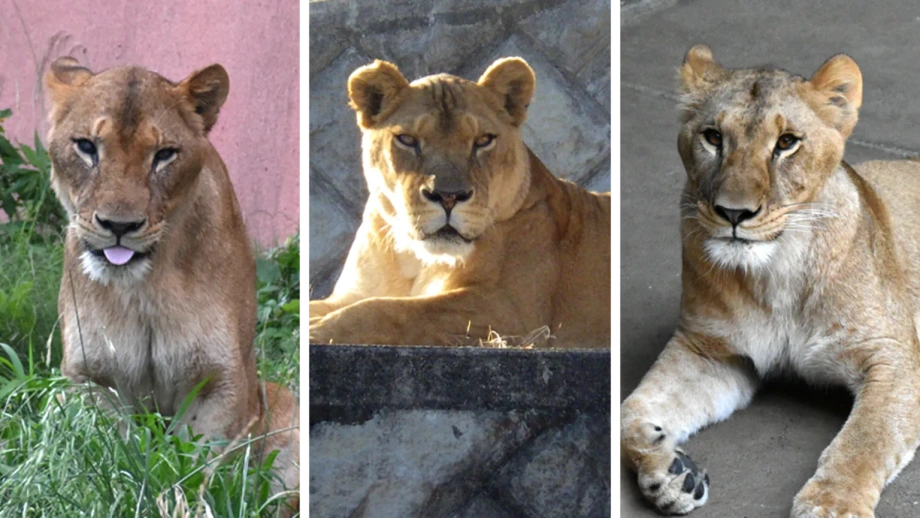
Ten of Tama Zoo's 16 Lions Need Treatment
Three female lions died at Tama Zoological Park in western Tokyo between July 28 and August 2 amid Japan's punishing summer heat. Mugi, aged three, Ichigo, aged eleven, and Luena, aged fifteen, showed signs of dehydration and organ failure, with initial findings pointing to heat stress.
Contents
Ten of the zoo's sixteen lions required treatment during the crisis. As of August 5, three remained under care, four had recovered and six had stayed healthy throughout. The deaths came within a week, leaving staff facing losses they had never experienced during earlier hot summers.
Each of the three lions stopped eating before collapsing and becoming unable to stand. Zoo teams used cooling fans, water sprays and intravenous fluids in an effort to save them, but the animals died despite treatment.
Tama Zoo has housed lions since 1964 and had never recorded a heat related lion death before this summer. The crisis has prompted the closure of its lion exhibit and safari bus service, alongside stronger cooling measures for the remaining animals.
What Examinations Found
Post mortem examinations of Mugi, Ichigo and Luena confirmed widespread dehydration and organ failure. Laboratory tests were still needed for final confirmation of the cause of death, although the early findings pointed to heat stress.
Dehydration means the body has lost too much water. In this case, it occurred alongside the failure of organs needed to keep the animals alive. The lions' loss of appetite and eventual inability to stand were the visible signs of their worsening condition.
The surviving lions that became unwell are receiving continuous fluids, vitamins and medication. Some have shown gradual improvement, while the zoo continues treatment for the three animals still under care.
Why Humidity Made the Heat Harder to Bear
Lions cool themselves through deep panting, releasing moisture from their airways. In dry African conditions, that moisture can evaporate effectively, helping the animals lose heat. Tokyo's high humidity makes evaporation more difficult, allowing heat to remain inside the body.
Humidity describes how much moisture is in the air. When the air is already very damp, moisture released through panting cannot evaporate as easily. The lions therefore faced a combination of high temperatures and reduced ability to cool themselves naturally.
Hideaki Karaki, a veterinary professor at the University of Tokyo, noted that a sudden rise in temperatures in mid July gave the animals no time to adjust. The speed of that change added to the difficulty created by the humid conditions.
The same humidity factor also contributed to thousands of human heatstroke cases across Japan. The danger extended beyond how hot the air became: people and animals also struggled to release enough heat from their bodies.
Closures and Stronger Cooling at the Zoo
Tama Zoo closed its lion exhibit and safari bus service on July 23 after symptoms appeared. Affected lions are now resting in indoor spaces with air conditioning, while industrial fans run continuously.
Keepers are sprinkling water, improving airflow and installing spot air conditioners in all areas housing big cats. These measures extend the cooling response beyond the fans and water sprays used during the initial emergency.
The sequence of events shows how quickly the crisis developed:
- Mid July: A sudden temperature spike left the lions little time to adjust, according to Professor Hideaki Karaki.
- July 23: Tama Zoo closed its lion exhibit and safari bus service after symptoms appeared.
- July 28 to August 2: Mugi, Ichigo and Luena died despite cooling measures and medical treatment.
- August 5: Three other lions remained under care, four had recovered and six had stayed healthy throughout.
Ten affected animals out of sixteen means more than half of the zoo's lions needed treatment. The response now combines medical care for sick animals with changes to the spaces where the big cats are housed.
Japan Faces Prolonged Heat Above 40 Degrees
Japan introduced a new category this summer, called a cruelly hot day, for temperatures above 40 degrees Celsius. Parts of the country recorded five consecutive days at that level, the longest such streak on record.
More than 43,000 heatstroke hospital admissions were recorded in Japan this summer alone. The Fire and Disaster Management Agency described the season as a disaster, a term normally reserved for events such as earthquakes and typhoons.
The prolonged temperatures meant the zoo's emergency unfolded during a wider public health crisis. High humidity complicated cooling for both the lions and people exposed to the heat, while the sudden temperature increase reduced the animals' opportunity to adjust.
Heat Spreads Across East Asia
South Korea reported its highest temperature in 122 years when Yangsan reached 42.5 degrees Celsius. The government declared a national disaster, and nineteen heat related deaths were recorded.
Nearly half a million livestock animals in South Korea had also died from heat since May. The losses show the reach of the extreme conditions across animal populations, alongside the deaths and illnesses affecting people.
North Korea issued widespread heat advisories. Water parks in Pyongyang attracted crowds seeking relief as the regional heatwave continued.
Japan and South Korea both recorded temperatures above 40 degrees Celsius. Across the region, the emergency involved hospital admissions, deaths, livestock losses and efforts to provide places where people and animals could cool down.
El Nino and Warming Add to the Pressure
Scientists linked the extreme conditions to a strong El Nino event building in the Pacific. El Nino is a natural cycle involving warmer ocean waters, which raise global air temperatures and change rainfall patterns.
The World Meteorological Organization warned that the current episode ranked among the strongest on record and would likely intensify heatwaves for months ahead. Its warning pointed to continuing heat pressure beyond the immediate emergency at Tama Zoo.
Climate researchers also noted that warming driven by human activity increases the frequency and intensity of these events. East Asia is facing longer stretches of dangerous heat, putting pressure on health systems and wildlife habitats alike.
For zoos, the deaths at Tama bring attention to the need for cooling during increasingly hot summers. Permanent indoor cooling systems may become necessary at zoos worldwide. Tama's affected lions are already being housed indoors with air conditioning as treatment continues.
Key Points
- Mugi, three, Ichigo, eleven, and Luena, fifteen, died at Tama Zoological Park between July 28 and August 2 from suspected heat stress.
- Examinations found widespread dehydration and organ failure. Laboratory confirmation of the cause was still pending.
- Ten of sixteen lions required treatment. Three remained under care, four recovered and six stayed healthy.
- High humidity limited cooling through panting, while a sudden temperature rise left little time for adjustment.
- The lion exhibit and safari bus service closed on July 23, and the zoo strengthened cooling measures.
- Japan recorded more than 43,000 heatstroke hospital admissions this summer. South Korea recorded nineteen heat related deaths and nearly half a million livestock deaths since May.
- A strong El Nino event and warming driven by human activity are adding to the region's heat pressure.