Rescue Brings Crew to Safety After Red Sea Attack
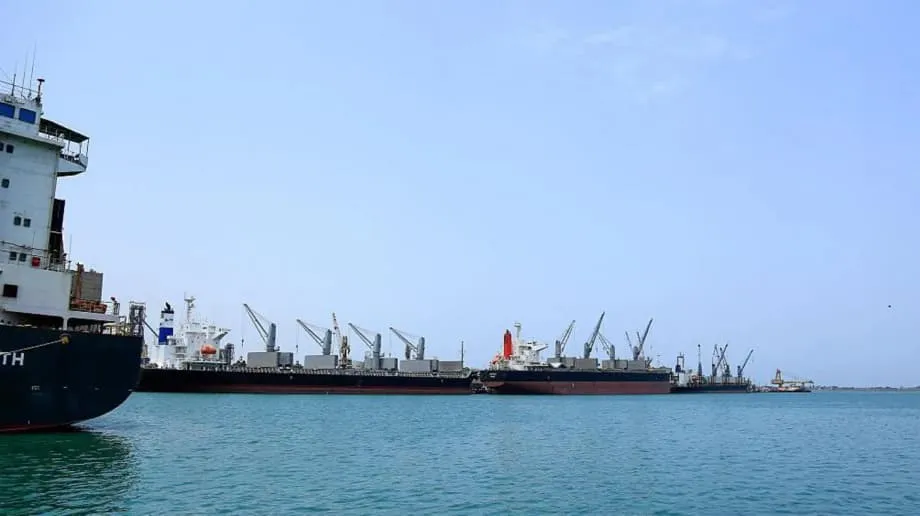
All 14 crew members of the Indian-flagged MSV Faize Noore Oliya were rescued without injury after the mechanised sailing vessel was attacked, overturned and sank in the Red Sea on August 4. The attack occurred approximately 13 nautical miles south of Hodeidah, a port on Yemen's western coast controlled by Houthi forces.
Contents
- Rescue Brings Crew to Safety After Red Sea Attack
- Yemeni Units Rescue Indian and Yemeni Sailors
- India Condemns the Attack and Orders Assistance
- Responsibility and Method Remain Under Review
- A Timeline of Rising Maritime Risks
- Why Disruption in This Corridor Matters
- Indian Seafarers and Shipping Face Wider Concerns
- Key Points
The crew comprised 13 Indian nationals and one Yemeni national. Yemeni naval and coast guard units carried out a joint rescue operation and transferred them to the port of Mokha, where they received medical checks. No injuries were recorded during either the attack or the rescue.
Indian authorities condemned the targeting of the civilian vessel and coordinated assistance for the rescued sailors. As of August 5, India's embassy in Riyadh continued to monitor developments and work with Yemeni officials on the crew's welfare.
Yemeni government-aligned National Resistance Forces attributed the strike to a boat loaded with explosives, while Indian officials described the vessel as having been struck by a projectile. Authorities tracking maritime incidents in the area were still reviewing the exact method of attack.
Yemeni Units Rescue Indian and Yemeni Sailors
Yemeni coast guard and navy units responded promptly after the vessel sank. The 14 people aboard were brought ashore and provided with medical assistance at a secure location following their transfer to Mokha.
India's Ministry of External Affairs confirmed the rescue of all 13 Indian crew members and thanked Yemeni authorities for their role in the operation. Its statement focused on the Indian nationals, while the full crew also included the Yemeni sailor.
The embassy in Riyadh worked directly with local officials to ensure the rescued sailors received assistance. The response involved both the Yemeni units that brought the crew to safety and Indian authorities coordinating their welfare after the loss of the vessel.
India Condemns the Attack and Orders Assistance
Shipping Minister Sarbananda Sonowal addressed the incident in a social media post, describing it as an unprovoked attack on a defenseless civilian vessel. He also directed maritime authorities to coordinate support for the rescued seafarers.
Sonowal set out India's position and the government's priority for the people aboard:
India strongly condemns this unprovoked attack on the defenseless mechanised sailing vessel. The safety of our people is our supreme priority.
Sonowal instructed the Directorate General of Maritime Administration to review safety protocols for Indian seafarers operating in the region and provide any additional support the crew required. That instruction extended the response beyond the immediate rescue to the precautions governing work in these waters.
The Ministry of External Affairs issued a separate statement calling for an immediate end to attacks on commercial shipping. It also called for the restoration of unimpeded navigation in line with international law, meaning vessels should be able to travel through the waterway without obstruction.
Responsibility and Method Remain Under Review
The National Resistance Forces, led by Tareq Saleh, accused Houthi militants of responsibility for the attack. The forces are aligned with Yemen's internationally recognized government and operate along the coastline near the Bab al-Mandab Strait.
Yemen remains divided between the internationally recognized government and Houthi forces, which control parts of the western coast, including Hodeidah. The Indian vessel was attacked south of that port, placing the incident near a stretch of coastline under Houthi control.
The description of a boat carrying explosives came from the National Resistance Forces. Indian officials used the term projectile, a description of an object fired or launched at a target. The exact means by which the vessel was struck remained under review.
The Houthis had not issued a public statement on this specific incident. The accusation of responsibility therefore came from the Yemeni government-aligned forces, while Indian authorities concentrated their public response on condemning the attack and assisting the crew.
A Timeline of Rising Maritime Risks
The sinking followed an increase in attacks on commercial traffic after the Houthis declared a naval blockade targeting shipping linked to Saudi Arabia on July 20. Several incidents involving tankers and other merchant vessels had been reported in recent weeks.
The main dates leading to the rescue and India's response were:
- July 20: The Houthis declared a naval blockade targeting shipping linked to Saudi Arabia.
- August 4: The MSV Faize Noore Oliya was attacked approximately 13 nautical miles south of Hodeidah, overturned and sank. Yemeni naval and coast guard units rescued all 14 crew members.
- August 5: Indian authorities continued coordinating with Yemeni officials on the rescued sailors' welfare, while the exact method of attack remained under review.
The latest incident added to concerns among ship owners and insurers operating in the area. For the crew of the MSV Faize Noore Oliya, those regional risks became an immediate emergency requiring rescue after their vessel was lost.
Why Disruption in This Corridor Matters
The Red Sea and the Bab al-Mandab Strait form a major shipping corridor connecting the Mediterranean to the Indian Ocean. Roughly 12 percent of global seaborne trade normally passes through the route, making disruption there a concern far beyond Yemen's coast.
That share means about 12 out of every 100 parts of trade transported by sea normally use this corridor. Attacks on vessels threaten the movement of goods through a route that serves a substantial portion of international shipping.
Disruption forces many operators to reroute vessels around the Cape of Good Hope. The alternative lengthens voyages and raises fuel and insurance expenses. A longer journey means ships spend more time at sea, while the added costs affect the companies responsible for transporting their cargo.
Some shippers had already adjusted routes or schedules to avoid zones where the risk of attack was higher. Insurance premiums for vessels transiting the Red Sea had risen in recent months. Those premiums are the amounts operators pay for insurance coverage, adding another cost to voyages through the area.
Indian Seafarers and Shipping Face Wider Concerns
India has more than 320,000 active merchant mariners, giving the country a substantial presence in global seafaring. The rescue of 13 Indian nationals from the MSV Faize Noore Oliya brought the safety of those working on commercial vessels into immediate focus.
New Delhi has maintained naval assets in the region under Operation Sankalp to escort commercial traffic and respond to threats. The rescue in this incident was carried out by Yemeni naval and coast guard units, with Indian authorities coordinating assistance for their nationals afterward.
Continued attacks on merchant vessels threaten the free movement of goods through international waterways. Other governments and maritime organizations monitoring the region have made calls similar to India's demand for an end to attacks and the restoration of unobstructed navigation.
Oil and container markets have shown sensitivity to developments in the area. Route changes, schedule adjustments and rising insurance premiums show how security concerns are already affecting shipping decisions. The sinking added another incident to the risks facing commercial operators, even though every person aboard reached safety.
Key Points
- The Indian-flagged MSV Faize Noore Oliya sank after an attack off Yemen on August 4.
- The attack occurred approximately 13 nautical miles south of Houthi-controlled Hodeidah.
- Yemeni naval and coast guard units rescued all 14 crew members, including 13 Indians and one Yemeni.
- The crew were transferred to Mokha and received medical checks. No injuries were recorded.
- Yemeni government-aligned forces blamed the Houthis and described a boat carrying explosives; Indian officials described a projectile strike.
- India condemned the attack, ordered assistance for the crew and called for unobstructed navigation.
- The Red Sea corridor normally carries roughly 12 percent of global seaborne trade.
- India's embassy in Riyadh continued coordinating with Yemeni officials on the sailors' welfare.