Exam Leaks Trigger Nationwide Outrage
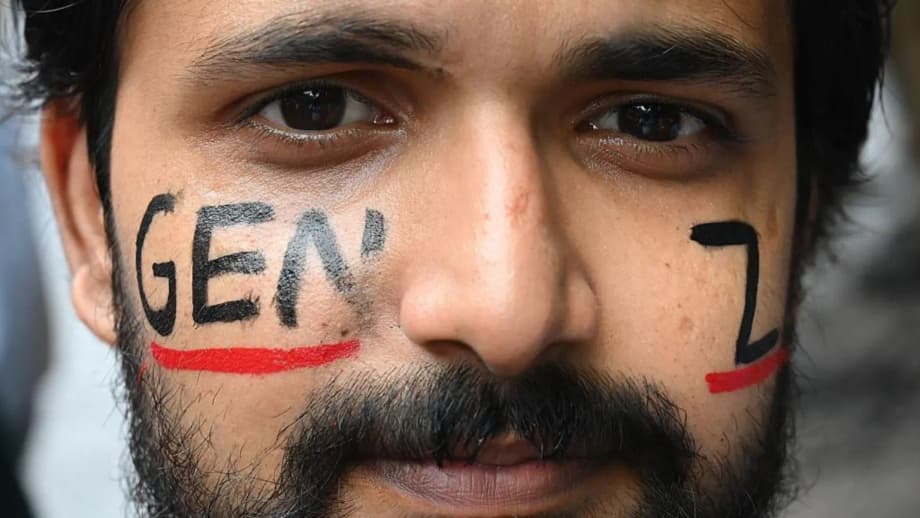
India faces mounting pressure from its large youth population as frustrations over employment prospects and education system failures boil over into public protests. The immediate catalyst came from repeated leaks of competitive entrance exams, including the National Eligibility cum Entrance Test for medical colleges. These scandals forced retests and led to dozens of student suicides, prompting thousands to take to the streets in Delhi and other cities.
Protesters organized under the Cockroach Janta Party banner, a movement that started as online satire after a judicial remark comparing unemployed youth to cockroaches. The group quickly gained millions of social media followers and shifted to street actions demanding accountability from officials.
Young participants expressed that the leaks represented deeper systemic issues. One 27-year-old professional who joined marches in Mumbai described feeling the pressure of ultra-competitive tests during his own student years and the difficulty of securing stable work afterward.
Scale of Graduate Unemployment
India holds the world’s largest youth population, with over 360 million people aged 15 to 29. Data from the State of Working India 2026 report shows graduate unemployment rates near 40 percent among those aged 15 to 25. Graduates make up two-thirds of the total unemployed population. Between 2004 and 2023, roughly five million graduates entered the workforce each year, yet only 2.8 million found any employment, with even fewer securing salaried positions.
Economist Santosh Mehrotra noted that the labor market has grown brutal over the past decade. Non-farm job creation has stalled while real wages remain flat. The economy struggles with weak structural demand for labor, and the education system fails to produce employable graduates at scale.
Education to Employment Transition Problems
Enrollment in higher education has expanded rapidly, with the share of 20- to 29-year-olds holding degrees rising from 4 percent in 1983 to 28 percent in 2023. However, job opportunities have not kept pace. Unemployment among graduates has stayed stubbornly high for 25 years, now magnified by demographic growth and better access to schooling.
Quality issues compound the challenge. Many graduates lack the skills employers seek, leading to prolonged job searches. Women face particularly high rates in several states, reaching over 70 percent in Jammu and Kashmir. The shift from agriculture to manufacturing and services remains slow, with nearly 45 percent of the workforce still in low-productivity farming.
Effects of Technology and Economic Shifts
Traditional pathways to middle-class stability, such as software services jobs, face disruption from artificial intelligence. Estimates suggest 8 to 12 percent of non-farm roles could be affected. Hiring in information technology has slowed to single digits, contract work has increased, and wages have stagnated. Staffing experts advise that young graduates must pivot toward vocational skills rather than purely knowledge-based degrees.
Manufacturing’s contribution to gross domestic product has declined from 17 percent in 2015 to 14 percent now. Employment in the sector fell for years after 2015 before a modest recovery. Meanwhile, agriculture employment rose by 80 million people after 2020, signaling disguised unemployment as workers fail to transition into higher-productivity roles.
Emergence of Youth Protest Movement
The Cockroach Janta Party evolved from social media memes into organized sit-ins and marches. Activists including Sonam Wangchuk joined hunger strikes lasting weeks. Protesters camped at Jantar Mantar in Delhi, drawing support from professionals, families, and opposition figures. Demands include the education minister’s resignation, stricter penalties for leaks, and compensation for affected families.
Police responses involved tear gas and baton charges during attempts to march toward parliament. Internet access was restricted around protest sites. Despite these measures, the movement maintained a peaceful approach and continued to attract participants from across the country.
Official Actions and Remaining Gaps
Prime Minister Narendra Modi announced fast-track courts for leak cases and appointed Nandan Nilekani to lead examination reforms. Dharmendra Pradhan resigned as education minister, and a new appointee took the role. Parliament passed amendments strengthening punishments for paper leaks, including up to 10 years in jail and fines reaching 50 lakh rupees.
These steps addressed immediate triggers but experts argue deeper reforms are needed. Reviving small and medium enterprises, creating a new industrial policy focused on manufacturing, and improving vocational training remain priorities. Cash transfer programs have expanded, yet structural fixes lag.
Political Risks for the Government
Youth voters represent a critical bloc in a country where 40 percent of the population is under 25. The protests mark one of the most visible challenges to the government in recent years. Unlike neighboring countries where similar grievances led to violence and leadership changes, Indian demonstrators emphasized non-violent tactics and accountability.
Analysts note that long-simmering discontent over corruption, job scarcity, and institutional trust has surfaced. The decentralized nature of the movement, fueled by social media rather than traditional parties, adds complexity for authorities accustomed to negotiating with established organizations.
Key Points
- Exam paper leaks sparked protests that exposed wider youth unemployment issues.
- Graduate joblessness hovers near 40 percent, with millions added to the workforce annually but far fewer finding stable work.
- Manufacturing growth has slowed and agriculture employment has risen, indicating limited economic transformation.
- The Cockroach Janta Party mobilized thousands in peaceful demonstrations across cities.
- Government responses included ministerial changes, task forces, and tougher anti-leak laws, though structural reforms continue.
- Youth frustrations pose ongoing political pressure ahead of future elections.