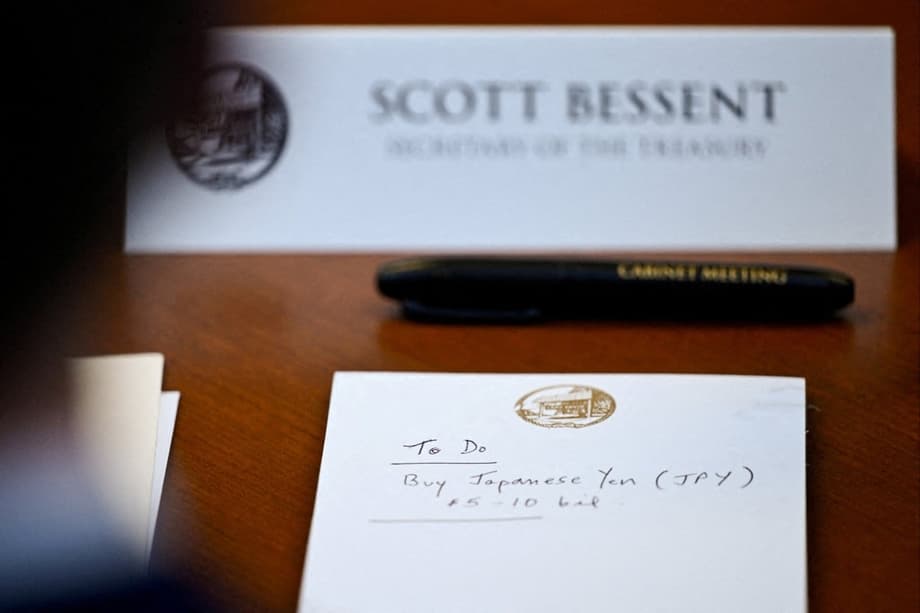
Background on the Yen Slide
The Japanese yen had been sliding for months, reaching a 40-year low near 164 against the US dollar last month. This prolonged weakness raised import costs for energy and food, pressuring households and Prime Minister Sanae Takaichi approval ratings. Tokyo had already spent tens of billions in solo interventions earlier this year with limited success. The Bank of Japan raised rates to 1 percent in June, yet the currency showed little lasting improvement because of wide interest rate gaps with the United States.
Analysts noted that a weak yen also risked broader regional instability. South Korea intervened to support its won, and concerns grew that other Asian currencies could face similar pressure.
The Coordinated Action Unfolds
Last week the United States and Japan executed their first joint yen-buying intervention since 1998. Japan acted in New York markets on Thursday, reportedly spending up to 58.97 billion dollars. On Friday the US Treasury joined the effort, with reports indicating it sold euros rather than dollars to acquire yen. The yen surged immediately, reaching 155.23 against the dollar by Monday morning, its strongest level since early May.
President Donald Trump confirmed the move aboard Air Force One, calling it a signal of friendship and noting the United States is always there for Japan. Treasury Secretary Scott Bessent posted on social media that Washington would not hesitate to participate in further joint action.
Why Washington Stepped In
US participation went beyond diplomatic goodwill. Japan holds more than 1.1 trillion dollars in US Treasuries. Unilateral Japanese sales to fund further intervention could have pushed Treasury yields higher at a time when 30-year bond yields already approached levels last seen in 2007. By joining the effort the US aimed to limit any forced selling that might destabilize its own bond markets.
Officials also highlighted the Federal Reserve FIMA repo facility, which allows foreign central banks to borrow dollars against Treasury collateral instead of selling securities outright. Japan confirmed it plans to use this tool for future needs.
Market Reactions and Immediate Effects
The dollar fell sharply to near 155.20 yen early Monday. The euro climbed to a 1.5-month high above 1.15 dollars while sterling approached 1.35 dollars. Japanese equities reversed earlier gains as the stronger yen weighed on exporters. Traders remained alert for additional intervention, with the yen holding gains through the session.
Two-year Japanese government bond yields briefly touched 1.545 percent, the highest since 1995, as markets priced in a possible Bank of Japan rate hike in September.
Regional and Global Implications
Bessent warned that an overly weak yen posed risks to Asian financial stability, recalling the late-1990s crisis. A stable yen supports neighboring currencies and reduces pressure on countries to sell their own dollar reserves. The intervention also sent a geopolitical message of close US-Japan coordination under the current administrations.
Broader coordination appeared when South Korea bought won on the same day, underscoring shared concerns over currency volatility across the region.
Policy Coordination and Future Steps
Both governments signaled readiness for further action. Japanese Finance Minister Satsuki Katayama stated officials remain attentive and in close communication with US counterparts. Bessent repeated calls for additional Bank of Japan rate increases, arguing the yen remains substantially undervalued.
The Bank of Japan kept policy steady last week but offered its clearest signal yet that a September hike remains possible. Analysts view coordinated intervention as more effective than solo efforts because US involvement increases deterrence against speculative bets.
Challenges Ahead
Some observers questioned whether the move can overcome structural drivers of yen weakness. Wide interest rate differentials persist, and rising oil prices from Middle East tensions add to import costs. Japan fiscal policies, including proposed tax cuts and higher spending, could further pressure the currency over time.
Experts noted that lasting strength will ultimately require tighter Japanese monetary policy rather than repeated intervention. The current action may buy time for the Bank of Japan while markets adjust.
Key Points
- US and Japan conducted first joint yen intervention since 1998, lifting the currency from 40-year lows near 164 to 155.23.
- Action aimed to prevent Japan from selling large volumes of US Treasuries and to stabilize regional currencies.
- President Trump described the move as a signal of friendship and support for global economic stability.
- Both governments warned they will not hesitate to intervene again if needed.
- Markets now watch for possible Bank of Japan rate hike in September and any further coordinated steps.