From Disaster to Delight: Art Meets Recovery
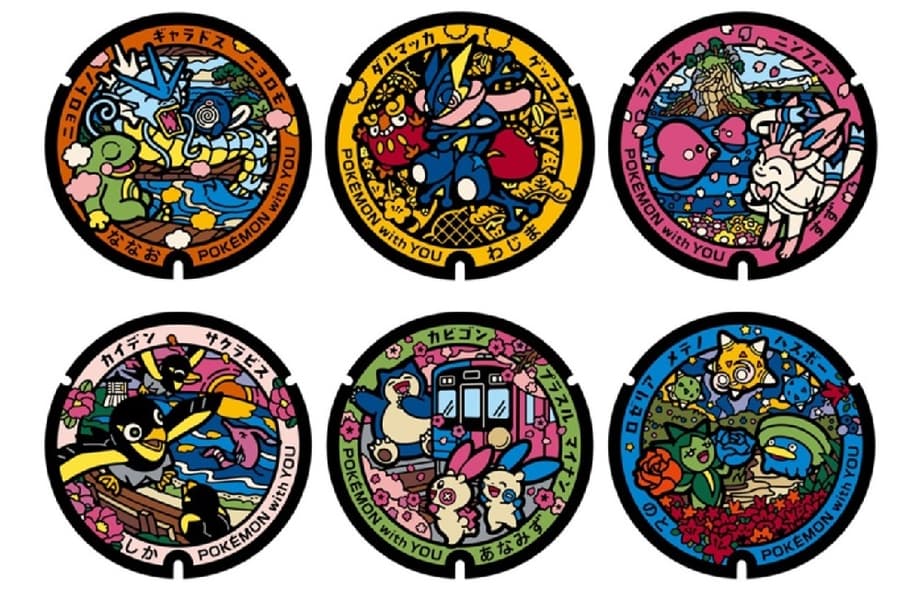
The Noto Peninsula is preparing to welcome visitors back with an unexpected splash of color and whimsy. Six new Pokémon-themed manhole covers, known in Japan as Pokéfuta or PokéLids, will be installed across this scenic coastal region starting April 29, 2026. These artistic utility hole covers represent more than playful decoration. They mark a significant milestone in the recovery of the area from the devastating magnitude 7.6 earthquake that struck on New Year’s Day in 2024, killing over 700 people and causing widespread destruction across Ishikawa Prefecture.
The installation comes sixteen months after the initial disaster and follows additional challenges including severe flooding in September 2024 that caused hillsides to crumble and rivers to overflow. While reconstruction efforts have continued steadily, rural disaster zones often face prolonged economic recovery as tourism dollars dry up and infrastructure remains compromised. The Pokémon Company, through the Pokémon With You Foundation, has partnered with six municipalities across the peninsula to donate these unique artworks, each designed to draw visitors to specific local attractions while celebrating the cultural heritage of the region.
This initiative bridges the gap between physical reconstruction and economic revitalization, offering travelers six compelling reasons to explore the hot springs, lacquerware traditions, and coastal landscapes of the peninsula. Each cover features carefully selected Pokémon characters that reflect local characteristics, from Gyarados relaxing in thermal waters to Sylveon gracing a beach known for romantic scenery. The project extends a relationship that began in September 2024, when the Pokémon With You Train began operating between Nanao and Anamizu stations, demonstrating sustained corporate commitment to the region rather than a single charitable gesture.
The 2024 Earthquake and Its Lasting Impact
On January 1, 2024, residents of the Noto Peninsula were jolted awake by one of the most powerful earthquakes to strike Japan in recent years. The magnitude 7.6 tremor caused buildings to collapse, triggered tsunami warnings, and severed transportation links across the northern coast of Honshu. The disaster claimed over 700 lives and left thousands displaced, with the rural communities of the peninsula bearing the brunt of the destruction.
The challenges did not end with the initial shaking. In September 2024, heavy rainfall battered the already weakened region, causing landslides that further isolated communities and damaged reconstruction progress. Many local businesses, particularly those dependent on tourism, faced extended closures or reduced visitor numbers as potential travelers hesitated to visit disaster-stricken areas.
Rural Japanese communities like those on the Noto Peninsula face unique obstacles in disaster recovery. Unlike urban centers with dense populations and diversified economies, these areas rely heavily on seasonal tourism and specialized local industries. When visitors stop coming, the economic impact ripples through family-owned restaurants, traditional craft workshops, and small inns that have operated for generations. Infrastructure repair in remote coastal towns progresses more slowly than in major cities, creating extended periods where communities struggle to maintain economic stability while rebuilding homes and roads.
The installation of the PokéLids represents a recognition that physical reconstruction alone cannot restore these communities. Economic revitalization requires creating new attractions and marketing opportunities that encourage domestic and international travelers to return. By installing distinctive artworks that appeal to a global fanbase spanning multiple generations, local officials hope to generate renewed interest in traditional attractions while providing new photo destinations that spread awareness through social media.
The Pokémon With You Legacy
The Pokémon With You Foundation emerged from one of the darkest moments in modern Japanese history. Following the magnitude 9.0 earthquake and tsunami that struck the Tohoku region on March 11, 2011, killing nearly 20,000 people, The Pokémon Company launched this initiative to support affected communities through fundraising and morale-boosting activities. Volunteers dressed as Pikachu visited schools and evacuation centers, bringing moments of joy to children who had lost homes and family members. Pokémon Center stores across Japan donated portions of profits to rescue and reconstruction efforts, and when a permanent Pokémon Center finally opened in Tohoku, some fans waited over five hours to enter and show their support.
This foundation has evolved into a long-term mechanism for using the global Pokémon brand to support disaster recovery and regional revitalization across Japan. The PokéLid project, officially launched in 2018 under the broader Pokémon Local Acts initiative, has installed over 400 decorated manhole covers across every prefecture in the country. These covers serve dual purposes as physical infrastructure and as PokéStops within the Pokémon GO mobile game, allowing digital interaction with real world locations.
The April 2026 Noto Peninsula installations represent a strategic expansion of this existing program into active disaster recovery zones. By placing the covers in specific municipalities, organizers create pilgrimage routes that encourage visitors to travel between towns they might otherwise skip, distributing tourism revenue across a wider area. The Pokémon Company donated all six covers, working collaboratively with the Pokémon With You Foundation to coordinate installation and promotion. This approach transforms entertainment property into physical infrastructure for economic development while maintaining the playful spirit that has made Pokémon a cultural phenomenon for nearly three decades.
Six Unique Designs, Six Unique Destinations
Each PokéLid installation has been carefully matched with local geography and culture, creating a treasure map of attractions across the peninsula.
Anamizu: Cherry Blossoms and Electric Companions
At Anamizu Station, travelers will find Snorlax resting beneath cherry blossom trees, accompanied by the electric rabbit-like creatures Plusle and Minun. This town is celebrated for its springtime sakura displays, and the railway station serves as a gateway to coastal views. The inclusion of Plusle and Minun, Pokémon known for generating electrical energy together, subtly references the need of the community to rebuild through collective effort.
Suzu: Coastal Romance and Fairy Charms
Mitsuke Beach in Suzu City features Sylveon, an elegant fairy type evolution of Eevee, alongside two Luvdisc, heart-shaped fish Pokémon associated with romance. This pairing complements the reputation of the beach as a scenic spot with views of Mitsuke Island, a rocky outcrop rising from the Sea of Japan. Suzu is also known for culinary specialties including snow crab, oysters, and Noto kuroge wagyu beef, giving food enthusiasts reasons to linger after photographing the artwork.
Nanao: Thermal Waters and Evolved Power
Yuttari Park in Nanao City showcases Gyarados, the powerful sea serpent that evolves from the humble Magikarp, relaxing in hot spring waters alongside Politoed and Poliwag. This design cleverly mirrors the famous onsen culture of the town, where visitors soak in naturally heated baths to relieve stress. The narrative of Gyarados transformation from weakness to strength parallels the resilience of the community following the disasters.
Wajima: Ninja Frogs and Ancient Crafts
At the Furattohomu roadside station in Wajima, Greninja, a ninja-like frog Pokémon, strikes a dramatic pose beside the fire type Darumaka. Wajima maintains one of the oldest morning markets in Japan and produces some of the most delicate lacquerware in the country, a craft involving up to eighty layers of sap-based coating applied to wooden bowls and chopsticks. The roadside station offers visitors access to these traditional artisan goods while serving as a practical rest stop for travelers exploring the peninsula by car.
Noto Town: Botanical Diversity and Grass Types
Yanagida Botanical Park in Noto Town hosts a PokéLid featuring Roselia, Minior, and Lotad among floral displays. While cherry blossom season concludes in April, the park transitions into displays of azaleas, roses, wisteria, and irises throughout spring and summer. The grassy and sky themed Pokémon reflect the focus of the botanical garden on plant diversity and natural beauty.
Shika: Record Breaking Benches and Seabirds
Sekaiichi no Bench, meaning “The World’s Longest Bench,” in Shika Town displays Wattrel, seabird Pokémon, soaring above Gorebyss swimming in illustrated waves. Though the 460.9-meter bench no longer holds the Guinness World Record it claimed in 1989, the massive wooden structure still offers guaranteed seating along the west coast, providing views of the Sea of Japan while serving as a distinctive landmark that encourages extended visits to this western peninsula community.
Bridging Physical and Digital Worlds
The PokéLids function as more than static art objects. Each cover will become a PokéStop within Pokémon GO, the location-based mobile game that encourages players to visit real world locations to collect items and interact with virtual creatures. This digital integration creates a bridge between the massive global player base of the franchise and the physical locations of the Noto Peninsula.
Players visiting these PokéStops will encounter the specific Pokémon depicted on each cover in augmented reality, potentially triggering special in-game events or research tasks tied to the region. This gamification of tourism transforms casual players into explorers who might otherwise never venture to rural Ishikawa Prefecture. The technology encourages visitors to travel between all six locations to complete digital collections, extending their stay and increasing spending at local accommodations and restaurants.
Social media amplification plays a crucial role in this strategy. Previous PokéLid installations have generated millions of shares on platforms like Instagram and X, as fans photograph themselves with the artwork and share location information with fellow enthusiasts. This user generated content provides the Noto Peninsula with organic marketing that reaches international audiences without traditional advertising costs. The distinctive visual appeal of Pokémon characters combined with the novelty of decorated manhole covers creates shareable content that introduces global audiences to Japanese cultural traditions they might never encounter otherwise.
A Region of Deep Traditions
Beyond the Pokémon installations, the Noto Peninsula offers visitors immersion in traditions that have survived for centuries. The Wajima morning market ranks among the three most famous morning markets in Japan, where vendors sell fresh fish, octopus, and fugu directly from the boats. Visitors can purchase seafood and rent gas grills to prepare meals at the site, creating interactive culinary experiences.
The Kiriko matsuri festivals of the region represent some of the most distinctive cultural events in Japan. During summer evenings, villagers pull massive festival floats into the sea while taiko drummers wearing hairy wigs and cloaks perform in flickering firelight. Legend holds that these costumes once frightened away pirates by making villagers appear as demons. This eerie, archaic tradition continues today as both religious observance and tourist attraction.
Wajima lacquerware requires immense patience and skill, with artisans applying dozens of layers of lacquer sap to create ultra-shiny, durable wooden goods. These items command high prices and represent a significant local industry that survived the earthquakes and floods. The Senmaida rice paddies, a thousand small fields cascading down coastal slopes, demonstrate ancient agricultural techniques adapted to the terrain of the peninsula. Salt production using traditional cliff-side evaporation methods continues in small factories where visitors can attempt the labor-intensive process themselves.
By combining these established cultural attractions with new Pokémon-themed destinations, tourism officials hope to attract younger travelers who might prioritize digital experiences and pop culture connections while still introducing them to traditional Japanese crafts and foods.
Ongoing Commitment to Recovery
The April 2026 installations represent the latest chapter in an ongoing partnership. The Pokémon With You Train, which began operating in September 2024 between Nanao and Anamizu stations, continues to transport visitors in specially decorated carriages featuring Pokémon artwork. This sustained presence distinguishes the initiative from short-term disaster charity, instead establishing long-term infrastructure for economic recovery.
Local authorities have planned collaborative events and themed attractions near each PokéLid location. Suzu City is installing a “Sylveon with Love” monument near its beach cover. Anamizu Station is adding additional Pokémon decorations beyond the manhole cover itself. Nanao City is opening a Pokémon-themed footbath facility where visitors can soak their feet in thermal waters while surrounded by character art.
These complementary attractions ensure that visitors have reasons to remain in each town rather than simply photographing the covers and departing. By distributing six covers across six different municipalities, organizers ensure that tourism revenue spreads across the entire peninsula rather than concentrating in a single location.
Key Points
- Six new Pokémon-themed manhole covers will be installed across the Noto Peninsula starting April 29, 2026
- The installations mark the first PokéLids on the peninsula, donated by The Pokémon Company through the Pokémon With You Foundation
- Each cover is located in a different municipality: Anamizu, Suzu, Nanao, Wajima, Noto Town, and Shika
- The initiative aims to boost tourism following the magnitude 7.6 earthquake that struck on January 1, 2024, killing over 700 people
- Additional challenges from September 2024 flooding delayed recovery efforts in the rural region
- Each PokéLid will become a PokéStop in Pokémon GO, encouraging digital players to visit physical locations
- Designs feature Pokémon selected to reflect local attractions, including Gyarados for hot springs and Sylveon for romantic beaches
- The project follows the September 2024 launch of the Pokémon With You Train, demonstrating sustained commitment to regional recovery