Relief Reaches Tehran as Damage Mounts
China has delivered approximately 58 tons of emergency humanitarian assistance to Iran as Iranian officials report that US and Israeli attacks have damaged more than 137,000 infrastructure facilities across the country. Airports, fuel storage sites, bridges and railways are among the facilities affected, placing the relief effort alongside a widening crisis in the systems that keep people and goods moving.
Contents
- Relief Reaches Tehran as Damage Mounts
- Earlier Support Followed the Minab School Attack
- Beijing Calls for an End to Military Operations
- Weapons Allegations Bring a US Tariff Threat
- Oil Makes Iran Dependent on Chinese Buyers
- Gulf Partnerships Shape China's Choices
- Evacuations Address the Danger to Chinese Citizens
- Hormuz Disruption Adds Pressure for Peace
- A Beijing Visit Remains on the Calendar
- How the Response Developed
- Key Points
Chinese Ambassador to Iran Cong Peiwu joined Iranian Red Crescent Society President Pirhossein Kolivand at the society's headquarters in Tehran on Wednesday to formalize the handover. The shipment is the latest material step in Beijing's response to the conflict that began in late February and, as of April 18, has entered its seventh week.
Cong described Iran as a vital partner in the Middle East and stressed the longstanding friendship between the two countries. He said China remained deeply concerned about the welfare of the Iranian people. According to the ambassador, the assistance reflected China's international humanitarian obligations and its vision of building a community with a shared future for humanity.
Beijing has called for regional peace and an immediate end to military operations since hostilities began. Its aid delivery fits that diplomatic position: providing relief to civilians while pressing for dialogue. At the same time, China faces US allegations about possible military assistance to Iran, threats of new tariffs and risks to its economic relationships across the Middle East.
The pressure reaches beyond Tehran. China buys most of Iran's exported oil, maintains major partnerships with Saudi Arabia and the United Arab Emirates, and is seeking stable relations with Washington. Each relationship gives Beijing a reason to prevent the conflict from spreading further.
Earlier Support Followed the Minab School Attack
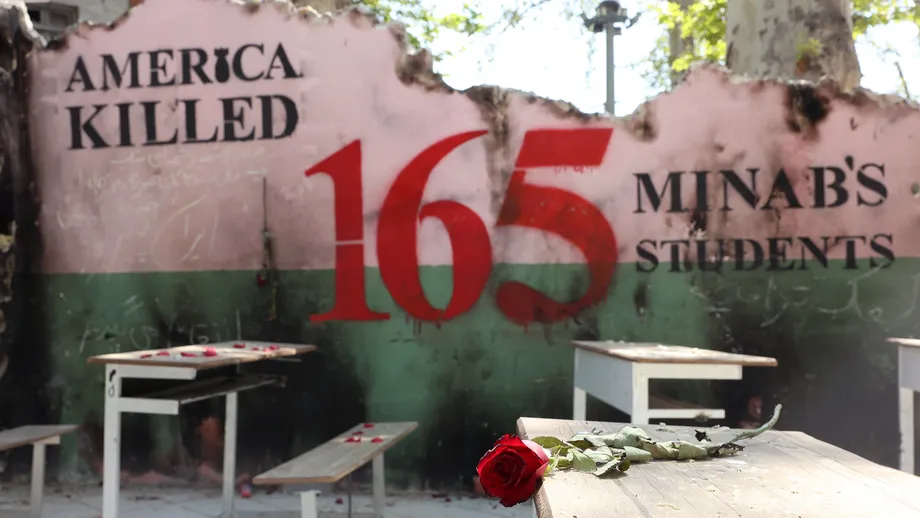
Kolivand thanked China for its sustained support during difficult times, pointing to an earlier humanitarian contribution after the February 28 attack on Shajareh Tayyebeh Elementary School in Minab, southern Iran. At least 150 schoolgirls were killed in the attack, which occurred during the initial phase of US and Israeli military operations.
The Red Cross Society of China provided $200,000 in emergency assistance to the Iranian Red Crescent following that attack. Chinese Foreign Ministry spokesperson Guo Jiakun said the money was specifically designated for comforting bereaved families, meaning families grieving the loss of relatives.
Guo said attacking schools and harming civilians seriously violated international humanitarian law and crossed the base line of humanity and human conscience. International humanitarian law sets rules for conduct during armed conflict, including protections for civilians. His statement placed the school attack within China's wider call to protect people caught in the fighting.
Kolivand said the earlier donation showed that friendship between the two countries had grown stronger over time. The $200,000 contribution and the subsequent shipment of approximately 58 tons of assistance form two distinct parts of Beijing's humanitarian response: support directed at grieving families and a larger delivery of emergency relief.
Beijing Calls for an End to Military Operations
Chinese Foreign Minister Wang Yi has held multiple telephone conversations with his counterparts from Russia, Iran, France and Oman to explain Beijing's position and promote an end to the conflict. China has paired its material assistance with diplomatic condemnation of the military actions undertaken by Washington and Tel Aviv.
Wang described the US and Israeli strikes as unacceptable violations of international law. He singled out the killing of Supreme Leader Ayatollah Ali Khamenei, describing it as a blatant attack on the leadership of a sovereign state that crossed fundamental boundaries of international conduct.
Foreign Ministry spokesperson Mao Ning set out China's position at a regular press conference on March 3. Its three elements were an immediate halt to military operations, a prompt return to dialogue and negotiation, and collective opposition to unilateral actions. Unilateral actions are steps taken by a country acting on its own rather than through an agreed collective process.
Mao also said China supported Iran's right to defend its sovereignty, security and territorial integrity while acknowledging the legitimate security concerns of Gulf states. Beijing's position therefore addresses both its partnership with Tehran and its relationships with other governments in the region.
Weapons Allegations Bring a US Tariff Threat
US President Donald Trump has threatened to impose tariffs of 50 percent on Chinese goods if Beijing provides weapons to Tehran. In an April interview, he said such assistance would create big problems for China. A tariff is a tax on imported goods, so the threat connects alleged military support with the cost of trade between the world's two major economies.
The warning followed intelligence reports suggesting possible transfers of air defense equipment. The equipment described included shoulder fired anti aircraft systems, as well as components for radar and surface to air missile guidance technology. Such systems are used to detect, track or attack aircraft and other targets in the air.
Chinese Foreign Ministry spokesperson Lin Jian dismissed reports of military support as purely fabricated. He warned that US tariff increases based on those accusations would prompt countermeasures from Beijing, adding a possible trade confrontation to the diplomatic dispute over Iran.
Trump confirmed that he had exchanged letters with Chinese President Xi Jinping about the matter and said Xi denied providing weapons. The possible transfers remain allegations contested by China. Beijing's confirmed delivery is humanitarian assistance, while its officials continue to reject the claims of military support.
The dispute places different kinds of assistance at the center of China's relationship with Washington. Emergency relief addresses civilian needs; the alleged weapons transfers concern military capability and have triggered Trump's tariff warning. Beijing is trying to sustain support for Iran through humanitarian and economic channels while avoiding direct confrontation with the United States.
Oil Makes Iran Dependent on Chinese Buyers
China purchases approximately 90 percent of Iran's exported oil, providing Tehran with tens of billions of dollars in annual revenue that supports the Iranian government budget. That trade gives the relationship a financial weight far beyond diplomatic statements or emergency donations.
In 2025, China imported nearly 1.4 million barrels of Iranian crude oil per day. Those shipments represented about 12 percent of China's total crude imports. The two percentages show the unequal dependence: China takes about nine out of every 10 barrels Iran exports, while Iranian crude supplies roughly 12 out of every 100 barrels China imports.
The oil trade takes place largely outside formal banking channels. It relies on shadow fleet tankers and complex payment networks that circumvent US sanctions. In this context, a shadow fleet means tankers used to move oil through trading arrangements that avoid sanctions restrictions.
Iran consequently depends heavily on China for energy export revenue as well as diplomatic backing in forums such as the United Nations Security Council. China, by comparison, has alternative oil suppliers and regional partners. That difference helps explain why Tehran's need for Chinese support is greater than Beijing's dependence on any single part of the relationship.
Gulf Partnerships Shape China's Choices
Saudi Arabia and the United Arab Emirates both maintain comprehensive strategic partnerships with China. Bilateral trade with each country exceeded $108 billion in 2025, compared with $41.2 billion between China and Iran. Each Gulf relationship was therefore worth more than twice the reported trade with Tehran.
China's Belt and Road Initiative is also closely integrated with Saudi Vision 2030. The initiatives connect China's international investment and infrastructure agenda with Saudi Arabia's economic development plans. The economic ties described include a $50 billion agreement and a $1 billion solar energy project in Uzbekistan with Saudi firm ACWA Power.
Overt military aid to Iran would put these relationships at risk and could disrupt Beijing's balance among Middle Eastern powers. China's acknowledgment of Gulf states' security concerns sits alongside those substantial commercial interests.
Beijing has no formal defense commitments or mutual defense treaty with Tehran. A mutual defense treaty commits countries to assist one another under specified circumstances, unlike the less binding political and economic support China provides Iran. This differs from the security guarantees associated with US alliances.
China's lack of a formal defense obligation leaves it room to support Iran rhetorically and economically without committing to direct military assistance. Its humanitarian delivery, diplomatic activity and continued trade reflect that approach, while the weapons allegations remain a point of friction with Washington.
Evacuations Address the Danger to Chinese Citizens
Chinese authorities have evacuated more than 3,000 citizens from Iran since the security situation deteriorated. Working groups have been stationed at border ports in neighboring countries to assist Chinese nationals leaving Iran.
The Chinese Embassy in Tel Aviv has also advised citizens in Israel to strengthen personal security measures and remain prepared for emergencies. Beijing's response therefore includes precautions for its nationals on both sides of the conflict, alongside its assistance to Iranian civilians.
The evacuations show another immediate concern for China: protecting people already in the region. The aid shipment addresses humanitarian needs in Iran, while the border assistance and embassy advice address the safety of Chinese citizens exposed to the fighting.
Hormuz Disruption Adds Pressure for Peace
Iran has effectively closed the Strait of Hormuz since early March, disrupting approximately 20 million barrels of oil daily and roughly 20 percent of global liquefied natural gas trade. The strait is a critical passage for energy shipments, making its closure a concern far beyond the countries directly involved in the fighting.
Liquefied natural gas is gas cooled into liquid form so it can be transported by ship. The reported share affected, about one fifth of global trade, places gas supplies alongside oil among the economic consequences of the conflict.
Wang urged Iranian Foreign Minister Abbas Araghchi to ensure freedom of navigation through the strait. He described reopening it as a unanimous demand from the international community. Freedom of navigation means allowing ships to pass through a waterway, a practical requirement for restoring the disrupted trade.
Wang also said the situation had reached a critical juncture between war and peace. His appeal connected China's support for negotiations with an immediate economic objective: restoring passage through a route whose disruption affects energy supplies across the world.
A Beijing Visit Remains on the Calendar
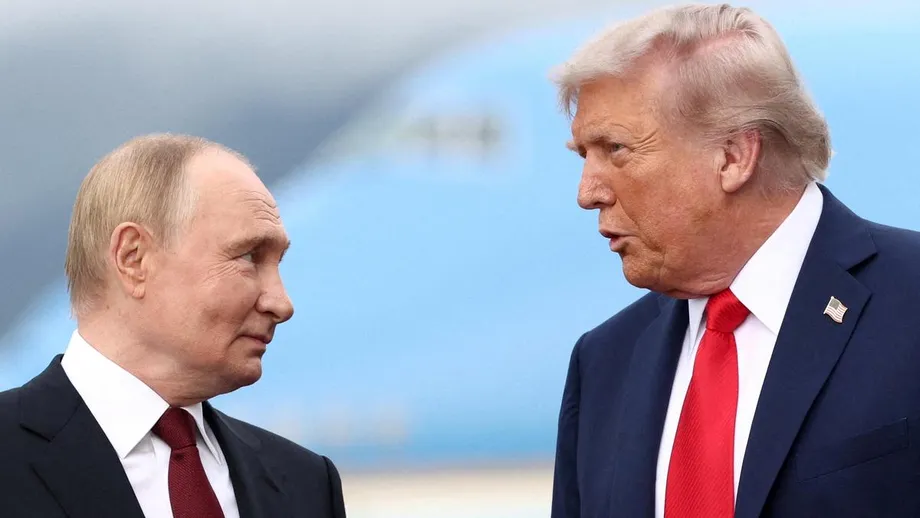
Trump has confirmed that his planned visit to Beijing, postponed because of the military operation in Iran, has been rescheduled for mid May. The announcement gave a broad period for the visit rather than a specific date.
The planned meeting places US and Chinese diplomacy alongside the continuing dispute over possible weapons transfers and tariffs. China is seeking stable relations with Washington while maintaining humanitarian and economic support for Tehran.
The approximately 58 tons of assistance delivered this week are the clearest material expression of that position. Beijing has provided relief, condemned the attacks, called for negotiations and sought the reopening of Hormuz, while denying that it is supplying weapons to Iran.
How the Response Developed
The conflict and China's response have unfolded across several dates, beginning with the late February outbreak of hostilities and extending to the planned US presidential visit in May. The school attack, diplomatic statements and disruption of shipping are central points in that sequence.
- Late February: Hostilities began, and China called for regional peace and an immediate end to military operations.
- February 28: The attack on Shajareh Tayyebeh Elementary School in Minab killed at least 150 schoolgirls. The Red Cross Society of China subsequently provided $200,000 for bereaved families.
- March 3: Mao Ning outlined China's call to halt military operations, return to negotiations and oppose unilateral actions.
- Early March: Iran effectively closed the Strait of Hormuz, disrupting oil shipments and liquefied natural gas trade.
- April: Trump threatened tariffs of 50 percent if China supplied weapons to Iran and confirmed an exchange of letters with Xi, who denied providing them.
- Wednesday before April 18: Cong Peiwu and Pirhossein Kolivand formalized the handover of approximately 58 tons of humanitarian assistance in Tehran.
- Mid May: Trump's postponed visit to Beijing is scheduled to take place.
By April 18, the fighting had entered its seventh week. China's response combined civilian relief, diplomatic pressure, citizen evacuations and efforts to protect its economic relationships, with the next scheduled presidential engagement in Beijing approaching in May.
Key Points
- China delivered approximately 58 tons of emergency humanitarian aid through the Iranian Red Crescent Society in Tehran.
- Iranian officials reported damage to more than 137,000 infrastructure facilities, including airports, fuel storage sites, bridges and railways.
- An earlier Chinese donation of $200,000 supported bereaved families after the February 28 Minab school attack killed at least 150 schoolgirls.
- Beijing has called for an immediate halt to military operations and a return to negotiations while supporting Iranian sovereignty and recognizing Gulf security concerns.
- Trump threatened tariffs of 50 percent over possible weapons assistance. Chinese officials denied providing military support.
- China buys approximately 90 percent of Iran's oil exports but also has larger trade relationships with Saudi Arabia and the United Arab Emirates.
- More than 3,000 Chinese citizens have been evacuated from Iran, and China's embassy has issued security advice to citizens in Israel.
- The effective closure of Hormuz has disrupted approximately 20 million barrels of oil daily and roughly 20 percent of global liquefied natural gas trade.
- Trump's postponed Beijing visit has been rescheduled for mid May.