Closing the Protection Gap: A Policy Shift
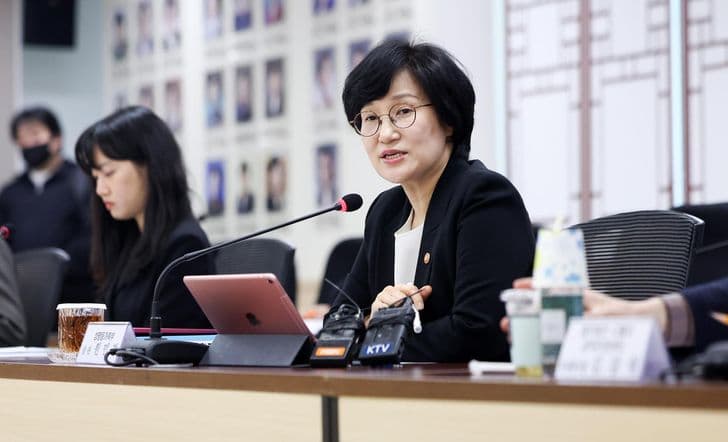
South Korea unveiled a comprehensive overhaul of its anti trafficking policies on Friday, targeting structural gaps that have left thousands of vulnerable foreign workers without adequate protection. The Ministry of Gender Equality and Family announced new measures designed to accelerate victim identification and streamline support services, particularly for seasonal agricultural workers and maritime crew members who have faced heightened risks of exploitation. The plan involves coordinated action across multiple government agencies, including the Ministry of Employment and Labor, the Ministry of Oceans and Fisheries, and the Korean National Police Agency. Officials emphasized that previous efforts suffered from fragmented coordination, with different ministries maintaining separate databases and referral procedures that often left victims falling between administrative cracks. The reforms address a troubling disparity in official statistics. Between 2023 and March 2026, authorities formally recognized only 70 individuals as trafficking victims, 58 of whom were foreign nationals. This low number reflects ongoing challenges in detecting forced labor and trafficking crimes within migrant communities. Rights advocates have consistently argued these figures vastly understate the actual scale of abuse, particularly within low wage migrant labor sectors where workers often endure debt based coercion, passport confiscation, and excessive working hours. Minister Won Min-kyong affirmed the government’s commitment to closing blind spots in victim protection and improving the effectiveness of victim support. A senior ministry official told The Korea Times that the overarching theme of this package involves finding cases earlier, recognizing victims faster, and delivering support without delay, representing a fundamental shift toward proactive protection rather than reactive measures. The announcement comes amid growing international attention to labor conditions within South Korea’s manufacturing, agricultural, and maritime industries, where foreign workers fill critical gaps in an aging workforce.
- Closing the Protection Gap: A Policy Shift
- The Legal Definition Creating Blind Spots
- Exploitation in Seasonal and Maritime Sectors
- International Scrutiny of Enforcement Gaps
- Concrete Reforms and Implementation Tools
- Institutional and Legislative Changes
- Migration Realities and Protection Frameworks
- Key Points
The Legal Definition Creating Blind Spots
A strict interpretation of trafficking under current law has contributed to the low recognition numbers. The legal framework requires proof of “movement of the person,” including cross border transportation, to establish trafficking crimes. Article 289 of the Criminal Act prohibits trading in persons but requires demonstration of buying or selling without explicitly incorporating force, fraud, or coercion as essential elements. This contrasts with the 2000 UN TIP Protocol definition, which centers on these coercive mechanisms. The disconnect means that cases involving debt bondage or subtle forms of psychological coercion often fail to meet the threshold for trafficking charges, instead being prosecuted as lesser labor violations or administrative infractions. This narrow definition has resulted in most confirmed victims being noncitizens, while domestic cases potentially slip through identification cracks. The 2025 Trafficking in Persons Report from the U.S. State Department highlighted these limitations, noting that the absence of a criminal offense aligned with the 2000 UN TIP Protocol creates varying understanding of the crime among law enforcement. Officials have historically conflated trafficking with related offenses such as commercial sex violations, kidnapping, and domestic violence, further complicating accurate identification. The Prevention of Trafficking in Persons, Etc. and Victim Protection Act, which took effect in 2023, provided improved definitions for protection purposes but did not amend the Criminal Act provisions used for prosecution. This disconnect between protection and prosecution frameworks has allowed enforcement gaps to persist despite legislative advances.
The absence of a criminal offense that defined trafficking in a manner fully consistent with international law resulted in varying understanding of the crime among law enforcement and prosecutors.
Exploitation in Seasonal and Maritime Sectors
Foreign workers under the Seasonal Worker Program (SWP) and Employment Permit System (EPS) have experienced conditions indicative of forced labor across agriculture, manufacturing, and fishing industries. Under the Employment Permit System, approximately 303,000 migrant workers from 16 countries labor in fishing, agriculture, livestock, restaurants, and manufacturing. Many reside in inadequate housing, including greenhouses and shipping containers, particularly in agricultural regions. The Ministry of Employment and Labor conducted surveys on these housing conditions in 2023, publicly reporting findings in March 2024 and issuing corrective orders for violations. However, NGOs report that enforcement remains inconsistent, and many workers continue to live in conditions that violate basic health and safety standards. The SWP relies on broker arrangements between Korean municipalities and foreign local governments, creating oversight gaps that unscrupulous recruiters exploit. In February 2024, the Philippine government temporarily banned sending workers to South Korea following reports of unsafe conditions and abuse among Filipino seasonal workers. The National Human Rights Commission of Korea has documented trafficking within the SWP, concluding the program lacked a solid legal operating basis and that some local officials relied on brokers who charged excessive fees and confiscated passports.
The maritime sector presents equally serious challenges. Nearly 4,000 migrant workers, primarily from Indonesia, serve on South Korean distant water fishing vessels. The distant water fishing fleet operates with particular opacity. Vessels frequently use at sea trans shipment of catches and remain at sea for a year or longer without visiting ports, limiting opportunities for workers to report abuse. The 2024 Enhanced Plan for migrant fishers mandated annual port calls and required fishing companies to pay all recruitment fees, yet civil society noted these measures lack legal binding status, hindering adequate enforcement. Crew members frequently face 18 hour workdays, verbal and physical abuse, and wage withholding. Recruitment agencies often charge fees between $5,500 and $15,000, creating debt based coercion that binds workers to exploitative contracts. Employers often hold the first three months of wages as a deposit that workers cannot receive until contract completion. Despite these documented conditions, the government has never prosecuted a human trafficking case involving distant water fishing operations.
International Scrutiny of Enforcement Gaps
While South Korea maintained Tier 1 status in successive State Department reports from 2023 through 2025, international monitors identified persistent enforcement shortfalls. In 2024, authorities investigated 1,061 cases, including 708 for sex trafficking and 98 for forced labor. However, prosecutors initiated only four labor trafficking prosecutions, and courts handed down just six labor trafficking convictions under Article 7 of the Labor Standards Act. This represented a decline from 33 such convictions the previous year. Approximately 95 percent of convictions involved child sex trafficking under the Act on the Protection of Children and Youth, rather than adult or labor exploitation cases. The 2024 report noted that despite increasing investigations and prosecutions, the vast majority of convictions involved child sex trafficking rather than adult or labor trafficking cases. Courts sentenced most traffickers to less than one year imprisonment, fines, or suspended terms, weakening deterrence against exploitation. Courts sentenced only 22 percent of convicted traffickers to at least one year imprisonment in 2024, compared with 35 percent in 2023. By contrast, 39 percent of individuals convicted of rape received sentences of one year or longer, demonstrating significant disparities in how trafficking crimes are penalized relative to other serious offenses.
Labor inspections revealed additional vulnerabilities. In 2024, the Ministry of Employment and Labor investigated 80 forced labor cases but closed 77 with no legal violations found. Maritime labor inspectors conducted limited on board inspections of distant water vessels, with civil society expressing concern that training and resources remained insufficient to monitor approximately 60,000 crew members adequately. The revised victim identification index introduced in December 2024 included labor trafficking indicators, yet NGOs asserted it still lacked adequate measures to screen for forced labor among foreign migrants in the fishing industry. Reports indicate that unless vessels required maintenance, distant water vessels could avoid returning to port, and many vessels remained at sea for more than a year at a time, increasing risks for forced labor. Observers noted that fishing vessels flagged for forced labor by foreign governments were able to enter Korean territorial waters without inspection, highlighting inadequate port monitoring capabilities.
Concrete Reforms and Implementation Tools
The new policy package introduces specific mechanisms to address these documented failures. Staff at institutions involved in seasonal labor programs will become mandatory trafficking reporters required to complete compulsory training. Public officials, including maritime labor inspectors, will receive new identification tools specifically tailored to detect forced labor indicators among foreign crew members. These tools aim to overcome previous limitations where inspectors lacked specific guidelines for identifying coercion in maritime environments. Once identified, victims will access support services without the previous bureaucratic delays. The government committed to providing urgent assistance before formal paperwork completion, addressing past criticism that lengthy application processes, sometimes extending four to six months, re traumatized victims and left them without resources. The Central Victim Rights Protection Agency, established under the 2023 law, issued 12 certificates to foreign trafficking victims in 2024, allowing them to secure financial and immigration benefits prior to judicial proceedings, up from three certificates the previous year.
Additional protective measures include mandatory enrollment of seasonal workers in accident insurance, wage guarantee insurance, and agricultural and fisheries safety insurance. The government will require seasonal employers to enroll workers in these programs in a bid to reduce the risks of injuries and unpaid wages. The government allocated approximately 67.41 billion KRW ($45.7 million) to the Ministry of Gender Equality and Family for victim protection efforts in 2024, including 160 million KRW for the Central Victim Rights Protection Agency. An additional 88.6 billion KRW went to the Ministry of Justice, and 658 million KRW to the Ministry of Oceans and Fisheries for protection and assistance programs. The government also plans to provide emergency housing for foreign victims and establish dedicated support facilities offering accommodation, meals, and comprehensive assistance. These steps respond directly to recommendations from international monitors and domestic rights groups who have criticized the lack of specialized services for male, disabled, and foreign victims.
Institutional and Legislative Changes
Beyond operational improvements, the reforms restructure national coordination mechanisms. Legislation will shift the chairmanship of the Policy Coordination Council on Human Trafficking from the deputy prime minister and education minister to the minister of gender equality and family. The council will expand civilian expert participation from four to ten members, strengthening policy expertise and civil society integration. This structural change aims to prioritize victim protection and restoration of rights at the center of national policy. The government also plans to revise the Act on Prevention of Human Trafficking and Protection of Victims to mandate the new identification and referral procedures. This legal foundation aims to prevent the inconsistent application that has plagued previous guidelines, where some authorities reportedly referred victims to services only in extreme cases.
Police, labor, and other ministries will tighten cooperation and share relevant information when frontline officials encounter possible victims during inspections or investigations. When officials identify possible victims, they should immediately link them with the Ministry of Gender Equality and Family and victim protection institutions. Foreign victims currently receive G-1 humanitarian stay visas allowing work authorization for up to one year during cooperation with investigations. However, the government only permits foreign victims to stay in shelters for three months, extendable only if they serve as witnesses in ongoing trials. The lack of long term residency options reportedly discourages victims from reporting exploitation or participating as witnesses against traffickers. The new framework attempts to address these barriers by allowing urgent assistance even before all formal paperwork is complete, though long term residency reforms remain unaddressed.
Migration Realities and Protection Frameworks
The reforms arrive against a backdrop of demographic necessity. As one of the world’s fastest aging societies, South Korea faces acute labor shortages that increasingly depend on foreign workers. Lee Sung-ah, deputy director general for management and reform at the International Organization for Migration, stressed that safe, orderly, and regular migration pathways benefit both receiving nations and migrants themselves. Speaking during a recent visit to Seoul, she highlighted the need for protection centered approaches to accompany labor migration expansion. She noted that fear based narratives and misinformation often undermine evidence based policymaking, requiring robust data collection and victim centered protocols.
The Seoul Metropolitan Government has simultaneously increased support infrastructure for foreign residents, including medical interpretation services and diplomatic cooperation forums, suggesting multi layered governmental recognition of the growing international community. The city recently hosted diplomats from 60 countries, including 40 sitting ambassadors, to brief them on support policies including Medical Support for International Citizens, which offers hospital interpretation in 12 languages. These municipal efforts complement the national anti trafficking reforms by creating broader safety nets for the international community. The convergence of local and national initiatives indicates a broader shift toward integrating protection mechanisms within migration governance structures, acknowledging that short term labor migration will continue playing an important role in addressing immediate workforce shortages while requiring stronger safeguards.
Key Points
- South Korea recognized only 70 trafficking victims between 2023 and March 2026, prompting criticism that official statistics vastly understate exploitation in migrant labor sectors.
- New reforms designate seasonal labor program staff as mandatory trafficking reporters and require compulsory training on victim identification indicators.
- Specialized identification tools will target forced labor indicators among foreign crew on distant water fishing vessels, where nearly 4,000 Indonesian workers face documented abuse risks including 18 hour workdays and debt based coercion.
- Authorities investigated 1,061 trafficking cases in 2024 but secured only six labor trafficking convictions, with 95 percent of convictions involving child sex trafficking rather than adult or labor exploitation.
- Emergency housing and streamlined victim support will replace previous bureaucratic delays that extended up to six months, though foreign victims still face three month shelter limits without witness participation extensions.
- Legislative changes will transfer anti trafficking council leadership to the Gender Equality Minister and expand civilian expert participation from four to ten members to strengthen policy coordination.