A Month of Blossoms in the Heart of Tokyo
Tokyo’s Chiyoda Ward, home to the Imperial Palace and some of the capital’s most historic landscapes, will host an extended cherry blossom celebration this spring that redefines the traditional hanami experience. The Sakura Festival in Chiyoda 2026 runs from March 5 through April 22, offering visitors nearly seven weeks of seasonal programming centered around one of Japan’s most photographed sakura locations.
- A Month of Blossoms in the Heart of Tokyo
- Chidorigafuchi: Tokyo’s Illuminated Cherry Blossom Corridor
- Boat Rentals and the Pre-Reservation Revolution
- Opening Ceremonies and Cultural Programming
- Anime Ambassadors and Character Marketing
- Navigating the Festival: Practical Considerations
- Chiyoda in Context: Tokyo’s Sakura Ecosystem
- Key Points
Unlike previous years when cherry blossom events condensed activities into brief windows tied strictly to peak bloom periods, this year’s expanded format reflects a strategic shift toward accessibility and crowd management. The Chiyoda City Tourism Association has structured the festival to accommodate both early and late-blooming varieties while distributing visitor traffic across multiple venues throughout the ward.
Chidorigafuchi: Tokyo’s Illuminated Cherry Blossom Corridor
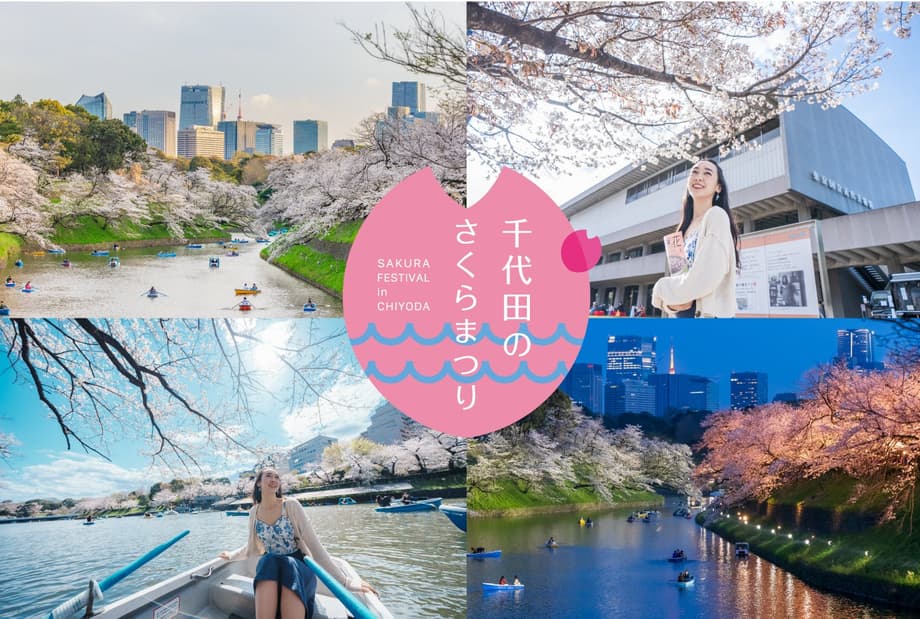
The festival’s centerpiece remains the Chidorigafuchi promenade, a 700-meter stretch along the northwestern moat of the Imperial Palace grounds. Each spring, approximately 250 Somei Yoshino cherry trees create what locals describe as a tunnel of pale pink petals suspended over the water. For 2026, organizers have implemented an environmentally conscious lighting system that eliminates carbon emissions through renewable energy sources and carbon offsetting measures.
The yozakura (nighttime cherry blossom viewing) illuminations transform this already spectacular walkway into an ethereal experience. From late March through early April, precisely timed to coincide with peak blooming conditions, LED lights cast a warm glow through the branches until 9 p.m. The reflection of illuminated blossoms on the moat’s surface creates a mirror effect that doubles the visual impact, while the Marunouchi business district’s modern architecture provides a striking backdrop that juxtaposes Tokyo’s feudal history with its contemporary skyline.
This lighting approach represents a significant evolution in festival management. Chiyoda Ward is testing new renewable energy systems specifically for this event, ensuring that the 12-day illumination period maintains a zero-carbon footprint. Visitors can enjoy the traditional beauty of sakura season without the environmental cost typically associated with large-scale outdoor lighting installations.
Boat Rentals and the Pre-Reservation Revolution
Perhaps the most significant operational change for 2026 involves access to the water itself. The Chidorigafuchi Boat Pier, typically operating during daylight hours only, extends its schedule until 7:30 p.m. or 8 p.m. during the illumination period, allowing visitors to row directly beneath the overhanging cherry branches. This vantage point offers an intimate perspective impossible to achieve from the promenade above.
Recognizing that previous years saw desperate queues forming before dawn for limited boat availability, organizers have introduced a sophisticated pre-reservation system. Beginning March 10, visitors can purchase smart tickets online, selecting specific dates and times for their rowing sessions. These advance bookings cost 10,000 yen per boat (accommodating up to three passengers) and allow modifications until 8 p.m. the day prior, subject to availability.
For budget-conscious visitors or spontaneous travelers, same-day tickets remain available at 1,600 yen per boat for one-hour rentals during the peak illumination period, or 800 yen for 30-minute sessions outside the main bloom window. However, these require early arrival, with distribution beginning at 9 a.m. and high demand typically exhausting supply within hours.
Beyond convenience, the booking system serves a conservation purpose. A portion of all proceeds flows directly to the Chiyoda Ward Sakura Fund, which maintains and protects the aging cherry trees along the moat. Visitors literally contribute to preserving the landscape they have come to admire.
Opening Ceremonies and Cultural Programming
The festival officially launches on March 5 at Wadakura Fountain National Park, located on the southeastern grounds of the Imperial Palace. Between 11 a.m. and 3 p.m., the musical ensemble Rei, comprising cultural tourism ambassadors for the Chiyoda City Tourism Association, will perform using traditional Japanese instruments including koto and shamisen, accompanied by classical dance routines. This programming bridges historical entertainment forms with contemporary festival culture.
Concurrent with the performances, the park hosts a regional specialty market featuring food and crafts from prefectures across Japan. Unlike previous years when temporary food stalls lined the Chidorigafuchi moat itself, creating congestion and waste management challenges, the 2026 format concentrates culinary offerings in designated areas near Tokyo Station and Tokyo Torch Park. This separation allows the promenade to function primarily as a viewing corridor while directing hungry visitors to established dining infrastructure capable of handling large volumes.
Anime Ambassadors and Character Marketing
Recognizing that modern sakura festivals compete for attention in a saturated spring event calendar, Chiyoda Ward has pursued strategic collaborations with popular media franchises. The 2026 festival features tie-ins with the hit light novel and anime series My Happy Marriage, a story set in the Taisho period that has captivated audiences with its blend of historical aesthetics and romantic narrative. The collaboration offers a stamp rally at five locations throughout the ward from March 11 through April 22, with participants collecting stamps to receive small commemorative prizes.
More significantly, the relaxed bear character Rilakkuma celebrates his fifth anniversary as an official tourism ambassador for Chiyoda Ward. This milestone brings exclusive merchandise to the festival, including a limited-edition Kiiroitori (the yellow bird companion character) keychain. Beginning March 17, visitors can purchase this collectible, featuring the character in a traditional hanten short winter coat with sakura accessories, at the Chiyoda Ward Tourist Information Center for 2,200 yen.
The Rilakkuma collaboration extends beyond simple merchandising. A character-specific stamp rally runs parallel to the main festival, encouraging exploration of lesser-known corners of Chiyoda Ward. Additionally, over 50 local eateries participate in a bar-hopping ticket program, while more than 100 stores offer festival-specific coupons, creating economic ripple effects throughout the neighborhood.
Navigating the Festival: Practical Considerations
Transportation to the main festival site remains straightforward. Chidorigafuchi sits approximately five minutes on foot from Kudanshita Station, served by the Shinjuku, Hanzomon, and Tozai subway lines, or Hanzomon Station on the Hanzomon line. The proximity to Tokyo Station makes the site accessible for day-trippers and international visitors staying in the capital’s hotel district. From Kudanshita Station, visitors should take Exit 2 or 3 and walk north along Yasukuni Dori toward Kitanomaru Park, following the gradual slope toward the palace moat.
Crowd management represents a primary concern for 2026, particularly following reports of overtourism straining other famous sakura locations. The Chiyoda City Tourism Association has deployed a dedicated website offering real-time bloom status reports and live crowd-level tracking. This digital infrastructure allows visitors to make informed decisions about when to visit, potentially avoiding the most congested periods while still catching optimal flowering conditions.
Weather contingency planning also features prominently in this year’s organization. While the illumination period historically fell between March 28 and April 8 in previous years, the 2026 schedule builds in flexibility, with exact lighting dates adjusting according to flowering conditions. Visitors should consult official sources closer to their planned visit dates for specific timing confirmations.
Chiyoda in Context: Tokyo’s Sakura Ecosystem
While Chidorigafuchi ranks among Tokyo’s premier cherry blossom destinations, the extended 2026 festival format positions the ward within a broader network of spring celebrations across the metropolis. The Meguro River’s 800 trees stretching 3.8 kilometers offer a more intimate neighborhood atmosphere, while Sumida Park combines historical significance dating to the Edo period with views of the Tokyo Skytree. Roppongi’s Midtown Blossom and the Sakura Skytree light-up provide alternative nighttime experiences.
What distinguishes Chiyoda’s offering is the combination of historical gravitas, the unique moat-boat viewing experience, and now, the month-long programming calendar. Unlike locations where cherry blossom viewing remains a passive activity, the ward has constructed a participatory festival framework with distinct daily and weekly events. The environmental initiatives also set a precedent. As other Tokyo municipalities grapple with the energy costs and carbon impact of seasonal illuminations, Chiyoda Ward’s zero-emission lighting system offers a template for sustainable festival design.
Key Points
- The Sakura Festival in Chiyoda 2026 runs from March 5 to April 22, nearly seven weeks of spring programming
- The 700-meter Chidorigafuchi promenade features carbon-neutral LED illuminations during peak bloom from late March to early April
- Boat rentals now offer pre-reservation smart tickets starting March 10 for 10,000 yen per boat, or same-day tickets from 800 yen
- Rilakkuma celebrates his fifth anniversary as Chiyoda tourism ambassador with exclusive merchandise and stamp rallies
- Real-time crowd tracking and bloom status updates are available through the official festival website
- Proceeds from boat rentals support the Chiyoda Ward Sakura Fund for tree conservation
- The festival eliminates food stalls along the moat, directing visitors instead to Tokyo Station and Tokyo Torch Park dining areas